cotton handbags lightweight
CN → US| HS Code | Tariff Rate | Origin | Destination | Doc |
|---|---|---|---|---|
| 6307908940 | 17.0% | CN | US | Official Doc |
| 4202228930 | 52.6% | CN | US | Official Doc |
| 6307909891 | 24.5% | CN | US | Official Doc |
Product Images
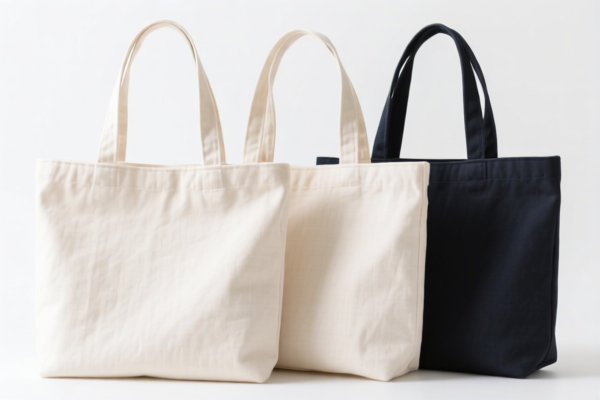
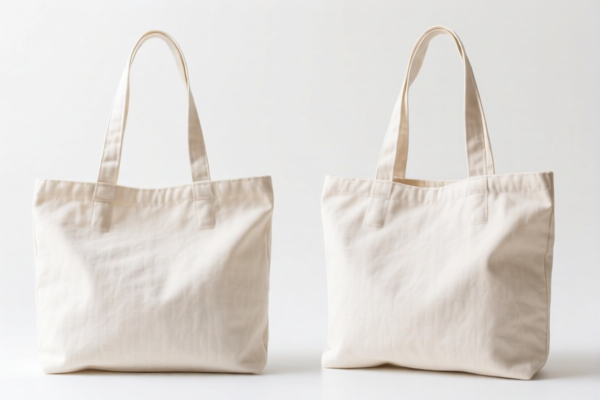
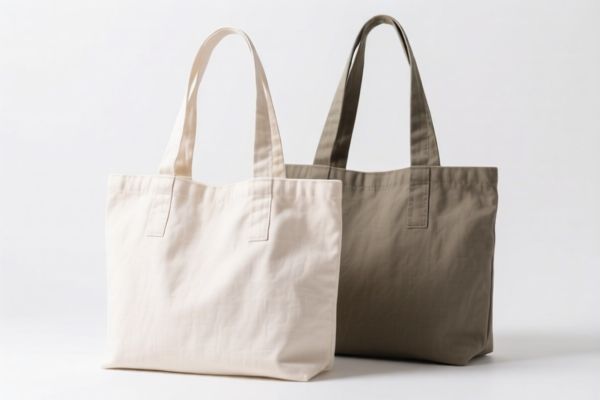
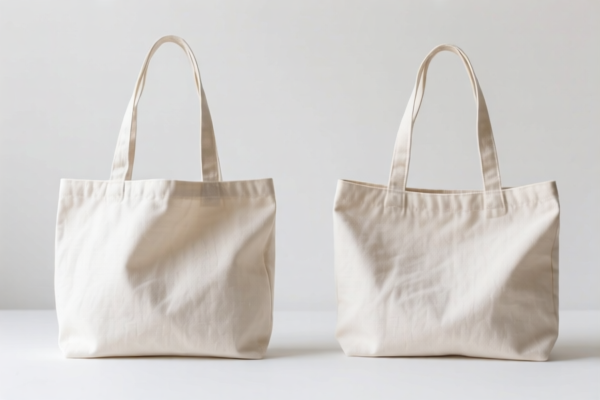
AI Analysis
👜 Lightweight Cotton Handbags (The "Strapless" Paradox)
🌐 HS Code Reference & Customs Clearance Guide | 2026 Latest Tariff Analysis | US Import Strategy
📌 I. Product Definition & Classification: Do You Really Know What You Are Shipping?
Lightweight Cotton Handbags are versatile fashion accessories, often characterized by their soft structure, breathable material, and ease of transport. In international trade, the classification depends heavily on the specific design features (such as the presence of handles/straps) and structural integrity.
Key Ambiguity: The term "Strapless" (often implied by "lightweight" or specific designs without rigid handles) is the critical differentiator. * Cotton Luggage/Handbags with Handles: Typically fall under Chapter 42 (Articles of leather; travel goods, handbags). * Cotton Goods without Handles/Straps (or considered "Other Made-up Articles"): May fall under Chapter 63 (Other made up textile articles).
⚠️ Critical Distinction:
- If the bag has handles, straps, or carrying cases typical of handbags → Likely Chapter 42.
- If the bag is strapless, soft, or classified as a general textile finished good (e.g., a simple pouch or tote without rigid structure/handles defined as handbags) → Likely Chapter 63.
📦 II. HS Code Classification Matrix (Based on Provided Data)
| HS Code | Product Description | Key Feature | Customs Logic |
|---|---|---|---|
6307.90.89.40 |
Other Made-up Articles | "Strapless," defined as a finished consumer good. | Classified as a general textile item rather than a specific "handbag" under Chapter 42. |
4202.22.89.30 |
Handbags | Defined as including "strapless" variants in this specific tariff schedule context. | Classified strictly as a handbag/luggage item under Chapter 42. |
6307.90.98.91 |
Other Textile Products | "Strapless," considered a finished textile consumer good. | Similar to 6307.89.40 but falls under a different sub-category for "other textile products." |
🔍 Important Note:
The data provided indicates conflicting interpretations for "Strapless Cotton Handbags."
- Option A (4202.22.89.30): Treats it as a Handbag (Chapter 42). This usually attracts higher duties due to specific trade restrictions.
- Option B (6307.90.89.40/6307.90.98.91): Treats it as a General Textile Article (Chapter 63). This may offer a lower duty rate if the structure is deemed not to be a traditional "handbag."
💰 III. 2026 Tariff Rate Breakdown (US Imports from China)
✅ Applicable Country: United States (US)
✅ Origin: China (CN)
✅ Effective Time: 2025+ (Current Trade War Era)
🎯 1. 4202.22.89.30 — The "High-Tax" Handbag Classification
This classification applies if customs views the item strictly as a handbag under Chapter 42.
| Item | Detail |
|---|---|
| Base Tariff | 17.6% |
| Section 301 Tariff (Trade War) | +25.0% |
| Section 122 Tariff (Specific Provision) | +10.0% |
| Total Effective Rate | 52.6% |
| Calculation | CIF Value × 52.6% |
| De Minimis Eligibility | ❌ NO (Value exceeds threshold; high duty) |
| Legal Basis | Base Tariff + 301 Footnote + 122 Clause |
📌 Explanation:
- 52.6% is a prohibitive tax rate.
- The 25% Section 301 tariff is standard for many Chinese goods.
- The 10% Section 122 tariff is a specific additional levy, significantly increasing costs.
- Risk: Misclassification here can destroy profit margins.
🎯 2. 6307.90.89.40 — The "Lower-Tax" Textile Classification
This classification applies if the item is deemed a general made-up textile article (e.g., a strapless pouch, soft tote not meeting the strict definition of a handbag in Chapter 42).
| Item | Detail |
|---|---|
| Base Tariff | 7.0% |
| Section 301 Tariff | 0.0% |
| Section 122 Tariff | +10.0% |
| Total Effective Rate | 17.0% |
| Calculation | CIF Value × 17.0% |
| De Minimis Eligibility | ❌ NO (But significantly lower absolute cost) |
| Legal Basis | Base Tariff + 122 Clause |
📌 Explanation:
- 17.0% is far more competitive.
- The 0% Section 301 suggests this specific sub-code might be exempt from the broader 301 list or has a different tariff schedule treatment.
- Advantage: Significant cost saving compared to4202.22.89.30.
🎯 3. 6307.90.98.91 — The "Mid-Tax" Textile Classification
Another variant within Chapter 63.
| Item | Detail |
|---|---|
| Base Tariff | 7.0% |
| Section 301 Tariff | +7.5% |
| Section 122 Tariff | +10.0% |
| Total Effective Rate | 24.5% |
| Calculation | CIF Value × 24.5% |
| De Minimis Eligibility | ❌ NO |
| Legal Basis | Base Tariff + 301 Footnote + 122 Clause |
📌 Explanation:
- 24.5% is a middle-ground option.
- It incurs a 7.5% Section 301 tariff (partial exemption compared to the 25% in Chapter 42).
- Still significantly cheaper than the 52.6% rate.
🛠️ IV. Customs Clearance Strategic Advice
✅ 1. Documentation Checklist
| Document | Required? | Purpose |
|---|---|---|
| Product Photos | ✔️ | Must clearly show handles/straps (or lack thereof). If "strapless," photos must prove it. |
| Composition Statement | ✔️ | "100% Cotton" or specific blend ratio. |
| Commercial Invoice | ✔️ | Must specify "Strapless Cotton Handbag" and HS Code. |
| Structure Diagram | ✔️ | Helpful to prove it does not meet the "handbag" definition in Chapter 42 (if claiming Ch. 63). |
| Country of Origin | ✔️ | "Made in China" triggers 301/122 tariffs. |
✅ 2. Classification Strategy: How to Reduce Duty?
🔥 "Design Defines Duty!"
| Strategy | Action | Potential HS Code | Duty Rate |
|---|---|---|---|
| Avoid "Handbag" Features | Remove rigid handles, straps, or zippers. Make it a soft pouch/tote. | 6307.90.89.40 |
17.0% |
| Claim "Textile Article" | Emphasize it is a general textile good, not luggage/handbag. | 6307.90.98.91 |
24.5% |
| Standard Handbag | Keep handles, straps, structured shape. | 4202.22.89.30 |
52.6% |
📌 Key Tip:
- If you must ship as a "Handbag" (Chapter 42), prepare for 52.6% duty.
- If you can redefine the product as a "Cotton Pouch" or "Textile Bag" (Chapter 63) by design (e.g., no handles), you can save ~35% in duty.
✅ 3. Common Pitfalls
❌ Error 1: Calling it a "Handbag" in the invoice but shipping a "strapless pouch."
👉 Consequence: Customs may reclassify it, leading to underpayment penalties and delays.
❌ Error 2: Assuming all cotton bags are low-duty.
👉 Consequence: If it fits the Chapter 42 definition, you will face 52.6%.
❌ Error 3: Ignoring Section 122 Tariff.
👉 Consequence: All three options include a 10% Section 122 tariff. Factor this into your cost analysis.
✅ Correct Approach:
"Cotton Bag, Strapless, Soft Structure, No Rigid Handles, For General Use."
→ Target6307.90.89.40for the lowest duty (17.0%).
🌍 V. Global Market Context (2026)
| Market | HS Code | Duty Rate (China Origin) | Note |
|---|---|---|---|
| 🇺🇸 USA | 6307.90.89.40 |
17.0% | Best option if eligible. |
| 🇺🇸 USA | 4202.22.89.30 |
52.6% | High cost; avoid if possible. |
| 🇪🇺 EU | Varies | ~2.5% - 12% | No Section 301/122 tariffs. |
| 🇨🇳 China | Varies | ~5% - 10% | Import duty for Chinese residents. |
📌 Conclusion:
- USA is the most challenging market due to Section 301 and 122 tariffs.
- Chapter 63 (Textiles) offers a critical loophole for "strapless" items, reducing duty from 52.6% to 17.0%.
- Design Modification is the most effective cost-saving strategy.
📌 VI. Final Recommendations
-
Audit Your Product Design:
- Does it have handles/straps? If yes, it’s likely
4202.22.89.30(52.6%). - Can you remove handles/straps to make it a soft pouch? Target
6307.90.89.40(17.0%).
- Does it have handles/straps? If yes, it’s likely
-
Pre-shipment Classification:
- Request a Binding Tariff Ruling from US Customs and Border Protection (CBP) if shipping large volumes.
- This legally locks in the HS code and duty rate.
-
Cost Calculation Example:
- Item Value: $100
- Duty (Ch. 42): $100 × 52.6% = $52.60
- Duty (Ch. 63): $100 × 17.0% = $17.00
- Savings: $35.60 per bag (35.6% of value!).
🎯 Remember:
🔹 "Strapless = Textile (Ch. 63) = Lower Duty"
🔹 "Handled = Handbag (Ch. 42) = High Duty"
🔹 "Design Your Way to Profit!"
📣 Immediate Action:
📞 Consult your freight forwarder with product photos.
📝 Update your invoice description to match the target HS code.
🚀 Optimize design to avoid the 52.6% tax trap!
✨ Smart Classification Saves Big Money!
💼 Every 1% of duty saved is pure profit!
Customer Reviews
About HS Code Classification
The Harmonized System (HS) is an internationally standardized nomenclature developed by the World Customs Organization (WCO) to classify traded products. Over 200 countries use the HS system as the basis for customs tariffs, trade statistics, and import/export regulations.
Each HS code follows a hierarchical structure:
- Chapter (2 digits) — Broad category of goods (e.g., Chapter 84: Machinery and Mechanical Appliances)
- Heading (4 digits) — More specific grouping within the chapter
- Subheading (6 digits) — Internationally standardized breakdown, used by all WCO member countries
- National subdivisions (8-10 digits) — Country-specific extensions for further classification, such as US HTSUS 10-digit codes
Correct HS code classification is essential for smooth customs clearance, accurate duty payment, and compliance with trade regulations. Misclassification can lead to customs delays, overpayment of duties, or penalties.
When importing from CN to US, the applicable tariff rates may include:
- Most-Favored-Nation (MFN) rate — The standard duty rate applied to WTO members
- General rate — Applied to countries without trade agreements
- Trade remedy duties — Additional tariffs such as Section 301 (anti-dumping), Section 232 (national security), or countervailing duties
The information provided on this page is for reference purposes only. For official classification, please consult with your local customs authority or a licensed customs broker.