cotton handbags simple style
CN → USProduct Images
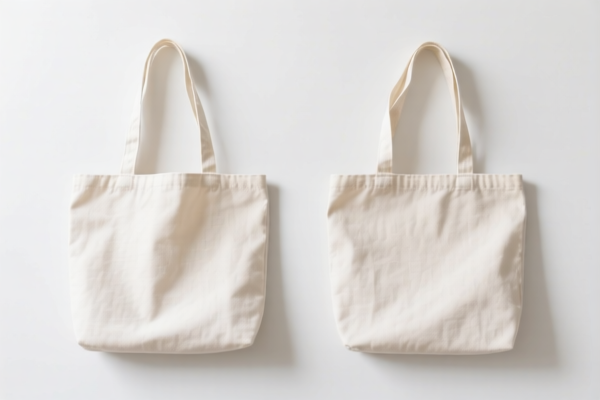
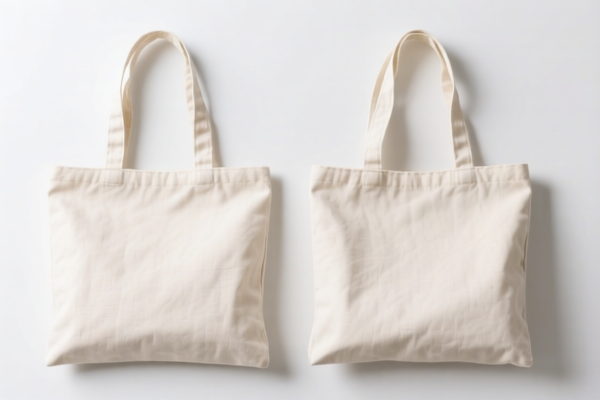
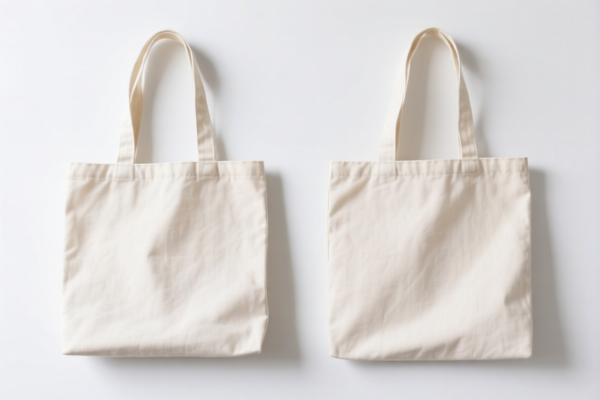
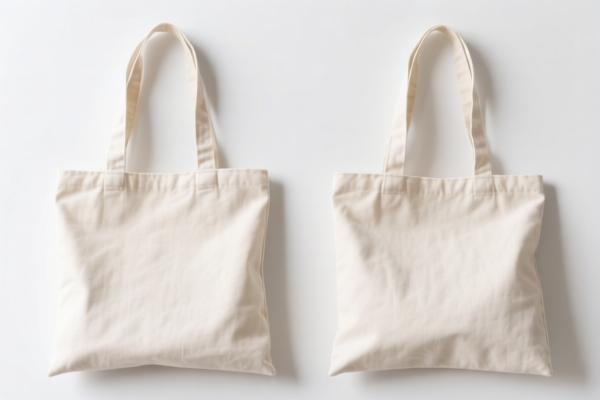
AI Analysis
👜 Cotton Handbags (Simple Style)
🌐 HS Code Reference & Customs Clearance Guide | 2026 Latest Tariff Analysis | Professional Clearance Strategy
📌 I. Product Definition & Classification: Do You Really Know "Cotton Handbags"?
Cotton handbags, characterized by their simple style, are portable containers made primarily of cotton fabric. In international trade, the classification of these bags depends heavily on their primary material and structural function. While they may appear similar, slight differences in construction (e.g., whether they are classified as "bags" under Chapter 63 or "handbags" under Chapter 42) drastically alter the tariff outcome.
⚠️ Key Distinction Point:
- If the bag is viewed as a general "textile bag/sack" (e.g., tote, shopping bag, dust bag) without specific handbag hardware/features → Classified under Chapter 63 (Other Made-up Textile Articles).
- If the bag is viewed specifically as a "handbag" (with handles, structure, for personal use) where the outer surface is textile → Classified under Chapter 42 (Articles of Leather or Composition Leather; Trunk, Suitcase, Handbag...).
📦 II. HS Code Classification Details (2026 Latest Tariff Authority Comparison)
| HS Code | Product Description | Application Scenario | Material/Structure Feature |
|---|---|---|---|
6305.20.00.00 |
Cotton fabric bags, form factor is bag/sack | Cotton tote bags, simple storage bags, dust bags | Primary material: Cotton; General "bag" classification |
6305.90.00.00 |
Other textile material bags (Cotton) | General textile bags not specified elsewhere | Primary material: Cotton; Broader "other textile bag" category |
4202.22.40.20 |
Cotton fabric handbags, outer surface textile (Cotton) | Personal handbags, shoulder bags with cotton exterior | Outer surface: Textile (Cotton); Specific "handbag" classification |
4202.22.89.30 |
Cotton fabric handbags, outer surface textile (Pure Cotton) | High-end or specific pure cotton handbags | Outer surface: Pure Cotton; Specific "other handbag" classification |
🔍 Critical Reminder:
- "Handbag" (Ch 42) vs. "Bag" (Ch 63): Customs often scrutinizes whether the item has the essential character of a handbag (handles, specific shape for personal items) vs. a general textile bag.
- Material Specificity: The distinction between4202.22.40.20and4202.22.89.30often hinges on whether the cotton is strictly "pure" and the exact sub-category of textile handbags in the destination country's tariff schedule.
- Misclassification Risk: Misclassifying a handbag as a general bag (6305) to avoid higher tariffs can lead to severe penalties, as Ch 42 items for Chinese origin often carry higher additional duties.
💰 III. 2026 Latest Tariff Rate Breakdown (Including Surtaxes & Policy Add-ons)
✅ Applicable Country: United States (US)
✅ Origin: China (CN)
✅ Effective Date: 2025/2026 (Current Trade Policy)
🎯 1. 6305.20.00.00 —— Cotton Fabric Bags (General Textile Bags)
| Item | Content |
|---|---|
| Base Tariff | 6.2% (ad valorem) |
| Section 301 Surtax | +7.5% (USITC Footnote for specific textile bags) |
| Section 122 Tariff | +10% (Targeted duty on certain textile/apparel imports) |
| Total Tariff | 23.7% |
| Tax Calculation | CIF Value × 23.7% |
| De Minimis Eligibility | ❌ Not Eligible (Subject to full duty collection) |
| Legal Path | USITC:6305.20.00.00 → 301:Section 301 List 4 → 122:Section 122 Authority |
📌 Explanation:
- Base 6.2%: Standard MFN rate for other made-up textile bags.
- +7.5%: Section 301 duty on specific textile goods from China.
- +10%: Section 122 duty applied to imports affecting national security in specific categories.
- Total 23.7%: Moderate to high cost, but significantly lower than the Ch 42 alternatives.
🎯 2. 6305.90.00.00 —— Other Textile Material Bags
| Item | Content |
|---|---|
| Base Tariff | 6.2% |
| Section 301 Surtax | +7.5% |
| Section 122 Tariff | +10% |
| Total Tariff | 23.7% |
| Tax Calculation | CIF Value × 23.7% |
| De Minimis Eligibility | ❌ Not Eligible |
| Legal Path | USITC:6305.90.00.00 → 301:Section 301 List 4 → 122:Section 122 Authority |
📌 Note:
- Same tariff structure as6305.20.00.00.
- Applies if the bag does not fit the specific "cotton sack/bag" definition but is still a general textile bag.
🎯 3. 4202.22.40.20 —— Cotton Fabric Handbags (Textile Outer)
| Item | Content |
|---|---|
| Base Tariff | 7.4% |
| Section 301 Surtax | +25.0% (Majority of Handbags under Ch 42 face 25% tariff) |
| Section 122 Tariff | +10% |
| Total Tariff | 42.4% |
| Tax Calculation | CIF Value × 42.4% |
| De Minimis Eligibility | ❌ Not Eligible |
| Legal Path | USITC:4202.22.40.20 → 301:Section 301 List 3/4 → 122:Section 122 Authority |
📌 Warning:
- 25% Section 301 Duty: This is the standard surtax for most handbags from China.
- Total 42.4%: This is a high-cost classification. Misclassifying this as6305(23.7%) is a common customs evasion tactic and carries high risk.
🎯 4. 4202.22.89.30 —— Cotton Fabric Handbags (Pure Cotton)
| Item | Content |
|---|---|
| Base Tariff | 17.6% |
| Section 301 Surtax | +25.0% |
| Section 122 Tariff | +10% |
| Total Tariff | 52.6% |
| Tax Calculation | CIF Value × 52.6% |
| De Minimis Eligibility | ❌ Not Eligible |
| Legal Path | USITC:4202.22.89.30 → 301:Section 301 List 3 → 122:Section 122 Authority |
📌 Critical Insight:
- Highest Tariff Bracket: This code has a significantly higher base rate (17.6%) compared to4202.22.40.20(7.4%).
- Total 52.6%: This is the most expensive classification.
- Why so high?: Specific "other" handbags may be viewed as luxury or non-essential, attracting higher base duties.
- Strategy: If your bag qualifies for4202.22.40.20(42.4%) instead of4202.22.89.30(52.6%), the saving is 10.2%. Ensure your product description and features align with the lower sub-heading.
🛠️ IV. Customs Clearance Practical Advice (Real-World Pitfall Guide)
✅ 1. Preparation Checklist (Non-Negotiable)
| Document | Required? | Notes |
|---|---|---|
| ✅ Product Photos | ✔️ | Clear images of handles, lining, hardware, and overall shape. |
| ✅ Material Composition | ✔️ | Specify % of Cotton (e.g., 100% Cotton, 80% Cotton/20% Polyester). |
| ✅ Detailed Description | ✔️ | "Simple style cotton handbag, no leather, textile handles." |
| ✅ Commercial Invoice | ✔️ | Must match HS Code classification exactly. |
| ✅ Packing List | ✔️ | Quantity, weight, dimensions. |
| ✅ Functionality Statement | ✔️ | Confirm if it's a "handbag" (personal use) or "bag" (storage/utility). |
✅ 2. Classification Strategy (Key Mnemonic)
🔥 “Shape & Hardware Determine Chapter 42; General Form Points to Chapter 63!”
| Scenario | Correct HS Code | Risk if Misclassified |
|---|---|---|
| Simple Tote/Shopping Bag (No rigid structure, general use) | 6305.20.00.00 (23.7%) |
If classified as Handbag → +20% extra tax |
| Personal Handbag (Handles, specific shape, for daily carry) | 4202.22.40.20 (42.4%) |
If classified as Bag → Under-declaration penalty |
| High-End Pure Cotton Handbag (Specific "other" type) | 4202.22.89.30 (52.6%) |
Avoid if possible; check if 4202.22.40.20 applies |
| Cotton Dust Bag/Pouch (No handles, for storage) | 6305.20.00.00 (23.7%) |
Ensure no "handbag" features (e.g., long straps) |
✅ 3. Special Handling Tips
| Situation | Recommendation |
|---|---|
| Mixed Materials | If cotton is not the primary material (e.g., cotton + synthetic), classification may shift. Ensure "Cotton" is the dominant feature for 6305.20 or 4202.22. |
| Handles | Leather handles on a cotton bag? Still classified as Cotton/Textile Handbag under Ch 42 if cotton is the main outer material. |
| Samples vs. Bulk | Samples may qualify for Section 321 (De Minimis) if under $800, but Commercial Bulk is fully taxed. |
| Origin Marking | Clearly mark "Made in China" on packaging to avoid origin disputes. |
🌍 V. Global Market Comparison (2026 Latest)
| Country/Region | Recommended HS Code | Tariff (China Origin) | Notes |
|---|---|---|---|
| 🇺🇸 USA | 4202.22.40.20 |
42.4% | High risk of Section 122 + 301 duties. |
| 🇺🇸 USA | 6305.20.00.00 |
23.7% | Only if classified as general textile bag. |
| 🇨🇳 China | 4202.22.40.20 |
~10-15% (Import Tariff) | Lower base rates. |
| 🇪🇺 EU | 4202.22.00 |
12% | No Section 301/122 surtaxes. |
| 🇬🇧 UK | 4202.22.00 |
12% | Post-Brexit tariffs apply. |
📌 Conclusion:
- US Market: The 18.7% difference between Ch 63 (23.7%) and Ch 42 (42.4%) is critical.
- Risk vs. Reward: Classifying a handbag as a "bag" (6305) to save tax is high-risk if Customs determines it has the essential character of a handbag.
- Strategy: If the bag is a simple tote with no distinct "handbag" hardware, argue for6305. If it’s a structured handbag, accept4202.22.40.20and factor in the 42.4% cost.
📌 VI. Common Errors & Pitfalls (Lessons Learned)
❌ Error 1: Classifying all cotton bags as 6305 (23.7%) regardless of shape.
👉 Consequence: Customs reclassification to 4202.22.40.20 → Back taxes + penalties.
❌ Error 2: Using 4202.22.89.30 (52.6%) when 4202.22.40.20 (42.4%) applies.
👉 Consequence: Overpaying 10.2% unnecessarily.
👉 Fix: Check sub-heading definitions carefully; 40.20 is often for standard textile handbags.
❌ Error 3: Ignoring Section 122 (10%) in tariff calculations.
👉 Consequence: Underestimating landed cost by 10%.
👉 Fix: Always include Base + 301 + 122 in cost models.
✅ Correct Approach:
"Cotton Handbag, Simple Style, Textile Handles, 100% Cotton Outer, For Personal Use" → Likely
4202.22.40.20(42.4%).
"Cotton Tote Bag, General Use, No Specific Hardware" → Likely6305.20.00.00(23.7%).
🎯 VII. Conclusion: Precision Classification Saves Money!
🎯 Key Takeaways:
🔹 "Simple Style" ≠ "Exempt from 301/122". All Chinese textile/handbag imports face surtaxes.
🔹 "Handbag" vs. "Bag" is a $20+/bag difference. Define your product structure clearly.
🔹4202.22.89.30is a Trap. Avoid it if4202.22.40.20fits your product.
📌 Pro Tip:
If you are unsure, request an Advance Ruling (Pre-Ruling) from US Customs (CBP) before shipping. The cost of a ruling is far less than the cost of reclassification penalties.
📣 Immediate Action:
📞 Contact Your Broker: Provide detailed photos and material specs.
📝 Review Invoice Descriptions: Ensure they match the HS Code intent (e.g., "Handbag" vs. "Tote Bag").
🚀 Plan Your Landed Cost: Include 23.7% (if Ch 63) or 42.4-52.6% (if Ch 42) in your pricing model.
✨ Professional Clearance Starts with Accurate Classification!
💼 Your Profit Margin Depends on It!
Customer Reviews
About HS Code Classification
The Harmonized System (HS) is an internationally standardized nomenclature developed by the World Customs Organization (WCO) to classify traded products. Over 200 countries use the HS system as the basis for customs tariffs, trade statistics, and import/export regulations.
Each HS code follows a hierarchical structure:
- Chapter (2 digits) — Broad category of goods (e.g., Chapter 84: Machinery and Mechanical Appliances)
- Heading (4 digits) — More specific grouping within the chapter
- Subheading (6 digits) — Internationally standardized breakdown, used by all WCO member countries
- National subdivisions (8-10 digits) — Country-specific extensions for further classification, such as US HTSUS 10-digit codes
Correct HS code classification is essential for smooth customs clearance, accurate duty payment, and compliance with trade regulations. Misclassification can lead to customs delays, overpayment of duties, or penalties.
When importing from CN to US, the applicable tariff rates may include:
- Most-Favored-Nation (MFN) rate — The standard duty rate applied to WTO members
- General rate — Applied to countries without trade agreements
- Trade remedy duties — Additional tariffs such as Section 301 (anti-dumping), Section 232 (national security), or countervailing duties
The information provided on this page is for reference purposes only. For official classification, please consult with your local customs authority or a licensed customs broker.