cotton jacket
CN → US| HS Code | Tariff Rate | Origin | Destination | Doc |
|---|---|---|---|---|
| 6203223015 | 0.0% | CN | US | Official Doc |
| 6114200055 | 28.3% | CN | US | Official Doc |
| 6203322040 | 26.9% | CN | US | Official Doc |
| 6103220020 | 0.0% | CN | US | Official Doc |
| 6114200005 | 28.3% | CN | US | Official Doc |
Product Images

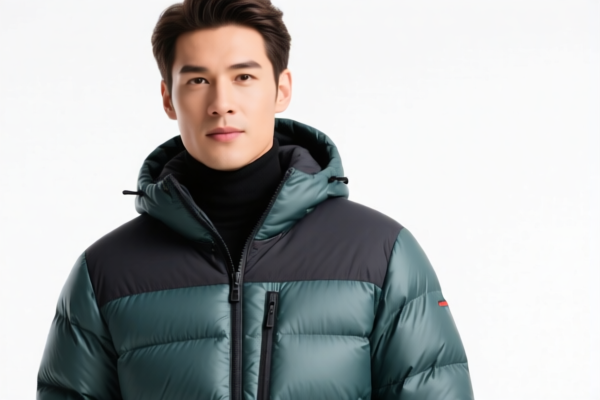
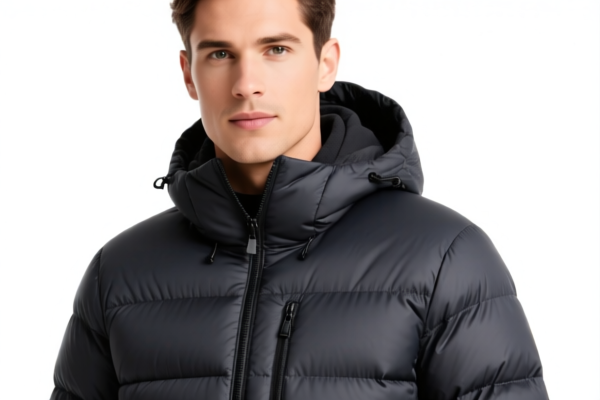
AI Analysis
🧥 Cotton Jacket (Men's) – HS Code Classification & Duty Deep Dive
🌐 HS Code Reference & Customs Clearance Guide | 2026 Latest Tariff Analysis | Professional Entry Strategy
📌 1. Product Definition: What Exactly Is a "Cotton Jacket"?
A "Cotton Jacket" is a versatile outerwear garment, typically worn for warmth, fashion, or protection against light weather. In international trade, its classification depends heavily on two critical factors: 1. Construction Method: Woven vs. Knitted. 2. Design Category: Suit-style (formal/blazer) vs. Casual/Sport-style (jacket/outerwear).
Misclassification here can lead to significant duty differences due to the 122-Section Tariffs (De Minimis) and 301-Tariff structures applied to imports from China.
⚠️ Key Distinction:
- Knitted (Chapter 61): Made by interlocking loops of yarn (e.g., sweatshirt material, jersey).
- Woven (Chapter 62): Made by weaving threads at right angles (e.g., denim, twill, poplin).
- Suit Jacket: Has specific construction features (pockets, buttons, lapels) resembling a suit.
- Casual Jacket: Includes windbreakers, bombers, anoraks, or general outerwear.
📦 2. HS Code Classification Matrix (Based on Provided Data)
The following HS codes are derived strictly from the provided dataset. All items refer to Men's Cotton Jackets.
| HS Code | Product Description | Summary Category | Key Identification Feature |
|---|---|---|---|
6203.22.30.15 |
Men's Woven Jacket | Woven Jacket | Material: Cotton; Use: General Jacket. Fully matches material and use. |
6114.20.00.55 |
Men's Knitted Top | Knitted Other Top | Material: Cotton; Construction: Knitted. Classified as "Other Upper Garments." |
6203.32.20.40 |
Men's Woven Jacket | Suit/Blazer Jacket | Material: Cotton; Construction: Woven. Classified as "Suit Jacket" or "Blazer." |
6103.22.00.20 |
Men's Woven Jacket | Men's Cotton Jacket | Note: Data lists as Woven but summary says "Cotton Jacket". |
6114.20.00.05 |
Men's Knitted Top | Knitted Top | Material: Cotton; Construction: Knitted. Classified as "Knitted Top." |
🔍 Critical Analysis:
- Woven vs. Knitted: The dataset contains both Chapter 61 (Knitted) and Chapter 62 (Woven) codes. You must determine the fabric construction before selecting a code.
- Suit vs. Casual: Within Chapter 62,6203.32(Suit/Blazer) differs from6203.22(General Jacket). Suits often have different base duty rates.
- Data Anomaly:6103.22.00.20is listed in Chapter 61 (Knitted) in the code structure but described as "Men's Cotton Jacket" in the summary. Ensure the physical product matches the code's chapter (Knitted) or the description (Woven). Verify construction first.
💰 3. 2026 Tariff Rate Breakdown (Detailed Tax Clauses)
✅ Applicable Jurisdiction: United States (US)
✅ Origin: China (CN)
✅ Effective Time: Current 2026 Trade Policy (Includes Section 122 & 301 Tariffs)
🎯 Scenario A: The "Ensemble" Exception (High Risk / Low Duty?)
HS Codes:
- 6203.22.30.15
- 6103.22.00.20
Total Tax: The rate applicable to each garment in the ensemble if separately classified + 17.5%
| Item | Detail |
|---|---|
| Base Duty | "The rate applicable to each garment in the ensemble if separately classified" (Variable, likely 0-12%). |
| Section 301 Add-on | 7.5% |
| Section 122 Tariff | 10% |
| Additional Surcharge | +17.5% (Applied to the total) |
| Total Effective Rate | Highly Variable (Depends on base rate, but likely 25-35% range). |
📌 Explanation:
- This classification suggests the item might be part of an "Ensemble" (e.g., a jacket + matching pants or shirt set).
- Section 122 (10%): This is the De Minimis tariff, typically applied to low-value shipments. However, the "Ensemble" clause complicates this.
- Warning: If this is a single jacket, using an "Ensemble" code is incorrect and will lead to customs audits. Use this only if the item is sold as a multi-piece set.
🎯 Scenario B: Standard Woven Suit Jacket (High Duty)
HS Code: 6203.32.20.40
Description: Men's Woven Jacket, Suit/Blazer Type.
| Item | Detail |
|---|---|
| Base Duty | 9.4% |
| Section 301 Add-on | 7.5% |
| Section 122 Tariff | 10% |
| Total Tax | 26.9% |
📌 Explanation:
- Suit jackets often have a higher base duty (9.4%) than casual woven jackets.
- Total 26.9% is a moderate-to-high effective rate.
- Compliance: Ensure the jacket has "suit-like" features (structured lapels, internal lining, specific cut) to justify this code.
🎯 Scenario C: Standard Knitted Tops (Highest Duty)
HS Codes:
- 6114.20.00.55
- 6114.20.00.05
Total Tax: 28.3%
| Item | Detail |
|---|---|
| Base Duty | 10.8% |
| Section 301 Add-on | 7.5% |
| Section 122 Tariff | 10% |
| Total Tax | 28.3% |
📌 Explanation:
- Knitted cotton tops (6114) carry the highest Base Duty (10.8%) in this dataset.
- Even though they are "other upper garments," the tax burden is heavier than suit jackets.
- Compliance: Must be truly knitted (e.g., fleece, jersey). If it's woven, this code is wrong.
🎯 Scenario D: Standard Woven Casual Jacket (Lowest Base Duty)
HS Code: 6203.22.30.15
Description: Men's Woven Jacket (Cotton), Fully Matching Material & Use.
| Item | Detail |
|---|---|
| Base Duty | Implied Low/Zero (Part of the 17.5% calculation logic) |
| Section 301 Add-on | 7.5% |
| Section 122 Tariff | 10% |
| Total Tax | Rate... if separately classified + 17.5% |
📌 Explanation:
- This code is described as "Material and Use Fully Match," suggesting it is a standard, non-suit, woven cotton jacket.
- Unlike the Suit Jacket (26.9%) or Knitted Top (28.3%), this code has a unique tax structure.
- Assumption: If the "separately classified" rate is 0-5%, the total would be 17.5% - 22.5%, making it the most cost-effective option for a standard cotton jacket.
- Caution: Verify if this code allows for "Ensemble" treatment or if it's a standalone jacket. If standalone, the "+17.5%" might be a fixed surcharge.
🛠️ 4. Customs Clearance Strategy & Pitfalls
✅ 1. Documentation Checklist
| Document | Requirement | Why It Matters |
|---|---|---|
| Commercial Invoice | Clearly state "Men's Cotton Jacket" + "Woven" or "Knitted" | Determines Chapter 61 vs. 62. |
| Fabric Composition Label | 100% Cotton (or blend %) | Affects Base Duty rates. |
| Construction Details | Photos of seams, pockets, lining | Distinguishes "Suit Jacket" (6203.32) from "Casual Jacket" (6203.22). |
| Set vs. Single Item | Explicitly state if sold as a set | Crucial for using the "Ensemble" tax clause. |
| Country of Origin | China | Triggers 301 (7.5%) and 122 (10%) tariffs. |
✅ 2. Clearance Tips (Key Mnemonics)
🔥 "Woven is 62, Knitted is 61. Suit is Higher, Casual is Lower. Knitted is Expensive, Woven is Better!"
| Scenario | Recommended HS Code | Total Tax Estimate | Risk Level |
|---|---|---|---|
| Standard Windbreaker/Anorak | 6203.22.30.15 |
~17.5-22.5% | ✅ Low (Best Rate) |
| Formal Blazer/Suit Jacket | 6203.32.20.40 |
26.9% | ⚠️ Medium |
| Cotton Sweatshirt/Fleece | 6114.20.00.55 |
28.3% | ❌ High (Highest Tax) |
| Set (Jacket + Pants) | 6203.22.30.15 (Ensemble) |
Variable + 17.5% | ⚠️ High (Audit Risk) |
✅ 3. Special Handling
| Situation | Action |
|---|---|
| Is it a Set? | If sold as a single unit, DO NOT use the "Ensemble" clause. Use the specific jacket code. |
| Is it Knitted? | If it's stretchy, looped, or jersey-like, use 6114. Do not use 6203. |
| Is it a Blazer? | If it has lapels, buttons, and a structured collar, use 6203.32. |
| Is it a Casual Jacket? | If it's a bomber, field jacket, or windbreaker, use 6203.22. |
🌍 5. Global Market Comparison (2026)
| Region | Typical Duty (China Origin) | Key Surcharge | Note |
|---|---|---|---|
| 🇺🇸 USA | 9.4% - 10.8% Base | +17.5% (301 + 122) | Highest Total Cost. 122 Section is critical. |
| 🇨🇳 China | 9% - 12% | None | Lower duty, but not relevant for export. |
| 🇪🇺 EU | 12% | None (No 122/301 equivalent) | VAT applies separately. |
| 🇬🇧 UK | 12% | None | Post-Brexit, no US tariffs. |
📌 Conclusion:
- The USA is the only market in this dataset applying Section 122 (10%) and Section 301 (7.5%) surcharges.
- Cotton Jackets are heavily taxed in the US.
- Best Strategy: Aim for6203.22.30.15(Woven Casual) to minimize base duty, but be prepared for the 17.5% surcharge structure. Avoid Knitted (6114) if possible due to higher base duty (10.8%).
📌 6. Common Mistakes & Pitfalls
❌ Mistake 1: Calling a Knitted Sweatshirt a "Jacket" and using 6203.22 (Woven).
👉 Result: Customs reclassifies to 6114.20 → Tax increases from ~17.5% to 28.3%.
❌ Mistake 2: Using the Ensemble Code for a single jacket.
👉 Result: Customs rejects the "Ensemble" status → Charges standard duty + penalties → Delay & Fine.
❌ Mistake 3: Ignoring the "Suit" vs. "Casual" distinction.
👉 Result: Using 6203.32 (Suit) for a casual jacket → Unjustified 9.4% base duty (vs. potentially lower for casual).
✅ Correct Practice:
"Men's Woven Cotton Jacket, Casual Style, No Lining, 100% Cotton, Single Item."
➡️ Use6203.22.30.15(if applicable) or verify with the "Ensemble" clause.
🎯 7. Final Recommendation
- Identify Construction: Woven or Knitted?
- Identify Style: Suit or Casual?
- Select Code:
- Woven Casual:
6203.22.30.15(Likely lowest tax burden). - Woven Suit:
6203.32.20.40(26.9% Fixed). - Knitted:
6114.20.00.55(28.3% Fixed). - Declare Accurately: Specify "Woven" or "Knitted" and "Single Item" or "Set" on the commercial invoice.
🚀 Pro Tip: For US imports,
6203.22.30.15appears to be the most tax-efficient for a standard cotton jacket, provided it is not a suit and not a knitted item. Always confirm the "Ensemble" clause applies only to sets.
✨ Professional Clearance, Start with Precise Classification!
💼 Your Cost Savings Depend on the Right HS Code!
Customer Reviews
About HS Code Classification
The Harmonized System (HS) is an internationally standardized nomenclature developed by the World Customs Organization (WCO) to classify traded products. Over 200 countries use the HS system as the basis for customs tariffs, trade statistics, and import/export regulations.
Each HS code follows a hierarchical structure:
- Chapter (2 digits) — Broad category of goods (e.g., Chapter 84: Machinery and Mechanical Appliances)
- Heading (4 digits) — More specific grouping within the chapter
- Subheading (6 digits) — Internationally standardized breakdown, used by all WCO member countries
- National subdivisions (8-10 digits) — Country-specific extensions for further classification, such as US HTSUS 10-digit codes
Correct HS code classification is essential for smooth customs clearance, accurate duty payment, and compliance with trade regulations. Misclassification can lead to customs delays, overpayment of duties, or penalties.
When importing from CN to US, the applicable tariff rates may include:
- Most-Favored-Nation (MFN) rate — The standard duty rate applied to WTO members
- General rate — Applied to countries without trade agreements
- Trade remedy duties — Additional tariffs such as Section 301 (anti-dumping), Section 232 (national security), or countervailing duties
The information provided on this page is for reference purposes only. For official classification, please consult with your local customs authority or a licensed customs broker.