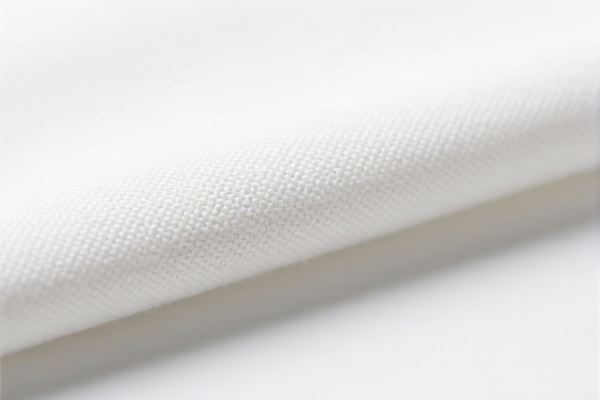
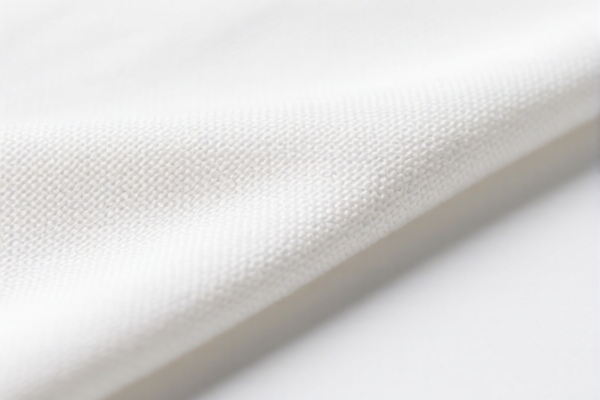
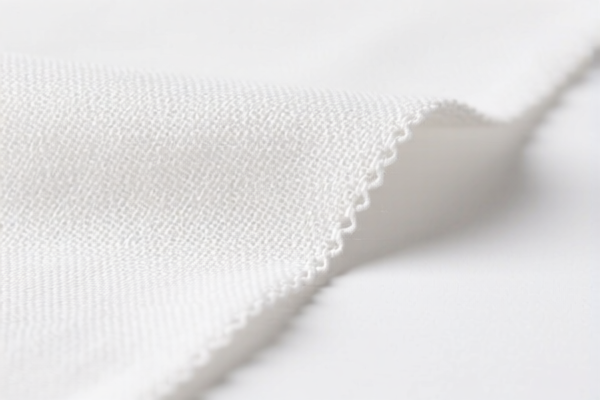
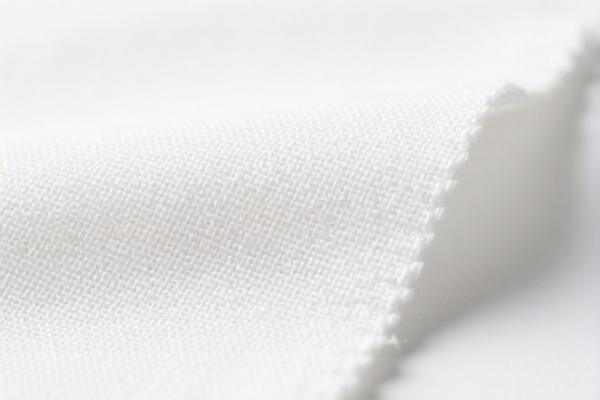
cotton satin/twill fabric
CN → USProduct Images
AI Analysis
🧵 Cotton Satin/Twill Fabric: HS Code Classification & Customs Clearance Guide 2026
🌐 HS Code Reference & Customs Strategy | 2026 Latest Tariff Analysis | Professional Clearance Protocol
📌 I. Product Definition & Classification: Do You Really Understand "Cotton Satin/Twill"?
Cotton satin and twill fabrics are foundational textiles used in home decor, apparel, and industrial applications. In international trade, the classification depends strictly on two factors:
1. Cotton Content (%): Determines if it is "85% or more cotton" or "less than 85% cotton".
2. Fabric Structure: Specifically "Satin" (Sateen) or "Twill" weaves.
⚠️ Key Distinction Point:
- If the fabric is decorative and meets specific cotton/content requirements → It may fall under 5208.49.20.00.
- If the fabric is a general woven fabric with cotton content ≥85% → It falls under 5208.43.00.00.
- If the fabric is a general woven fabric with cotton content <85% → It falls under 5211.39.00.40 or 5211.59.00.40.
- If the fabric is a general woven fabric not covered above (often higher base duty) → It falls under 5210.49.20.00.
📦 II. HS Code Classification Details (2026 Latest Tariff Authority Comparison)
| HS Code | Product Description | Applicable Scenario | Cotton Content |
|---|---|---|---|
5208.49.20.00 |
Cotton woven decorative fabric, satin or twill, meeting cotton content requirements | Decorative home textiles, specific decorative fabrics | Meets specific criteria |
5208.43.00.00 |
Cotton woven fabric, satin or twill, containing ≥85% cotton | General cotton satin/twill sheets, curtains, apparel | ≥85% |
5211.39.00.40 |
Cotton woven fabric, satin or twill, meeting structural descriptions | Blended cotton satins/twills | <85% (Blended) |
5211.59.00.40 |
Cotton woven fabric, satin or twill, cotton content <85% | Blended cotton satins/twills (other sub-categories) | <85% (Blended) |
5210.49.20.00 |
Cotton woven fabric, satin or twill, meeting general satin/twill features | General cotton satins/twills not covered in Ch. 5208/5211 specific sub-heads | Varies (Usually <85% or different weight) |
🔍 Critical Reminder:
- Ch. 5208 applies to woven fabrics of cotton weighing not more than 200 g/m².
- Ch. 5211 applies to woven fabrics of cotton weighing more than 200 g/m².
- The classification into "Decorative" (5208.49) vs. "General" (5208.43) is vital for tariff accuracy.
- Cotton Content is King: Misdeclaring blended fabric as 100% cotton can lead to severe penalties.
💰 III. 2026 Latest Tariff Rate Details (Including Additional Taxes, Policy Add-ons)
✅ Applicable Country: United States (US)
✅ Origin: China (CN)
✅ Effective Time: 2025/2026 (Ongoing Trade War Measures)
🎯 1. 5208.49.20.00 & 5208.43.00.00 —— Cotton Decorative/High-Cotton Satin & Twill
| Item | Details |
|---|---|
| Base Tariff Rate | 0.0% (ad valorem) |
| Section 301 Additional Tariff | +25.0% (USITC Footnote 9903.88.01) |
| Section 122 Tariff | +10.0% (Specific to this category) |
| Total Tariff Rate | 35.0% |
| Tax Calculation | CIF Value × 35% |
| De Minimis Exemption | ❌ Not Eligible (deny_de_minimis) |
| Legal Basis Path | Section 122: 19 USC 1304 → Section 301: 19 USC 2411 → USITC: 5208.xx.xx.xx |
📌 Explanation:
- "Base 0%": Standard MFN rate is low/zero for these specific decorative/high-cotton items.
- "Section 301 25%": The major trade war tariff imposed on Chinese goods.
- "Section 122 10%": An additional tariff specifically targeting certain textile/cotton products under Section 122 of the Trade Act.
- Total 35% is the final landed duty cost before other fees.
🎯 2. 5211.39.00.40 & 5211.59.00.40 —— Blended Cotton Satin/Twill (<85% Cotton)
| Item | Details |
|---|---|
| Base Tariff Rate | 8.1% (ad valorem) |
| Section 301 Additional Tariff | +25.0% |
| Section 122 Tariff | +10.0% |
| Total Tariff Rate | 43.1% |
| Tax Calculation | CIF Value × 43.1% |
| De Minimis Exemption | ❌ Not Eligible (deny_de_minimis) |
| Legal Basis Path | Section 122 → Section 301 → USITC: 5211.xx.xx.xx |
📌 Note:
- The base duty is higher (8.1%) for blended fabrics in Chapter 5211 compared to Chapter 5208 decorative items.
- Total 43.1% makes these imports significantly more expensive.
- Ensure your blend ratio (e.g., 65% cotton / 35% polyester) is accurately declared to avoid misclassification.
🎯 3. 5210.49.20.00 —— General Cotton Satin/Twill (Other)
| Item | Details |
|---|---|
| Base Tariff Rate | 10.0% (ad valorem) |
| Section 301 Additional Tariff | +25.0% |
| Section 122 Tariff | +10.0% |
| Total Tariff Rate | 45.0% |
| Tax Calculation | CIF Value × 45.0% |
| De Minimis Exemption | ❌ Not Eligible (deny_de_minimis) |
| Legal Basis Path | Section 122 → Section 301 → USITC: 5210.49.20.00 |
📌 Caution:
- This category often catches fabrics that do not fit the specific weight or cotton content definitions of Ch. 5208/5211.
- Highest Total Rate (45%): This is the most costly classification.
- Prevention: Ensure your fabric's weight (g/m²) and composition are clearly documented to see if it can be classified under the cheaper5208codes (35%).
🛠️ IV. Customs Clearance Practical Advice (Combat Pitfalls Guide)
✅ 1. Required Documentation Checklist (Non-negotiable)
| Document | Mandatory | Description |
|---|---|---|
| ✅ Product Spec Sheet | ✔️ | Must include: Weight (g/m²), Fiber Composition %, Weave Type (Satin/Twill), Width |
| ✅ Lab Test Report | ✔️ | Third-party verification of cotton content (e.g., SGS, Intertek). Crucial for ≥85% vs <85% |
| ✅ Product Photos | ✔️ | Clear images showing weave texture (twill lines vs satin shine) |
| ✅ Commercial Invoice | ✔️ | Must state: "Cotton Satin/Twill Fabric, Woven, Origin: China" |
| ✅ Packing List | ✔️ | Details rolls, weight, and dimensions |
✅ 2. Declaration Tips (Critical Mnemonic)
🔥 “Weight Defines Chapter, Content Defines Sub-head, Origin Defines Tariff!”
| Scenario | Correct Declaration | Error Consequence |
|---|---|---|
| Fabric weight ≤200 g/m² | Ch. 5208 | Misdeclare as Ch. 5211 → Audit risk |
| Fabric weight >200 g/m² | Ch. 5211 | Misdeclare as Ch. 5208 → Penalties |
| Cotton ≥85% | 5208.43 or 5211.39 |
Declare as blended → Higher tax? Or lower? Depends. |
| Cotton <85% | 5211.39/5211.59 |
Declare as 100% cotton → Fraud! Heavy fines. |
| Decorative Use | 5208.49.20.00 |
Declare as general fabric → 43.1% vs 35% savings lost |
✅ 3. Special Case Handling
| Case | Handling Suggestion |
|---|---|
| Mixed Cotton Content | Provide precise % (e.g., 85.1% vs 84.9%). The 0.1% difference changes the HS code from 5208 to 5211. |
| Decorative Claim | Provide evidence (e.g., usage in upholstery, curtains) to support 5208.49.20.00 if applicable. |
| Section 122 Eligibility | Confirm if the product is explicitly listed under Section 122. Most cotton textiles are included. |
| Origin Marking | Ensure goods are marked "Made in China" to comply with country-of-origin labeling. |
🌍 V. Global Market Comparison (2026 Latest)
| Country/Region | Recommended HS Code | Tariff (China Origin) | Certification | Notes |
|---|---|---|---|---|
| 🇺🇸 USA | 5208.43.00.00 etc. |
35% - 45% | No special certs | High due to Sec 301 + Sec 122 |
| 🇨🇳 China | 5208.43.00.00 etc. |
~7-8% | None | Domestic consumption |
| 🇪🇺 EU | 5208.43.00.00 etc. |
4% - 12% | REACH, Oeko-Tex | No Section 301 equivalent |
| 🇬🇧 UK | 5208.43.00.00 etc. |
4% - 12% | UKCA, REACH | Post-Brexit rules apply |
📌 Conclusion:
- USA is the most expensive market for Chinese cotton fabrics due to the叠加 (stacked) tariffs.
- Cost Optimization: If possible, explore Ch. 5208.49.20.00 (35%) over Ch. 5210 (45%) by ensuring proper weight/composition compliance.
📌 VI. Common Mistakes & Pitfalls (Blood & Tears Lessons)
❌ Mistake 1: Declaring 100% cotton when it is 65% cotton/35% polyester
👉 Consequence: Classified under 5211.39.00.40 (43.1%) instead of a lower rate, or fraud charges if audited.
❌ Mistake 2: Ignoring fabric weight (g/m²)
👉 Consequence: Wrong Chapter (5208 vs 5211). Customs will reject the entry, causing delays and storage fees.
❌ Mistake 3: Not specifying "Satin" or "Twill" in description
👉 Consequence: Customs may apply a higher "Other Woven Fabrics" rate (up to 45%).
❌ Mistake 4: Assuming De Minimis ($800) exemption applies
👉 Consequence: Deny! Section 301 and 122 tariffs apply even to small parcels from China.
✅ Correct Practice:
"Cotton Satin Fabric, Woven, 150 GSM, 65% Cotton/35% Polyester, 58" Width, Made in China, HS 5211.39.00.40"
🎯 VII. Conclusion: Precision Classification Saves Money!
🎯 Remember the Mnemonic:
🔹 "Weight <200 is Ch5208, >200 is Ch5211"
🔹 "Cotton ≥85% is Ch5208.43, Blended is Ch5211"
🔹 "Sec 301 + Sec 122 = 35-45% Tax"
🔹 "Declare Accurately, Avoid Audits!"
📌 Pro Tip:
If your fabric qualifies as Decorative Satin/Twill under 5208.49.20.00, you save 8-10% compared to general fabrics. Ensure your product marketing and specs align with "Decorative" use to qualify for this lower base rate (0% base vs 8-10% base).
📣 Immediate Action:
📞 Contact your customs broker with Lab Test Reports confirming fiber content.
🚀 Verify HS Code Pre-ruling with CBP if shipment volume is large.
💡 Optimize Supply Chain: Consider transshipment to non-tariff countries if economically viable (note: Transshipment of Chinese origin goods may still be subject to penalties).
✨ Professional Clearance Starts with Accurate Classification!
💼 Every percentage point in tariff is pure profit impact!
Customer Reviews
About HS Code Classification
The Harmonized System (HS) is an internationally standardized nomenclature developed by the World Customs Organization (WCO) to classify traded products. Over 200 countries use the HS system as the basis for customs tariffs, trade statistics, and import/export regulations.
Each HS code follows a hierarchical structure:
- Chapter (2 digits) — Broad category of goods (e.g., Chapter 84: Machinery and Mechanical Appliances)
- Heading (4 digits) — More specific grouping within the chapter
- Subheading (6 digits) — Internationally standardized breakdown, used by all WCO member countries
- National subdivisions (8-10 digits) — Country-specific extensions for further classification, such as US HTSUS 10-digit codes
Correct HS code classification is essential for smooth customs clearance, accurate duty payment, and compliance with trade regulations. Misclassification can lead to customs delays, overpayment of duties, or penalties.
When importing from CN to US, the applicable tariff rates may include:
- Most-Favored-Nation (MFN) rate — The standard duty rate applied to WTO members
- General rate — Applied to countries without trade agreements
- Trade remedy duties — Additional tariffs such as Section 301 (anti-dumping), Section 232 (national security), or countervailing duties
The information provided on this page is for reference purposes only. For official classification, please consult with your local customs authority or a licensed customs broker.