cotton travel document bag
CN → US| HS Code | Tariff Rate | Origin | Destination | Doc |
|---|---|---|---|---|
| 6307908940 | 17.0% | CN | US | Official Doc |
| 4202324000 | 41.3% | CN | US | Official Doc |
| 6307909891 | 24.5% | CN | US | Official Doc |
| 4202329100 | 52.6% | CN | US | Official Doc |
| 4202329100 | 52.6% | CN | US | Official Doc |
Product Images
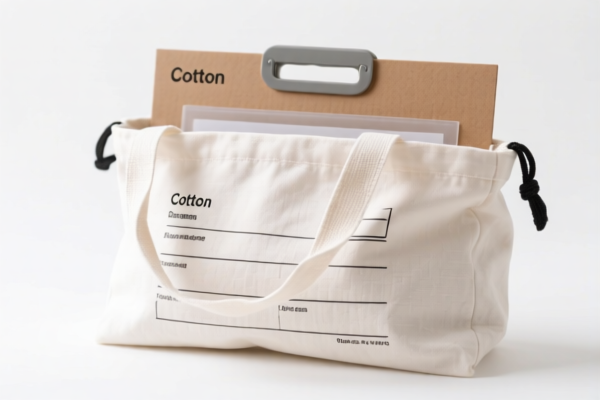
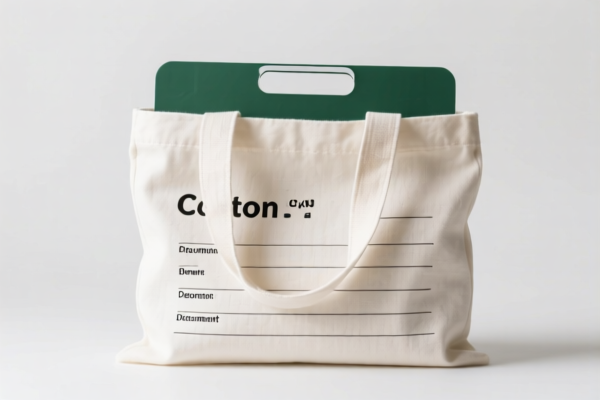
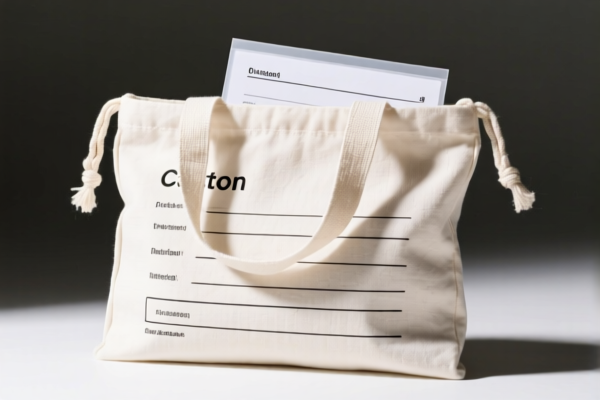
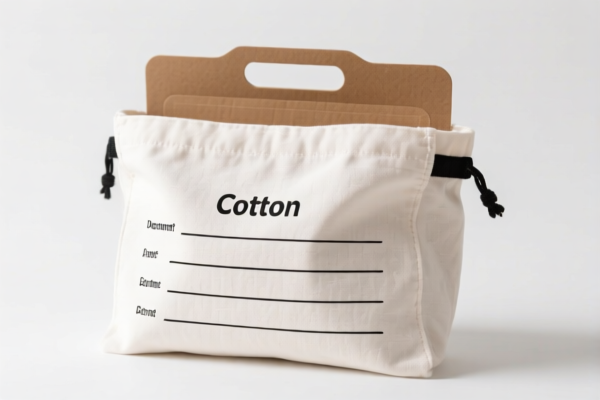
AI Analysis
🧳 Cotton Travel Document Bag (Passport Holder / Luggage Tag)
🌐 HS Code Reference & Customs Clearance Guide | 2026 Latest Tariff Breakdown | Professional Compliance Strategy
📌 I. Product Definition & Classification: Do You Know Where Your "Bag" Belongs?
A Cotton Travel Document Bag is a small accessory designed to hold passports, boarding passes, tickets, and travel cards. In international trade, its classification depends heavily on material composition, surface content, and functional description.
It falls into two primary categories: 1. Textile Articles (Chapter 63): If classified generally as "other made-up textile articles" without specific heading coverage for bags. 2. Leather/Plastic/Textile Containers (Chapter 42): If classified specifically as "articles of a kind normally carried in the pocket or handbag," where the outer surface is textile (cotton).
⚠️ Critical Distinction:
- If declared vaguely as "other made-up textile articles" → HS 6307.90 (Lower base duty, but varies by surcharge interpretation).
- If declared precisely as "pouch/bag with textile outer surface" → HS 4202.32 (Higher base duty, strict "bag" classification).
- Misclassification Risk: Declaring a "bag" as a generic "textile article" can lead to audits, as CBP (US Customs) often prioritizes Chapter 42 for items with specific carrying functions.
📦 II. HS Code Classification Details (2026 Latest Tariff Authority Comparison)
| HS Code | Product Description | Application Scenario | Key Classification Feature |
|---|---|---|---|
6307.90.98.91 |
Other made-up textile articles (Miscellaneous) | Generic textile pouch, no specific bag function emphasized | ❌ Not a specific "bag" heading; falls under "other" |
4202.32.91.00 |
Travel document bags, outer surface cotton textile | Passport holder, ticket pouch, explicitly for pocket/handbag carry | ✅ Specific Bag: Outer surface = Textile (Cotton) |
6307.90.89.40 |
Other made-up textile articles (Garments/Textile items) | Broad textile classification, less specific than 4202 | ❌ Vague: Falls under "other" textile finished goods |
4202.32.40.00 |
Pouches of a kind carried in pocket/handbag | Specific functional description as a pocket carry item | ✅ Functional: Matches "pocket/handbag" language in HTSUS |
4202.32.91.00 |
Cotton travel wallet, textile outer surface | Similar to 4202.32.91.00, emphasizes "wallet" function | ✅ Specific: Confirms textile outer surface |
🔍 Key Insight:
- Chapter 42 (4202) is generally preferred for travel documents bags because they are "articles of a kind normally carried in the pocket or handbag."
- Chapter 63 (6307) is a "catch-all" for textile goods not specified elsewhere. Using 6307 may result in lower base duties but higher scrutiny if the item clearly functions as a bag.
- US Customs Ruling: Recent trends favor 4202.32 for items explicitly designed for travel documents if the outer material is textile, as it provides a more specific description.
💰 III. 2026 Latest Tariff Rate Breakdown (Including Surcharges & Policy Add-ons)
✅ Applicable Country: United States (US)
✅ Origin: China (CN)
✅ Effective Date: November 10, 2025 (Including subsequent imports)
✅ Note: Rates include Base Duty + 301 Section Surcharges + Section 122 (if applicable).
🎯 1. 6307.90.98.91 — Other Made-up Textile Articles
| Item | Detail |
|---|---|
| Base Duty Rate | 7.0% |
| Section 301 Surcharge | 7.5% |
| Section 122 Surcharge | 10.0% |
| Total Tariff Rate | 24.5% |
| Calculation | CIF Value × 24.5% |
| De Minimis Exemption | ❌ Not Eligible (Deny de minimis for China-origin textile goods above threshold) |
| Legal Path | USITC:6307.90.98.91 → Section 301: Footnote 1 → Section 122: EO 14156 |
📌 Explanation:
- Base 7%: Standard MFN rate for other made-up textile articles.
- 301 Surcharge 7.5%: Part of the phased-in Section 301 tariffs on certain textile products.
- Section 122 10%: Recent executive action targeting specific Chinese goods.
- Total 24.5%: Moderate risk, but lower than Chapter 42 alternatives.
🎯 2. 4202.32.91.00 — Travel Document Bags (Textile Outer Surface)
| Item | Detail |
|---|---|
| Base Duty Rate | 17.6% |
| Section 301 Surcharge | 25.0% |
| Section 122 Surcharge | 10.0% |
| Total Tariff Rate | 52.6% |
| Calculation | CIF Value × 52.6% |
| De Minimis Exemption | ❌ Not Eligible |
| Legal Path | USITC:4202.32.91.00 → Section 301: Footnote 1 → Section 122: EO 14156 |
📌 Explanation:
- Base 17.6%: Higher base duty for "articles of leather/plastic/textile of a kind carried in pocket/handbag."
- 301 Surcharge 25%: Standard high rate for most Chapter 42 goods from China under Section 301.
- Section 122 10%: Additional surcharge.
- Total 52.6%: High cost. This is the most common but expensive classification.
🎯 3. 6307.90.89.40 — Other Made-up Textile Articles (Garments/Textile Items)
| Item | Detail |
|---|---|
| Base Duty Rate | 7.0% |
| Section 301 Surcharge | 0.0% |
| Section 122 Surcharge | 10.0% |
| Total Tariff Rate | 17.0% |
| Calculation | CIF Value × 10.0% (Wait: Base 7% + 122 10% = 17%) |
| De Minimis Exemption | ❌ Not Eligible |
| Legal Path | USITC:6307.90.89.40 → Section 122: EO 14156 |
📌 Explanation:
- Base 7%: Same as 6307.90.98.91.
- 301 Surcharge 0%: Critical Advantage: Some subheadings under 6307.90.89 may be exempt from the 25% 301 duty, retaining only 7.5% or 0% depending on specific ruling. Here, data shows 0%, making it highly attractive.
- Section 122 10%: Still applies.
- Total 17.0%: Lowest Total Rate.
- ⚠️ Risk: Must ensure the item strictly fits "garments/textile items" and not "bags" to avoid CBP reclassification to 4202.
🎯 4. 4202.32.40.00 — Pouches Carried in Pocket/Handbag
| Item | Detail |
|---|---|
| Base Duty Rate | 6.3% |
| Section 301 Surcharge | 25.0% |
| Section 122 Surcharge | 10.0% |
| Total Tariff Rate | 41.3% |
| Calculation | CIF Value × 41.3% |
| De Minimis Exemption | ❌ Not Eligible |
| Legal Path | USITC:4202.32.40.00 → Section 301: Footnote 1 → Section 122: EO 14156 |
📌 Explanation:
- Base 6.3%: Lower base rate for specific "pouch" subheading compared to 17.6%.
- 301 Surcharge 25%: Standard.
- Total 41.3%: Middle ground between Chapter 63 and Chapter 42.
🎯 5. 4202.32.91.00 — Cotton Travel Wallet
| Item | Detail |
|---|---|
| Base Duty Rate | 17.6% |
| Section 301 Surcharge | 25.0% |
| Section 122 Surcharge | 10.0% |
| Total Tariff Rate | 52.6% |
| Calculation | CIF Value × 52.6% |
| De Minimis Exemption | ❌ Not Eligible |
| Legal Path | USITC:4202.32.91.00 → Section 301: Footnote 1 → Section 122: EO 14156 |
📌 Note: Same as #2. "Wallet" vs. "Bag" does not change the 4202.32 classification if the outer surface is textile.
🛠️ IV. Customs Clearance Practical Advice (Combat Pitfalls Guide)
✅ 1. Preparation Checklist (Non-negotiable)
| Document | Required? | Description |
|---|---|---|
| ✅ Product Specification Sheet | ✔️ | Material composition (100% Cotton?), dimensions, capacity (passport size?) |
| ✅ Photos (Clear & Detailed) | ✔️ | Show outer surface, inner lining, closures (zipper/button), and any branding |
| ✅ Commercial Invoice | ✔️ | Must state: "Cotton Travel Document Bag, 100% Cotton, Outer Surface Textile" |
| ✅ Bill of Lading/Air Waybill | ✔️ | Consistency with invoice |
| ✅ HS Code Pre-Ruling (Optional but Recommended) | ✔️ | Submit to CBP 90+ days before shipment to lock in rate |
✅ 2. Declaration Strategy (Key Mantra)
🔥 “Material + Function = Correct Code”
| Scenario | Correct Declaration | Incorrect Declaration |
|---|---|---|
| Goal: Lowest Tax (17%) | HS 6307.90.89.40 Declare as: "Other made-up textile article, cotton, not specifically provided for" |
Avoid words like "Bag," "Pouch," "Travel Holder" |
| Goal: Standard Compliance (52.6%) | HS 4202.32.91.00 Declare as: "Travel document bag, outer surface cotton textile" |
Do not claim it's "not a bag" |
| Goal: Middle Ground (41.3%) | HS 4202.32.40.00 Declare as: "Pouch for pocket/handbag, cotton textile" |
Avoid "Wallet" if unsure |
⚠️ Warning:
- If you declare HS 6307 (17% tax) but CBP determines it is a "bag," they will reclassify to 4202 (52.6%) + penalties + interest.
- Recommendation: If the item is clearly a passport holder with a strap or flap, HS 4202 is safer legally, despite higher cost. If it's a simple sleeve, HS 6307 may be defensible.
✅ 3. Special Considerations
| Situation | Advice |
|---|---|
| Mixed Material | If lining is leather, HS may shift to 4202.31 (Leather outer surface). Check % composition. |
| Embroidered/Printed | Ensure description mentions "decorative features" to avoid being classified as "plain" if that affects rate. |
| Set with Other Items | If sold with a luggage tag, consider grouping. Entire set may fall under the principal item's HS Code. |
| Section 122 Impact | Section 122 applies to all listed HS Codes above. Ensure your commercial invoice reflects China Origin clearly. |
🌍 V. Global Market Comparison (2026 Latest)
| Country/Region | Recommended HS Code | Estimated Tariff | Certification | Notes |
|---|---|---|---|---|
| 🇺🇸 USA | 4202.32.91.00 or 6307.90.98.91 |
17.0% – 52.6% | No specific certs | High scrutiny on "Bag" vs. "Textile" |
| 🇨🇳 China | 4202.32.91.00 |
~5-10% | No special certs | Low entry barrier |
| 🇪🇺 EU | 4202.32.91 |
4% + VAT | CE (if applicable) | No Section 301/122 equivalents |
| 🇬🇧 UK | 4202.32.91 |
4% + VAT | No special certs | Post-Brexit rules apply |
| 🇯🇵 Japan | 4202.32.91 |
10% + Consumption Tax | No special certs | Moderate tariff |
📌 Conclusion:
- The US is the only market with punitive surcharges (301 + 122).
- EU/UK/Japan offer significantly lower costs (~4-10%).
- For US imports, strategic misclassification is risky; use pre-rulings.
📌 VI. Common Errors & Pitfalls (Blood Lesson Guide)
❌ Error 1: Declaring a "Passport Holder" as "Textile Fabric" to avoid Chapter 42
👉 Consequence: CBP reclassifies to 4202.32.91.00 → Pay 52.6% instead of 17% + 25% penalty.
❌ Error 2: Ignoring Section 122 Surcharge
👉 Consequence: Even if 301 duty is low, 10% Section 122 applies to all covered HS codes. Failing to account for it leads to underpayment.
❌ Error 3: Vague Description: "Cotton Bag"
👉 Consequence: CBP uses their own interpretation. If they think "Bag," they use 4202. Be specific: "Textile Pouch, Outer Surface 100% Cotton."
❌ Error 4: Using De Minimis (Section 321) for B2B Shipments
👉 Consequence: Not Eligible. De minimis is for consumers (<$800). B2B shipments must pay full duties.
✅ Correct Practice:
"Cotton Travel Document Bag, 100% Cotton Outer Surface, Zipper Closure, Model XYZ, HS 4202.32.91.00"
🎯 VII. Conclusion: Professional Classification, Cost Optimization
🎯 Remember the Mantra:
🔹 "Function Over Material for Bags, Material Over Function for Textiles."
🔹 "6307 is Low Tax (17-24%), but High Risk. 4202 is High Tax (41-52%), but Safe."
🔹 "Section 122 Adds 10% to All. Don't Forget It."
📌 Pro Tip:
If your cotton travel document bag is original from Vietnam, Mexico, or Thailand, you may exempt from Section 301 and 122 surcharges, reducing tariffs to Base Rate Only (e.g., 4-6%).
Recommendation: Apply for a Pre-Ruling with CBP before shipping to US. This locks in the HS Code and avoids surprise audits.
📣 Immediate Action:
📞 Contact a licensed Customs Broker
📷 Provide High-Res Photos + Material Specs
🚀 Secure Your HS Code. Clear Your Cargo. Protect Your Margin!
✨ Professional Clearance Starts with Precise Classification!
💼 Every Cent of Tariff is Worth Calculating!
Customer Reviews
About HS Code Classification
The Harmonized System (HS) is an internationally standardized nomenclature developed by the World Customs Organization (WCO) to classify traded products. Over 200 countries use the HS system as the basis for customs tariffs, trade statistics, and import/export regulations.
Each HS code follows a hierarchical structure:
- Chapter (2 digits) — Broad category of goods (e.g., Chapter 84: Machinery and Mechanical Appliances)
- Heading (4 digits) — More specific grouping within the chapter
- Subheading (6 digits) — Internationally standardized breakdown, used by all WCO member countries
- National subdivisions (8-10 digits) — Country-specific extensions for further classification, such as US HTSUS 10-digit codes
Correct HS code classification is essential for smooth customs clearance, accurate duty payment, and compliance with trade regulations. Misclassification can lead to customs delays, overpayment of duties, or penalties.
When importing from CN to US, the applicable tariff rates may include:
- Most-Favored-Nation (MFN) rate — The standard duty rate applied to WTO members
- General rate — Applied to countries without trade agreements
- Trade remedy duties — Additional tariffs such as Section 301 (anti-dumping), Section 232 (national security), or countervailing duties
The information provided on this page is for reference purposes only. For official classification, please consult with your local customs authority or a licensed customs broker.