cottonwood for insulation
CN → US| HS Code | Tariff Rate | Origin | Destination | Doc |
|---|---|---|---|---|
| 4407970079 | 35.0% | CN | US | Official Doc |
| 4407970072 | 35.0% | CN | US | Official Doc |
Product Images
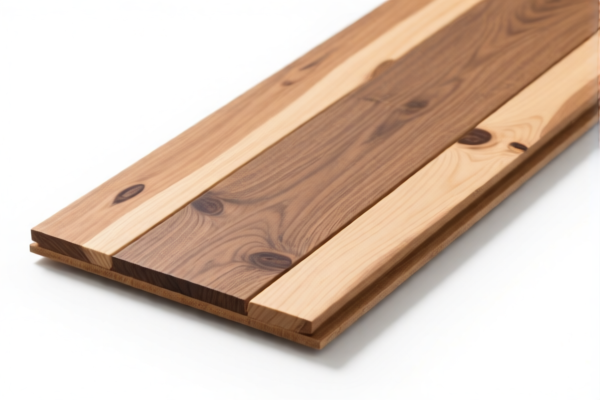
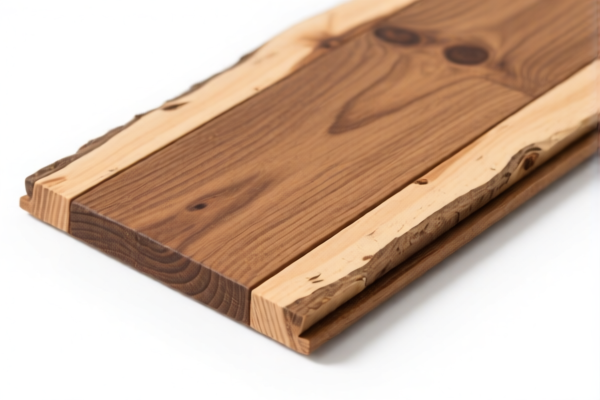
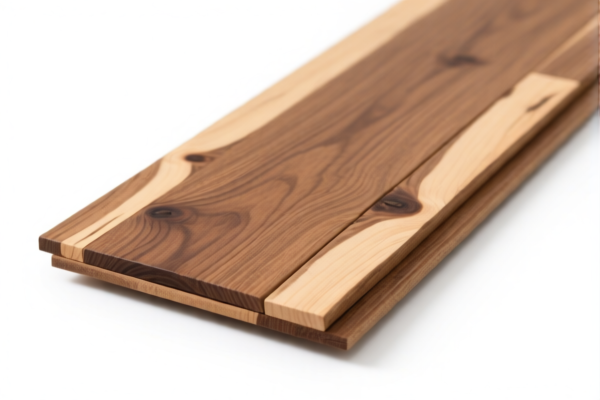
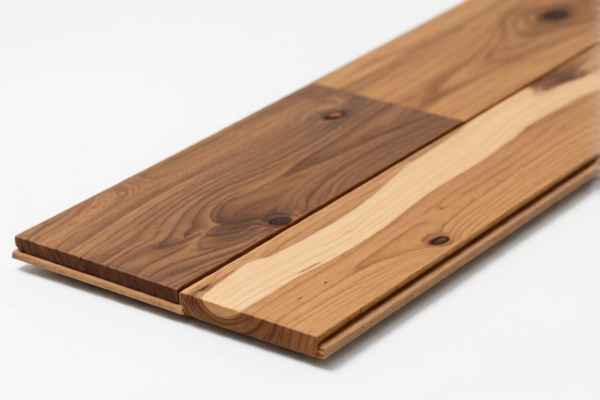
AI Analysis
🌲 Poplar & Aspen Wood Products (4407.97.00)
🌐 HS Code Reference & Customs Clearance Guide | 2026 Latest Tariff Analysis | Professional Clearance Strategy
📌 I. Product Definition and Classification: Do You Really Know "Poplar and Aspen Wood"?
The input "Cottonwood for Insulation" refers to processed wood from the Populus genus (which includes Poplar, Aspen, and Cottonwood species). In international trade, specifically under the Harmonized System (HS), these are classified under Heading 44.07.
Crucial Distinction:
- Raw Logs or Unprocessed Timber: Would fall under Chapter 44 Heading 44.03 or 44.06.
- Sawn, Chipped, Sliced, or Peeled Wood: If the wood is sawn lengthwise, sliced, or peeled, and has a thickness exceeding 6 mm, it is classified under 4407.
- "For Insulation": This usage implies the wood is processed into sheets, veneers, or blocks. If the thickness is >6mm, it remains in 4407. If it were thinner (<6mm) veneer, it might fall under 44.08, but based on the provided <DATA>, we are strictly dealing with >6mm thickness.
⚠️ Key Differentiator:
- Cottonwood is a type of Poplar (Populus spp.). Therefore, it falls under the specific sub-category for "Other poplar; aspen; cottonwood."
- Yellow Poplar (Liriodendron tulipifera) is a different species (family Magnoliaceae, not Salicaceae) and is classified separately under "Yellow poplar."
📦 II. HS Code Classification Details (Based on Provided DATA)
| HS Code | Product Description | Applicable Scenario | Species Type |
|---|---|---|---|
4407.97.00.79 |
Wood >6mm thick: Other poplar; aspen; cottonwood | Cottonwood, standard Poplar, Aspen (non-Yellow) | Populus spp. (Other) |
4407.97.00.72 |
Wood >6mm thick: Yellow poplar (Liriodendron tulipifera) | Yellow Poplar (Tulip Wood) | Liriodendron tulipifera |
🔍 Critical Clarification:
- The term "Cottonwood" is biologically a subset of Poplar. Thus, it falls under4407.97.00.79.
- "Yellow Poplar" (Tulip Poplar) is NOT a true Poplar. It is a distinct species. If your "insulation wood" is actually Tulipwood, it falls under4407.97.00.72.
- Thickness Constraint: Both codes apply only if the wood thickness is >6 mm. If ≤6 mm, these codes are invalid.
💰 III. 2026 Latest Tariff Rate Details (Detailed Breakdown)
✅ Applicable Country: United States (US)
✅ Origin: China (CN) (Assumed based on standard US-China tariff context in the data)
✅ Effective Date: Current US Trade Policy (Section 301)
🎯 1. 4407.97.00.79 —— Other Poplar; Aspen; Cottonwood
| Item | Content |
|---|---|
| Basic Tariff | 0.0% |
| Additional Tariff (Section 301) | +25.0% |
| Total Tax Rate | 25.0% |
| Tax Calculation | CIF Value × 25% |
| De Minimis Exemption | ❌ Not Applicable for commercial shipments >$800 (de minimis is generally exempt, but this analysis focuses on the tariff rate itself). Note: De minimis ($800) is a customs entry threshold, not a tariff exemption for goods entered above this limit. |
| Legal Basis | HTSUS 4407.97.00.79 |
📌 Explanation:
- The 0% base rate reflects the normal MFN (Most Favored Nation) duty for this wood product.
- The 25% additional duty is imposed under Section 301 of the Trade Act of 1974 against Chinese-origin goods.
- Total Effective Duty: 25%. This is a significant cost factor for wood-based insulation materials.
🎯 2. 4407.97.00.72 —— Yellow Poplar (Liriodendron tulipifera)
| Item | Content |
|---|---|
| Basic Tariff | 0.0% |
| Additional Tariff (Section 301) | +25.0% |
| Total Tax Rate | 25.0% |
| Tax Calculation | CIF Value × 25% |
| De Minimis Exemption | ❌ Not Applicable for commercial shipments. |
| Legal Basis | HTSUS 4407.97.00.72 |
📌 Note:
- Despite being a different species, the tariff treatment is identical to other poplars/aspen.
- Misclassification Risk: Declaring Yellow Poplar as "Other Poplar" (4407.97.00.79) may be technically inaccurate but carries the same tax rate. However, correct documentation is crucial for customs audits.
🛠️ IV. Customs Clearance Practical Advice (Real-World Pitfall Avoidance)
✅ 1. Documentation Checklist (Mandatory)
| Document | Must Provide | Description |
|---|---|---|
| ✅ Product Specification Sheet | ✔️ | Must explicitly state: Species (e.g., Populus deltoides for Cottonwood), Thickness (>6mm), Processing Method (Sawn/Sliced/Peeled). |
| ✅ Commercial Invoice | ✔️ | Clear description: "Wood, Sawn, Thickness >6mm, Poplar/Cottonwood, For Insulation." Avoid vague terms like "Wooden Blocks." |
| ✅ Packing List | ✔️ | Show weight, dimensions, and number of pieces. |
| ✅ Phytosanitary Certificate | ✔️ | CRITICAL for wood products. Must confirm treatment against pests (e.g., ISPM 15 compliance if packaged in wood). |
| ✅ Certificate of Origin | ✔️ | Required to determine applicability of the 25% additional duty. |
✅ 2. Declaration Tips (Key Mnemonics)
🔥 "Species First, Thickness Key, Usage Clarity, Tax Clarity!"
| Scenario | Correct Declaration | Incorrect Practice |
|---|---|---|
| Cottonwood/Aspen >6mm | HS 4407.97.00.79 |
Declaring as "Lumber" (generic) or 4407.97.00.72 (if not Yellow Poplar) |
| Yellow Poplar >6mm | HS 4407.97.00.72 |
Misidentifying as standard Poplar |
| Thickness ≤6mm | NOT 4407 | Declaring as 4407 when it should be 4408 (Veneer) or 44.09 (Continuously Profiled) |
| Unprocessed Logs | NOT 4407 | Declaring as 4407 when it should be 44.03 or 44.06 |
📌 Critical Warning:
- "Cottonwood" = "Other Poplar". Do not try to find a separate code for Cottonwood; it is explicitly included in4407.97.00.79.
- Thickness is King: If your "insulation boards" are thinner than 6mm, these codes are wrong. They would likely fall under 4408.90 (Veneer sheets) or 44.09 (Wood continuously shaped along any edge). Misclassification here can lead to severe penalties.
✅ 3. Special Case Handling
| Scenario | Handling Advice |
|---|---|
| Mixed Species Shipment | If a single shipment contains both Cottonwood and Yellow Poplar, declare separately if possible. If mixed, declare the majority or split the value, but ensure each line item has its correct HS Code to avoid audit flags. |
| Insulation Application | Mention "For Insulation" in the description, but do not let it override the physical characteristics (species, thickness). Customs classifies by product nature, not end-use. |
| Treated Wood | If chemically treated for fire/pest resistance, still classifies under 4407, but ensure Phytosanitary and Chemical Safety docs (MSDS) are ready if required by specific states (e.g., California Prop 65). |
🌍 V. Global Market Comparison (2026)
| Country/Region | Recommended HS Code | Tariff (China Origin) | Notes |
|---|---|---|---|
| 🇺🇸 USA | 4407.97.00.79 / .72 |
25% | Section 301 duty applies. No base duty. |
| 🇨🇳 China | 4407.97.00 |
Varies | Export duties may apply; check latest Chinese export policy. |
| 🇪🇺 EU | 4407.97 |
0-15% | Generally low base duty. Check for EUTR (Timber Regulation) compliance. |
| 🇬🇧 UK | 4407.97 |
0-15% | Similar to EU post-Brexit. |
| 🇨🇦 Canada | 4407.97 |
0% | USMCA/CUSMA may apply if originating in North America. |
📌 Conclusion:
- USA is the highest cost market due to the 25% Section 301 tariff.
- EU and others have lower base duties, but compliance with sustainability regulations (EUTR, FSC certification) is stricter.
📌 VI. Common Errors & Pitfalls (Lessons Learned)
❌ Error 1: Declaring Cottonwood as "Yellow Poplar" to simplify paperwork.
👉 Consequence: Technically incorrect species declaration. While tax rate is the same, it can trigger audits for misrepresentation.
❌ Error 2: Ignoring the >6mm thickness rule.
👉 Consequence: If thickness is 5mm, declaring 4407 is wrong. Customs may reclassify to 4408 (Veneer) or 44.09, potentially changing the duty rate and attracting penalties.
❌ Error 3: Failing to provide a Phytosanitary Certificate.
👉 Consequence: Shipment held or destroyed at US port. Wood products are high-risk for pests (e.g., Emerald Ash Borer, though not in Poplar, other borers exist).
❌ Error 4: Vague Description "Wood for Insulation."
👉 Consequence: Customs cannot determine HS Code. Leads to delay, exams, and potential assignment of worst-case duty rate.
✅ Correct Practice:
"Sawn Poplar Wood, Species: Populus deltoides (Cottonwood), Thickness: 12mm, Planed, For Thermal Insulation, HS Code: 4407.97.00.79"
🎯 VII. Conclusion: Professional Declaration Saves Money!
🎯 Remember the Mantra:
🔹 "Cottonwood is Other Poplar (79), Yellow Poplar is (72), Thickness >6mm is Key (4407)."
🔹 "25% Tax Hits Hard, Correct Species Avoids the Yard."
📌 Pro Tip:
- If you are importing large volumes, consider applying for an HTSUS Exclusion under Section 301 if your specific product was eligible (check USTR lists).
- Always verify the exact species on the invoice. "Poplar" is too vague; use "Cottonwood" or "Aspen" to map to 4407.97.00.79.
📣 Act Now:
📞 Confirm Species with Supplier + Verify Thickness >6mm + Request Phytosanitary Cert
🚀 Ensure Smooth US Customs Clearance with Accurate4407.97.00.79Declaration!
✨ Precision in Classification, Efficiency in Clearance!
💼 Don't Let "Cottonwood" Cost You More Than It Should!
Customer Reviews
About HS Code Classification
The Harmonized System (HS) is an internationally standardized nomenclature developed by the World Customs Organization (WCO) to classify traded products. Over 200 countries use the HS system as the basis for customs tariffs, trade statistics, and import/export regulations.
Each HS code follows a hierarchical structure:
- Chapter (2 digits) — Broad category of goods (e.g., Chapter 84: Machinery and Mechanical Appliances)
- Heading (4 digits) — More specific grouping within the chapter
- Subheading (6 digits) — Internationally standardized breakdown, used by all WCO member countries
- National subdivisions (8-10 digits) — Country-specific extensions for further classification, such as US HTSUS 10-digit codes
Correct HS code classification is essential for smooth customs clearance, accurate duty payment, and compliance with trade regulations. Misclassification can lead to customs delays, overpayment of duties, or penalties.
When importing from CN to US, the applicable tariff rates may include:
- Most-Favored-Nation (MFN) rate — The standard duty rate applied to WTO members
- General rate — Applied to countries without trade agreements
- Trade remedy duties — Additional tariffs such as Section 301 (anti-dumping), Section 232 (national security), or countervailing duties
The information provided on this page is for reference purposes only. For official classification, please consult with your local customs authority or a licensed customs broker.