couch protectors
CN → US| HS Code | Tariff Rate | Origin | Destination | Doc |
|---|---|---|---|---|
| 6304920000 | 23.8% | CN | US | Official Doc |
| 6304930000 | 23.8% | CN | US | Official Doc |
| 9401991020 | 17.5% | CN | US | Official Doc |
| 9401999021 | 35.0% | CN | US | Official Doc |
| 4202929700 | 52.6% | CN | US | Official Doc |
Product Images
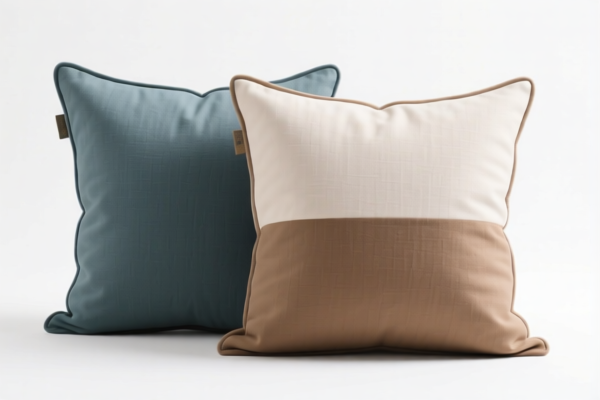
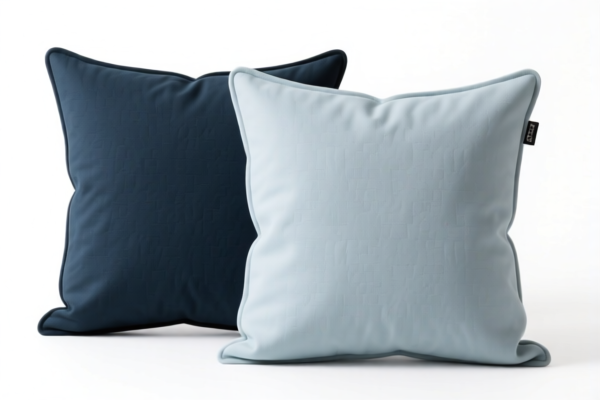
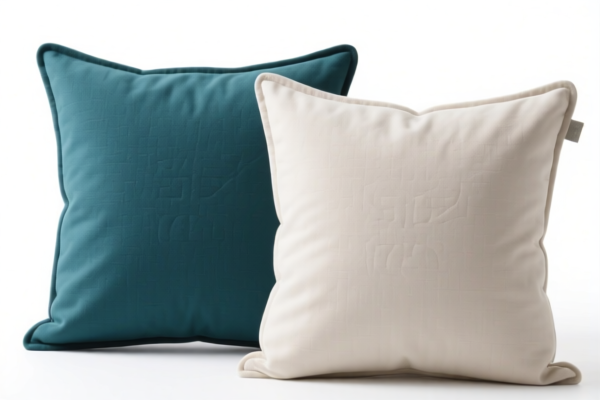
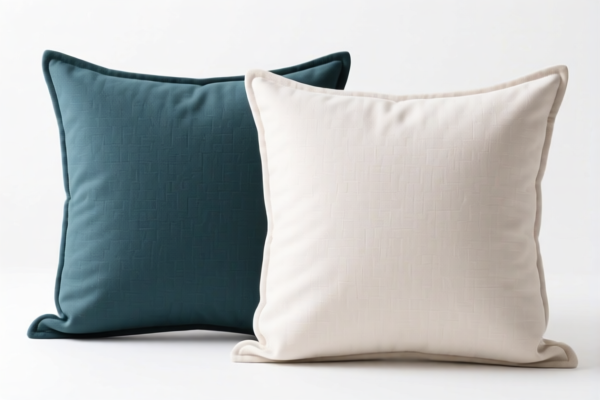
AI Analysis
🛋️ Couch Protectors (Sofa Covers & Seat Accessories)
🌐 HS Code Reference & Clearance Guide | 2026 Latest Tariff Analysis | Professional Customs Strategy
📌 Part I: Product Definition & Classification: Do You Really Understand "Couch Protectors"?
Couch Protectors are essential home textile products used to cover, protect, or furnish sofas and seating furniture. In international trade, they are classified based on their material composition and functional description. Misclassification here can lead to significant tax discrepancies, especially given the high "Section 301" and "IEEPA" tariffs currently applied to Chinese goods.
They are generally divided into three categories:
- Furniture Furnishings (Fabric/Cotton): Covers specifically designed for sofas, made of cotton, linen, or blends.
- Seat Parts/Accessories (Synthetic/Textile): Covers considered parts or accessories of seats, often made of synthetic fibers.
- Protective Containers/Shells (Plastic/Textile): Rigid or semi-rigid protective cases, or specific "protective shell" types made of plastic or mixed materials.
⚠️ Key Distinction Point:
- If it is a soft fabric cover for a sofa frame → It is likely a Furniture Furnishing or Seat Part.
- If it is a rigid/plastic protector or specific "protective shell" → It falls under Chapter 42 (Articles of Leather/Plastics).
- Crucial Note: The total tariff burden for Chinese-origin goods is extremely high (ranging from 17.5% to 52.6%) due to additional trade measures.
📦 Part II: HS Code Classification Details (2026 Latest Tariff Authority Comparison)
| HS Code | Product Description | Application Scenario | Material Type | Total Tax Rate |
|---|---|---|---|---|
6304.92.00.00 |
Sofa covers: Furniture furnishings, Cotton/non-knitted | Soft cotton sofa slipcovers, decorative throws | Cotton | 23.8% |
6304.93.00.00 |
Sofa covers: Furniture furnishings, Synthetic fiber/Applied fabric | Polyester, acrylic, or blended fabric sofa covers | Synthetic Fiber | 23.8% |
9401.99.10.20 |
Sofa covers: Seat coverings, Textile materials | Covers classified as "part of seat" but textile-based | Textile | 17.5% |
9401.99.90.21 |
Sofa covers: Parts/Accessories of seats, Textile-based | Technical seat covers, automotive-style or heavy-duty textile parts | Textile | 35.0% |
4202.92.97.00 |
Protectors: Similar containers/protective shells, Plastic/Textile | Rigid plastic sofa protectors, specific "protective shells" | Plastic/Textile | 52.6% |
🔍 Key Reminder:
-6304vs9401:6304covers are generally viewed as furnishings (decorative/functional covers), while9401items are viewed as parts/accessories of the seat itself.
-4202Warning: If the product is marketed as a "protective shell" or has significant plastic/rigid structure, it jumps to Chapter 42, which carries the highest tariff burden (52.6%).
- No De Minimis Exemption: Due to the "122 Clause" and Section 301 tariffs, these goods cannot benefit from low-value shipment exemptions (de minimis) when entering the US from China.
💰 Part III: 2026 Latest Tariff Rate Breakdown (Including Additional Taxes & Policy Surcharges)
✅ Applicable Country: United States (US)
✅ Origin: China (CN)
✅ Effective Time: November 10, 2025 (for imports thereafter)
🎯 1. 6304.92.00.00 & 6304.93.00.00 —— Sofa Covers (Furniture Furnishings)
| Item | Content |
|---|---|
| Base Duty | 6.3% (Ad valorem) |
| Section 301 Surcharge | +7.5% |
| "122 Clause" Surcharge | +10% |
| Total Tax Rate | 23.8% |
| Tax Calculation | CIF Value × 23.8% |
| De Minimis Exemption | ❌ Not Eligible (Denied) |
| Legal Basis Path | USITC:6304.92.00.00 → SECTION_301:7.5% → IEEPA_122:10% |
📌 Explanation:
- The 6.3% is the standard Most Favored Nation (MFN) duty for textile/furniture furnishings.
- The 7.5% is the Section 301 additional duty applicable to Chapter 63 products from China.
- The 10% is the specific "122 Clause" tariff (often associated with reciprocal trade measures).
- Total: 23.8%. This is a moderate-high burden, but lower than seat parts or plastic protectors.
🎯 2. 9401.99.10.20 —— Sofa Covers (Seat Coverings, Textile)
| Item | Content |
|---|---|
| Base Duty | 0.0% |
| Section 301 Surcharge | +7.5% |
| "122 Clause" Surcharge | +10% |
| Total Tax Rate | 17.5% |
| Tax Calculation | CIF Value × 17.5% |
| De Minimis Exemption | ❌ Not Eligible (Denied) |
| Legal Basis Path | USITC:9401.99.10.20 → SECTION_301:7.5% → IEEPA_122:10% |
📌 Note:
- This is the lowest effective rate among the listed options for Chinese goods.
- However, classification risk is high. If customs determines this is not a "seat covering" but a "furnishing" (6304) or "part" (9401.99.90), you will face audits and back taxes.
🎯 3. 9401.99.90.21 —— Seat Parts/Accessories (Textile)
| Item | Content |
|---|---|
| Base Duty | 0.0% |
| Section 301 Surcharge | +25.0% |
| "122 Clause" Surcharge | +10% |
| Total Tax Rate | 35.0% |
| Tax Calculation | CIF Value × 35.0% |
| De Minimis Exemption | ❌ Not Eligible (Denied) |
| Legal Basis Path | USITC:9401.99.90.21 → SECTION_301:25% → IEEPA_122:10% |
📌 Warning:
- While the base duty is 0%, the Section 301 tariff jumps to 25% for this subheading.
- This applies if the item is strictly defined as a "part/accessory" rather than a general furnishing.
- Total: 35.0%. Significantly more expensive than the6304classification.
🎯 4. 4202.92.97.00 —— Protective Shells/Containers (Plastic/Textile)
| Item | Content |
|---|---|
| Base Duty | 17.6% |
| Section 301 Surcharge | +25.0% |
| "122 Clause" Surcharge | +10% |
| Total Tax Rate | 52.6% |
| Tax Calculation | CIF Value × 52.6% |
| De Minimis Exemption | ❌ Not Eligible (Denied) |
| Legal Basis Path | USITC:4202.92.97.00 → SECTION_301:25% → IEEPA_122:10% |
📌 Critical Alert:
- Highest Tariff Tier: This category attracts the maximum tax burden.
- The base duty is 17.6% (standard for plastics/leather goods), plus 25% Section 301, plus 10% IEEPA.
- Avoid this classification if possible. It is only applicable if the product is a rigid "protective shell" or case, not a soft slipcover.
🛠️ Part IV: Customs Clearance Practical Advice (Pitfall Avoidance Guide)
✅ 1. Preparation Checklist (Mandatory)
| Document | Required | Description |
|---|---|---|
| ✅ Product Specification Sheet | ✔️ | Must clearly state material (e.g., "100% Cotton," "Polyester Blend," "PE Plastic"). |
| ✅ Photos (Lifestyle & Detail) | ✔️ | Show the item on a sofa. Distinguish between soft fabric (slipcover) vs. rigid structure (shell). |
| ✅ Commercial Invoice | ✔️ | Describe accurately: "Fabric Sofa Cover" (for 6304/9401) vs. "Plastic Protective Case" (for 4202). Avoid vague terms like "Protector." |
| ✅ Material Composition Statement | ✔️ | Crucial for distinguishing between 6304 (Cotton) and 6304.93 (Synthetic). |
| ✅ Packing List | ✔️ | Ensure quantity matches invoice. |
✅ 2. Declaration Strategies (Key Tips)
🔥 "Classify by Function, Declare by Material, Avoid 'Shell' Traps!"
| Scenario | Correct Declaration Strategy | Risk if Incorrect |
|---|---|---|
| Soft fabric slipcover (Cotton) | 6304.92.00.00Desc: "Cotton Sofa Slipcover" |
If misclassified as 4202, tax jumps from 23.8% to 52.6%. |
| Soft fabric slipcover (Polyester) | 6304.93.00.00Desc: "Polyester Sofa Cover" |
Same as above. |
| Textile seat protector (Technical) | 9401.99.10.20Desc: "Textile Seat Covering" |
If misclassified as 9401.99.90.21, tax jumps from 17.5% to 35.0%. |
| Rigid/Plastic Protector | 4202.92.97.00Desc: "Plastic Sofa Protector Shell" |
High tax (52.6%). Must prove rigidity/structural nature. |
| Mixed Material (Fabric + Plastic Frame) | Consult Expert | May fall under 4202 or 9401 depending on primary character. |
📌 Tip:
- Avoid using the word "Shell" or "Case" in the description unless it is truly rigid/plastic. These words trigger scrutiny for Chapter 42 (4202).
- Use terms like "Slipcover," "Sofa Cover," "Furnishing Cover," or "Seat Cushion Cover" for fabric items.
✅ 3. Special Cases
| Case | Handling Advice |
|---|---|
| OEM Custom Covers | Provide design files and material specs to prove classification as 6304 (furnishing) rather than a generic "part." |
| Multi-Purpose Covers (e.g., Sofa + Pet) | Emphasize the primary use (furnishing/protection) to support 6304 or 9401. |
| Plastic-Coated Fabric | If >50% weight is fabric, try to argue for 6304. If plastic layer is structural/rigid, it may be 4202 (52.6% tax). |
| Sets (Cover + Cushions) | Declare as a "Set" only if marketed and sold as one unit. Otherwise, split duties. Risk of audit increases if split incorrectly. |
🌍 Part V: Global Market Comparison (2026 Latest)
| Country/Region | Recommended HS Code | Tariff (China Origin) | Certification | Notes |
|---|---|---|---|---|
| 🇺🇸 USA | 6304.92.00.00 |
23.8% | ASTM, CPSIA (if children) | Highest additional taxes. |
| 🇨🇳 China | 6304.92.00.00 |
8-10% | None specific | Import duty + VAT. |
| 🇪🇺 EU | 6304.92.00.00 |
12% | REACH, OEKO-TEX | Standard MFN duty. |
| 🇬🇧 UK | 6304.92.00.00 |
12% | UKCA, REACH | Post-Brexit tariff applies. |
| 🇦🇺 Australia | 6304.92.00.00 |
5% | ACCC | Lower baseline tariff. |
📌 Conclusion:
- The US market is the most challenging due to Section 301 and IEEPA tariffs.
- Total costs in the US can exceed 50% if misclassified into Chapter 42.
- China/EU/UK apply standard MFN rates (8-12%), making them far more cost-effective for exporters.
📌 Part VI: Common Errors & Pitfalls (Lessons Learned)
❌ Error 1: Calling a fabric cover a "Protective Shell"
👉 Consequence: Customs classifies it as 4202 → Tax jumps from 23.8% to 52.6%.
❌ Error 2: Misidentifying Material (Cotton vs. Synthetic)
👉 Consequence: No major tax difference (both 23.8%), but risk of contraband/labeling violations if fiber content is wrong.
❌ Error 3: Ignoring the "122 Clause"
👉 Consequence: Underestimating total landed cost. The 10% surcharge is automatic for China-origin goods in many categories.
❌ Error 4: Using "De Minimis" for Low-Value Shipments
👉 Consequence: Shipment Denied. Textile/Furniture goods from China do not qualify for $800 de minimis exemption under current IEEPA rules.
✅ Correct Practice:
"Cotton Sofa Slipcover, Machine Washable, Elastic Hem, Color: Grey, HS 6304.92.00.00"
🎯 Part VII: Conclusion: Precise Classification Saves Money!
🎯 Remember the Mantra:
🔹 "Fabric is Furnishing (23.8%), Seat Part is Higher (35%), Plastic Shell is Worst (52.6%)."
🔹 "Don't use 'Shell' for fabric! Use 'Slipcover' or 'Cover'!"
🔹 "Check Origin! China = High Tariffs. Avoid De Minimis!"
📌 Pro Tip:
If your product has any rigid component (plastic frame, hard backing), consult a customs broker immediately. It might fall under 4202 or 9403 instead of 6304, changing your tax burden by nearly 30%.
📣 Take Action Now:
📞 Hire a licensed customs broker.
📄 Submit product photos + material specs for Pre-Ruling (Advance Ruling).
🚀 Protect your margin by protecting your HS Code!
✨ Professional Clearance Starts with Accurate Classification!
💼 Your profit margin depends on your HS Code choice!
Customer Reviews
About HS Code Classification
The Harmonized System (HS) is an internationally standardized nomenclature developed by the World Customs Organization (WCO) to classify traded products. Over 200 countries use the HS system as the basis for customs tariffs, trade statistics, and import/export regulations.
Each HS code follows a hierarchical structure:
- Chapter (2 digits) — Broad category of goods (e.g., Chapter 84: Machinery and Mechanical Appliances)
- Heading (4 digits) — More specific grouping within the chapter
- Subheading (6 digits) — Internationally standardized breakdown, used by all WCO member countries
- National subdivisions (8-10 digits) — Country-specific extensions for further classification, such as US HTSUS 10-digit codes
Correct HS code classification is essential for smooth customs clearance, accurate duty payment, and compliance with trade regulations. Misclassification can lead to customs delays, overpayment of duties, or penalties.
When importing from CN to US, the applicable tariff rates may include:
- Most-Favored-Nation (MFN) rate — The standard duty rate applied to WTO members
- General rate — Applied to countries without trade agreements
- Trade remedy duties — Additional tariffs such as Section 301 (anti-dumping), Section 232 (national security), or countervailing duties
The information provided on this page is for reference purposes only. For official classification, please consult with your local customs authority or a licensed customs broker.