counter display stand
CN → US| HS Code | Tariff Rate | Origin | Destination | Doc |
|---|---|---|---|---|
| 7326908630 | 87.9% | CN | US | Official Doc |
| 7326908688 | 87.9% | CN | US | Official Doc |
| 7616995150 | 37.5% | CN | US | Official Doc |
| 9403200078 | 85.0% | CN | US | Official Doc |
| 9403200082 | 85.0% | CN | US | Official Doc |
Product Images
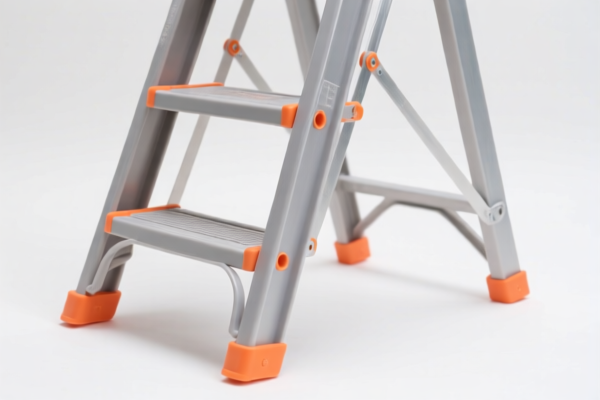


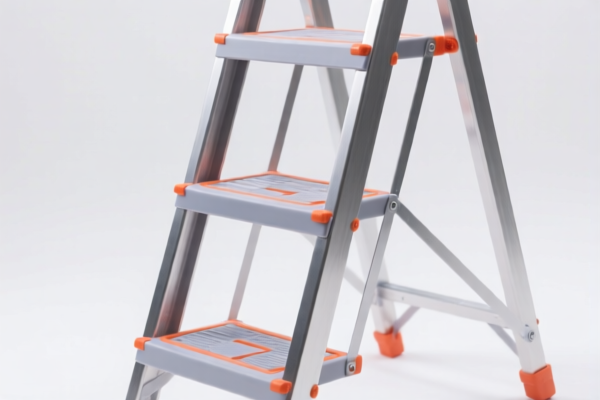
AI Analysis
🏬 Counter Display Stand (Metal Retail Displays)
🌐 HS Code Reference & Customs Clearance Guide | 2026 Latest Tariff Analysis | Professional Strategy for Metal Counters
📌 I. Product Definition & Classification: Do You Really Understand "Counter Display Stands"?
Counter Display Stands are essential tools in retail, used to showcase products at points of sale (POS), counters, or checkout areas. In international trade, these items are complex because their classification depends heavily on material composition and functional design. They generally fall into two main categories:
1. General Metal Goods (Steel/Iron/Aluminum): Classified as fabricated metal articles.
2. Furniture/Like Articles: Classified as other furniture or display fixtures, often attracting lower base duties but subject to specific "122" or anti-dumping provisions.
⚠️ Key Distinction Point:
- If the stand is made primarily of Steel or Iron and is considered a "similar support," it often falls under Chapter 73.
- If the stand is considered Furniture (e.g., shelves, counters with specific storage functions), it may fall under Chapter 94.
- If made of Aluminum, it falls under Chapter 76.
📦 II. HS Code Classification Details (2026 Latest Tariff Concordance)
| HS Code | Product Description | Applicable Scenario | Material Type | Base Duty | Total Tax Rate (US Origin) |
|---|---|---|---|---|---|
7326.90.86.30 |
Metal display stand, material is metal, form is display stand, belongs to similar supports | General steel/iron stands without specific furniture features | Steel/Iron | 2.9% | 87.9% |
7326.90.86.88 |
Metal display stand, material is iron or steel, belongs to reasonable category under other items | Similar to above, broader "other" category for steel/iron | Iron/Steel | 2.9% | 87.9% |
7616.99.51.50 |
Metal display stand, material contains aluminum, belongs to other aluminum articles (supports) | Aluminum-based display structures | Aluminum | 2.5% | 37.5% |
9403.20.00.78 |
Metal display stand, material is metal, belongs to other metal furniture | Classified as "Other Metal Furniture" | Metal (General) | 0.0% | 85.0% |
9403.20.00.82 |
Metal display stand, material is metal, form is cabinets, shelves, and similar devices | Classified as "Shelves/Cabinets" (Furniture) | Metal (General) | 0.0% | 85.0% |
🔍 Key Reminder:
- Steel/Iron stands face the highest total tax burden (87.9%) due to high base + Section 301 + Section 232/122 duties.
- Aluminum stands offer a significantly lower rate (37.5%) but must clearly declare aluminum content.
- Furniture-classified stands (Ch 94) have 0% base duty, reducing the total impact of additive tariffs to 85.0%.
💰 III. 2026 Latest Tariff Rate Breakdown (Including Add-ons & Policy Surcharges)
✅ Applicable Country: United States (US)
✅ Origin: China (CN)
✅ Effective Time: Current regulations (including subsequent imports)
🎯 1. 7326.90.86.30 & 7326.90.86.88 —— Steel/Iron Metal Display Stands
| Item | Content |
|---|---|
| Base Rate | 2.9% (ad valorem) |
| Section 301 Surcharge | +25.0% (Added on top of base) |
| Section 122 / Anti-Dumping | +10.0% (Specific provisions for steel/aluminum/copper products) |
| Steel/Aluminum/Copper Surcharge | +50.0% (Under specific 122 provisions for steel/copper products) |
| Total Rate | 87.9% |
| Calculation | CIF Value × 87.9% |
| De Minimis Exemption | ❌ Not Available (High tariff rates disqualify from low-value exemptions) |
| Legal Basis Path | HTSUS:7326.90.86.30 → Section 301: Footnote 9903.88.01 → Section 122: Steel/Copper Provisions |
📌 Explanation:
- The 2.9% base is standard for fabricated metal articles.
- The 25% Section 301 is the standard retaliatory tariff for Chinese goods.
- The 10% Section 122 and 50% Steel/Copper surcharge are critical here. If the stand is deemed a "steel product" under specific enforcement guidelines, these layers stack, resulting in nearly 90% taxation.
- Total 87.9% is extremely high and must be factored into pricing models immediately.
🎯 2. 7616.99.51.50 —— Aluminum Metal Display Stand
| Item | Content |
|---|---|
| Base Rate | 2.5% |
| Section 301 Surcharge | +25.0% |
| Section 122 Surcharge | +10.0% |
| Total Rate | 37.5% |
| Calculation | CIF Value × 37.5% |
| De Minimis Exemption | ❌ Not Available |
| Legal Basis Path | HTSUS:7616.99.51.50 → Section 301: Footnote 9903.88.01 → Section 122 |
📌 Note:
- Aluminum is treated differently than steel in some specific "122" contexts, resulting in a lower total burden.
- However, the product must contain aluminum to qualify for this HS code. Pure iron/steel stands cannot use this.
🎯 3. 9403.20.00.78 & 9403.20.00.82 —— Metal Display Stand (Furniture Category)
| Item | Content |
|---|---|
| Base Rate | 0.0% |
| Section 301 Surcharge | +25.0% |
| Section 122 Surcharge | +10.0% |
| Steel/Aluminum/Copper Surcharge | +50.0% (Note: This layer may apply if deemed "steel/copper" furniture, leading to 85% total) |
| Total Rate | 85.0% |
| Calculation | CIF Value × 85.0% |
| De Minimis Exemption | ❌ Not Available |
| Legal Basis Path | HTSUS:9403.20.00.78 → Section 301: Footnote 9903.88.01 → Section 122 |
📌 Explanation:
- Classifying as Furniture (Ch 94) lowers the Base Duty to 0%.
- However, the additive tariffs (25% + 10% + 50%) still stack, bringing the total to 85.0%.
- While slightly lower than the 87.9% for steel goods, the base duty saving is minimal in the face of high surcharges. The key advantage is potential classification flexibility if the item is clearly a "shelf" or "counter."
🛠️ IV. Customs Clearance Practical Advice (Real-World Pitfall Avoidance)
✅ 1. Preparation Checklist (All are Mandatory)
| Document | Must Provide | Explanation |
|---|---|---|
| ✅ Product Specifications | ✔️ | Material breakdown (e.g., "80% Steel, 20% Aluminum"), dimensions, weight. |
| ✅ Material Certification | ✔️ | Mill certificates to prove aluminum vs. steel content. Critical for 7616 vs 7326. |
| ✅ Product Photos (Labeled) | ✔️ | Clear shots of the stand, including any logos, load-bearing parts, and assembly. |
| ✅ Commercial Invoice | ✔️ | Must state: "Metal Display Stand, Made in China." Avoid vague terms like "Hardware." |
| ✅ Packing List | ✔️ | Detail if it is shipped fully assembled or knock-down (KD). |
| ✅ Declaration Statement | ✔️ | Confirm if the item is "Furniture" (Ch 94) or "Fabricated Metal" (Ch 73/76). |
✅ 2. Declaration Strategies (Key Mantra)
🔥 “Material Dictates Code, Furniture Lowers Base, But Add-ons Kill Profit!”
| Scenario | Correct Declaration | Wrong Approach | Consequence |
|---|---|---|---|
| All-Steel Stand | 7326.90.86.30 |
Call it "Furniture" | Rejection or Misclassification → 87.9% + Penalties |
| Aluminum Stand | 7616.99.51.50 |
Declare as "Steel" | Pay 87.9% instead of 37.5% → Massive Overpayment! |
| Shelf/Counter Type | 9403.20.00.82 |
Declare as "Part" | Higher Base Duty → 87.9% |
| Mixed Material | Verify dominant material | Assume lowest rate | Customs Audit → Delay + Back Taxes |
✅ 3. Special Case Handling
| Situation | Handling Advice |
|---|---|
| OEM Custom Stands | Provide design drawings. If designed as "Shelving," argue for 9403. |
| Aluminum Components | If >50% aluminum by weight/value, strongly consider 7616 for lower tax. |
| Small Countertop Units | If it functions as a cash register stand, it may be closer to Furniture (9403). |
| Import from Non-US | Verify if origin is truly China. If transshipped, Country of Origin rules apply. |
🌍 V. Global Market Comparison (2026 Latest)
| Country/Region | Recommended HS Code | Tariff (China Origin) | Certification Req. | Note |
|---|---|---|---|---|
| 🇺🇸 USA | 7326.90.86.30 / 7616.99.51.50 |
37.5% - 87.9% | None Specific | High surcharges dominate. |
| 🇨🇳 China | 7326.90.90 / 9403.20 |
0-5% | CCC (if applicable) | Low base duty. |
| 🇪🇺 EU | 7326.90 / 9403.20 |
0-4% | CE (if electrical) | No major retaliatory tariffs. |
| 🇬🇧 UK | 7326.90 / 9403.20 |
0-4% | UKCA | Post-Brexit standards apply. |
| 🇨🇦 Canada | 7326.90 / 9403.20 |
0-5% | None | CUSMA benefits if eligible. |
📌 Conclusion:
- The US market is the most challenging due to the layering of Section 301, 122, and Steel/Aluminum surcharges.
- Total taxes exceed 85% for most metal displays.
- Aluminum (7616) offers the most significant tax advantage (37.5%) in the US.
- Furniture Classification (9403) saves base duty but not surcharges.
📌 VI. Common Errors & Pitfall Guide (Lessons from Experience)
❌ Error 1: Declaring an Aluminum stand as Steel to avoid "Aluminum" scrutiny.
👉 Consequence: You pay 87.9% instead of 37.5%. Loss: 50.4%!
❌ Error 2: Declaring a Steel stand as Furniture to get 0% base duty.
👉 Consequence: Customs determines it is "Metal Goods," not "Furniture." You pay 87.9% + Back Taxes.
❌ Error 3: Ignoring Section 122 provisions.
👉 Consequence: Even with 0% base, the 50% Steel/Copper surcharge may apply, making 9403 nearly as expensive as 7326.
❌ Error 4: Using vague descriptions like "Retail Fixture."
👉 Consequence: Customs requests additional info, causing clearance delays and storage fees.
✅ Correct Practice:
"Aluminum Counter Display Stand, Retail Grade, Model XYZ, Contains 85% Aluminum Alloy, Made in China"
🎯 VII. Conclusion: Professional Declaration Saves Money!
🎯 Remember the Mantra:
🔹 "Aluminum is King (37.5%), Steel is Heavy (87.9%), Furniture is Deceptive (85%)."
🔹 "Check Material First, Then Choose Code, Avoid Surcharge Traps."
📌 Pro Tip:
If your display stand can be designed with significant Aluminum content, consider switching from Steel to Aluminum for US imports. The tax difference is ~50%, which directly boosts profit margins.
Always apply for an Advance Ruling if the classification is ambiguous between 7326, 7616, and 9403.
📣 Immediate Action:
📞 Consult a licensed customs broker + Provide Material Breakdown + Verify Section 122 Applicability
🚀 Ensure your display stands clear US customs efficiently and maximize profit!
✨ Professional Customs Clearance Starts with Precise Classification!
💼 Every Percent Saved in Tariff is Pure Profit!
Customer Reviews
About HS Code Classification
The Harmonized System (HS) is an internationally standardized nomenclature developed by the World Customs Organization (WCO) to classify traded products. Over 200 countries use the HS system as the basis for customs tariffs, trade statistics, and import/export regulations.
Each HS code follows a hierarchical structure:
- Chapter (2 digits) — Broad category of goods (e.g., Chapter 84: Machinery and Mechanical Appliances)
- Heading (4 digits) — More specific grouping within the chapter
- Subheading (6 digits) — Internationally standardized breakdown, used by all WCO member countries
- National subdivisions (8-10 digits) — Country-specific extensions for further classification, such as US HTSUS 10-digit codes
Correct HS code classification is essential for smooth customs clearance, accurate duty payment, and compliance with trade regulations. Misclassification can lead to customs delays, overpayment of duties, or penalties.
When importing from CN to US, the applicable tariff rates may include:
- Most-Favored-Nation (MFN) rate — The standard duty rate applied to WTO members
- General rate — Applied to countries without trade agreements
- Trade remedy duties — Additional tariffs such as Section 301 (anti-dumping), Section 232 (national security), or countervailing duties
The information provided on this page is for reference purposes only. For official classification, please consult with your local customs authority or a licensed customs broker.