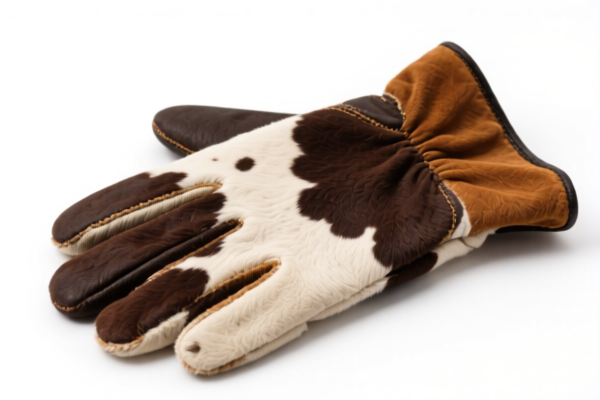
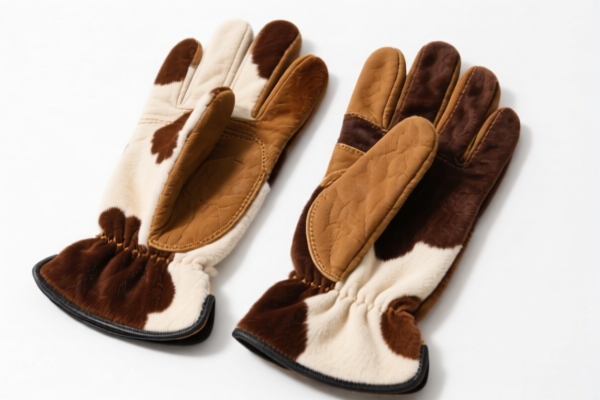
cowhide leather lined gloves
CN → US| HS Code | Tariff Rate | Origin | Destination | Doc |
|---|---|---|---|---|
| 4203290800 | 49.0% | CN | US | Official Doc |
| 4107117040 | 15.0% | CN | US | Official Doc |
| 4203291800 | 49.0% | CN | US | Official Doc |
| 4107127040 | 15.0% | CN | US | Official Doc |
| 6216009000 | 21.3% | CN | US | Official Doc |
| 4203290500 | 47.6% | CN | US | Official Doc |
Product Images


AI Analysis
🧤 Cowhide Leather Lined Gloves (Protective Leather Gloves)
🌐 HS Code Reference & Customs Clearance Guide | 2024/2025 Latest Tariff Analysis | Professional Clearance Strategy
📌 Part 1: Product Definition & Classification: Do You Really Understand "Leather Gloves"?
Cowhide Leather Lined Gloves are protective handwear primarily made from cowhide, designed for industrial, construction, or mechanical safety purposes. In international trade, they are not a single unified category. Their classification depends heavily on: 1. Degree of Processing: Are they simple leather pieces (Chapter 41) or finished garments/accessories (Chapter 42)? 2. Specific Use: Are they specialized "protective gear" or general-purpose gloves? 3. Manufacturing Stage: Are they raw/processed hides or fully assembled products?
⚠️ Critical Distinction:
- If the product is essentially processed leather skins intended to be made into gloves later, or minimal processing → Chapter 41.
- If the product is finished, ready-to-wear gloves (sewn, lined, shaped) → Chapter 42.
- Note: "Lined" implies a finished garment state, but customs may still look at the primary material value. However, HS Code 4203 specifically covers "Articles of apparel and clothing accessories, of leather or composition leather."
📦 Part 2: HS Code Classification Details (Latest Tariff Comparison)
Based on the provided data, here are the potential HS Codes for Cowhide Leather Lined Gloves, categorized by their tariff treatment and legal definition.
| HS Code | Product Description | Key Characteristics | Total Tax Rate | Tax Detail Breakdown |
|---|---|---|---|---|
| 4203.29.08.00 | Cowhide Protective Gloves | Finished leather gloves, protective use | 49.0% | Base: 14.0% + Section 301: 25.0% + Section 122: 10.0% |
| 4203.29.18.00 | Cowhide Protective Gloves | Finished leather gloves, general use | 49.0% | Base: 14.0% + Section 301: 25.0% + Section 122: 10.0% |
| 4203.29.05.00 | Cowhide Protective Gloves | Finished leather gloves, specific protective category | 47.6% | Base: 12.6% + Section 301: 25.0% + Section 122: 10.0% |
| 4107.11.70.40 | Cowhide Protective Gloves (Processed Hides) | Leather skins (not finished gloves), protective use | 15.0% | Base: 5.0% + Section 301: 0.0% + Section 122: 10.0% |
| 4107.12.70.40 | Cowhide Protective Gloves (Processed Hides) | Leather skins (not finished gloves), protective use | 15.0% | Base: 5.0% + Section 301: 0.0% + Section 122: 10.0% |
| 6216.00.90.00 | Other Leather Gloves | Non-leather or composite material gloves (misclassified as leather in some contexts) | 21.3% | Base: 3.8% + Section 301: 7.5% + Section 122: 10.0% |
🔍 Key Insight:
- Chapter 4203 codes (49% / 47.6%) apply to finished gloves. The high tax rate is driven by the 25% Section 301 tariff + 10% Section 122 tariff.
- Chapter 4107 codes (15%) apply to processed leather hides/skins that are not yet assembled into gloves. Zero Section 301 duty applies here, significantly reducing cost.
- Chapter 6216 is likely a misclassification for "other gloves" but carries a lower base rate. Use only if the product is not primarily cowhide leather (e.g., textile-lined with leather trim).
💰 Part 3: 2024/2025 Detailed Tariff Breakdown (US Market)
✅ Applicable Country: United States (US)
✅ Origin: China (CN)
✅ Applicable Laws: Section 301 (Trade Act of 1974), Section 122 (Trade Expansion Act of 1962)
🎯 1. Finished Gloves: HS Code 4203.29.08.00 / 4203.29.18.00
| Item | Detail |
|---|---|
| Base Ad Valorem | 14.0% |
| Section 301 Additional | 25.0% |
| Section 122 Additional | 10.0% |
| Total Effective Rate | 49.0% |
| Calculation Base | CIF Value (Cost + Insurance + Freight) |
| De Minimis Exemption | ❌ Not Eligible (Section 301 items are excluded from $800 de minimis) |
| Legal Reference | USITC HTSUS 4203.29 → Footnote 301 & 122 |
📌 Explanation:
- These codes classify finished, ready-to-wear cowhide gloves.
- The 25% Section 301 tariff is a penalty on Chinese-made goods in this category.
- The 10% Section 122 tariff applies to imports of specific articles if deemed to threaten domestic industry.
- Total burden: 49%. This is a high-cost entry for exporters.
🎯 2. Processed Leather Skins: HS Code 4107.11.70.40 / 4107.12.70.40
| Item | Detail |
|---|---|
| Base Ad Valorem | 5.0% |
| Section 301 Additional | 0.0% |
| Section 122 Additional | 10.0% |
| Total Effective Rate | 15.0% |
| Calculation Base | CIF Value |
| De Minimis Exemption | ❌ Not Eligible (Still subject to Section 122 and base duty) |
| Legal Reference | USITC HTSUS 4107.11/12 → Footnote 122 |
📌 Explanation:
- These codes are for processed cowhide leather (e.g., chrome-tanned skins) that are not yet assembled into gloves.
- Crucial Advantage: 0% Section 301 duty.
- Risk: If you import finished gloves but declare them under 4107, customs will reclassify and penalize you. Use only if importing raw/processed leather panels.
🎯 3. Alternative Classification: HS Code 6216.00.90.00
| Item | Detail |
|---|---|
| Base Ad Valorem | 3.8% |
| Section 301 Additional | 7.5% |
| Section 122 Additional | 10.0% |
| Total Effective Rate | 21.3% |
| Calculation Base | CIF Value |
| Applicability | Only if gloves are NOT primarily cowhide leather (e.g., textile-based with leather lining) |
📌 Explanation:
- This code is for "Other gloves" under Chapter 62 (Articles of apparel, not knitted).
- Warning: If the primary material is cowhide, this is incorrect. Misclassification can lead to audits. Only use if the product is fundamentally textile/fabric with minor leather components.
🛠️ Part 4: Practical Customs Clearance Advice (Avoiding Pitfalls)
✅ 1. Document Checklist (Mandatory)
| Document | Required? | Notes |
|---|---|---|
| Product Specification Sheet | ✅ | Must specify: Material (100% Cowhide?), Lining Material, Intended Use (Industrial Protection) |
| Product Photos | ✅ | Show stitching, lining, and overall structure. Prove it is a finished glove (for 4203) or raw hide (for 4107). |
| Commercial Invoice | ✅ | Clearly state: "Cowhide Leather Protective Gloves, Finished, Model #XYZ" |
| Packing List | ✅ | Weight, dimensions, number of pairs |
| Country of Origin Certificate | ✅ | Required for Section 301 determination |
| Customs Broker Entry | ✅ | Pre-clearance with a licensed broker is mandatory due to high tariffs |
✅ 2. Classification Strategy (The "Finish" Test)
🔥 Rule of Thumb:
- Is it sewn, lined, and shaped? → 4203 (49% tax).
- Is it just tanned leather skins? → 4107 (15% tax).
- Is it made of fabric with leather trim? → 6216 (21.3% tax).
| Scenario | Correct HS Code | Tax Rate | Action |
|---|---|---|---|
| Finished Protective Gloves | 4203.29.08.00 |
49.0% | Accept high cost or negotiate FOB price. |
| Importing Leather Panels to Make Gloves in US | 4107.11.70.40 |
15.0% | Optimal Strategy if you have US manufacturing. |
| Textile Gloves with Leather Palm | 6216.00.90.00 |
21.3% | Ensure primary material is textile. |
✅ 3. Special Handling Tips
| Situation | Recommendation |
|---|---|
| OEM Orders | Provide original design drawings to prove "protective" nature, preventing arbitrary reclassification. |
| Mixed Shipments | Do NOT mix 4203 gloves with 4107 hides in one HS declaration line. Keep separate. |
| Section 122 Challenge | Be prepared to defend why the goods are not threatening US industry. Keep market data. |
| De Minimis ($800) | Do NOT attempt to ship under $800 to avoid tariffs. Section 301 items are explicitly excluded from de minimis treatment since 2020. |
🌍 Part 5: Global Market Comparison (2024/2025)
| Country/Region | Recommended HS Code | Base Tariff | Section 301 Equivalent | Total Est. Rate | Notes |
|---|---|---|---|---|---|
| 🇺🇸 USA | 4203.29.08.00 |
14.0% | +25% | ~49% | Includes Sec 122. Very High. |
| 🇨🇳 China (Export) | 4203.29 |
0% (Export) | N/A | 0% | China does not tax exports. |
| 🇪🇺 EU | 4203.29 |
4.2% | None | 4.2% | No Section 301. Favorable. |
| 🇬🇧 UK | 4203.29 |
4.5% | None | 4.5% | Post-Brexit standard rate. |
| 🇨🇦 Canada | 4203.29 |
0% (CUSMA) | None | 0% | Zero duty if originating in Canada/Mexico. |
| 🇯🇵 Japan | 4203.29 |
7.3% | None | 7.3% | Stable, no extra US-style penalties. |
📌 Conclusion:
- USA is the most expensive market due to Section 301 and Section 122.
- EU, UK, Japan, and Canada are significantly cheaper for finished leather gloves.
- Consider diversifying shipping destinations or manufacturing in third countries (e.g., Vietnam, Mexico) if targeting the US to avoid Section 301.
📌 Part 6: Common Errors & Pitfalls (Lessons Learned)
❌ Mistake 1: Declaring finished gloves under 4107 (processed hides).
👉 Consequence: Customs will reclassify, assess 34% additional duty (difference between 15% and 49%), plus penalties and storage fees.
❌ Mistake 2: Ignoring Section 122 (10% tariff).
👉 Consequence: Even if you negotiate Section 301 exemptions (rare), Sec 122 often remains. Always budget for the full 49%.
❌ Mistake 3: Using "Leather Gloves" as a generic description.
👉 Consequence: Ambiguity leads to manual review. Be specific: "Cowhide, Industrial Protective, Lined with Cotton, Finished."
❌ Mistake 4: Assuming De Minimis ($800) applies.
👉 Consequence: Package seized. Section 301 items are never exempt from de minimis.
✅ Best Practice:
"If it's sewn, it's 4203. If it's a skin, it's 4107. If it's fabric, it's 6216. Know your material, know your tax."
🎯 Part 7: Conclusion & Action Plan
🎯 Key Takeaway:
- Finished Cowhide Gloves face a 49% total tariff in the US.
- Process Locally or Source from Non-China Countries to mitigate costs.
- Pre-Classify with a broker before shipment.
📌 Checklist for Exporters:
1. Confirm Material Composition (100% Cowhide?).
2. Confirm State of Finish (Finished vs. Raw).
3. Calculate Landed Cost including 49% duty.
4. Notify Buyer of Tariff Impact.
5. Prepare Technical Files for Customs Audit.
📣 Immediate Action:
📞 Consult a US Customs Broker for a Binding Ruling if your product is complex.
📊 Review Supply Chain: Can you source from Vietnam/Mexico?
📄 Update Contracts: Adjust Incoterms (e.g., DDP) to reflect tariff responsibilities.
✨ Precision in Classification Saves Thousands!
💼 Every dollar of duty matters in the leather trade.
Customer Reviews
About HS Code Classification
The Harmonized System (HS) is an internationally standardized nomenclature developed by the World Customs Organization (WCO) to classify traded products. Over 200 countries use the HS system as the basis for customs tariffs, trade statistics, and import/export regulations.
Each HS code follows a hierarchical structure:
- Chapter (2 digits) — Broad category of goods (e.g., Chapter 84: Machinery and Mechanical Appliances)
- Heading (4 digits) — More specific grouping within the chapter
- Subheading (6 digits) — Internationally standardized breakdown, used by all WCO member countries
- National subdivisions (8-10 digits) — Country-specific extensions for further classification, such as US HTSUS 10-digit codes
Correct HS code classification is essential for smooth customs clearance, accurate duty payment, and compliance with trade regulations. Misclassification can lead to customs delays, overpayment of duties, or penalties.
When importing from CN to US, the applicable tariff rates may include:
- Most-Favored-Nation (MFN) rate — The standard duty rate applied to WTO members
- General rate — Applied to countries without trade agreements
- Trade remedy duties — Additional tariffs such as Section 301 (anti-dumping), Section 232 (national security), or countervailing duties
The information provided on this page is for reference purposes only. For official classification, please consult with your local customs authority or a licensed customs broker.