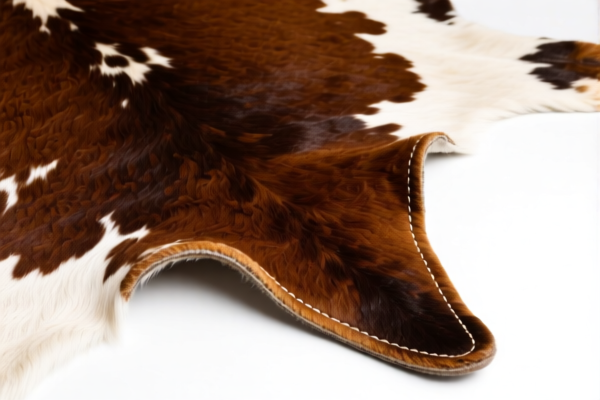
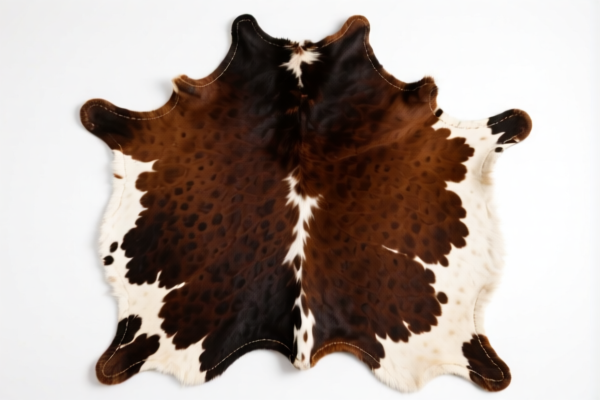
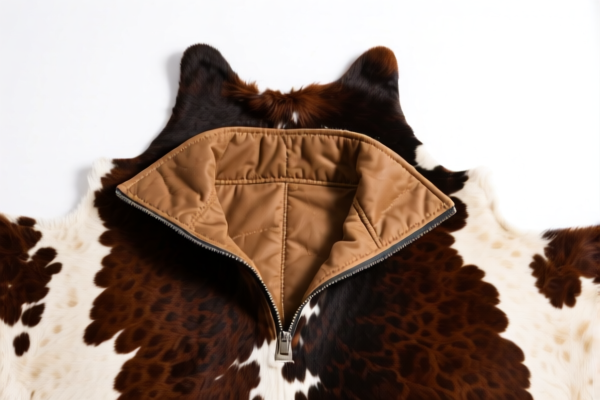
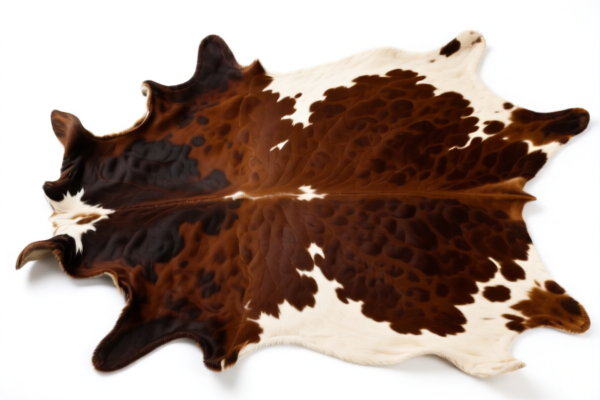
cowhide leather lining for clothing
CN → US| HS Code | Tariff Rate | Origin | Destination | Doc |
|---|---|---|---|---|
| 4114204000 | 38.6% | CN | US | Official Doc |
| 4104111040 | 35.0% | CN | US | Official Doc |
| 4114207000 | 36.6% | CN | US | Official Doc |
| 4205008000 | 35.0% | CN | US | Official Doc |
| 4113903000 | 38.3% | CN | US | Official Doc |
Product Images
AI Analysis
🧵 Cowhide Leather Lining for Clothing
🌐 HS Code Reference & Customs Clearance Guide | 2026 Latest Tariff Analysis | Professional Compliance Strategy
📌 I. Product Definition and Classification: What Exactly is "Cowhide Leather Lining"?
Cowhide leather lining is a specialized interior material used in high-end apparel, footwear, and accessories. It is not a finished garment but a component material classified under Chapter 41 (Leather). In international trade, classification depends heavily on whether the material is treated (e.g., patent/illuminated), its physical form (linings vs. general leather), and its specific end-use definition.
⚠️ Critical Distinction Points:
- Is it "Patent/Illuminated" (漆层/金属化)? If the cowhide has a surface coating that gives it a glossy/metallic finish, it falls under 4114.20.
- Is it Plain/Uncoated Lining? If it is plain cowhide explicitly used as a lining, it may fall under 4104.11 or 4113.90 depending on processing.
- Is it a "General Leather Product"? If it is cut into shapes (liners, pads) but not strictly "textile linings," it might be classified as 4205.00.
📦 II. HS Code Classification Matrix (2026 Latest Tariff Authority Reference)
Based on the provided data, here are the 5 possible HS Codes for Cowhide Leather Lining, with their specific tax implications for shipments from China to the US (or similar markets with 122/301 tariffs).
| HS Code | Product Description | Application Scenario | Key Classification Feature |
|---|---|---|---|
4114.20.40.00 |
Patent/Coated Cowhide Linings | Glossy/metallic finish, treated leather | ✅ Patent/Illuminated Layer present |
4104.11.10.40 |
Plain Cowhide Lining Material | Uncoated, defined strictly as "lining" | ✅ Plain Leather, no coating |
4114.20.70.00 |
Patent Cowhide Leather Material | General patent leather, not just lining | ✅ Patent Leather, broader category |
4205.00.80.00 |
Leather Articles (Liners/Inserts) | Cut shapes, pads, or semi-finished inserts | ✅ Leather Articles (Chapter 42) |
4113.90.30.00 |
Further Processed Cowhide | Deep-processed, specific industrial use | ✅ Further Processed, no coating |
🔍 Key Reminder:
- Patent Leather (4114) attracts a higher base tariff (1.6%–3.6%) compared to plain leather (0%–3.3%).
- Chapter 42 (4205) is often used for pre-cut or semi-finished leather goods (like shoe liners or jacket inserts) rather than bulk rolls of leather.
- Misclassification Risk: Declaring "Patent Leather" as "Plain Leather" to save on base tariff can lead to customs audits and penalties if the visual inspection reveals a glossy/coated surface.
💰 III. 2026 Latest Tariff Rate Breakdown (Including Surtaxes & Policy Add-ons)
✅ Applicable Market: USA (US)
✅ Country of Origin: China (CN)
✅ Effective Date: November 10, 2025 onwards (including subsequent imports)
⚠️ Note: All rates below include Base Tariff, Section 301 Surcharge (25%), and Section 122/IEEPA Surcharge (10%).
🎯 1. 4114.20.40.00 —— Patent Cowhide Lining Material
| Item | Details |
|---|---|
| Base Tariff | 3.6% |
| Section 301 Surcharge | +25.0% |
| Section 122 / IEEPA Surcharge | +10.0% |
| Total Effective Tax Rate | 38.6% |
| Tax Calculation | CIF Value × 38.6% |
| De Minimis Exemption | ❌ Not Eligible (High risk of rejection or scrutiny) |
| Legal Basis Path | Base: 4114.20.40 → 301: 25% → 122/IEEPA: 10% |
📌 Explanation:
- This is the highest base tariff option due to the "patent/coated" classification.
- The total burden of 38.6% makes this product highly sensitive to price wars.
🎯 2. 4104.11.10.40 —— Plain Cowhide Lining Material
| Item | Details |
|---|---|
| Base Tariff | 0.0% |
| Section 301 Surcharge | +25.0% |
| Section 122 / IEEPA Surcharge | +10.0% |
| Total Effective Tax Rate | 35.0% |
| Tax Calculation | CIF Value × 35.0% |
| De Minimis Exemption | ❌ Not Eligible |
| Legal Basis Path | Base: 4104.11.10 → 301: 25% → 122/IEEPA: 10% |
📌 Explanation:
- Lowest base tariff (0%) among leather products.
- However, the total 35.0% is still significant due to mandatory US surcharges.
- Must prove the material is not coated/patent to qualify for this 0% base rate.
🎯 3. 4114.20.70.00 —— Patent Cowhide Leather (General)
| Item | Details |
|---|---|
| Base Tariff | 1.6% |
| Section 301 Surcharge | +25.0% |
| Section 122 / IEEPA Surcharge | +10.0% |
| Total Effective Tax Rate | 36.6% |
| Tax Calculation | CIF Value × 36.6% |
| De Minimis Exemption | ❌ Not Eligible |
| Legal Basis Path | Base: 4114.20.70 → 301: 25% → 122/IEEPA: 10% |
📌 Explanation:
- Slightly higher base than plain leather but lower than specific patent linings (4114.20.40).
- Suitable if the product is general patent leather rather than a specific "lining" definition.
🎯 4. 4205.00.80.00 —— Leather Articles (Other)
| Item | Details |
|---|---|
| Base Tariff | 0.0% |
| Section 301 Surcharge | +25.0% |
| Section 122 / IEEPA Surcharge | +10.0% |
| Total Effective Tax Rate | 35.0% |
| Tax Calculation | CIF Value × 35.0% |
| De Minimis Exemption | ❌ Not Eligible |
| Legal Basis Path | Base: 4205.00.80 → 301: 25% → 122/IEEPA: 10% |
📌 Explanation:
- Classified as Chapter 42 (Articles of Leather) rather than raw leather.
- Ideal if the lining is pre-cut (e.g., jacket sleeves, shoe insoles) rather than bulk rolls.
- Base tariff is 0%, but total remains 35.0%.
🎯 5. 4113.90.30.00 —— Further Processed Cowhide
| Item | Details |
|---|---|
| Base Tariff | 3.3% |
| Section 301 Surcharge | +25.0% |
| Section 122 / IEEPA Surcharge | +10.0% |
| Total Effective Tax Rate | 38.3% |
| Tax Calculation | CIF Value × 38.3% |
| De Minimis Exemption | ❌ Not Eligible |
| Legal Basis Path | Base: 4113.90.30 → 301: 25% → 122/IEEPA: 10% |
📌 Explanation:
- For deeply processed cowhide that doesn't fit standard lining or patent categories.
- High base tariff (3.3%) leads to a total of 38.3%.
🛠️ IV. Customs Clearance Practical Advice (Real-World Pitfall Avoidance)
✅ 1. Required Documentation Checklist
| Document | Mandatory? | Purpose |
|---|---|---|
| ✅ Product Specification Sheet | ✔️ | Details texture, coating (patent vs. plain), thickness, and usage. |
| ✅ Material Composition Report | ✔️ | Proves 100% cowhide content. |
| ✅ High-Resolution Photos | ✔️ | Crucial: Must show surface texture (glossy = patent, matte = plain). |
| ✅ Commercial Invoice | ✔️ | Must clearly state "Cowhide Leather Lining" or "Leather Articles". Avoid vague terms like "Leather Parts". |
| ✅ Packing List | ✔️ | Show quantity, weight, and dimensions. |
| ✅ Certificate of Origin (CO) | ✔️ | Required for tariff calculation. |
| ✅ Pre-Cut Verification | ✔️ | If using 4205.00.80.00, provide photos showing pre-cut shapes to justify Chapter 42 classification. |
✅ 2. Declaration Strategy (Key Mantras)
🔥 "Coating Defines Base Rate, Cut Shape Defines Chapter, Surcharges Are Mandatory!"
| Scenario | Correct Declaration | Wrong Declaration | Consequence |
|---|---|---|---|
| Glossy/Metallic Lining | 4114.20.40.00 (Patent) |
Declared as "Plain Leather" (4104.11) |
Penalty + Back Taxes (Base diff 3.6%) |
| Pre-cut Liners/Inserts | 4205.00.80.00 (Leather Articles) |
Declared as Raw Leather (4104.11) |
Misclassification Risk (Chapter error) |
| Matte/Uncoated Lining | 4104.11.10.40 (Plain) |
Declared as "Patent" (4114.20) |
Overpayment of Tariff (Higher base rate) |
| Bulk Rolls vs. Sheets | Bulk = Ch 41; Sheets/Cut = Ch 42 | Mixed/Confused Description | Customs Query/Delay |
✅ 3. Special Situation Handling
| Situation | Handling Advice |
|---|---|
| Is the "Patent" Layer Thin? | Even a thin metallic coating triggers 4114. Do not argue for plain leather if visually glossy. |
| Is it Used for Shoes or Jackets? | End-use doesn't change HS code for raw lining. Keep classification under Ch 41 unless it's a finished good. |
| Pre-Cut vs. Bulk | If sold as pre-cut pieces for specific garments, use 4205.00.80.00 (Chapter 42) to potentially simplify classification, but ensure docs prove "articles of leather". |
| Small Samples | Even samples are subject to these tariffs if shipped via standard freight. De minimis may not apply for leather goods from China in many cases. |
🌍 V. Global Market Comparison (2026 Overview)
| Country/Region | Recommended HS Code | Estimated Total Tax (China Origin) | Key Certification | Note |
|---|---|---|---|---|
| 🇺🇸 USA | 4104.11.10.40 / 4114.20.40.00 |
35.0% – 38.6% | None specific, but accurate description is key | High Tariffs: 301 + 122 apply. |
| 🇨🇳 China | 4104.11.10.40 |
~10-13% | None | Lower domestic tax, but this guide focuses on export. |
| 🇪🇺 EU | 4104.11.10 |
~1.5 – 5% | REACH (Chemicals in coating) | No Section 301/122 equivalents. |
| 🇬🇧 UK | 4104.11.10 |
~5 – 10% | UKCA (if applicable) | Post-Brexit tariffs may vary slightly. |
📌 Conclusion:
- The US market is the most expensive due to the layered surcharges (25% + 10%).
- EU and other markets are significantly cheaper, making them preferable for high-value leather goods if supply chain allows.
📌 VI. Common Errors & Pitfalls (Lessons Learned)
❌ Error 1: Calling "Patent Leather" "Plain Leather" to save 3.6% base tax.
👉 Result: Customs inspection reveals coating → Penalties + Back Taxes + Audit.
❌ Error 2: Using Chapter 41 (4104) for pre-cut leather pieces.
👉 Result: Customs may reclassify to Chapter 42 (4205), causing delays and potential duty reassessment.
❌ Error 3: Ignoring the "122 Clause" (10%).
👉 Result: Underquoting total cost by 10%, leading to unexpected budget overruns.
❌ Error 4: Vague Description: "Leather".
👉 Result: Customs cannot determine base rate (0% vs 3.6%) → Hold for Inspection.
✅ Correct Practice:
"Cowhide Leather Lining, Patent Finish, Unlined, 0.5mm Thickness, For Jacket Interior, HS 4114.20.40.00"
🎯 VII. Conclusion: Precision in Classification Saves Money!
🎯 Key Takeaway:
🔹 "Coating = Higher Base Rate (3.6%); No Coating = Lower Base Rate (0%)"
🔹 "Pre-Cut = Chapter 42 (4205)"; "Rolls = Chapter 41 (4104/4114)"
🔹 "US Tariffs Are Fixed: 25% + 10% on Top of Base"
📌 Pro Tip:
- If your product is uncoated, always aim for 4104.11.10.40 (35.0%).
- If it is pre-cut, consider 4205.00.80.00 (35.0%) to align with "Articles" definition.
- Never misrepresent patent leather as plain; the visual evidence is undeniable.
📣 Immediate Action:
📞 Provide Clear Photos (Matte vs. Glossy) to your customs broker.
📄 Specify "Pre-Cut" or "Bulk" in your invoice.
🚀 Calculate Landed Cost using 35.0% – 38.6% to ensure profit margins.
✨ Professional clearance starts with accurate classification!
💼 Every percent of tax matters in the leather trade!
Customer Reviews
About HS Code Classification
The Harmonized System (HS) is an internationally standardized nomenclature developed by the World Customs Organization (WCO) to classify traded products. Over 200 countries use the HS system as the basis for customs tariffs, trade statistics, and import/export regulations.
Each HS code follows a hierarchical structure:
- Chapter (2 digits) — Broad category of goods (e.g., Chapter 84: Machinery and Mechanical Appliances)
- Heading (4 digits) — More specific grouping within the chapter
- Subheading (6 digits) — Internationally standardized breakdown, used by all WCO member countries
- National subdivisions (8-10 digits) — Country-specific extensions for further classification, such as US HTSUS 10-digit codes
Correct HS code classification is essential for smooth customs clearance, accurate duty payment, and compliance with trade regulations. Misclassification can lead to customs delays, overpayment of duties, or penalties.
When importing from CN to US, the applicable tariff rates may include:
- Most-Favored-Nation (MFN) rate — The standard duty rate applied to WTO members
- General rate — Applied to countries without trade agreements
- Trade remedy duties — Additional tariffs such as Section 301 (anti-dumping), Section 232 (national security), or countervailing duties
The information provided on this page is for reference purposes only. For official classification, please consult with your local customs authority or a licensed customs broker.