creative garden tree decoration
CN → US| HS Code | Tariff Rate | Origin | Destination | Doc |
|---|---|---|---|---|
| 8306210000 | 22.0% | CN | US | Official Doc |
| 4421999880 | 38.3% | CN | US | Official Doc |
| 4421919880 | 38.3% | CN | US | Official Doc |
| 3926400090 | 15.3% | CN | US | Official Doc |
| 3926400010 | 15.3% | CN | US | Official Doc |
Product Images
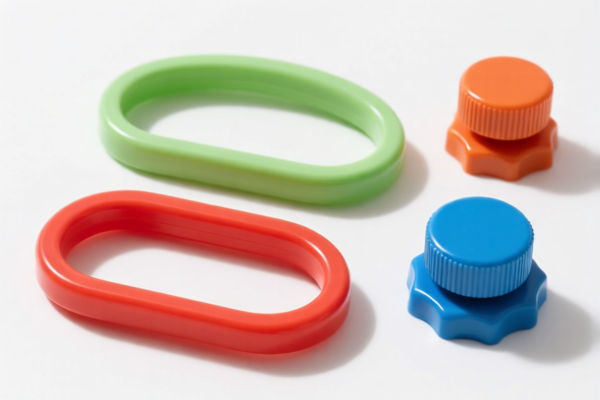
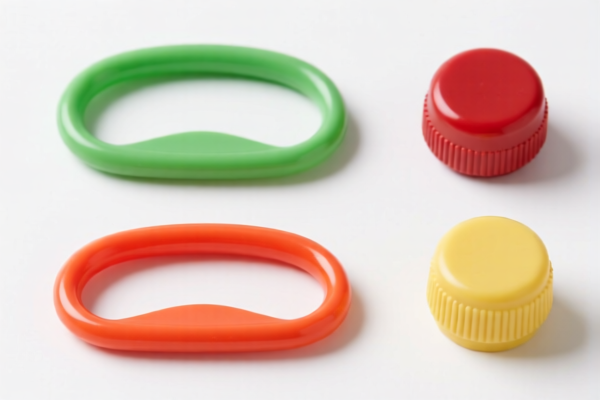
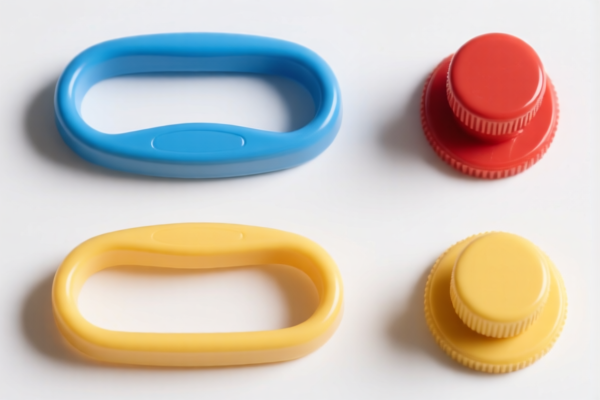
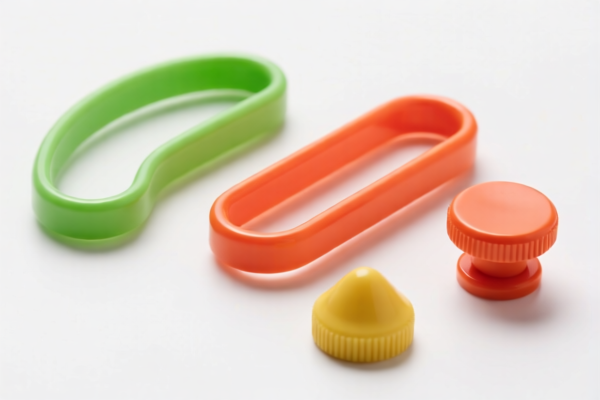
AI Analysis
🌳 Creative Garden Tree Decoration
🌐 HS Code Reference & Customs Clearance Guide | 2026 Latest Tariff Analysis | Professional Clearance Strategy
📌 I. Product Definition & Classification: What Exactly is a "Garden Tree Decoration"?
Creative Garden Tree Decorations are aesthetic items designed to adorn residential or commercial outdoor spaces, specifically trees. In international trade, these items fall into two primary categories based on material composition and structural form:
1. Metal Ornaments (贱金属装饰品): Often made of iron, steel, aluminum, or other base metals. These include wind chimes, metal stars, hanging plaques, or sculptural figures. 2. Wooden/Bamboo Ornaments (木/竹制品): Carved wooden balls, bamboo wind chimes, rustic wooden signs, or natural fiber hangings. 3. Plastic/Resin Ornaments (塑料/树脂装饰品): Brightly colored plastic shapes, resin figurines, or polymer-based decorative nets.
⚠️ Key Classification Point:
- If the item is primarily metal and used as an ornament → It likely falls under Chapter 83.
- If the item is primarily wood/bamboo → It likely falls under Chapter 44.
- If the item is primarily plastic/resin → It likely falls under Chapter 39.
📦 II. HS Code Classification Details (2026 Latest Tariff Authority Comparison)
| HS Code | Product Description | Material Inference | Application Scenario |
|---|---|---|---|
8306.21.00.00 |
Bells and parts thereof; non-electric fittings and accessories... | Base Metal (Iron, Steel, Aluminum) | Metal wind chimes, metal stars, hanging plaques |
4421.99.98.80 |
Other wooden articles; non-specific purpose decorations | Wood | General wooden decorations, rustic signs, carved wood pieces |
4421.91.98.80 |
Other wooden articles; decorative items among others | Wood/Bamboo | Wooden ornaments, bamboo wind chimes, specific decorative wood items |
3926.40.00.90 |
Other articles of plastics and articles of other materials of headings 3901 to 3914 | Plastic/Resin | Plastic garden stars, resin figures, decorative nets |
3926.40.00.10 |
Other articles of plastics and articles of other materials of headings 3901 to 3914 | Plastic/Resin | Highly decorative plastic items, specific plastic ornamental goods |
🔍 Key Reminder:
- Material is King: The customs officer will primarily look at the main material to determine the chapter.
- "Decorative" vs. "Functional": If the item has a functional use (e.g., a metal hook for hanging things), it might not be classified as an "ornament." However, pure decorative items fall under these specific subheadings.
- Packaging: If sold as a set (e.g., "Wooden Star + Metal Hook"), the essential character of the set determines the classification.
💰 III. 2026 Latest Tariff Rate Breakdown (Including Additional Taxes & Policy Surcharges)
✅ Applicable Country: United States (US)
✅ Origin: China (CN)
✅ Effective Date: From November 10, 2025 (Including subsequent imports)
🎯 1. 8306.21.00.00 —— Base Metal Ornaments (e.g., Metal Wind Chimes, Stars)
| Item | Content |
|---|---|
| Base Tariff | 4.5% (ad valorem) |
| Additional Tariff (301) | +7.5% |
| Section 122 Tariff | +10% |
| Total Tariff Rate | 22.0% |
| Tax Calculation | CIF Value × 22.0% |
| De Minimis Eligibility | ❌ Not Eligible (High tax rate exceeds de minimis threshold benefits in some contexts, though technically de minimis applies to low-value shipments, high tariffs make small shipments less cost-effective if duties are collected) |
| Legal Basis Path | HTSUS:8306.21.00.00 → Section 122 → 301 Tariff |
📌 Explanation:
- Base Tariff (4.5%): Standard Most Favored Nation (MFN) rate for base metal articles.
- 301 Additional Tariff (7.5%): Imposed under the US Trade Act Section 301 due to trade concerns.
- Section 122 Tariff (10%): A specific surcharge applied to certain goods from China under Section 122 of the Trade Act.
- Total 22.0%: This is a moderately high rate for metal goods. Metal decorations often face stricter scrutiny due to dumping duties or anti-circumvention investigations.
🎯 2. 4421.99.98.80 & 4421.91.98.80 —— Wooden/Bamboo Decorations
| Item | Content |
|---|---|
| Base Tariff | 3.3% (ad valorem) |
| Additional Tariff (301) | +25.0% |
| Section 122 Tariff | +10% |
| Total Tariff Rate | 38.3% |
| Tax Calculation | CIF Value × 38.3% |
| De Minimis Eligibility | ❌ Not Eligible |
| Legal Basis Path | HTSUS:4421.99.98.80 / 4421.91.98.80 → Section 122 → 301 Tariff |
📌 Explanation:
- Base Tariff (3.3%): Standard MFN rate for wooden articles.
- 301 Additional Tariff (25.0%): Crucial Point: Wooden products from China are subject to the highest 301 tariff rate (25%).
- Section 122 Tariff (10%): Applies in addition to the 301 tariff.
- Total 38.3%: This is a very high tariff rate. Wooden decorations are highly sensitive to trade wars.
- Note: Whether it’s4421.99.98.80(general other wooden articles) or4421.91.98.80(specifically decorative wooden items), the tariff structure is identical under current 301 rules.
🎯 3. 3926.40.00.90 & 3926.40.00.10 —— Plastic/Resin Decorations
| Item | Content |
|---|---|
| Base Tariff | 5.3% (ad valorem) |
| Additional Tariff (301) | 0.0% |
| Section 122 Tariff | +10% |
| Total Tariff Rate | 15.3% |
| Tax Calculation | CIF Value × 15.3% |
| De Minimis Eligibility | ❌ Not Eligible (Due to Section 122, de minimis may not apply or is less beneficial) |
| Legal Basis Path | HTSUS:3926.40.00.90 / 3926.40.00.10 → Section 122 |
📌 Explanation:
- Base Tariff (5.3%): Standard MFN rate for plastic articles.
- 301 Additional Tariff (0.0%): Key Advantage: Plastic decorations (3926.40) are NOT subject to the 25% or 7.5% 301 tariff. This is a significant cost saver.
- Section 122 Tariff (10%): Still applies.
- Total 15.3%: This is the most cost-effective option among the three.
- Note: Ensure the product is primarily plastic. If it contains metal hooks or wooden accents, customs may reclassify it.
🛠️ IV. Customs Clearance Practical Advice (Battle-Tested Pitfall Avoidance)
✅ 1. Required Document Checklist (Non-negotiable)
| Document | Mandatory | Description |
|---|---|---|
| ✅ Product Specification Sheet | ✔️ | Must clearly state main material (e.g., "100% Plastic," "Solid Wood," "Alloy Metal"). |
| ✅ Product Photos (Clear Labels) | ✔️ | Show the item, its packaging, and any material labels. |
| ✅ Material Composition Statement | ✔️ | A signed document declaring % of materials (e.g., "80% Plastic, 20% Metal Hooks"). |
| ✅ Commercial Invoice | ✔️ | Must specify "Garden Tree Decoration" and not just "Gift" or "Article." |
| ✅ Packing List | ✔️ | Detail weight and dimensions to avoid volume weight disputes. |
| ✅ Certificate of Origin (CO) | ✔️ | If applicable, to verify China origin. |
✅ 2. Declaration Tips (Key Mantras)
🔥 "Material First, Purpose Second, Name Precise, Tax Reduced!"
| Scenario | Correct Declaration | Wrong Practice |
|---|---|---|
| Plastic Star | 3926.40.00.10 (Plastic Article) |
Declare as "Wooden Star" → 38.3% Tax! |
| Metal Wind Chime | 8306.21.00.00 (Base Metal Ornament) |
Declare as "Plastic Ornament" → Misclassification Risk |
| Wooden Sign | 4421.99.98.80 or 4421.91.98.80 |
Declare as "Plastic Sign" → Misclassification Risk |
| Mixed Material Set | Declare Main Material | Split declaration → Higher Total Tax & Delay |
✅ 3. Special Cases Handling
| Scenario | Handling Advice |
|---|---|
| Mixed Material Set (e.g., Wood + Metal Hook) | If metal hook is <5% of value, declare as Wooden. If metal is >5%, consider Metal classification. Best Practice: Use mostly plastic to get 15.3% rate. |
| Painted Metal/Plastic | Ensure paint is part of the molding/painting process, not a separate heavy coating that might change classification. |
| LED-Embedded Decorations | If it has batteries/light sources, it may be classified under Chapter 85 (Electrical Equipment), which has different tariffs. Check carefully! |
| Natural vs. Artificial Wood | "Natural" wood falls under 4421. "Engineered wood" (MDF, Particle Board) may also fall under 4421 but verify specific subheadings. |
🌍 V. Global Market Comparison (2026 Latest)
| Country/Region | Recommended HS Code | Tariff Rate (China Origin) | Certification Required | Notes |
|---|---|---|---|---|
| 🇺🇸 USA | 3926.40.00.10 (Plastic) |
15.3% (Lowest) | FTC, CPSIA (if for kids) | Avoid Wood/Metal due to 25-38% taxes |
| 🇨🇳 China | 3926.40.00.10 |
~5-10% | CCC (if applicable) | Low entry barrier |
| 🇪🇺 EU | 3926.40.00.90 |
0-4.5% | CE, REACH, RoHS | No Section 122, low tariffs |
| 🇬🇧 UK | 3926.40.00.90 |
0-4.5% | UKCA, REACH | Post-Brexit rules apply |
| 🇯🇵 Japan | 3926.40.00.90 |
5% | JIS | Moderate tariff |
📌 Conclusion:
- USA is the most challenging market due to Section 122 + 301 tariffs.
- Plastic (3926.40) is the best material choice for US export due to lower total tax (15.3% vs 22-38.3%).
- Wood (4421) is highly discouraged for US export due to the 25% 301 tariff.
📌 VI. Common Errors & Pitfall Guide (Lessons Learned)
❌ Error 1: Declaring "Plastic" but sending "Wood"
👉 Consequence: Seizure, Penalty, and Back Taxes! Customs uses X-ray and physical inspection.
❌ Error 2: Ignoring the Hook/Attachment Material
👉 Consequence: If a "Plastic Star" has a thick iron wire hook, customs may reclassify it as Metal Ornament (22% tax) or even Part of Metal Article.
👉 Fix: Use plastic hooks or ensure metal is minimal.
❌ Error 3: Using vague terms like "Ornament" or "Decoration"
👉 Consequence: Customs may assign a general tariff code with higher rates or require manual review, causing delays.
👉 Fix: Use specific terms: "Plastic Garden Decoration," "Wooden Tree Ornament."
✅ Correct Approach:
"Artificial Plastic Garden Tree Decoration, Non-Electrical, Model XYZ, Primary Material: Polypropylene, Hook: Plastic"
🎯 VII. Conclusion: Precise Classification, Cost Savings, Efficient Clearance!
🎯 Remember the Mantra:
🔹 "Plastic is King in USA (15.3%), Wood is Queen of Tax (38.3%), Metal is Middle (22.0%)."
🔹 "Material determines HS Code, HS Code determines Tax, Tax determines Profit!"
📌 Pro Tip:
If you are exporting to the US, strongly consider switching to Plastic or Resin materials for garden decorations to save 7-23% in tariffs compared to wood or metal.
Always apply for an Advance Ruling from US Customs (CBP) if your product has mixed materials.
📣 Immediate Action:
📞 Contact a professional customs broker + Provide material specs + Apply for HS Code Advance Ruling
🚀 Let your garden decorations clear customs smoothly, maximize profits, and shine abroad!
✨ Professional clearance starts with accurate classification!
💼 Every cent of tax saved is pure profit!
Customer Reviews
About HS Code Classification
The Harmonized System (HS) is an internationally standardized nomenclature developed by the World Customs Organization (WCO) to classify traded products. Over 200 countries use the HS system as the basis for customs tariffs, trade statistics, and import/export regulations.
Each HS code follows a hierarchical structure:
- Chapter (2 digits) — Broad category of goods (e.g., Chapter 84: Machinery and Mechanical Appliances)
- Heading (4 digits) — More specific grouping within the chapter
- Subheading (6 digits) — Internationally standardized breakdown, used by all WCO member countries
- National subdivisions (8-10 digits) — Country-specific extensions for further classification, such as US HTSUS 10-digit codes
Correct HS code classification is essential for smooth customs clearance, accurate duty payment, and compliance with trade regulations. Misclassification can lead to customs delays, overpayment of duties, or penalties.
When importing from CN to US, the applicable tariff rates may include:
- Most-Favored-Nation (MFN) rate — The standard duty rate applied to WTO members
- General rate — Applied to countries without trade agreements
- Trade remedy duties — Additional tariffs such as Section 301 (anti-dumping), Section 232 (national security), or countervailing duties
The information provided on this page is for reference purposes only. For official classification, please consult with your local customs authority or a licensed customs broker.