crimping tool
CN → US| HS Code | Tariff Rate | Origin | Destination | Doc |
|---|---|---|---|---|
| 8203202000 | 39.0% | CN | US | Official Doc |
| 7326190080 | 87.9% | CN | US | Official Doc |
| 7326908688 | 87.9% | CN | US | Official Doc |
| 8203206030 | 0.0% | CN | US | Official Doc |
| 8205595560 | 40.3% | CN | US | Official Doc |
Product Images
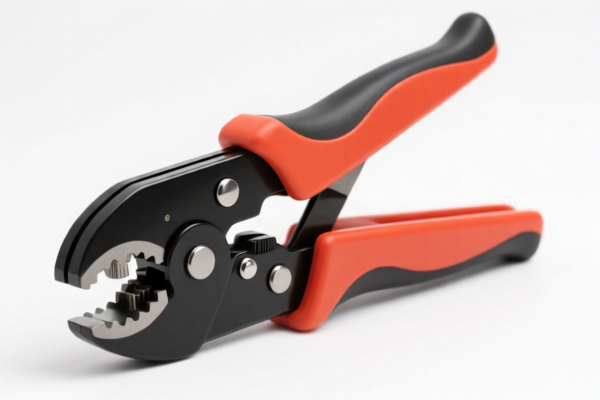
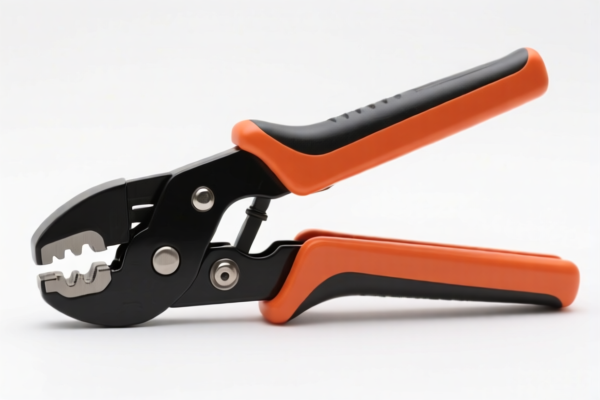
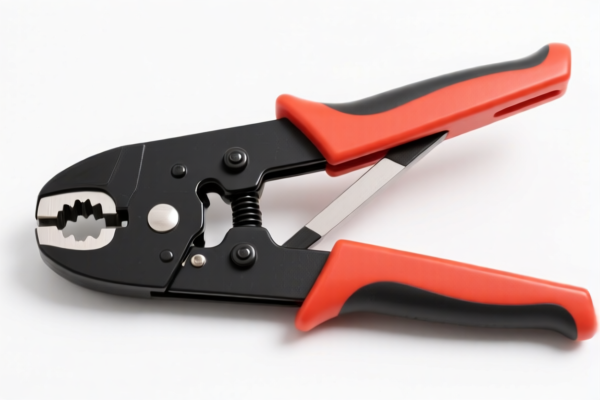
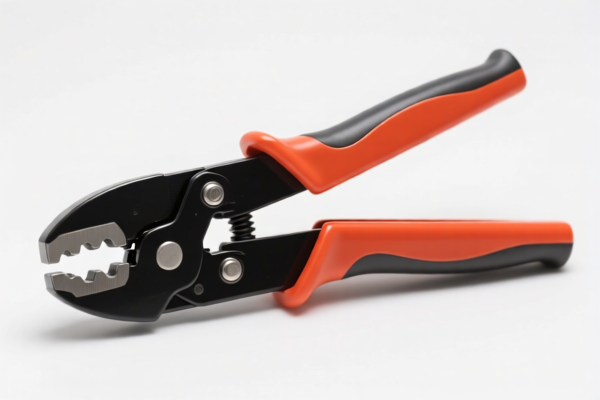
AI Analysis
🔧 Crimping Tools (Hand Tools for Electrical/Mechanical Connections)
🌐 HS Code Reference & Customs Clearance Guide | 2026 Latest Tariff Analysis | Professional Clearance Strategy
📌 I. Product Definition & Classification: What Exactly is a "Crimping Tool"?
Crimping tools are essential manual instruments used to deform (crimp) connectors onto wires, terminals, or other components to create secure electrical or mechanical connections. In international trade, their classification hinges on function (is it a standard plier-like tool?) vs. material/composition (is it a generic metal article?).
Manual Crimping Pliers (Hand Tools): Tools that resemble standard pliers/wrenches, used for manual force application. → Chapter 82
Generic Metal Articles: If the tool lacks specific "hand tool" characteristics or is considered a generic steel fabrication. → Chapter 73
Power/Other Tools: If the crimping tool is pneumatic, hydraulic, or electronic (not hand-operated). → Chapter 84
⚠️ Key Distinction Point:
- If it is a hand-held, manual tool shaped like pliers/wrenches →归类 to HS 8203 (Pliers, etc.)
- If it is a generic metal forging/stamping without specific tool shape →归类 to HS 7326 (Other steel articles)
- If it is powered (electric/pneumatic) →归类 to HS 8467 (Tools for working in hand)
📦 II. HS Code Classification Details (2026 Latest Tariff Authority Comparison)
| HS Code | Product Description | Applicable Scenario | Reason for Classification |
|---|---|---|---|
8203.20.20.00 |
Pliers and similar hand tools, including cutting pliers | Manual Crimping Pliers (Standard hand-held type) | Highly matches "Pliers and similar tools" in usage and category |
7326.19.00.80 |
Other articles of iron or steel, forged or stamped | Generic Metal Crimping Heads or non-tool shaped parts | Fits the morphology of forged/stamped steel products; "Catch-all" logic |
7326.90.86.88 |
Other articles of iron or steel, n.e.s. | Metal Manual Crimping Tools (if not strictly "plieirs") | Belongs to metal-made manual tools, fitting "Other iron/steel articles" material characteristics |
8203.20.60.30 |
Pliers, n.e.s. (Not elsewhere specified) | Specialized Manual Crimping Pliers | Matches the usage definition of "pliers" and inferred metal material |
8205.59.55.60 |
Other hand tools, n.e.s. | Crimping Tools (if not strictly pliers) | Belongs to hand tools category; inferred main parts are metal, fits "Other hand tools" catch-all |
8467.89.10.00 |
Other tools for working in hand, pneumatic or otherwise | Power/Electric Crimping Tools | Fits the "Tools for working in hand" category, inferred for metal processing or cable connection |
🔍 Key Reminder:
- Manual crimping tools that look like pliers/wrenches should prioritize HS 8203.
- If the customs officer questions whether it’s a "tool" or just a "metal part," HS 7326 is often the defensive fallback, but carries higher tariffs.
- Powered crimping tools must go to HS 8467, not Chapter 82.
💰 III. 2026 Latest Tariff Rate Breakdown (Including Surcharge Policies)
✅ Applicable Country: United States (US)
✅ Country of Origin: China (CN)
✅ Effective Date: 2025+ (Includes subsequent imports)
🎯 1. 8203.20.20.00 —— Pliers and Similar Hand Tools (Manual Crimping Pliers)
| Item | Content |
|---|---|
| Base Tariff | 4.0% |
| Section 301 Surcharge | +25.0% |
| Section 122 Tariff | +10.0% |
| Total Tariff | 39.0% |
| Tax Calculation | CIF Value × 39.0% |
| De Minimis Exemption | ❌ Not Available (Denied) |
| Legal Basis Path | USITC:8203.20.20.00 → FOOTNOTE:301 → IEEPA:122 |
📌 Explanation:
- This is the most favorable classification for standard manual crimping pliers.
- The total rate is 39%, which is high but significantly lower than the "generic steel" classification.
- Do not misdeclare as "steel parts" to avoid higher rates.
🎯 2. 7326.19.00.80 —— Other Articles of Iron or Steel (Forged/Stamped)
| Item | Content |
|---|---|
| Base Tariff | 2.9% |
| Section 301 Surcharge | +25.0% |
| Section 122 Tariff | +10.0% |
| Steel/Aluminum/Copper Surcharge | +50.0% |
| Total Tariff | 87.9% |
| Tax Calculation | CIF Value × 87.9% |
| De Minimis Exemption | ❌ Not Available (Denied) |
| Legal Basis Path | USITC:7326.19.00.80 → FOOTNOTE:301 → IEEPA:122 → FOOTNOTE:STEEL_50 |
📌 Warning:
- If classified as a generic steel article, the rate jumps to 87.9% due to the additional 50% steel surcharge.
- This classification is usually a result of incorrect declaration (e.g., declaring as "steel part" instead of "tool").
- Avoid this at all costs!
🎯 3. 7326.90.86.88 —— Other Articles of Iron or Steel (N.E.S.)
| Item | Content |
|---|---|
| Base Tariff | 2.9% |
| Section 301 Surcharge | +25.0% |
| Section 122 Tariff | +10.0% |
| Steel/Aluminum/Copper Surcharge | +50.0% |
| Total Tariff | 87.9% |
| Tax Calculation | CIF Value × 87.9% |
| De Minimis Exemption | ❌ Not Available (Denied) |
| Legal Basis Path | USITC:7326.90.86.88 → FOOTNOTE:301 → IEEPA:122 → FOOTNOTE:STEEL_50 |
📌 Warning:
- Same as above. 87.9% is punitive.
- Only use if the item is not considered a "hand tool" (e.g., a metal bracket used in crimping, not the tool itself).
🎯 4. 8203.20.60.30 —— Pliers, n.e.s. (Specialized)
| Item | Content |
|---|---|
| Base Tariff | 12¢/doz. + 5.5% |
| Section 301 Surcharge | +25.0% |
| Section 122 Tariff | +10.0% |
| Total Tariff | 12¢/doz. + 40.5% |
| Tax Calculation | (12¢ × Quantity/12) + (CIF × 40.5%) |
| De Minimis Exemption | ❌ Not Available (Denied) |
| Legal Basis Path | USITC:8203.20.60.30 → FOOTNOTE:301 → IEEPA:122 |
📌 Note:
- Slightly higher base rate than8203.20.20.00due to different sub-classification within pliers.
- Total effective rate is approx. 40.5%. Still much better than 87.9%.
🎯 5. 8205.59.55.60 —— Other Hand Tools (n.e.s.)
| Item | Content |
|---|---|
| Base Tariff | 5.3% |
| Section 301 Surcharge | +25.0% |
| Section 122 Tariff | +10.0% |
| Total Tariff | 40.3% |
| Tax Calculation | CIF Value × 40.3% |
| De Minimis Exemption | ❌ Not Available (Denied) |
| Legal Basis Path | USITC:8205.59.55.60 → FOOTNOTE:301 → IEEPA:122 |
📌 Note:
- Used for hand tools that don’t fit "pliers" (e.g., wrenches, screwdrivers, or specialized crimpers).
- Rate is 40.3%. Acceptable if8203is contested.
🎯 6. 8467.89.10.00 —— Other Power Tools (Pneumatic/Electric)
| Item | Content |
|---|---|
| Base Tariff | 0.0% |
| Section 301 Surcharge | +7.5% |
| Section 122 Tariff | +10.0% |
| Total Tariff | 17.5% |
| Tax Calculation | CIF Value × 17.5% |
| De Minimis Exemption | ❌ Not Available (Denied) |
| Legal Basis Path | USITC:8467.89.10.00 → FOOTNOTE:301 → IEEPA:122 |
📌 Best Option for Powered Tools:
- If your crimping tool is electric or pneumatic, it must go to HS 8467.
- Rate is only 17.5%, the lowest among all options.
- Do not declare powered tools as hand tools!
🛠️ IV. Customs Clearance Practical Advice (Real-World Pitfall Avoidance)
✅ 1. Document Checklist (Missing items cause delays)
| Document | Required | Description |
|---|---|---|
| ✅ Product Specification Sheet | ✔️ | Must state: Hand-held vs. Power, Material, Usage |
| ✅ Product Photos | ✔️ | Clear images showing handle, jaw, mechanism. If powered, show motor/battery. |
| ✅ Commercial Invoice | ✔️ | Clearly describe as "Manual Crimping Pliers" or "Electric Crimping Tool" |
| ✅ Packing List | ✔️ | No hidden parts that look like separate steel items |
| ✅ Certification | ✔️ | If powered: UL, CE, FCC. If manual: None required, but quality certs help. |
✅ 2. Declaration Tips (Key Mantra)
🔥 "Manual = Pliers, Powered = Tool, Shape Matters!"
| Scenario | Correct Declaration | Wrong Approach |
|---|---|---|
| Hand-held Crimping Pliers | HS 8203.20.20.00 ("Pliers for crimping") |
Declare as "Steel Tool Part" → 87.9% |
| Electric Crimping Gun | HS 8467.89.10.00 ("Electric crimping tool") |
Declare as "Hand Tool" → 40.3% (Incorrect) |
| Crimping Die/Head Only | HS 8205.59.55.60 or 7326 |
Declare as "Tool" → Risk of audit |
| Bundle of Pliers | HS 8203.20.20.00 |
Declare as "Steel Bars" → 87.9% |
✅ 3. Special Handling
| Situation | Advice |
|---|---|
| OEM Custom Crimpers | Provide design drawings to prove "tool" functionality, not just "metal shape" |
| Crimping Tool with Replacement Dies | Declare as one unit under the tool's HS Code. Do not split into "Tool" + "Dies" unless dies are sold separately |
| Power Supply Included | If sold together, the tool determines the HS Code. Power supply is an accessory. |
🌍 V. Global Market Clearance Comparison (2026)
| Country/Region | Recommended HS Code | Tariff (China Origin) | Notes |
|---|---|---|---|
| 🇺🇸 USA | 8203.20.20.00 (Manual)8467.89.10.00 (Power) |
39.0% (Manual) 17.5% (Power) |
High tariffs due to 301 + 122. Avoid HS 7326. |
| 🇨🇳 China | 8203.20.20.00 |
~5-10% | Low tariff, no surcharges |
| 🇪🇺 EU | 8203.20.20.00 |
0% (Most MFN) | No surcharges, but需 CE marking |
| 🇬🇧 UK | 8203.20.20.00 |
0-2% | Post-Brexit rates favorable |
| 🇯🇵 Japan | 8203.20.20.00 |
0% | No surcharges |
📌 Conclusion:
- USA is the most challenging market due to 39%+ tariffs.
- Power tools are much cheaper to import into the US (17.5%) than manual tools (39%).
- Never use HS7326for crimping tools unless absolutely necessary, as 87.9% is catastrophic.
📌 VI. Common Mistakes & Pitfalls (Lessons Learned)
❌ Mistake 1: Declaring "Crimping Pliers" as "Steel Forging Parts"
👉 Consequence: Tax rate jumps from 39% to 87.9% → Loss of Profit!
❌ Mistake 2: Declaring Electric Crimping Tools as "Hand Tools"
👉 Consequence: Misclassification audit, potential 7.5% penalty + back taxes.
❌ Mistake 3: Not showing Power Source in Photos
👉 Consequence: Customs may downgrade from HS 8467 (17.5%) to HS 8203 (39%) if they assume it’s manual.
❌ Mistake 4: Using vague names like "Metal Tool"
👉 Consequence: Customs discretion → High Risk of 87.9% classification.
✅ Correct Practice:
"Manual Crimping Pliers, Steel Jaw, Plastic Handle, For Electrical Wire Termination"
OR
"Electric Crimping Tool, 110V, with Battery, For Terminal Connection"
🎯 VII. Conclusion: Professional Declaration, Cost Savings!
🎯 Remember:
🔹 "Manual = 8203 (39%), Powered = 8467 (17.5%), Steel Part = 7326 (87.9%)"
🔹 "Choose the right HS Code, save 50% in taxes!"
🔹 "If it plugs in, it’s 8467. If you squeeze it, it’s 8203."
📌 Pro Tip:
If your crimping tools are originating from Vietnam, Mexico, or Thailand, you may qualify for IEEPA Exemptions, reducing tariffs to 0-5%.
Recommend applying for an Advance Ruling before shipping to the US.
📣 Act Now:
📞 Contact a professional customs broker + Provide clear product photos + Apply for HS Code Advance Ruling
🚀 Ensure smooth customs clearance, maximize profit margins!
✨ Professional Clearance Starts with Accurate Classification!
💼 Every cent counts in international trade!
Customer Reviews
About HS Code Classification
The Harmonized System (HS) is an internationally standardized nomenclature developed by the World Customs Organization (WCO) to classify traded products. Over 200 countries use the HS system as the basis for customs tariffs, trade statistics, and import/export regulations.
Each HS code follows a hierarchical structure:
- Chapter (2 digits) — Broad category of goods (e.g., Chapter 84: Machinery and Mechanical Appliances)
- Heading (4 digits) — More specific grouping within the chapter
- Subheading (6 digits) — Internationally standardized breakdown, used by all WCO member countries
- National subdivisions (8-10 digits) — Country-specific extensions for further classification, such as US HTSUS 10-digit codes
Correct HS code classification is essential for smooth customs clearance, accurate duty payment, and compliance with trade regulations. Misclassification can lead to customs delays, overpayment of duties, or penalties.
When importing from CN to US, the applicable tariff rates may include:
- Most-Favored-Nation (MFN) rate — The standard duty rate applied to WTO members
- General rate — Applied to countries without trade agreements
- Trade remedy duties — Additional tariffs such as Section 301 (anti-dumping), Section 232 (national security), or countervailing duties
The information provided on this page is for reference purposes only. For official classification, please consult with your local customs authority or a licensed customs broker.