crimping tool set
CN → US| HS Code | Tariff Rate | Origin | Destination | Doc |
|---|---|---|---|---|
| 8205595560 | 40.3% | CN | US | Official Doc |
| 8467891000 | 17.5% | CN | US | Official Doc |
| 8206000000 | 0.0% | CN | US | Official Doc |
| 8205906000 | 0.0% | CN | US | Official Doc |
| 8467990190 | 35.0% | CN | US | Official Doc |
Product Images
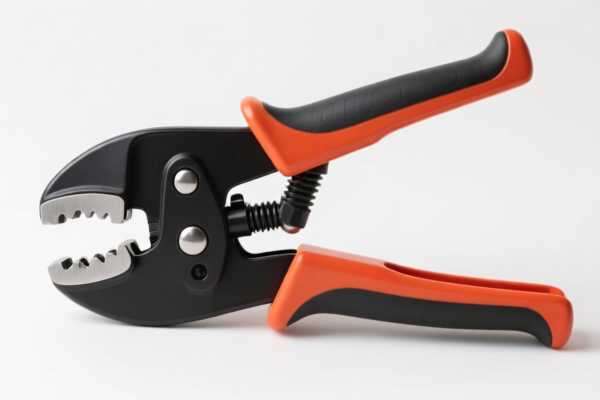
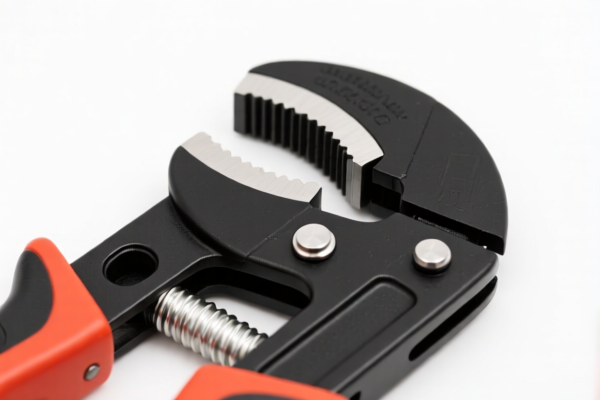
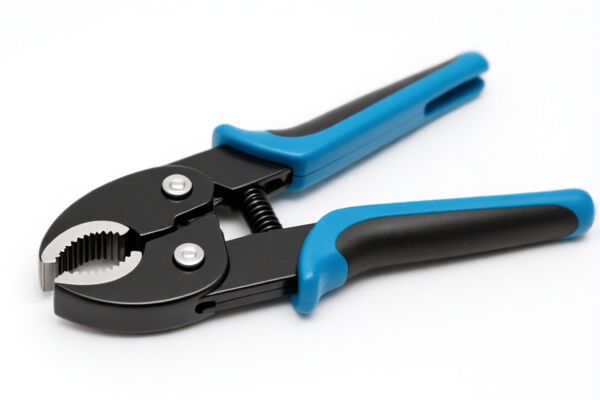
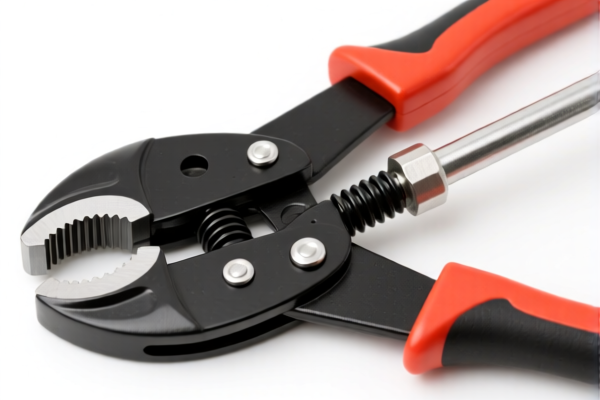
AI Analysis
🔧 Crimping Tool Set (Hand Tools & Electrical Connectors)
🌐 HS Code Reference & Customs Clearance Guide | 2024/2025 Latest Tariff Analysis | Professional Strategy for US Imports
📌 I. Product Definition & Classification: What Exactly is a "Crimping Tool Set"?
A Crimping Tool Set typically refers to a package containing one or more hand-operated tools used to deform (crimp) a connector, terminal, or sleeve onto a wire or cable. In international trade, classification depends heavily on two factors:
1. Whether it is a single tool or a kit/set;
2. Whether it is classified as a "hand tool" (Chapter 82) or a "power tool/accessory" (Chapter 84).
⚠️ Key Distinction:
- If it is a single manual tool (e.g., a handheld ratchet crimper) → Likely Chapter 82 (Tools of Base Metal).
- If it is a power-assisted tool (pneumatic/electric) → Likely Chapter 84 (Machinery/Power Tools).
- If it is a retail-packaged combination (e.g., crimper + cutting pliers + screwdriver in a case) → Likely Chapter 82, Heading 8206 (Sets of tools).
📦 II. HS Code Classification Details (Based on Provided Data)
Below are the five possible HS Codes identified for the Crimping Tool Set, along with their specific tax implications.
| HS Code | Product Description | Applicable Scenario | Total Tax Rate |
|---|---|---|---|
| 8205.59.55.60 | Individual Hand Tool (Metal, not electric) | Single crimping tool, not part of a set. | 40.3% |
| 8467.89.10.00 | Power Tool / Metalworking Tool | Electric/Pneumatic crimper used for metal processing. | 17.5% |
| 8206.00.00.00 | Kit / Set of Tools (Retail Packaged) | Two+ tools packed together for retail sale. | Variable + 35.0% |
| 8205.90.60.00 | Set Article (Mixed Hand Tools) | Mixed hand tools classified as a set. | Variable + 35.0% |
| 8467.99.01.90 | Parts/Accessories of Power Tools | Hand-held tool category or kit containing tool body & parts. | 35.0% |
🔍 Critical Note:
- The term "Set" triggers different classification rules (Heading 8206) vs. individual tools (8205).
- "Power Tool" classification (8467) generally offers a lower base tax but requires proof of power operation.
💰 III. Detailed Tariff Breakdown (USA Import from China)
✅ Applicable Country: United States (US)
✅ Origin: China (CN)
✅ Effective Date: Current rates include Section 301 and IEEPA surcharges.
🎯 1. 8205.59.55.60 – Individual Hand Crimping Tool
This code classifies a single manual crimping tool made of base metal.
| Item | Details |
|---|---|
| Basic Duty | 5.3% (Standard MFN rate) |
| Section 301 Surcharge | +25.0% (Trade War Tariff) |
| IEEPA Section 122 Surcharge | +10.0% (Specific China surcharge) |
| Total Effective Rate | 40.3% |
| Calculation | CIF Value × 40.3% |
| De Minimis Exemption | ❌ Denied (High tax rate prohibits $800 exemption) |
| Legal Path | USITC:8205.59.55.60 → Section 301: Footnote 9903.88.01 → IEEPA: 9903.01.25 |
📌 Explanation:
- This is the standard classification for manual, non-powered crimping tools.
- The total tax of 40.3% is high. Importers must account for this in cost modeling.
🎯 2. 8467.89.10.00 – Power Tool for Metal/Cable Processing
If the crimping tool is electric or pneumatic, it may fall under this code for "Other Tools for Working in the Direction or Under Gravity."
| Item | Details |
|---|---|
| Basic Duty | 0.0% |
| Section 301 Surcharge | +7.5% |
| IEEPA Section 122 Surcharge | +10.0% |
| Total Effective Rate | 17.5% |
| Calculation | CIF Value × 17.5% |
| De Minimis Exemption | ❌ Denied |
| Legal Path | USITC:8467.89.10.00 → Section 301: Footnote 9903.88.01 → IEEPA: 9903.01.25 |
📌 Explanation:
- This is the most favorable rate (17.5%) if the tool is powered.
- Risk: If CBP (Customs and Border Protection) determines the tool is purely manual, they will reclassify it to 8205.59.55.60 and assess the 40.3% rate, leading to back taxes and penalties.
🎯 3. 8206.00.00.00 – Set of Tools (Retail Packaging)
Defined as a set consisting of two or more different tools, packaged for retail sale.
| Item | Details |
|---|---|
| Basic Duty | Rate applicable to the principal article (Variable) |
| Section 301 Surcharge | +25.0% |
| IEEPA Section 122 Surcharge | +10.0% |
| Total Effective Rate | (Article Rate) + 35.0% |
| Calculation | Depends on the principal tool’s base rate. If the principal tool is a standard hand tool (5.3%), Total = 40.3%. |
| De Minimis Exemption | ❌ Denied |
| Legal Path | USITC:8206.00.00.00 → GRI 3 (General Rules of Interpretation) → Section 301 |
📌 Explanation:
- A "Crimping Tool Set" often falls here if it includes pliers, cutters, and the crimper in one box.
- The tax is calculated based on the principal function item in the set. If the main item is a hand tool, the total is 40.3%.
🎯 4. 8205.90.60.00 – Set Article (Hand Tools)
Similar to 8206.00, this is for sets of hand tools.
| Item | Details |
|---|---|
| Basic Duty | Rate applicable to the principal article |
| Section 301 Surcharge | +25.0% |
| IEEPA Section 122 Surcharge | +10.0% |
| Total Effective Rate | (Article Rate) + 35.0% |
| De Minimis Exemption | ❌ Denied |
📌 Note: Often interchangeable with 8206.00 depending on specific component breakdown. Same high tax burden (~40.3%) if the principal tool is a standard hand tool.
🎯 5. 8467.99.01.90 – Parts/Accessories of Power Tools
If the "Set" is considered a kit of parts for a power tool, or if the tool itself is classified under this "Other" category.
| Item | Details |
|---|---|
| Basic Duty | 0.0% |
| Section 301 Surcharge | +25.0% |
| IEEPA Section 122 Surcharge | +10.0% |
| Total Effective Rate | 35.0% |
| Calculation | CIF Value × 35.0% |
| De Minimis Exemption | ❌ Denied |
📌 Explanation:
- This rate (35.0%) is lower than the individual manual tool (40.3%) but higher than the powered tool (17.5%).
- Use this only if the product is definitively a part/accessory of a powered machine or fits the "Other" description in 8467.
🛠️ IV. Customs Clearance Strategy & Recommendations
✅ 1. Preparation Checklist (Critical Documents)
| Document | Requirement | Reason |
|---|---|---|
| Product Photographs | Clear images of the tool, especially any power cords, batteries, or switches. | To prove if it is Manual (Ch 82) or Powered (Ch 84). |
| Operation Manual | Highlight power source (electric/pneumatic vs. manual force). | CBP uses this to determine "Essential Character" for sets. |
| Commercial Invoice | Clearly state "Crimping Tool Set" and list each component if it’s a multi-tool kit. | Required for proper classification under Heading 8206. |
| Bill of Lading | Ensure weight and dimensions match the invoice. | Prevents discrepancies during inspection. |
| Section 301 Exclusion List | Check if your specific HTS code currently has an exclusion. | Exclusions can reduce the 25% tariff, but they are limited and expire. |
✅ 2. Classification Strategy (How to Minimize Tax Legally)
| Strategy | Action | Expected Tax Outcome |
|---|---|---|
| A. Power vs. Manual | If the tool is electric/pneumatic, insist on 8467.89.10.00. | 17.5% (Saves ~22.8% vs. manual) |
| B. Single vs. Set | If possible, import tools separately (not in a retail kit). Classify each individually. | Avoids "Principal Article" complexity. If main item is manual, still 40.3%, but easier to clear. |
| C. Kit Optimization | If it must be a kit, ensure the "Principal Tool" is a higher-tariff item? No, actually, try to ensure the kit doesn't trigger 8206 if possible, or use 8467 parts if applicable. | 35.0% - 40.3% |
| D. Component Breakdown | For kits, declare components separately if allowed by CBP rules (rare for "sets" sold retail). | Varies (But risky if CBP rejects "set" definition) |
🔥 Pro Tip:
"Power is King."
If your crimping tool has any electrical or pneumatic component, classify under 8467.89.10.00 (17.5%). This is the single biggest tax saving strategy.
Warning: Do not misdeclare manual tools as powered. CBP conducts physical inspections. Penalties for misclassification can include fines up to 2x the duty shortfall.
✅ 3. Common Pitfalls & Solutions
| Pitfall | Consequence | Solution |
|---|---|---|
| Misclassifying Manual as Powered | CBP detects no power cord/motor; reclassifies to 8205.59.55.60. | Back taxes due: $22.8% difference per unit. + Interest + Penalties. |
| Undervaluing Sets | CBP values the kit as a whole, not individual items. | Provide proof of individual component values if disputing. |
| Ignoring Section 122 | Forgetting the additional 10% IEEPA tariff. | Always calculate Total Tax = Base + 301 + 122. |
| De Minimis Misuse | Trying to use $800 de minimis for high-tax items. | Denial: High duty rates (>30%) often block de minimis. Prepare for full entry. |
🌍 V. Global Market Comparison (USA Focus)
| Market | HS Code (Example) | Base Rate | US Surcharge (301+122) | Total Effective Rate | Notes |
|---|---|---|---|---|---|
| 🇺🇸 USA | 8205.59.55.60 |
5.3% | 35.0% | 40.3% | Manual Tool |
| 🇺🇸 USA | 8467.89.10.00 |
0.0% | 17.5% | 17.5% | Powered Tool (Best Case) |
| 🇨🇳 China | 8205.59 |
5-10% | None | ~5-10% | Export Duty Low |
| 🇪🇺 EU | 8205.59 |
4.5% | None | 4.5% | No Section 301 |
| 🇬🇧 UK | 8205.59 |
3.5% | None | 3.5% | Post-Brexit Rates |
📌 Conclusion:
- USA is the most expensive market for Chinese-made crimping tools due to Section 301 and IEEPA tariffs.
- Power tools offer a significant advantage (17.5% vs 40.3%).
- Consider supply chain diversification if importing large volumes to the US, or ensure your product is clearly powered to qualify for lower rates.
📌 VI. Final Checklist for Importers
- Verify Power Source: Is it truly manual or powered?
- Yes, Powered? → Use 8467.89.10.00 (17.5%).
- No, Manual? → Use 8205.59.55.60 (40.3%).
- Check Kit Definition: Is it sold as a "Set" in retail packaging?
- Yes → Use 8206.00.00.00 (Varies, likely ~40.3%).
- Calculate Landed Cost: Include 40.3% (worst case) or 17.5% (best case) in your margin model.
- Documentation: Keep photos, manuals, and invoices ready for CBP audit.
🎯 VII. Conclusion: Precision Classification for Profitability
🎯 Key Takeaway:
"Power Saves Tax, Sets Complicate."
- A manual crimping tool set is expensive (40.3%).
- A powered crimping tool is cheaper (17.5%).
- A kit follows the principal tool's rate (~40.3%).📌 Action Item:
If you are importing manual crimping tools to the US, the 40.3% duty is substantial. Explore power-assisted models (17.5%) or negotiate costs accordingly. Never assume de minimis applies—high-tax items are typically excluded.
✨ Professional Customs Clearance Starts with Accurate HS Codes!
💼 Your Bottom Line Depends on These Percentages!
Customer Reviews
About HS Code Classification
The Harmonized System (HS) is an internationally standardized nomenclature developed by the World Customs Organization (WCO) to classify traded products. Over 200 countries use the HS system as the basis for customs tariffs, trade statistics, and import/export regulations.
Each HS code follows a hierarchical structure:
- Chapter (2 digits) — Broad category of goods (e.g., Chapter 84: Machinery and Mechanical Appliances)
- Heading (4 digits) — More specific grouping within the chapter
- Subheading (6 digits) — Internationally standardized breakdown, used by all WCO member countries
- National subdivisions (8-10 digits) — Country-specific extensions for further classification, such as US HTSUS 10-digit codes
Correct HS code classification is essential for smooth customs clearance, accurate duty payment, and compliance with trade regulations. Misclassification can lead to customs delays, overpayment of duties, or penalties.
When importing from CN to US, the applicable tariff rates may include:
- Most-Favored-Nation (MFN) rate — The standard duty rate applied to WTO members
- General rate — Applied to countries without trade agreements
- Trade remedy duties — Additional tariffs such as Section 301 (anti-dumping), Section 232 (national security), or countervailing duties
The information provided on this page is for reference purposes only. For official classification, please consult with your local customs authority or a licensed customs broker.