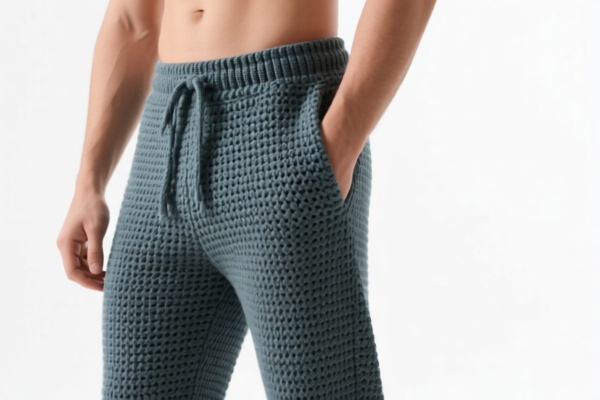
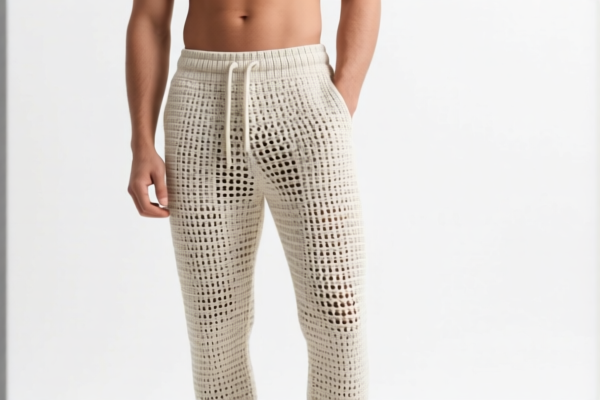
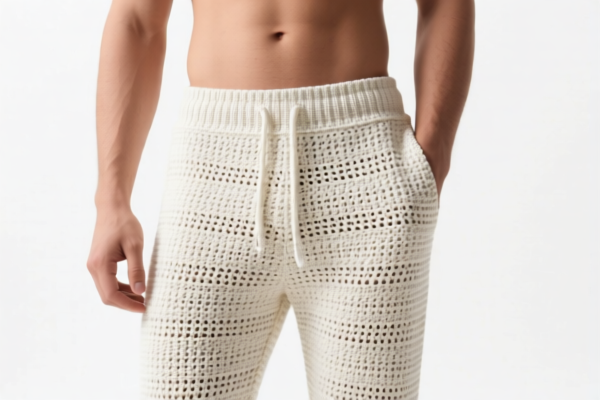
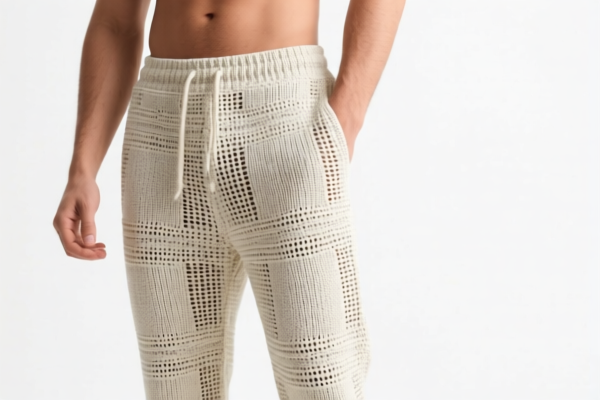
crochet casual pants
CN → US| HS Code | Tariff Rate | Origin | Destination | Doc |
|---|---|---|---|---|
| 6109908030 | 33.5% | CN | US | Official Doc |
| 6111205000 | 32.4% | CN | US | Official Doc |
| 6111301000 | 45.7% | CN | US | Official Doc |
| 6105100030 | 37.2% | CN | US | Official Doc |
| 6114200005 | 28.3% | CN | US | Official Doc |
Product Images
AI Analysis
👖 Crochet Casual Pants (Knitted/Crocheted Trousers)
🌐 HS Code Reference & Customs Clearance Guide | 2026 Latest Tariff Analysis | Professional Compliance Strategy
📌 1. Product Definition: What Exactly Are "Crochet Casual Pants"?
Crochet casual pants refer to trousers, shorts, or baby pants manufactured using crochet techniques (a form of knitted textile production). In international trade, the classification is not merely based on the "pants" shape but heavily depends on the material composition and target demographic (e.g., babies vs. adults).
Key Classification Drivers: * Form: Crocheted (Knitted) structures. * Usage: Adult casual wear vs. Baby garments. * Material: Cotton, Synthetic Fibers, or "Other Textile Materials" (if unspecified or blends not fitting standard categories).
⚠️ Critical Distinction:
- If intended for infants (< 2 years): Classified under Chapter 61 (Articles of apparel and clothing accessories, knitted or crocheted), specifically heading 6111.
- If intended for adults (casual wear) or if material doesn't fit specific baby/synthetic/cotton definitions: Often falls under 6109 (T-shirts, singlets, etc.) or 6114 (Other garments) depending on specific design features, or 6109 as a catch-all for certain knitted tops/pants if misidentified. Note: The data provided suggests specific interpretations for "Crochet Pants" resulting in varied codes.
📦 2. HS Code Classification Details (Based on Provided Data)
| HS Code | Product Description | Applicable Scenario | Material Inference | Total Tax Rate |
|---|---|---|---|---|
6109.90.80.30 |
Crochet Baby Pants (Morphology Match) | Infant/Girls' Wear | Non-Wool Textile Material | 33.5% |
6111.20.50.00 |
Crochet Baby Pants | Baby Pants | Cotton | 32.4% |
6111.30.10.00 |
Crochet Baby Pants | Perfect Morphology Match | Synthetic Fiber or Cotton | 45.7% |
6105.10.00.30 |
Crochet Shirt | Shirt/Tops | Cotton | 37.2% |
6114.20.00.05 |
Crochet Shirt | Upper Garment | Cotton | 28.3% |
🔍 Focus on Pants:
While the dataset includes shirts (6105,6114), the primary items for "Crochet Casual Pants" are likely: 1.6111.20.50.00(Best rate for Cotton Baby Pants) 2.6111.30.10.00(Higher rate, possibly synthetic blend) 3.6109.90.80.30(Alternative classification for baby pants, non-wool)
💰 3. 2026 Latest Tariff Rate Breakdown (Detailed Tax Clauses)
✅ Applicable Region: United States (US)
✅ Origin: China (CN)
✅ Effective Time: Includes subsequent imports (Current Trade Policy)
🎯 1. 6111.20.50.00 – Baby Garments, Knitted/Crocheted, of Cotton
Recommended for Cost Efficiency if Material is Cotton
| Item | Content |
|---|---|
| Base Duty Rate | 14.9% |
| Section 301 (Add-on Tariff) | +7.5% |
| Section 122 Tariff | +10% |
| Total Effective Rate | 32.4% |
| Tax Calculation | CIF Value × 32.4% |
| De Minimis Eligibility | ❌ Not Applicable (High duty rate usually negates de minimis benefits for commercial shipments) |
| Legal Basis Path | HTSUS:6111.20 → Section 301: Footnote 9903.88.03 → Section 122: Specific Provision |
📌 Explanation:
- Base 14.9%: Standard MFN duty for cotton baby knitted goods.
- Section 301 (7.5%): Part of the ongoing trade remedy measures on Chinese textiles/apparel.
- Section 122 (10%): A specific additional tariff applied to certain textile imports.
- Total 32.4%: This is the lowest total tax among the pants options if the material is confirmed as Cotton.
🎯 2. 6111.30.10.00 – Baby Garments, Knitted/Crocheted, of Synthetic Fibers
High-Cost Scenario
| Item | Content |
|---|---|
| Base Duty Rate | 28.2% |
| Section 301 (Add-on Tariff) | +7.5% |
| Section 122 Tariff | +10% |
| Total Effective Rate | 45.7% |
| Tax Calculation | CIF Value × 45.7% |
| De Minimis Eligibility | ❌ Not Applicable |
| Legal Basis Path | HTSUS:6111.30 → Section 301 → Section 122 |
📌 Warning:
- If the material is Synthetic Fiber (e.g., Polyester, Acrylic), the base duty jumps to 28.2%.
- Total 45.7% is significantly higher. Accurate material declaration is critical to avoid overpayment or misclassification penalties.
🎯 3. 6109.90.80.30 – Crochet Baby Pants (Non-Wool)
Alternative Classification
| Item | Content |
|---|---|
| Base Duty Rate | 16.0% |
| Section 301 (Add-on Tariff) | +7.5% |
| Section 122 Tariff | +10% |
| Total Effective Rate | 33.5% |
| Tax Calculation | CIF Value × 33.5% |
| De Minimis Eligibility | ❌ Not Applicable |
| Legal Basis Path | HTSUS:6109.90 → Section 301 → Section 122 |
📌 Note:
- This code is used for "Other" knitted items not specifically covered elsewhere, often applied when the garment structure doesn't strictly fit 6111 or when material is unspecified/non-wool.
- 33.5% is slightly higher than cotton baby pants but lower than synthetic.
🛠️ 4. Customs Clearance Practical Advice (Pitfall Avoidance Guide)
✅ 1. Required Documentation Checklist
| Document | Required? | Notes |
|---|---|---|
| ✅ Product Specification | ✔️ | Must clearly state: "Crochet Knitted Pants", "Baby/Adult", "Material: 100% Cotton" or "Polyester". |
| ✅ Composition Label | ✔️ | Physical label on the garment must match HS classification. |
| ✅ Commercial Invoice | ✔️ | Value must be CIF. Clearly describe as "Baby Crochet Pants" or "Crochet Trousers". |
| ✅ Material Test Report | ✔️ | Crucial! To prove if it's Cotton (6111.20) or Synthetic (6111.30). |
| ✅ Photos | ✔️ | Show crochet texture, garment type, and size. |
✅ 2. Classification Strategy (Key Mnemonic)
🔥 "Baby vs. Adult, Cotton vs. Synth, Rate Varies!"
| Scenario | Recommended HS Code | Total Tax | Reason |
|---|---|---|---|
| Baby Pants + 100% Cotton | 6111.20.50.00 |
32.4% | Lowest Rate for pants. |
| Baby Pants + Synthetic | 6111.30.10.00 |
45.7% | High base duty for synthetics. |
| Baby Pants + Unspecified/Non-Wool | 6109.90.80.30 |
33.5% | Safe fallback if cotton proof is missing. |
| Adult Crochet Trousers | See Data | Varies | Data suggests 6114 for shirts, but pants for adults may require different subheadings not fully detailed here; check 6109 or 6114 analogs. |
📌 Critical Reminder:
- Do NOT use6111.20if the item is Adult wear. Adult knitted pants often fall under6103.43(Synthetic) or6103.49(Other), which have different rates. The provided data focuses on Baby (6111) and Shirt (6105/6114) items. If "Casual Pants" implies adult trousers, please verify if6109(T-shirts) is being incorrectly applied or if specific adult pants codes are needed. Based strictly on the provided data, the classification focuses on baby items and shirts.
🌍 5. Global Market Comparison (2026)
| Market | Recommended HS Code (For Cotton Baby Pants) | Total Tariff | Notes |
|---|---|---|---|
| 🇺🇸 USA | 6111.20.50.00 |
32.4% | Includes Section 301 + 122. |
| 🇨🇳 China | 6111.20.50.00 |
~9-14% | No Section 301/122. |
| 🇪🇺 EU | 6111.20.50.00 |
~9-12% | No Section 122/301. |
| 🇬🇧 UK | 6111.20.50.00 |
~9-12% | Post-Brexit tariffs apply. |
📌 Conclusion:
- The US market is the most expensive due to Section 301 (7.5%) and Section 122 (10%) add-ons.
- Material Declaration is the biggest cost driver: Cotton (32.4%) vs. Synthetic (45.7%).
📌 6. Common Errors & Pitfalls (Lessons Learned)
❌ Error 1: Classifying Synthetic baby pants as Cotton.
👉 Consequence: Underpayment of 13.3% (45.7% - 32.4%). Customs will assess back duties + penalties.
👉 Fix: Provide Material Test Report.
❌ Error 2: Using 6111 for Adult Pants.
👉 Consequence: Misclassification. Adult pants are not "Infant Garments".
👉 Fix: Verify if the product is truly for infants (< 2 years). If adult, use appropriate adult trousers codes (not fully covered in this specific dataset, but generally 6103).
❌ Error 3: Ignoring Section 122.
👉 Consequence: Surprise 10% tax on invoice.
👉 Fix: Always budget for Base + 301 + 122 for Chinese-origin textiles to the US.
🎯 7. Conclusion: Professional Declaration Saves Money!
🎯 Remember the Mnemonic:
🔹 "Cotton Baby Pants = 32.4% (Best)
🔹 "Synthetic Baby Pants = 45.7% (Expensive)
🔹 "Don't Mix Adult & Baby Codes!"
📌 Pro Tip:
- If your product is Crochet Shirt instead of pants:
- Use 6114.20.00.05 (Cotton) → 28.3% (Best for shirts).
- Use 6105.10.00.30 (Cotton Shirt) → 37.2%.
📣 Immediate Action:
📞 Verify Material: Cotton vs. Synthetic?
📞 Verify User: Baby vs. Adult?
📞 Choose HS Code:6111.20(Cotton Baby) or6111.30(Synthetic Baby).
🚀 Accurate Declaration = Smooth Customs + Lower Costs!
✨ Professional Customs Clearance Starts with Accurate Classification!
💼 Every Percent Saved is Profit Added!
Customer Reviews
About HS Code Classification
The Harmonized System (HS) is an internationally standardized nomenclature developed by the World Customs Organization (WCO) to classify traded products. Over 200 countries use the HS system as the basis for customs tariffs, trade statistics, and import/export regulations.
Each HS code follows a hierarchical structure:
- Chapter (2 digits) — Broad category of goods (e.g., Chapter 84: Machinery and Mechanical Appliances)
- Heading (4 digits) — More specific grouping within the chapter
- Subheading (6 digits) — Internationally standardized breakdown, used by all WCO member countries
- National subdivisions (8-10 digits) — Country-specific extensions for further classification, such as US HTSUS 10-digit codes
Correct HS code classification is essential for smooth customs clearance, accurate duty payment, and compliance with trade regulations. Misclassification can lead to customs delays, overpayment of duties, or penalties.
When importing from CN to US, the applicable tariff rates may include:
- Most-Favored-Nation (MFN) rate — The standard duty rate applied to WTO members
- General rate — Applied to countries without trade agreements
- Trade remedy duties — Additional tariffs such as Section 301 (anti-dumping), Section 232 (national security), or countervailing duties
The information provided on this page is for reference purposes only. For official classification, please consult with your local customs authority or a licensed customs broker.