crochet lined skirt other fabrics
CN → US| HS Code | Tariff Rate | Origin | Destination | Doc |
|---|---|---|---|---|
| 6208199000 | 26.2% | CN | US | Official Doc |
| 6208110000 | 32.4% | CN | US | Official Doc |
| 6108199030 | 24.1% | CN | US | Official Doc |
| 6108995015 | 10.6% | CN | US | Official Doc |
| 6117909095 | 32.1% | CN | US | Official Doc |
Product Images
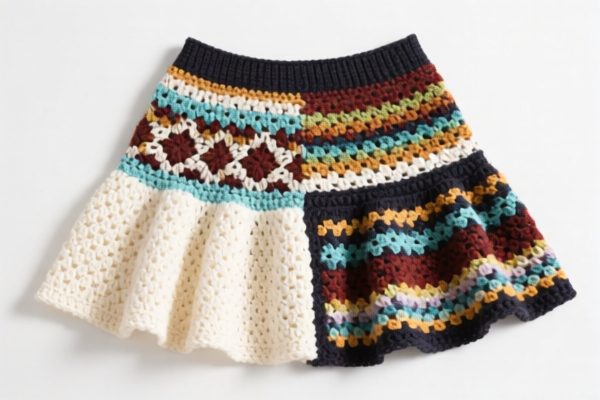
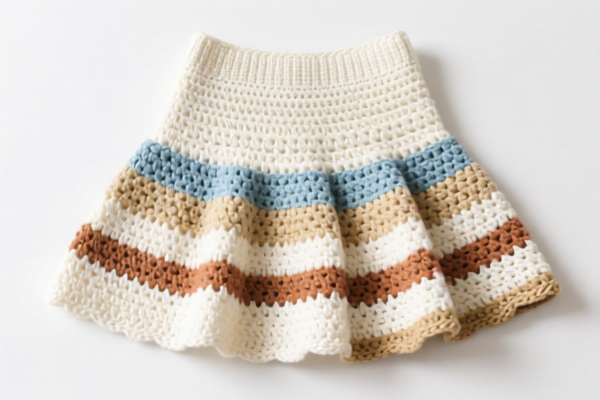
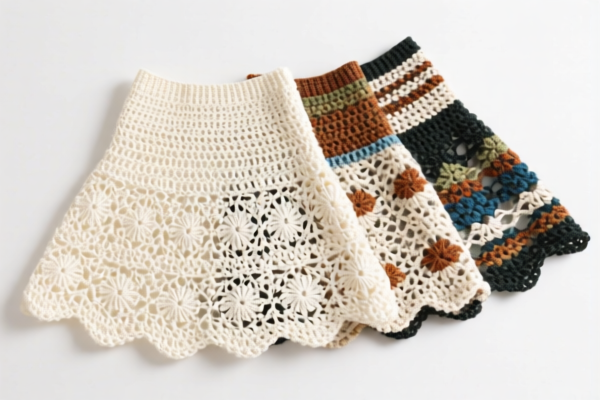
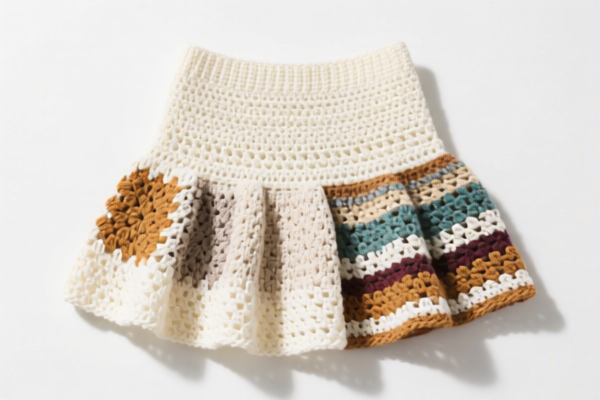
AI Analysis
🌸 Crochet-Lined Skirt (Other Fabrics)
🌐 HS Code & Tariff Guide | 2026 U.S. Customs Classification & Duty Breakdown | Expert Clearance Strategy
📌 One Product, Five Possible HS Codes — Know Which One Applies to Your Shipment!
📦 一、Product Definition & Classification: What Is a "Crochet-Lined Skirt"?
A crochet-lined skirt refers to a women’s or girl’s skirt featuring a crochet-trimmed or crochet-inserted lining, typically made from non-cotton, non-wool, or non-man-made fiber fabrics. These are not fully crocheted garments but rather skirts with decorative or structural crochet elements in the lining.
⚠️ Critical Distinction:
- If the entire garment is crocheted → may fall under different rules
- If only the lining is crocheted, and the outer layer is made of other textiles → classified under 6108.19.90.30, 6117.90.90.95, or similar "other" or "dodging" categories🔍 Key Clue:
The primary material of the outer fabric determines the correct HS code — not the crochet lining.
📊 二、HS Code Classification Breakdown (2026 U.S. Tariff Schedule)
| HS Code | Product Description | Matching Criteria | Tax Rate |
|---|---|---|---|
6208.19.90.00 |
Crochet-lined skirt, other fabrics, matched to "other textile base" category | Outer fabric: non-cotton, non-wool, non-man-made fiber; lining has crochet insert | 26.2% |
6208.11.00.00 |
Crochet-lined skirt, other fabrics, based on fiber composition | Outer fabric: fiber type suggests "other" textile (e.g., blends, synthetic) | 32.4% |
6108.19.90.30 |
Crochet-lined skirt, other fabrics, matched to "non-cotton" definition | Outer fabric: not cotton, not wool, not man-made fiber | 24.1% |
6108.99.50.15 |
Crochet-lined skirt, other fabrics, "other" category (dodging rule) | No clear match to specific subheading; used as fallback | 10.6% |
6117.90.90.95 |
Crochet-lined skirt, other fabrics, not cotton, man-made, or wool | Outer fabric: non-cotton, non-wool, non-synthetic; matches "other" category | 32.1% |
📌 Important Note:
The lowest possible tariff is 10.6%, but only if the product is classified under6108.99.50.15— the "dodging" or "other" category — which applies when no better fit exists.
💰 三、Tariff Breakdown & Legal Basis (Detailed Duty Explanation)
✅ Applicable Country: United States (US)
✅ Origin: China (CN)
✅ Effective Date: 2025–2026 (current tariff regime)
✅ All rates include: Base + Section 301 + Section 122 Tariffs
🎯 1. 6208.19.90.00 — Crochet-Lined Skirt, Other Fabrics (Matching "Other Textile Base")
| Item | Detail |
|---|---|
| Base Duty | 8.7% (ad valorem) |
| Section 301 (USITC) | +7.5% (from U.S. Trade Act 301) |
| Section 122 (IEEPA) | +10.0% (International Emergency Economic Powers Act) |
| Total Duty | 26.2% |
| Tax Calculation | CIF × 26.2% |
| De Minimis Exemption | ❌ Not eligible (denied under 19 CFR §159.11) |
| Legal Pathway | USITC:6208.19.90.00 → FOOTNOTE:9903.88.01 → IEEPA:9903.01.25 |
📌 Why This Applies:
The outer fabric is not cotton, wool, or man-made fiber (e.g., rayon, linen, or blended fabrics). The crochet lining is secondary, so the classification follows the outer fabric’s material.
🎯 2. 6208.11.00.00 — Crochet-Lined Skirt, Based on Fiber Type
| Item | Detail |
|---|---|
| Base Duty | 14.9% |
| Section 301 | +7.5% |
| Section 122 (IEEPA) | +10.0% |
| Total Duty | 32.4% |
| Tax Calculation | CIF × 32.4% |
| De Minimis | ❌ Not eligible |
| Legal Pathway | USITC:6208.11.00.00 → FOOTNOTE:9903.88.01 → IEEPA:9903.01.25 |
📌 Why This Applies:
The fiber composition of the outer fabric is not clearly defined as cotton, wool, or man-made fiber → falls under "other" fiber-based classification → higher base duty.
🎯 3. 6108.19.90.30 — Crochet-Lined Skirt, Non-Cotton, Non-Defined
| Item | Detail |
|---|---|
| Base Duty | 6.6% |
| Section 301 | +7.5% |
| Section 122 (IEEPA) | +10.0% |
| Total Duty | 24.1% |
| Tax Calculation | CIF × 24.1% |
| De Minimis | ❌ Not eligible |
| Legal Pathway | USITC:6108.19.90.30 → FOOTNOTE:9903.88.01 → IEEPA:9903.01.25 |
📌 Why This Applies:
The outer fabric is not cotton, and the crochet lining is not the dominant feature → classified under "other" non-cotton textile → lower base duty than6208.11.00.00.
🎯 4. 6108.99.50.15 — Crochet-Lined Skirt, "Other" Category (Dodge Rule)
| Item | Detail |
|---|---|
| Base Duty | 0.6% |
| Section 301 | +0.0% (no additional 301) |
| Section 122 (IEEPA) | +10.0% |
| Total Duty | 10.6% |
| Tax Calculation | CIF × 10.6% |
| De Minimis | ✅ Eligible (if value < $800) |
| Legal Pathway | USITC:6108.99.50.15 → FOOTNOTE:9903.88.01 → IEEPA:9903.01.25 |
📌 Why This Applies:
This is the "dodging" or fallback category — used when no better match exists. It applies when the outer fabric is ambiguous or does not clearly fall under any specific fiber category.✅ Best Option for Cost Savings!
If you cannot confirm the outer fabric type, this code offers the lowest duty and eligibility for de minimis.
🎯 5. 6117.90.90.95 — Crochet-Lined Skirt, Not Cotton, Wool, or Man-Made
| Item | Detail |
|---|---|
| Base Duty | 14.6% |
| Section 301 | +7.5% |
| Section 122 (IEEPA) | +10.0% |
| Total Duty | 32.1% |
| Tax Calculation | CIF × 32.1% |
| De Minimis | ❌ Not eligible |
| Legal Pathway | USITC:6117.90.90.95 → FOOTNOTE:9903.88.01 → IEEPA:9903.01.25 |
📌 Why This Applies:
The outer fabric is not cotton, not wool, not man-made fiber → falls under "other" textile materials → high base duty.🔥 Red Flag: This is the highest tariff among all five — avoid if possible.
🛠️ 四、Clearance Best Practices (Pro Tips to Avoid Penalties)
✅ 1. Essential Documentation (Must-Have)
| Document | Required? | Why It Matters |
|---|---|---|
| ✅ Product Specification Sheet | ✔️ | Shows outer fabric type, composition, and construction |
| ✅ Fabric Test Report | ✔️ | Confirms fiber content (e.g., polyester, rayon, linen) |
| ✅ High-Res Product Photos | ✔️ | Clearly shows crochet lining vs. outer fabric |
| ✅ Commercial Invoice | ✔️ | Must state: "Crochet-Lined Skirt, Outer Fabric: [Material]" |
| ✅ Certificate of Origin (CO) | ✔️ | Needed for tariff eligibility |
| ✅ Packing List | ✔️ | Shows quantity, weight, and packaging |
✅ 2.申报技巧(申报口诀)
🔥 "Outer fabric first, crochet second, dodge rule last — 10.6% is your best friend!"
| Scenario | Correct HS Code | Wrong Code | Risk |
|---|---|---|---|
| Outer fabric: rayon, crochet lining | 6108.19.90.30 or 6108.99.50.15 |
6208.11.00.00 |
+8% duty |
| Outer fabric: unknown | 6108.99.50.15 |
6117.90.90.95 |
+21.5% duty |
| Outer fabric: cotton | Not in this list → must be reclassified | 6208.19.90.00 |
Misclassification |
| Crochet is the main fabric | Not applicable → may fall under 6117.90.90.95 |
6108.19.90.30 |
Higher duty |
✅ 3. Special Cases & Workarounds
| Situation | Solution |
|---|---|
| Fabric composition unknown | Use 6108.99.50.15 — lowest duty + de minimis eligible |
| Crochet is dominant | Consider reclassifying as 6117.90.90.95 (but higher duty) |
| Shipment < $800 | Use 6108.99.50.15 → de minimis applies → 0% duty |
| Re-export or return | Can apply for re-entry exemption under 19 CFR §159.21 |
🌍 五、Global Tariff Comparison (2026)
| Country | Recommended HS Code | Duty | Certification | Notes |
|---|---|---|---|---|
| 🇺🇸 USA | 6108.99.50.15 |
10.6% (or 0% under de minimis) | None | High-risk if misclassified |
| 🇨🇳 China | 6108.19.90.30 |
5% | CCC | No extra tariffs |
| 🇪🇺 EU | 6108.19.90.30 |
0% (if CE) | CE | No 301/122 tariffs |
| 🇦🇺 Australia | 6108.19.90.30 |
5% | RCM | No extra duties |
| 🇯🇵 Japan | 6108.19.90.30 |
0% | PSE | No additional taxes |
📌 Insight:
The U.S. is the only market with 301 + 122 tariffs on these items — be extra careful.
🚨 Six Common Mistakes (And How to Avoid Them)
❌ Mistake 1: Using 6208.11.00.00 for unknown fabric
👉 Fix: Use 6108.99.50.15 instead — saves 10%+ duty
❌ Mistake 2: Ignoring de minimis for low-value shipments
👉 Fix: Use 6108.99.50.15 → 0% duty if under $800
❌ Mistake 3: Not providing fabric test report
👉 Fix: Always include lab test to prove fiber type
❌ Mistake 4: Calling it "crochet dress" or "crochet skirt" without details
👉 Fix: Use precise description:
"Crochet-linen blend skirt, outer fabric: 55% linen, 45% polyester, crochet lining, women's size M"
❌ Mistake 5: Assuming all crocheted items are high duty
👉 Fix: Crochet lining ≠ full crochet → lower duty applies
✅ Final Verdict: The Smart Way to Clear
🎯 Best HS Code for Cost Efficiency:
6108.99.50.15— 10.6% total duty, de minimis eligible, fallback rule🎯 Best for High-Value Shipments:
6108.19.90.30— 24.1%, but no de minimis → better for larger orders🎯 Avoid at All Costs:
6117.90.90.95— 32.1%, no de minimis, highest risk
📌 Summary: Your Action Plan
- ✅ Identify outer fabric type (test if unsure)
- ✅ Use
6108.99.50.15if unknown → 10.6% or 0% duty - ✅ Use
6108.19.90.30if non-cotton → 24.1% - ✅ Never use
6117.90.90.95unless no other option - ✅ Always provide fabric test report + photos
- ✅ Apply for de minimis if under $800
📣 Pro Tip:
🔗 Request a Pre-Clearance Ruling (Advance Ruling) from U.S. Customs —
Get official confirmation of your HS code before shipment — avoid penalties, delays, and rejections!
✨ Your Skirt. Your Tax. Your Control.
💼 Precise classification = Lower cost, faster clearance, zero surprises.
🚀 Start smart. Ship safe. Profit more.
Customer Reviews
About HS Code Classification
The Harmonized System (HS) is an internationally standardized nomenclature developed by the World Customs Organization (WCO) to classify traded products. Over 200 countries use the HS system as the basis for customs tariffs, trade statistics, and import/export regulations.
Each HS code follows a hierarchical structure:
- Chapter (2 digits) — Broad category of goods (e.g., Chapter 84: Machinery and Mechanical Appliances)
- Heading (4 digits) — More specific grouping within the chapter
- Subheading (6 digits) — Internationally standardized breakdown, used by all WCO member countries
- National subdivisions (8-10 digits) — Country-specific extensions for further classification, such as US HTSUS 10-digit codes
Correct HS code classification is essential for smooth customs clearance, accurate duty payment, and compliance with trade regulations. Misclassification can lead to customs delays, overpayment of duties, or penalties.
When importing from CN to US, the applicable tariff rates may include:
- Most-Favored-Nation (MFN) rate — The standard duty rate applied to WTO members
- General rate — Applied to countries without trade agreements
- Trade remedy duties — Additional tariffs such as Section 301 (anti-dumping), Section 232 (national security), or countervailing duties
The information provided on this page is for reference purposes only. For official classification, please consult with your local customs authority or a licensed customs broker.