crocheted special clothing accessories
CN → US| HS Code | Tariff Rate | Origin | Destination | Doc |
|---|---|---|---|---|
| 6117909055 | 32.1% | CN | US | Official Doc |
| 6102302010 | 45.7% | CN | US | Official Doc |
| 6117809570 | 32.1% | CN | US | Official Doc |
| 6217108500 | 24.6% | CN | US | Official Doc |
| 6217109550 | 32.1% | CN | US | Official Doc |
Product Images
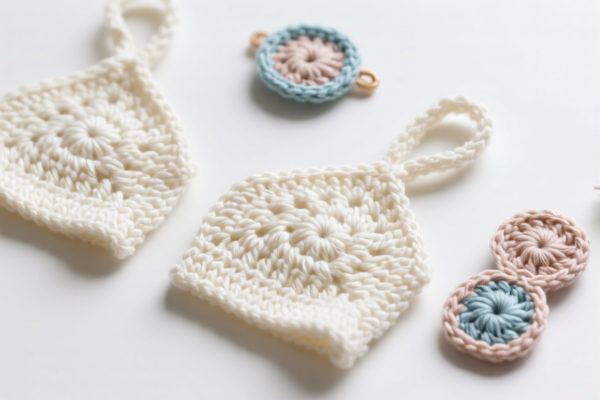
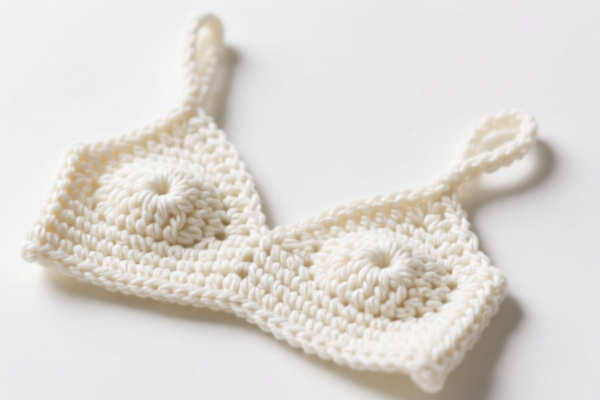
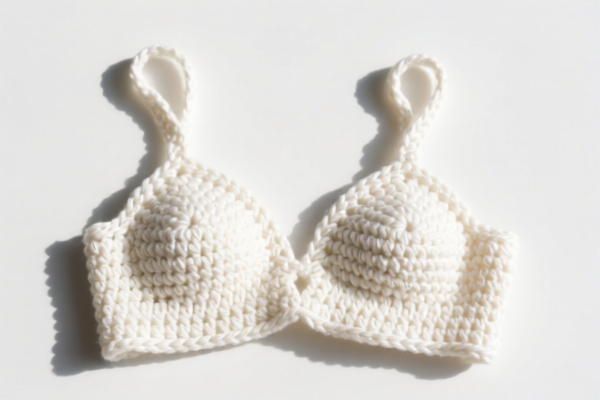
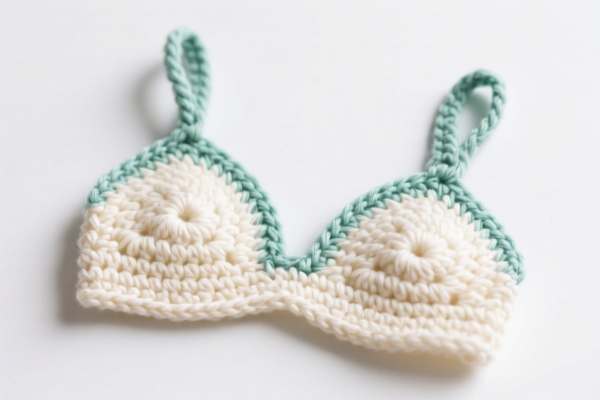
AI Analysis
🧶 Crocheted Special Clothing Accessories: The Ultimate Clearance Guide (2026)
🌐 HS Code Reference & Clearance Guide | 2026 Latest Tariff Analysis | Professional Entry Strategy
📌 I. Product Definition: What Exactly Are "Crocheted Special Clothing Accessories"?
"Crocheted Special Clothing Accessories" is a broad commercial term that often leads to classification errors because it mixes manufacturing method (crocheting) with function (accessories) and garment type (outerwear/coats). In international trade, these items are rarely classified by a single "catch-all" code. They are split based on knitted vs. woven nature, material composition, and specific application (e.g., for coats vs. general apparel).
⚠️ Key Distinction Point:
- If the item is Knitted or Crocheted and used for Outerwear/Jackets → It likely falls under Chapter 61 (Apparel, Knitted/Crocheted).
- If the item is a General Knitted Accessory not specific to outerwear → It may fall under Chapter 61 (6117) or Chapter 62 (6217) (Accessories, Not Knitted/Crocheted OR Specific Knitted Types).
- Crucial Check: Does the summary mention "Outerwear/Jacket parts"? If yes, it’s likely 6117. If it’s a general "clothing accessory" without the outerwear constraint, it might be 6217 (if woven/non-knitted specific) or 6117 (if knitted/crocheted general).
📦 II. HS Code Classification Details (Based on Provided Data)
| HS Code | Product Description | Summary Explanation | Total Tax Rate |
|---|---|---|---|
6117.90.90.55 |
Crocheted Outerwear & Jacket Accessories | Specifically for crocheted outerwear and jacket accessories, matching knitted/crocheted garments and jacket parts. | 32.1% |
6102.30.20.10 |
Crocheted Outerwear/Jacket Accessories (Specific Form) | Meets category shape requirements, no material conflict. Specifically linked to outerwear forms. | 45.7% |
6117.80.95.70 |
Knitted/Crocheted General Clothing Accessories | For clothing accessories; if material is unspecified, it fits the "Other Materials" category. | 32.1% |
6217.10.85.00 |
Knitted-Specific Apparel Accessories | Classified as finished garment attachments/accessories; knitted form has no material conflict. | 24.6% |
6217.10.95.50 |
Knitted-Specific General Clothing Accessories | Fits "Other made-up clothing accessories" use case; knitted attribute has no conflict. | 32.1% |
🔍 Key Insight:
-6102.30.20.10carries the highest tax burden (45.7%). This is likely due to specific restrictions or higher base duties for certain outerwear components.
-6217.10.85.00offers the lowest tax rate (24.6%). This is a critical optimization target if your product qualifies as "Knitted-Specific Apparel Accessories" under this code.
- The difference between 6117 and 6217 often lies in whether the accessory is considered part of the "knitted/crocheted apparel" (Ch 61) or a separate "made-up accessory" (Ch 62). Check your product's structural independence.
💰 III. 2026 Latest Tariff Rate Breakdown (Including Additional Taxes)
✅ Applicable Country: United States (US)
✅ Origin: China (CN)
✅ Effective Time: Current rates apply (Section 301 & IEEPA)
🎯 1. 6117.90.90.55 — Crocheted Outerwear Accessories
| Item | Detail |
|---|---|
| Base Tariff | 14.6% |
| Section 301 (Additional) | 7.5% |
| Section 122 Tariff | 10% |
| Total Tax Rate | 32.1% |
| Calculation | CIF Value × 32.1% |
| De Minimis Eligibility | ❌ No (Generally, Section 301 goods are excluded from de minimis exemptions if thresholds are met or if specific rules apply) |
| Legal Path | Base Duty → USITC Footnote → IEEPA/Section 301 Add-ons |
📌 Explanation:
- The 7.5% Section 301 tax is applied on top of the base duty.
- The 10% Section 122 tariff is an additional surcharge for specific categories.
- Total 32.1% is significant. Ensure your invoice value is accurate to avoid overpayment.
🎯 2. 6102.30.20.10 — High-Cost Outerwear Component
| Item | Detail |
|---|---|
| Base Tariff | 28.2% |
| Section 301 (Additional) | 7.5% |
| Section 122 Tariff | 10% |
| Total Tax Rate | 45.7% |
| Calculation | CIF Value × 45.7% |
| De Minimis Eligibility | ❌ No |
| Legal Path | Higher Base Duty → USITC Footnote → IEEPA/Section 301 Add-ons |
📌 Warning:
- This is the most expensive classification in your dataset.
- The high base duty (28.2%) suggests this might be classified under a more restrictive subheading for women's/man's outerwear components.
- Avoid this code unless absolutely necessary.
🎯 3. 6117.80.95.70 — General Knitted/Crocheted Accessories
| Item | Detail |
|---|---|
| Base Tariff | 14.6% |
| Section 301 (Additional) | 7.5% |
| Section 122 Tariff | 10% |
| Total Tax Rate | 32.1% |
| Calculation | CIF Value × 32.1% |
| De Minimis Eligibility | ❌ No |
| Legal Path | Same as above |
📌 Note:
- Same tax structure as6117.90.90.55.
- Use this if the item is not specifically for outerwear/jackets but is a general knitted/crocheted accessory.
🎯 4. 6217.10.85.00 — LOWEST TAX OPTION (Knitted-Specific Accessory)
| Item | Detail |
|---|---|
| Base Tariff | 14.6% |
| Section 301 (Additional) | 0.0% |
| Section 122 Tariff | 10% |
| Total Tax Rate | 24.6% |
| Calculation | CIF Value × 24.6% |
| De Minimis Eligibility | ❌ No |
| Legal Path | Base Duty → USITC Footnote → IEEPA/Section 301 (Exempt or 0%) |
📌 Strategic Advantage:
- Saves 7.5% compared to other codes!
- This code likely benefits from an exemption or lower applicability of Section 301 tariffs for "Knitted-Specific" items in this subheading.
- Action: Verify if your "Crocheted Accessories" can be legally classified here. If they are "knitted-form" accessories not restricted to outerwear, this is the optimal code.
🎯 5. 6217.10.95.50 — General Made-Up Clothing Accessories
| Item | Detail |
|---|---|
| Base Tariff | 14.6% |
| Section 301 (Additional) | 7.5% |
| Section 122 Tariff | 10% |
| Total Tax Rate | 32.1% |
| Calculation | CIF Value × 32.1% |
| De Minimis Eligibility | ❌ No |
| Legal Path | Same as other 32.1% codes |
📌 Note:
- Standard rate for general made-up clothing accessories.
- Use if the item is a general accessory but doesn't fit the "knitted-specific" criteria of6217.10.85.00.
🛠️ IV. Customs Clearance Practical Advice (Pitfall Avoidance)
✅ 1. Required Documentation Checklist
| Document | Mandatory? | Purpose |
|---|---|---|
| ✅ Product Specification Sheet | ✔️ | Details material (e.g., 100% Cotton, Acrylic), technique (Crochet/Knit), and use. |
| ✅ Technical Drawings/Photos | ✔️ | Prove it's an "accessory" (e.g., trim, label, loop) and not a "garment." |
| ✅ Commercial Invoice | ✔️ | Must clearly state "Crocheted Clothing Accessory" and HS Code. |
| ✅ Packing List | ✔️ | Separate accessories from main garments if shipped together. |
| ✅ Certificate of Origin (CO) | ✔️ | To prove Chinese origin (and thus apply correct Section 301/122 rates). |
✅ 2. Critical Declaration Tips
🔥 “Shape Defines Code, Section 301 Defines Cost!”
| Scenario | Correct Declaration | Wrong Declaration |
|---|---|---|
| Accessory for Outerwear | Use 6117 series (e.g., 6117.90.90.55) |
Use 6217 → Risk of Misclassification Penalty |
| General Knitted Accessory | Try 6217.10.85.00 for 24.6% tax | Use 6117 → Pay 32.1% unnecessarily |
| Crocheted Trim/Braids | Specify "Crocheted" in description | Just "Textile Accessory" → Customs Query/Delay |
| Material Conflict | If wool/cotton, specify % | Vague "Mixed Material" → Base Duty Adjustment |
✅ 3. Special Case Handling
| Situation | Recommendation |
|---|---|
| OEM/Custom Design | Provide original design files to prove it's a "made-up accessory" and not a "garment part." |
| Sample vs. Bulk | Sample shipments still require accurate HS codes. De minimis may not apply due to Section 301. |
| Mixed Containers | Ensure accessories are clearly separated in the invoice and packing list from main garments (e.g., jackets) to avoid being taxed as part of the high-duty garment. |
🌍 V. Market Comparison (US Focus)
| Country/Region | Recommended HS Code | Estimated Tax (China Origin) | Note |
|---|---|---|---|
| 🇺🇸 USA | 6217.10.85.00 (Best) |
24.6% | Lowest risk/cost if qualifies. |
| 🇺🇸 USA | 6117.90.90.55 |
32.1% | Standard for outerwear accessories. |
| 🇺🇸 USA | 6102.30.20.10 |
45.7% | Avoid unless specifically required. |
| 🇨🇳 China | Varies by import type | Lower Base Rates | No Section 301/122, but check domestic VAT. |
| 🇪🇺 EU | 6117/6217 | ~4-12% | No Section 301/122. Check EORI and VAT. |
📌 Conclusion:
- The US market is highly sensitive to Section 301 and 122 tariffs.
- Optimizing for6217.10.85.00(24.6%) vs.6102.30.20.10(45.7%) can save you over 21% on every shipment.
- Do not guess. If your product is a general knitted accessory, argue for6217.10.85.00. If it's strictly for outerwear, use6117.
📌 VI. Common Mistakes & Blood-Teaching Lessons
❌ Mistake 1: Classifying all "crocheted items" under one HS code.
👉 Consequence: Misclassification, audits, and back-taxes.
✅ Fix: Differentiate by function (outerwear vs. general) and structure (knitted vs. woven).
❌ Mistake 2: Ignoring Section 301/122 in cost calculations.
👉 Consequence: Profit margins wiped out by unexpected 7.5%-10% surcharges.
✅ Fix: Always include Total Tax (Base + 301 + 122) in your FOB/CIF pricing model.
❌ Mistake 3: Using vague descriptions like "Clothing Part."
👉 Consequence: Customs holds for inspection, leading to demurrage fees.
✅ Fix: Use precise terms: "Crocheted Knitted Trim, Cotton, for Jacket Accessories."
🎯 VII. Conclusion: Precision Saves Money!
🎯 Remember the Golden Rule:
🔹 "General Accessory? Aim for 6217.10.85.00 (24.6%)."
🔹 "Outerwear Specific? Use 6117 (32.1%)."
🔹 "Specific Outerwear Form? Avoid 6102.30.20.10 (45.7%)."
📌 Pro Tip:
If your crocheted accessories are shipped separately from the main garments, ensure your HS code reflects the independent use of the accessory. This may allow you to leverage the lower 6217 rates even if they are intended for outerwear.
📣 Immediate Action:
📞 Consult a Customs Broker to validate if your specific crocheted items qualify for
6217.10.85.00.
📄 Update Your Invoice to reflect the exact HS Code and description.
🚀 Optimize Your Supply Chain to minimize tariff impact.
✨ Professional Clearance Starts with Accurate Classification!
💼 Every Percent Saved is Pure Profit!
Customer Reviews
About HS Code Classification
The Harmonized System (HS) is an internationally standardized nomenclature developed by the World Customs Organization (WCO) to classify traded products. Over 200 countries use the HS system as the basis for customs tariffs, trade statistics, and import/export regulations.
Each HS code follows a hierarchical structure:
- Chapter (2 digits) — Broad category of goods (e.g., Chapter 84: Machinery and Mechanical Appliances)
- Heading (4 digits) — More specific grouping within the chapter
- Subheading (6 digits) — Internationally standardized breakdown, used by all WCO member countries
- National subdivisions (8-10 digits) — Country-specific extensions for further classification, such as US HTSUS 10-digit codes
Correct HS code classification is essential for smooth customs clearance, accurate duty payment, and compliance with trade regulations. Misclassification can lead to customs delays, overpayment of duties, or penalties.
When importing from CN to US, the applicable tariff rates may include:
- Most-Favored-Nation (MFN) rate — The standard duty rate applied to WTO members
- General rate — Applied to countries without trade agreements
- Trade remedy duties — Additional tariffs such as Section 301 (anti-dumping), Section 232 (national security), or countervailing duties
The information provided on this page is for reference purposes only. For official classification, please consult with your local customs authority or a licensed customs broker.