crop mite killer
CN → US| HS Code | Tariff Rate | Origin | Destination | Doc |
|---|---|---|---|---|
| 3808911000 | 37.8% | CN | US | Official Doc |
| 3808915001 | 40.0% | CN | US | Official Doc |
| 3808520000 | 24.0% | CN | US | Official Doc |
| 2942000500 | 41.5% | CN | US | Official Doc |
| 2942003500 | 41.5% | CN | US | Official Doc |
Product Images
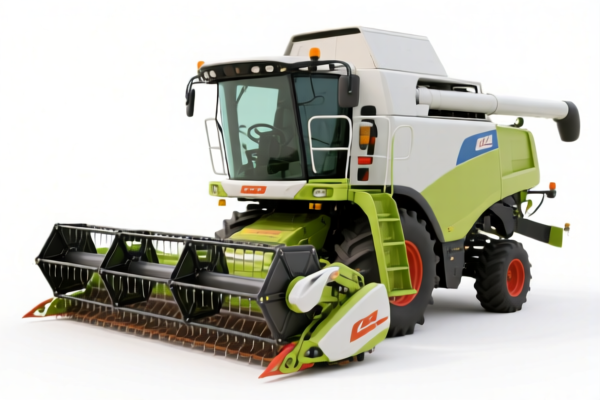
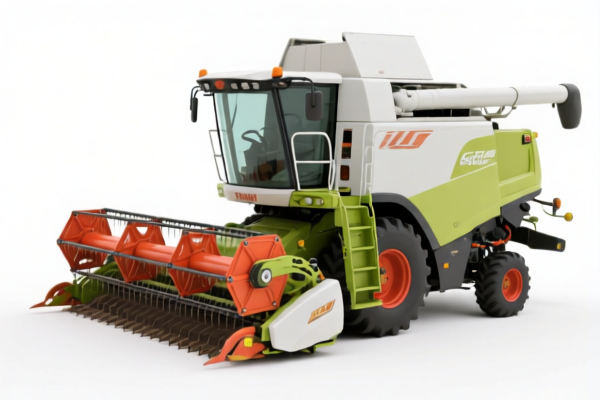
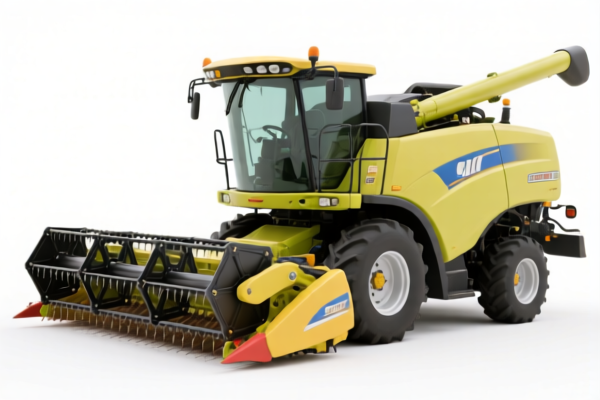
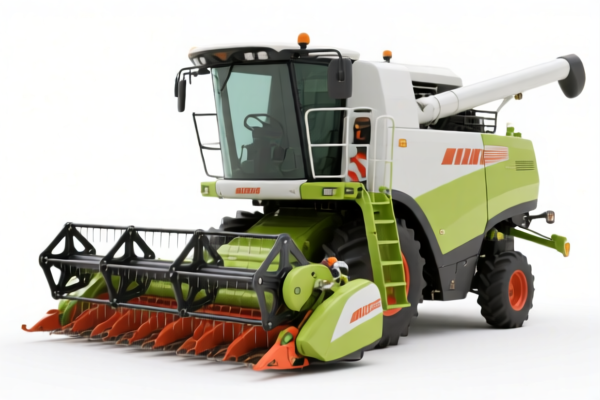
AI Analysis
🌿 Crop Mite Killer (Acaricides for Agricultural Use)
🌐 HS Code Reference & Clearance Guide | 2026 Latest Tariff Analysis | Professional Entry Strategy for US Market
📌 I. Product Definition & Classification: Do You Really Know "Crop Mite Killer"?
Crop Mite Killers, technically known as Acaricides or Miticides, are pesticide products specifically designed to control mites (Acari) that damage agricultural crops. In international trade, these are broadly categorized under Pesticides (Chapter 38) or Chemical Products (Chapter 29) depending on their composition and formulation.
Key Distinction: * Prepared Pesticides (HS 3808): Mixtures, emulsions, granules, or formulations ready for use (or nearly so). This is the most common classification for commercial "Crop Mite Killer" products sold to farmers. * Pure Chemical Ingredients (HS 2942): Specific organic compounds, whether or not they have a defined structure, including mixed crystalline products. This applies if you are importing the active ingredient in bulk powder form before formulation.
⚠️ Critical Classification Point:
- If the product is a formulated mixture (e.g., emulsifiable concentrate, wettable powder) for direct agricultural use →归入 3808 series.
- If the product is a pure chemical substance (active ingredient) →归入 2942 series.
📦 II. HS Code Classification Details (2026 Latest Tariff Authority Comparison)
Based on the provided data, here are the precise HS codes and their corresponding classifications for "Crop Mite Killer":
| HS Code | Product Description | Summary / Application | Taxonomy Category |
|---|---|---|---|
| 3808.91.10.00 | Agricultural Acaricide | Acaricides belonging to the pesticide category | Prepared Pesticide |
| 3808.91.50.01 | Crop Pest Control Agent | Pesticide for pest control, classified as "Other Pesticides" | Prepared Pesticide |
| 3808.52.00.00 | Crop Pest Control Agent | Pesticide for pest control, consistent with insecticide use | Prepared Pesticide |
| 2942.00.05.00 | Mixed Acaricide Preparation | Mixed preparation for agricultural mite control | Other Organic Compounds |
| 2942.00.35.00 | Mixed Acaricide Preparation | Mixed preparation, classified as Aromatic Organic Compounds | Aromatic Organic Compounds |
🔍 Key Reminder:
- 3808 codes generally apply to formulated products (ready-to-use or nearly ready-to-use pesticides).
- 2942 codes apply to chemical substances (pure ingredients or specific organic compounds).
- Misclassifying a formulated product as a pure chemical (or vice versa) can lead to significant duty discrepancies and customs delays.
💰 III. 2026 Latest Tariff Rate Breakdown (Including Surtaxes & Policy Add-ons)
✅ Applicable Country: United States (US)
✅ Origin: China (CN)
✅ Effective Time: 2025/2026 (Current Trade War Era)
🎯 1. 3808.91.10.00 —— Agricultural Acaricide (Prepared Pesticide)
| Item | Content |
|---|---|
| Base Tariff Rate | 2.8% (ad valorem) |
| Section 301 Surtax | +25.0% (USITC Footnote) |
| Section 122 Tariff | +10.0% (Specific agricultural/chemical surcharge) |
| Total Tax Rate | 37.8% |
| Tax Calculation | CIF Value × 37.8% |
| De Minimis Eligibility | ❌ No (Pesticides are generally restricted) |
| Legal Basis Path | USITC:3808.91.10.00 → SEC301:25% → SEC122:10% |
📌 Explanation:
- The 2.8% is the standard Most Favored Nation (MFN) rate for prepared pesticides.
- The 25% is the Section 301 tariff imposed on Chinese goods.
- The 10% is an additional Section 122 tariff (often applied to specific agricultural inputs or strategic goods).
- Total 37.8% is a high cost burden. Importers must factor this into their landed cost.
🎯 2. 3808.91.50.01 —— Crop Pest Control Agent (Other Pesticides)
| Item | Content |
|---|---|
| Base Tariff Rate | 5.0% (ad valorem) |
| Section 301 Surtax | +25.0% |
| Section 122 Tariff | +10.0% |
| Total Tax Rate | 40.0% |
| Tax Calculation | CIF Value × 40.0% |
| De Minimis Eligibility | ❌ No |
| Legal Basis Path | USITC:3808.91.50.01 → SEC301:25% → SEC122:10% |
📌 Note:
- This code applies to "other" pesticides not specifically listed elsewhere.
- The base rate is higher (5.0% vs 2.8%), leading to a higher total duty of 40.0%.
- Ensure the product summary matches "Other Pesticides" to avoid misclassification penalties.
🎯 3. 3808.52.00.00 —— Crop Pest Control Agent (Insecticide-like)
| Item | Content |
|---|---|
| Base Tariff Rate | 6.5% (ad valorem) |
| Section 301 Surtax | +7.5% |
| Section 122 Tariff | +10.0% |
| Total Tax Rate | 24.0% |
| Tax Calculation | CIF Value × 24.0% |
| De Minimis Eligibility | ❌ No |
| Legal Basis Path | USITC:3808.52.00.00 → SEC301:7.5% → SEC122:10% |
📌 Important:
- This is the most cost-effective option among the 3808 codes if the product can be classified under this specific subheading.
- The Section 301 rate is significantly lower (7.5% vs 25%) for this specific code, likely due to different trade negotiation statuses or product specificity.
- Strategic Advantage: If your "Crop Mite Killer" can be justified under this classification, you save 16.2% in total duties compared to other 3808 codes.
🎯 4. 2942.00.05.00 —— Mixed Acaricide Preparation (Other Organic Compounds)
| Item | Content |
|---|---|
| Base Tariff Rate | 6.5% (ad valorem) |
| Section 301 Surtax | +25.0% |
| Section 122 Tariff | +10.0% |
| Total Tax Rate | 41.5% |
| Tax Calculation | CIF Value × 41.5% |
| De Minimis Eligibility | ❌ No |
| Legal Basis Path | USITC:2942.00.05.00 → SEC301:25% → SEC122:10% |
📌 Explanation:
- This code is for chemical preparations that do not fall under specific organic compound headings.
- It incurs the full 25% Section 301 surtax, making it expensive.
- Only use if the product is a chemical mixture not covered by Chapter 38.
🎯 5. 2942.00.35.00 —— Mixed Acaricide Preparation (Aromatic Organic Compounds)
| Item | Content |
|---|---|
| Base Tariff Rate | 6.5% (ad valorem) |
| Section 301 Surtax | +25.0% |
| Section 122 Tariff | +10.0% |
| Total Tax Rate | 41.5% |
| Tax Calculation | CIF Value × 41.5% |
| De Minimis Eligibility | ❌ No |
| Legal Basis Path | USITC:2942.00.35.00 → SEC301:25% → SEC122:10% |
📌 Note:
- Similar to the previous code, but specifically for aromatic organic compounds.
- High duty burden (41.5%) due to full Section 301 applicability.
- Typically used for pure active ingredients with aromatic structures.
🛠️ IV. Clearance Practical Advice (Real-World Pitfall Guide)
✅ 1. Required Documentation Checklist (Non-negotiable)
| Document | Required? | Description |
|---|---|---|
| ✅ Product Specification Sheet | ✔️ | Must include active ingredients, concentration, formulation type (e.g., EC, WP). |
| ✅ Safety Data Sheet (SDS) | ✔️ | Mandatory for chemical imports under OSHA/EPA regulations. |
| ✅ EPA Registration Number | ✔️ | Crucial: Pesticides sold in the US must be registered with the EPA. Provide EPA Reg. No. |
| ✅ Label Copy | ✔️ | Must match EPA-approved label, including hazard warnings and first aid instructions. |
| ✅ Commercial Invoice | ✔️ | Clearly state "Pesticide for Agricultural Use" and HS Code. |
| ✅ Bill of Lading (B/L) | ✔️ | Ensure cargo description matches invoice. |
| ✅ Certificate of Origin (CO) | ✔️ | To determine eligibility for reduced Section 301 rates (if any exemptions apply). |
✅ 2. Declaration Tips (Key Mnemonics)
🔥 "Formulation to 3808, Ingredient to 2942, EPA Number is King!"
| Scenario | Correct Declaration | Wrong Practice |
|---|---|---|
| Ready-to-use spray/mix | 3808.91.10.00 or 3808.52.00.00 |
Declare as "Chemical Raw Material" |
| Pure Active Ingredient Powder | 2942.00.05.00 or 2942.00.35.00 |
Declare as "Ready-to-use Pesticide" |
| Product with EPA Reg. No. | Clearly state EPA No. on invoice | Omit EPA No. → Seizure Risk |
| Mixed Preparation (Aromatic) | 2942.00.35.00 |
Misclassify as 3808 to avoid scrutiny |
✅ 3. Special Circumstances Handling
| Situation | Handling Advice |
|---|---|
| EPA Registration Missing | DO NOT IMPORT. Customs will seize and destroy. Apply for EPA registration first. |
| Section 301 Exemption | Check if the specific HS Code had any exclusions in 2025/2026. Some pesticide intermediates may qualify. |
| Re-export from Third Country | If transshipped through Vietnam/Malaysia, ensure substantial transformation. Simple repacking does not exempt from Section 301. |
| Sample vs. Commercial | Even samples require EPA notification and proper documentation. De Minimis does not apply to pesticides. |
🌍 V. Global Market Clearance Comparison (2026 Latest)
| Country/Region | Recommended HS Code | Tariff (China Origin) | Certification Requirements | Remarks |
|---|---|---|---|---|
| 🇺🇸 USA | 3808.91.10.00 / 3808.52.00.00 |
24% - 40% | EPA Registration + SDS | High scrutiny; Section 301 applies. |
| 🇨🇳 China | 3808.91.10.00 |
~10-12% | Pesticide Registration Certificate | Domestic regulation applies. |
| 🇪🇺 EU | 3808.94.00 |
0% (if FAMI-QS certified) | EFSA Approval + REACH | Strict chemical safety laws. |
| 🇦🇺 Australia | 3808.91.00 |
5% | APVMA Approval | High regulatory barrier. |
| 🇯🇵 Japan | 3808.92.00 |
3.1% | Ministry of Agriculture Approval | Specific residue limits apply. |
📌 Conclusion:
- The US market is the most complex due to high tariffs (24-41.5%) and strict EPA requirements.
- EU and Japan offer lower tariffs but have stringent chemical safety regulations (REACH, FAMI-QS).
- Australia has high regulatory hurdles despite moderate tariffs.
📌 VI. Common Mistakes & Pitfall Guide (Blood & Tears Lessons)
❌ Mistake 1: Declaring a formulated pesticide as a "Chemical Raw Material" to avoid EPA scrutiny
👉 Consequence: Customs seizure, fines, and blacklisting. Pesticides are strictly regulated.
❌ Mistake 2: Omitting the EPA Registration Number on the Commercial Invoice
👉 Consequence: Hold at border until EPA confirmation, leading to storage fees and delays.
❌ Mistake 3: Misclassifying a mixture under 2942 when it should be 3808 (or vice versa)
👉 Consequence: Duty underpayment → Back taxes + Penalties. 3808.52.00.00 offers a significant saving (24% vs 41.5%).
✅ Correct Approach:
"Acaricide Formulation, EC 20%, Active Ingredient: Abamectin, EPA Reg. No. XXXXX-XXX, for Agricultural Use Only"
🎯 VII. Conclusion: Precise Classification, Smooth Clearance, Cost Optimization!
🎯 Remember the Mnemonic:
🔹 "Formulated is 3808, Ingredient is 2942, EPA Number is a Must!"
🔹 "3808.52 saves 16%, 301 Tax is the Key!"
🔹 "HS Code Defines Duty, Misclassification Costs You!"
📌 Pro Tip:
- If your product qualifies for
3808.52.00.00(24% total duty), ensure your product description aligns with "pest control agent consistent with insecticide use" to avoid higher duties.- Always apply for an Advance Ruling from US Customs and Border Protection (CBP) if the classification is ambiguous.
- Verify Section 301 Exclusions annually, as some chemical categories may be exempted.
📣 Immediate Action:
📞 Contact a licensed customs broker + Provide EPA Registration + Request HS Code Advance Ruling
🚀 Ensure your Crop Mite Killer clears US customs smoothly, legally, and cost-effectively!
✨ Professional Clearance Starts with Accurate Classification!
💼 Every Percent of Duty Saved is Pure Profit!
Customer Reviews
About HS Code Classification
The Harmonized System (HS) is an internationally standardized nomenclature developed by the World Customs Organization (WCO) to classify traded products. Over 200 countries use the HS system as the basis for customs tariffs, trade statistics, and import/export regulations.
Each HS code follows a hierarchical structure:
- Chapter (2 digits) — Broad category of goods (e.g., Chapter 84: Machinery and Mechanical Appliances)
- Heading (4 digits) — More specific grouping within the chapter
- Subheading (6 digits) — Internationally standardized breakdown, used by all WCO member countries
- National subdivisions (8-10 digits) — Country-specific extensions for further classification, such as US HTSUS 10-digit codes
Correct HS code classification is essential for smooth customs clearance, accurate duty payment, and compliance with trade regulations. Misclassification can lead to customs delays, overpayment of duties, or penalties.
When importing from CN to US, the applicable tariff rates may include:
- Most-Favored-Nation (MFN) rate — The standard duty rate applied to WTO members
- General rate — Applied to countries without trade agreements
- Trade remedy duties — Additional tariffs such as Section 301 (anti-dumping), Section 232 (national security), or countervailing duties
The information provided on this page is for reference purposes only. For official classification, please consult with your local customs authority or a licensed customs broker.