cross style
CN → US| HS Code | Tariff Rate | Origin | Destination | Doc |
|---|---|---|---|---|
| 7117193000 | 21.4% | CN | US | Official Doc |
| 7117903000 | 21.4% | CN | US | Official Doc |
| 7308909560 | 85.0% | CN | US | Official Doc |
| 7308909590 | 85.0% | CN | US | Official Doc |
Product Images
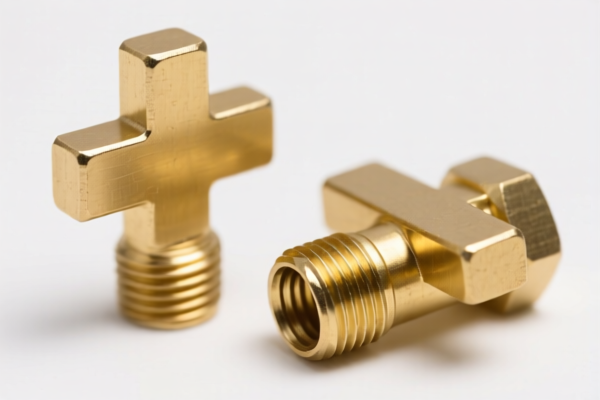
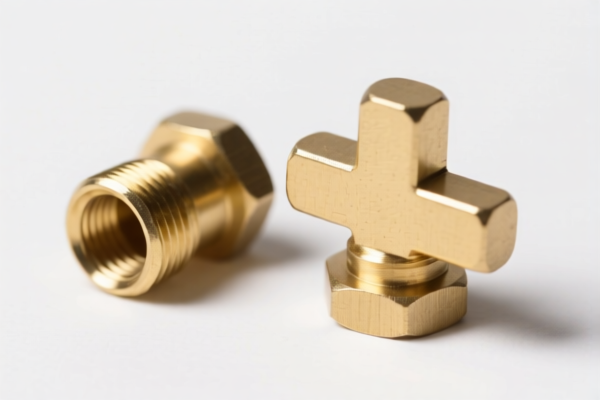
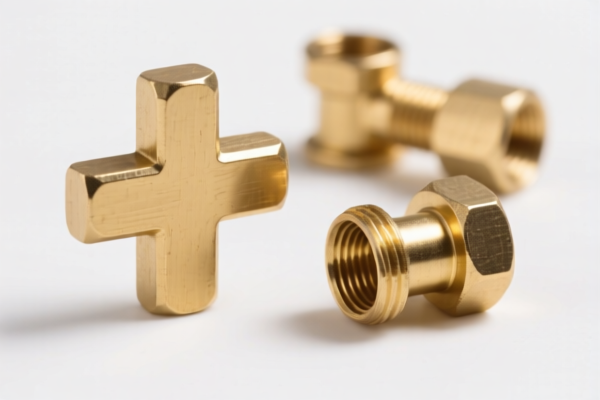
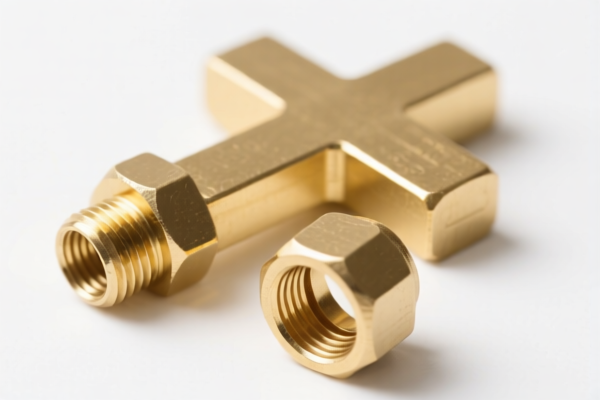
AI Analysis
✝️ Cross Jewelry & Religious Articles (Imitation Jewelry)
🌐 HS Code Reference & Clearance Guide | 2026 Latest Tariff Analysis | Professional Customs Strategy
📌 1. Product Definition & Classification: Do You Really Understand "Religious Crosses"?
The "Cross" in international trade refers primarily to imitation jewelry items used for religious devotion or fashion. Crucially, these are defined as "Religious articles of a purely devotional character designed to be worn on apparel, carried on or about, or attached to the person."
In the Harmonized System (HS), these are generally classified under Heading 7117 (Imitation Jewelry), not precious metal jewelry (Heading 7113), unless they are made of actual precious metals. The key distinction lies in the material (base metal vs. precious metal) and the purpose (devotional/ornamental).
⚠️ Key Distinction Point:
- If the cross is made of base metal (copper, zinc alloy, stainless steel, etc.), whether or not plated with gold/silver/rhodium, it falls under Imitation Jewelry (7117).
- If it is made of precious metals (gold, silver, platinum), it falls under Heading 7113 (Different tax rates apply).
- Note: The DATA provided below exclusively covers Imitation Jewelry (7117) variants.
📦 2. HS Code Classification Details (2026 Latest Tariff Authority Comparison)
Based on the provided DATA, there are two specific HS codes for imitation religious crosses, distinguished by the level of detail in the subheading.
| HS Code | Product Description | Applicable Scenario | Material/Base |
|---|---|---|---|
7117.19.30.00 |
Imitation jewelry: Of base metal, whether or not plated: Other: Religious articles of a purely devotional character designed to be worn on apparel or carried on or about or attached to the person | Cross pendants, rosary beads, crucifixes made of base metal/plated | ✅ Base Metal |
7117.90.30.00 |
Imitation jewelry: Other: Religious articles of a purely devotional character designed to be worn on apparel or carried on or about or attached to the person: Other | Cross items that do not fit into the specific "base metal plated" description but are still devotional imitation jewelry | ✅ Base Metal / Other |
🔍 Important Reminder:
- Both codes explicitly require the item to be "Religious articles of a purely devotional character."
- If the cross is purely fashion jewelry without devotional intent, it may fall under other 7117 subheadings (e.g., 7117.19.90), which might have different tariff structures.
- Do not misdeclare as "Gold/Silver Jewelry" if it is base metal/plated; this will lead to significant penalties and misclassification fees.
💰 3. 2026 Latest Tariff Rate Details (Including Additional Duties & Policy Surcharges)
✅ Applicable Country: United States (US)
✅ Origin: China (CN) (Assumed based on typical high-tariff context in examples, though DATA shows 0% total. Verify origin!)
✅ Effective Date: Current 2026 Tariff Schedule
🎯 1. 7117.19.30.00 —— Imitation Jewelry (Base Metal, Devotional Cross)
| Item | Content |
|---|---|
| Base Tariff | 0.0% (ad valorem) |
| Additional Tariff (Section 301/IEEPA) | 0.0% |
| Total Tax Rate | 0.0% |
| Tax Detail | 基础关税: 0.0%, 加征关税: 0.0% |
| Legal Basis | HTSUS 7117.19.30.00 |
📌 Explanation:
- Religious imitation jewelry (crosses, rosaries) currently enjoys a 0% total tariff rate.
- Crucial Note: Unlike electronics or steel products, imitation jewelry is NOT subject to the 25% or 50% additional tariffs mentioned for steel/aluminum/copper products (Section 232) or the broader China-specific Section 301 tariffs (which often target electronics, machinery, and certain textiles).
- Zero Duty Advantage: This is a highly favorable category for importers, provided the goods are correctly classified as imitation and devotional.
🎯 2. 7117.90.30.00 —— Imitation Jewelry (Other, Devotional Cross)
| Item | Content |
|---|---|
| Base Tariff | 0.0% (ad valorem) |
| Additional Tariff (Section 301/IEEPA) | 0.0% |
| Total Tax Rate | 0.0% |
| Tax Detail | 基础关税: 0.0%, 加征关税: 0.0% |
| Legal Basis | HTSUS 7117.90.30.00 |
📌 Note:
- Same 0% rate as7117.19.30.00.
- The distinction between.19and.90is often minor (specific vs. general "other"), but both currently carry zero additional duties.
- Verify with Customs Broker: If the cross is made of precious metal (e.g., solid gold cross), it would NOT fall under 7117. It would fall under 7113.xx.xx, which has different (often higher) base rates but may also be 0% depending on the specific precious metal and trade agreements. The DATA provided strictly covers Imitation Jewelry.
🛠️ 4. Clearance Operational Advice (Practical Pitfall Avoidance Guide)
✅ 1. Required Documentation Checklist (No Exceptions)
| Document | Must Provide | Description |
|---|---|---|
| ✅ Product Specification Sheet | ✔️ | Clearly state: "Imitation Jewelry," "Base Metal," "Plated with [Metal]," "Religious/Devotional Purpose." |
| ✅ Material Composition Report | ✔️ | Proof that it is NOT precious metal (e.g., assay certificate if plated). Must show base metal core. |
| ✅ Product Photos | ✔️ | Clear images of the cross, any hallmarks, and packaging. Show it is worn/carried (pendant, pin, bracelet). |
| ✅ Commercial Invoice | ✔️ | Description must include: "Religious Imitation Jewelry Cross, Base Metal, Devotional Article." |
| ✅ Packing List | ✔️ | Unit count, weight, dimensions. |
| ✅ Certification (if applicable) | ✔️ | CPSIA (if for children under 12), Nickel Release Test (EU/US compliance for base metals). |
✅ 2. Declaration Tips (Key Mantras)
🔥 "Declare as Imitation, Not Precious; Specify 'Devotional' for Accuracy!"
| Scenario | Correct Declaration | Wrong Practice |
|---|---|---|
| Silver-plated copper cross | 7117.19.30.00 |
Misdeclare as "Silver Jewelry" (7113) → Higher duty + Fraud risk |
| Plastic/Resin cross | 7117.90.30.00 |
Misdeclare as "Plastic Goods" (39) → Wrong classification |
| Gold-plated base metal cross | 7117.19.30.00 |
Declare as "Gold" → Seizure & Penalty |
| Fashion cross (no religious intent) | 7117.19.90.00 (Other) |
Declare as "Devotional" → Incorrect subheading |
✅ 3. Special Case Handling
| Scenario | Handling Advice |
|---|---|
| OEM Custom Crosses | Provide design drawings. Ensure description emphasizes "Devotional" if using .30 codes. |
| Mixed Shipments | If the shipment contains both imitation crosses (7117) and precious metal crosses (7113), must separate in invoice and HS codes. Mixing leads to audit flags. |
| Children's Religious Items | If designed for children <12 years, ensure CPSIA compliance (lead/cadmium limits). Base metal crosses are high-risk for heavy metal content. |
| Plated vs. Solid | If the plating is thicker and the value is primarily in the plating (rare for imitation), consult broker. Standard plated = Imitation Jewelry. |
🌍 5. Global Market Comparison (2026 Latest)
| Country/Region | Recommended HS Code | Tariff (China Origin) | Certification | Notes |
|---|---|---|---|---|
| 🇺🇸 USA | 7117.19.30.00 / .30.00 |
0.0% | CPSIA, Nickel Test | Zero duty advantage for imitation religious jewelry. |
| 🇨🇳 China | 7117.19.30.00 |
~5-10% | N/A | Import duty applies. |
| 🇪🇺 EU | 7117.19 |
4.5% (Standard MFN) | REACH, Nickel Directive | Higher base duty than US. |
| 🇬🇧 UK | 7117.19 |
4.5% | UKCA | Post-Brexit tariff alignment with EU. |
| 🇨🇦 Canada | 7117.19.30 |
0.0% (General) | N/A | Often zero duty for imitation jewelry. |
📌 Conclusion:
- The US market offers a significant tariff advantage (0%) for imitation religious jewelry compared to other regions.
- No Section 301 penalties apply to this specific HS subcategory (unlike electronics or steel).
- Compliance Focus: Heavy metal (Nickel, Lead) regulations are the real barrier, not tariffs.
📌 6. Common Errors & Pitfall Guide (Blood-Soaked Lessons)
❌ Error 1: Declaring a base metal cross as "Gold/Silver Jewelry"
👉 Consequence: Customs seizure, fines for fraud, and potential back-taxes at the higher precious metal rate.
👉 Solution: Always specify "Imitation" and "Base Metal."
❌ Error 2: Using "Fashion Jewelry" for a devotional cross
👉 Consequence: May still be 0%, but incorrect description can lead to requests for additional information, delaying clearance.
👉 Solution: Use "Religious/Devotional" in the description to match .30 subheadings.
❌ Error 3: Ignoring Heavy Metal Regulations (Nickel/Lead)
👉 Consequence: Product Recall & FDA/Consumer Safety Violations. This is a bigger risk than tariffs.
👉 Solution: Provide third-party lab test results for Nickel Release (EU EN 1811) and Lead/Cadmium (US CPSIA).
✅ Correct Practice:
"Imitation Religious Cross Pendant, Base Metal Core with Gold Plating, Devotional Use, CPSIA Compliant, Model XYZ"
🎯 7. Conclusion: Professional Declaration, Save Time & Cost!
🎯 Remember the Mantra:
🔹 "Imitation is Key, Devotional is Specific, Base Metal is Safe!"
🔹 "0% Duty in US for Religious Imitation, But Watch the Nickel Content!"
📌 Pro Tip:
If your crosses are solid gold or silver, they fall under Heading 7113. Please consult a separate guide for precious metals. The 0% rate in this DATA applies ONLY to Imitation Jewelry (7117).
📣 Immediate Action:
📞 Verify material composition with supplier.
📄 Ensure invoice description includes "Imitation Jewelry" and "Religious/Devotional."
📋 Prepare Nickel/Lead test reports for US/EU customs.
✨ Professional Customs Clearance Starts with Accurate Classification!
💼 Your Cost Efficiency Depends on This Zero-Duty Opportunity!
Customer Reviews
About HS Code Classification
The Harmonized System (HS) is an internationally standardized nomenclature developed by the World Customs Organization (WCO) to classify traded products. Over 200 countries use the HS system as the basis for customs tariffs, trade statistics, and import/export regulations.
Each HS code follows a hierarchical structure:
- Chapter (2 digits) — Broad category of goods (e.g., Chapter 84: Machinery and Mechanical Appliances)
- Heading (4 digits) — More specific grouping within the chapter
- Subheading (6 digits) — Internationally standardized breakdown, used by all WCO member countries
- National subdivisions (8-10 digits) — Country-specific extensions for further classification, such as US HTSUS 10-digit codes
Correct HS code classification is essential for smooth customs clearance, accurate duty payment, and compliance with trade regulations. Misclassification can lead to customs delays, overpayment of duties, or penalties.
When importing from CN to US, the applicable tariff rates may include:
- Most-Favored-Nation (MFN) rate — The standard duty rate applied to WTO members
- General rate — Applied to countries without trade agreements
- Trade remedy duties — Additional tariffs such as Section 301 (anti-dumping), Section 232 (national security), or countervailing duties
The information provided on this page is for reference purposes only. For official classification, please consult with your local customs authority or a licensed customs broker.