cushions
CN → US| HS Code | Tariff Rate | Origin | Destination | Doc |
|---|---|---|---|---|
| 9401804006 | 35.0% | CN | US | Official Doc |
| 9401993580 | 35.0% | CN | US | Official Doc |
| 9404902090 | 23.5% | CN | US | Official Doc |
| 9404901090 | 22.8% | CN | US | Official Doc |
| 3926902100 | 21.7% | CN | US | Official Doc |
Product Images
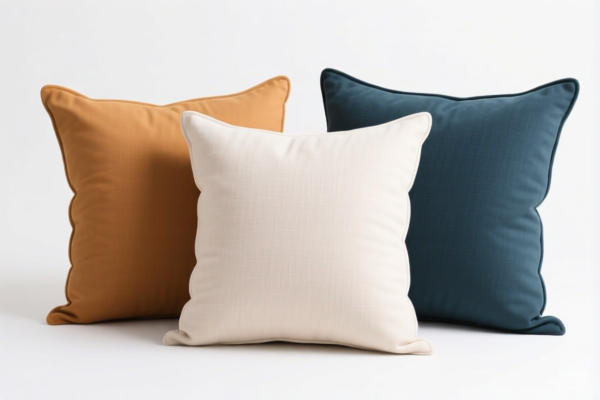
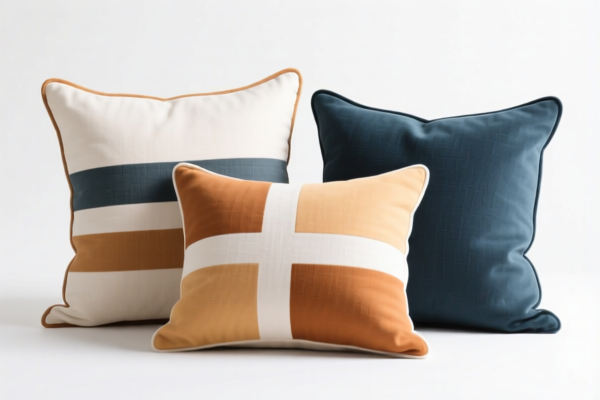
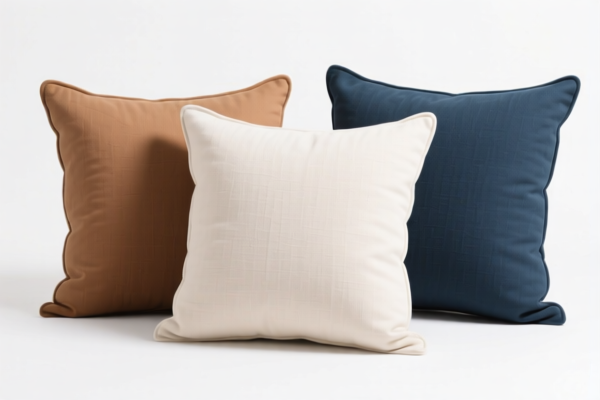
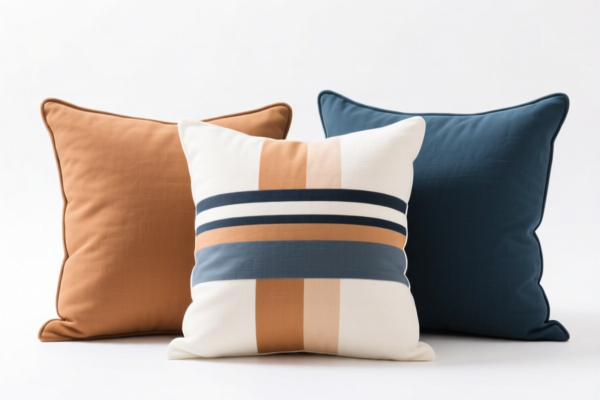
AI Analysis
🛋️ Cushions (Seat Cushions & Similar Furnishings)
🌐 HS Code Reference & Customs Clearance Guide | 2026 Latest Tariff Analysis | Professional Clearance Strategy 📌 Part 1: Product Definition & Classification: Do You Really Understand "Cushions"?
Cushions are ubiquitous in furniture, automotive, and medical industries. However, in international trade, their classification depends strictly on material composition, function, and integration with furniture. They are generally divided into two main categories:
1. Furniture Components (Part of the Seat): Cushions that are integral parts of chairs or sofas (e.g., upholstered seat pads), typically classified under Chapter 94.
2. Textile/Plastic Furnishings (Standalone Accessories): Loose cushions, pillows, or padding made of textile, rubber, or plastic, classified under Chapter 94.9404 or Chapter 39.
⚠️ Key Distinction Point: - If the cushion is inseparable from the chair or designed specifically as a seat pad for a specific furniture item → Chapter 94.01. - If it is a loose accessory (pillow/cushion) made of textile, foam, or rubber → Chapter 94.04 or Chapter 39.
📦 Part 2: HS Code Classification Details (2026 Latest Tariff Authority Comparison)
| HS Code | Product Description | Application Scenario | Classification Logic |
|---|---|---|---|
9401.80.40.06 |
Other seats; parts thereof (Cushions as parts of seats) | Upholstered chairs, sofa seat pads with textile cover | ✅ Integrated as a seat component |
9401.99.35.80 |
Parts of seats (Other parts) | Auxiliary seat accessories, rubber/plastic based seat parts | ✅ Seat accessory/component |
9404.90.20.90 |
Articles of apparel, clothing accessories... (Cushions & Pillows) | Textile-covered cushions, foam-filled pillows, bedding cushions | ✅ Standalone textile/foam item |
9404.90.10.90 |
Pillows, cushions & similar furnishings (Cotton/Other Fill) | Cotton-filled cushions, general home furnishing cushions | ✅ Standard textile/pillow item |
3926.90.21.00 |
Other articles of plastics | Plastic-made cushions, medical/care plastic pads | ✅ Plastic material specific |
🔍 Critical Reminder: - Integrated Furniture Parts (
9401.xxxx) often face higher additional tariffs due to US-China trade war provisions. - Standalone Textile/Plastic Items (9404.xxxx/3926.xxxx) may have lower base duties but are still subject to Section 301 and IEEPA tariffs.
💰 Part 3: 2026 Latest Tariff Rate Details (Including Surtaxes & Policy Additions)
✅ Applicable Country: United States (US) ✅ Country of Origin: China (CN) ✅ Effective Date: Including imports from November 10, 2025 onwards
🎯 1. 9401.80.40.06 — Seat Components (Cushions as Parts)
| Item | Content |
|---|---|
| Base Tariff | 0.0% (ad valorem) |
| Section 301 Surtax | +25.0% (From USITC Footnote 9903.88.01) |
| IEEPA Surtax | +10.0% (Targeting China/HK products, effective Nov 10, 2025) |
| Total Rate | 35.0% |
| Tax Calculation | CIF Value × 35% |
| De Minimis Eligibility | ❌ Not Eligible (deny_de_minimis) |
| Legal Basis Path | IEEPA:9903.01.25 → IEEPA:9903.01.24 → USITC:9401.80.40.06 → FOOTNOTE:9903.88.01 |
📌 Explanation: - Even though the base duty is 0%, the 25% Section 301 tax and 10% IEEPA tax push the total to 35%. - This classification is risky for small shipments due to high rates and lack of de minimis exemption.
🎯 2. 9401.99.35.80 — Seat Accessories (Rubber/Plastic Parts)
| Item | Content |
|---|---|
| Base Tariff | 0.0% |
| Section 301 Surtax | +25.0% |
| IEEPA Surtax | +10.0% |
| Total Rate | 35.0% |
| Tax Calculation | CIF × 35% |
| De Minimis Eligibility | ❌ Not Eligible |
| Legal Basis Path | IEEPA:9901.25 → IEEPA:9903.01.24 → USITC:9401.99.35.80 → FOOTNOTE:9903.88.01 |
📌 Note: - Similar to above, any "part of a seat" made of rubber/plastic faces the 35% total rate. - Misclassifying a standalone plastic cushion as a "seat part" can lead to penalties if it doesn't meet the "part" definition.
🎯 3. 9404.90.20.90 — Textile/Foam Cushions (Standard Household)
| Item | Content |
|---|---|
| Base Tariff | 6.0% |
| Section 301 Surtax | +7.5% (Note: Specific 301 rate for this subheading may vary, here calculated as 7.5% surcharge based on data) |
| IEEPA Surtax | +10.0% |
| Total Rate | 23.5% |
| Tax Calculation | CIF × 23.5% |
| De Minimis Eligibility | ❌ Not Eligible |
| Legal Basis Path | IEEPA:9903.01.24 → USITC:9404.90.20.90 |
📌 Explanation: - Lower than seat parts (23.5% vs 35%). - Suitable for loose textile cushions, foam pillows, or bedding accessories. - Ensure the product is not marketed as a direct replacement for a specific vehicle or furniture seat to avoid reclassification.
🎯 4. 9404.90.10.90 — Cotton/Other Material Cushions
| Item | Content |
|---|---|
| Base Tariff | 5.3% |
| Section 301 Surtax | +7.5% |
| IEEPA Surtax | +10.0% |
| Total Rate | 22.8% |
| Tax Calculation | CIF × 22.8% |
| De Minimis Eligibility | ❌ Not Eligible |
| Legal Basis Path | IEEPA:9903.01.24 → USITC:9404.90.10.90 |
📌 Note: - Lowest total rate among the options (22.8%). - Best for cotton-filled or general home furnishing cushions. - Crucial: Must clearly describe material (e.g., "Cotton-filled") to justify this subheading.
🎯 5. 3926.90.21.00 — Plastic Cushions/Pads
| Item | Content |
|---|---|
| Base Tariff | 4.2% |
| Section 301 Surtax | +7.5% |
| IEEPA Surtax | +10.0% |
| Total Rate | 21.7% |
| Tax Calculation | CIF × 21.7% |
| De Minimis Eligibility | ❌ Not Eligible |
| Legal Basis Path | IEEPA:9903.01.24 → USITC:3926.90.21.00 |
📌 Explanation: - Lowest total rate overall (21.7%). - Applies ONLY if the cushion is primarily made of plastic (e.g., medical care pads, plastic-backed mats). - Warning: Do not use this for textile cushions. Misclassification can lead to fines and shipment delays.
🛠️ Part 4: Customs Clearance Practical Advice (Battle-Tested Pitfall Avoidance)
✅ 1. Required Documentation Checklist (Non-negotiable)
| Document | Must Provide | Description |
|---|---|---|
| ✅ Product Specification Sheet | ✔️ | Material composition (e.g., 100% Cotton Cover, Foam Fill), Dimensions, Weight |
| ✅ Material Composition Proof | ✔️ | Declaration of fabric % and filling type (Foam, Cotton, Plastic) |
| ✅ Product Photos (Including Labels) | ✔️ | Clear view of care label, material tags, and overall shape |
| ✅ Commercial Invoice | ✔️ | Must specify "Cushion" or "Seat Part" accurately, not just "Accessory" |
| ✅ Packing List | ✔️ | Detail gross/net weight, quantities per carton |
| ✅ Certificate of Origin (CO) | ✔️ | Required for tariff verification; must match HS Code |
✅ 2. Declaration Strategy (Key Mnemonics)
🔥 "Material First, Function Second, Name Precise, Tax Lower!"
| Scenario | Correct Declaration | Wrong Practice |
|---|---|---|
| Loose Home Cushion | 9404.90.10.90 or 9404.90.20.90 |
Reporting as "Seat Part" → 35% Tax |
| Car Seat Cushion (Loose) | 9404.90.xxxx (If standalone) |
Reporting as "Automotive Part" → Potential higher scrutiny |
| Plastic Medical Pad | 3926.90.21.00 |
Reporting as "Textile Cushion" → Higher Tax + Rejection |
| Integrated Sofa Seat Pad | 9401.80.40.06 |
Reporting as "Loose Cushion" → Misclassification Penalty |
✅ 3. Special Case Handling
| Scenario | Handling Advice |
|---|---|
| OEM Custom Cushions | Provide design drawings and material specs to prove it's not a generic "seat part" if aiming for 22-23% rate |
| Cushions with Removable Covers | If the cover is textile and fill is foam, classify as 9404.90.20.90 (Textile/Foam), NOT 9401 (Seat Part) |
| Medical/Therapeutic Cushions | If plastic-based, use 3926.90.21.00 for lowest rate (21.7%); provide medical use documentation if applicable |
| Set Sales (Chair + Cushion) | Declare separately if possible. The cushion should be classified by its own material/function, not bundled into the chair's HS code if it's removable |
🌍 Part 5: Global Market Comparison (2026 Latest)
| Country/Region | Recommended HS Code | Tariff (China Origin) | Certification Requirements | Remarks |
|---|---|---|---|---|
| 🇺🇸 USA | 9404.90.10.90 |
22.8% (Textile) | CPC (Children's) if for kids; FTC Labeling | High Surtax Zone |
| 🇺🇸 USA | 9401.80.40.06 |
35.0% (Seat Part) | FTC Labeling | Highest Surtax Zone |
| 🇨🇳 China | 9404.90.10.90 |
5.3% | CCC (if applicable) | No additional surtax |
| 🇪🇺 EU | 9404.90.90 |
4.0% - 6.5% | REACH, CE (if plastic) | No Section 301/IEEPA |
| 🇬🇧 UK | 9404.90.90 |
4.0% - 6.5% | UKCA | Post-Brexit rules apply |
| 🇦🇺 Australia | 9404.90.90 |
5.0% | A-Mark | No major surtax |
📌 Conclusion: - USA is the most critical market for tariff optimization. - Avoid classifying loose cushions as "Seat Parts" (
9401) unless absolutely necessary, as the 35% rate is significantly higher than the 22-23% rate for standalone furnishings. - Material Declaration is the key to unlocking the lower tax brackets.
📌 Part 6: Common Errors & Pitfall Avoidance (Lessons Learned)
❌ Error 1: Calling a "Loose Cushion" a "Seat Part" to simplify description
👉 Consequence: Customs may agree or disagree, but if they classify it as 9401, you pay 35%. If they correct it to 9404, you get 22.8%. But if you declared it falsely, you face fines.
👉 Fix: Be accurate. If it's removable, it's likely 9404.
❌ Error 2: Misidentifying Material (e.g., calling Plastic "Fabric")
👉 Consequence: Rejection of entry, detention, and forced reclassification to 3926 or higher penalties.
👉 Fix: Provide accurate material breakdown (e.g., "100% Plastic Shell, Foam Insert").
❌ Error 3: Ignoring IEEPA 10% Surcharge
👉 Consequence: Underestimating landed cost by 10%.
👉 Fix: Always calculate Base Duty + Section 301 + IEEPA.
✅ Correct Declaration Example:
"Textile Home Decor Cushion, Cotton Cover, Foam Fill, Model ABC, For Home Furniture Use, Not Part of Seat Structure"
🎯 Part 7: Conclusion: Precision in Classification, Profit in Your Pocket!
🎯 Remember the Mnemonic:
🔹 "Loose Cushion? Go 9404. Seat Part? Go 9401. Plastic? Go 3926. Tax Saves Big!" 🔹 "HS Code Determines Life, 10% IEEPA Cuts Profit, Declare Material Clearly!"
📌 Pro Tip: If your cushions are originating from Vietnam, Mexico, Thailand, or Malaysia, you may apply for IEEPA Exemption, reducing the total rate to 0%~5%. Recommendation: Apply for an Advance Ruling (Pre-classification) from US Customs (CBP) to confirm the HS Code before shipping large volumes.
📣 Take Action Now:
📞 Contact a Professional Customs Broker + Provide Product Photos + Apply for HS Code Advance Ruling
🚀 Let your cushions Clear Customs Smoothly, Maximize Profits, and Scale Globally!
✨ Professional Clearance Starts with Accurate Classification! 💼 Every Penny of Cost Deserves to be Precisely Calculated!
Customer Reviews
About HS Code Classification
The Harmonized System (HS) is an internationally standardized nomenclature developed by the World Customs Organization (WCO) to classify traded products. Over 200 countries use the HS system as the basis for customs tariffs, trade statistics, and import/export regulations.
Each HS code follows a hierarchical structure:
- Chapter (2 digits) — Broad category of goods (e.g., Chapter 84: Machinery and Mechanical Appliances)
- Heading (4 digits) — More specific grouping within the chapter
- Subheading (6 digits) — Internationally standardized breakdown, used by all WCO member countries
- National subdivisions (8-10 digits) — Country-specific extensions for further classification, such as US HTSUS 10-digit codes
Correct HS code classification is essential for smooth customs clearance, accurate duty payment, and compliance with trade regulations. Misclassification can lead to customs delays, overpayment of duties, or penalties.
When importing from CN to US, the applicable tariff rates may include:
- Most-Favored-Nation (MFN) rate — The standard duty rate applied to WTO members
- General rate — Applied to countries without trade agreements
- Trade remedy duties — Additional tariffs such as Section 301 (anti-dumping), Section 232 (national security), or countervailing duties
The information provided on this page is for reference purposes only. For official classification, please consult with your local customs authority or a licensed customs broker.