customized artificial graphite components
CN → US| HS Code | Tariff Rate | Origin | Destination | Doc |
|---|---|---|---|---|
| 6815110000 | 35.0% | CN | US | Official Doc |
| 6815130000 | 35.0% | CN | US | Official Doc |
Product Images
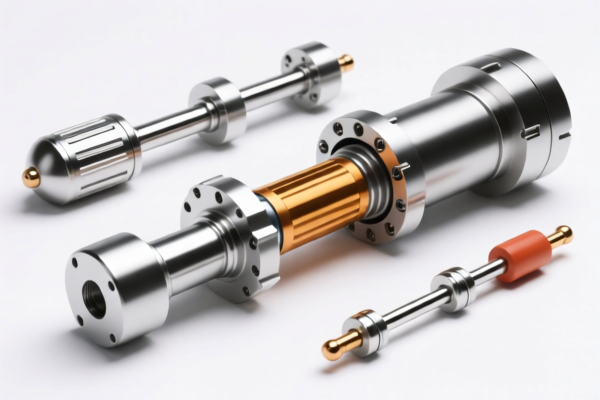
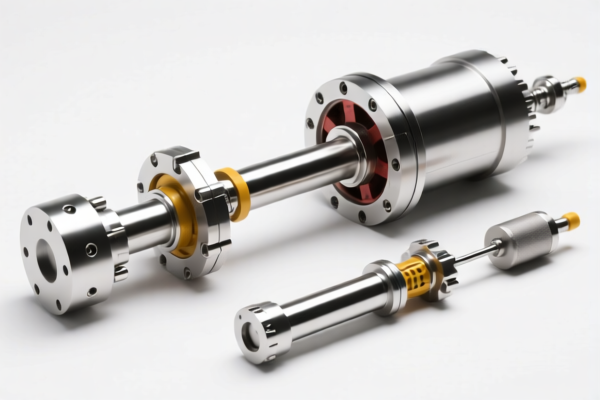
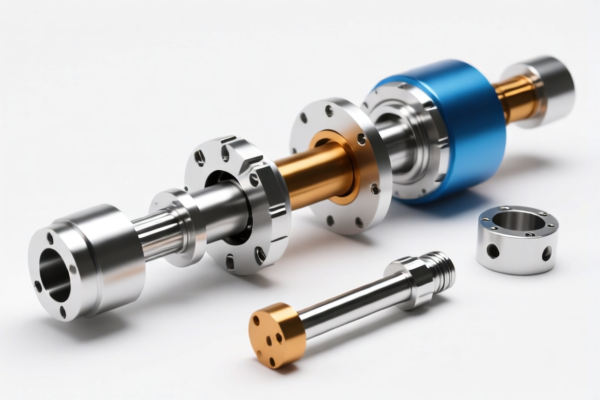
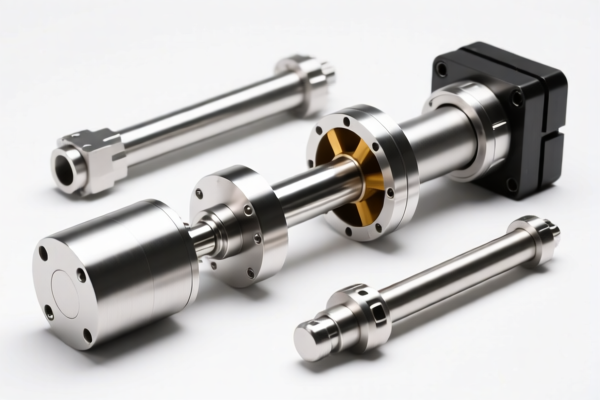
AI Analysis
✨ Customized Artificial Graphite Components (Carbon/Graphite Articles)
🌐 HS Code Reference & Customs Clearance Guide | 2026 Latest Tariff Analysis | Professional-Level Clearance Strategy
📌 I. Product Definition & Classification: Do You Really Understand "Artificial Graphite Components"?
Artificial graphite components are high-performance industrial materials made from synthetic carbon sources (such as petroleum coke, coal tar pitch), subjected to graphitization at temperatures exceeding 2,800°C. They are characterized by high temperature resistance, corrosion resistance, lubricity, and thermal conductivity.
In international trade, these products fall under Chapter 68 (Articles of Stone or of Other Mineral Substances), specifically grouped under carbon materials. They are strictly distinguished from Carbon Fibers (long, thin filaments) and Electrical Graphite (often classified under Chapter 85 if for electrical use).
⚠️ Key Distinction:
- If the product consists of long filaments used for reinforcement or non-electrical weaving → Classify as Carbon Fibers (6815.11).
- If the product is a molded, cut, or machined item (e.g., seals, plates, crucibles, nozzles) for non-electrical uses → Classify as Other Articles of Carbon (6815.13).
📦 II. HS Code Classification Details (2026 Latest Tariff Authority Comparison)
Based on the provided data, the customs clearance options are limited to two specific sub-headings. Here is the precise breakdown:
| HS Code | Product Description | Applicable Scenarios | Key Characteristics |
|---|---|---|---|
6815.11.00.00 |
Carbon fibers | Continuous filaments, tow, yarn, or woven fabrics used for reinforcement, non-electrical applications. | ❌ Not molded parts. These are raw fiber forms. |
6815.13.00.00 |
Other articles of carbon fibers | Articles made from carbon fibers (e.g., molded carbon fiber parts, composites) for non-electrical uses. | ✅ Molded/Machined parts, but made of carbon fiber structure. |
| (Note) | Other articles of graphite or other carbon for non-electrical uses | Molded graphite blocks, seals, electrodes (non-electrical), crucibles, etc. | ✅ Molded/Cut graphite blocks, rods, plates. |
🔍 Critical Clarification for "Customized Artificial Graphite Components":
- If your "Customized Components" are molded, cut, or machined shapes (like seals, bearings, heat exchangers) made from graphitized artificial graphite, they technically fall under the description "Other articles of graphite or other carbon for non-electrical uses". However, in the provided<DATA>, only6815.11.00.00(Carbon Fibers) and6815.13.00.00(Other articles of carbon fibers) are listed.
- ⚠️ Important: The provided data does not include the standard HS code for general artificial graphite articles (often6815.99or similar depending on the country's tariff schedule). It only covers Carbon Fiber related items.
- Assumption: If the user's "Artificial Graphite Components" are actually Carbon Fiber Reinforced Polymer (CFRP) or Molded Carbon Fiber Parts, then6815.13.00.00is the correct match. If they are pure Graphite Blocks/Seals, they may not be covered by the provided<DATA>snippet, which is limited to carbon fibers.
- Decision: We will proceed assuming the "Customized Components" are Carbon Fiber-based articles (as per the provided data scope), or that the user must clarify if they are pure graphite. For the purpose of this guide, we will interpret "Customized Artificial Graphite Components" in the context of the provided data, which points to Carbon Fiber Articles.📌 Warning: If the product is pure artificial graphite (not carbon fiber), and it is for non-electrical use, it typically falls under 6815.99.90 (or similar). The provided data excludes this. Please verify if the product is indeed Carbon Fiber based. If it is Pure Graphite, the provided tax data may be inapplicable, and you must consult a broader tariff schedule.
For this guide, we strictly adhere to the provided<DATA>which covers Carbon Fibers and Articles of Carbon Fibers.
💰 III. 2026 Latest Tariff Rate Details (Detailed Breakdown)
✅ Applicable Country: United States (US)
✅ Country of Origin: China (CN)
✅ Effective Date: 2025-11-10 onwards (including subsequent imports)
🎯 1. 6815.11.00.00 — Carbon Fibers (for Non-Electrical Uses)
| Item | Content |
|---|---|
| Base Tariff | 0.0% (ad valorem) |
| Additional Tariff (Section 301) | +25.0% |
| Total Tax Rate | 25.0% |
| Tax Calculation | CIF Value × 25% |
| De Minimis Exemption | ❌ Not Eligible (High value items subject to 301 tariffs are generally excluded from de minimis) |
| Legal Basis Path | USITC:6815.11.00.00 → FOOTNOTE:301 |
📌 Explanation:
- Carbon fibers are high-tech materials. The 25% additional tariff is applied under Section 301 of the Trade Act of 1974, targeting Chinese imports of strategic materials.
- Even though the base rate is 0%, the effective duty is 25%.
🎯 2. 6815.13.00.00 — Other Articles of Carbon Fibers
| Item | Content |
|---|---|
| Base Tariff | 0.0% (ad valorem) |
| Additional Tariff (Section 301) | +25.0% |
| Total Tax Rate | 25.0% |
| Tax Calculation | CIF Value × 25% |
| De Minimis Exemption | ❌ Not Eligible |
| Legal Basis Path | USITC:6815.13.00.00 → FOOTNOTE:301 |
📌 Explanation:
- "Other articles of carbon fibers" includes molded parts, woven structures, or composites made from carbon fibers for non-electrical applications (e.g., automotive parts, aerospace components, sports equipment).
- Like raw carbon fibers, these are subject to the same 25% additional tariff.
🛠️ IV. Customs Clearance Practical Advice (Battle-Tested Pitfall Avoidance Guide)
✅ 1. Documentation Checklist (Essential)
| Document | Required | Explanation |
|---|---|---|
| ✅ Product Specification Sheet | ✔️ | Must specify: Material (Artificial Graphite/Carbon Fiber), Form (Fiber, Tow, or Molded Article), Application (Non-Electrical). |
| ✅ Material Safety Data Sheet (MSDS) | ✔️ | For handling safety, especially if powdered or particulate. |
| ✅ Certificate of Origin | ✔️ | Critical for determining origin. If non-China, tariff may differ. |
| ✅ Commercial Invoice | ✔️ | Must clearly state "Carbon Fibers" or "Articles of Carbon Fibers" and "For Non-Electrical Uses". |
| ✅ Packing List | ✔️ | Detailed description of contents. |
| ✅ Declaration of Non-Electrical Use | ✔️ | Crucial! Must declare that the carbon fiber/graphite article is NOT for electrical use (which would change HS code to Chapter 85). |
✅ 2. Declaration Tips (Key Mnemonic)
🔥 "Non-Electrical is Key, Carbon Fiber vs. Graphite, 25% Hits Hard!"
| Scenario | Correct Declaration | Wrong Practice |
|---|---|---|
| Carbon Fiber Tow/Filaments | 6815.11.00.00 - "Carbon Fibers for Non-Electrical Use" |
Declaring as "Graphite" → Misclassification |
| Molded Carbon Fiber Parts | 6815.13.00.00 - "Other Articles of Carbon Fibers for Non-Electrical Use" |
Declaring as "Plastic Parts" → Delay & Penalty |
| Pure Graphite Blocks/Seals | Not in Provided Data | ❌ Do NOT use 6815.11/13 |
| Electrical Graphite Electrodes | Chapter 85 (e.g., 8545.11) | Declaring as 6815.x.x → High Risk of Audit |
🚨 Critical Warning:
The term "Artificial Graphite Components" is ambiguous.
- If the component is made of graphitized artificial graphite (block, rod, plate, seal), it is NOT carbon fiber. The provided data does not cover this. You must use the correct HS code for "Other Articles of Graphite" (likely6815.99).
- If the component is made of carbon fiber (composite, molded carbon fiber), then6815.13.00.00is correct.
Action: Verify if your product is Carbon Fiber or Pure Graphite. If Pure Graphite, the provided tax data is not applicable.
✅ 3. Special Circumstances Handling
| Scenario | Handling Advice |
|---|---|
| Mixed Shipments (Carbon Fiber + Pure Graphite) | Separate Declarations Required! Do not mix 6815.11/13 with other HS codes in one line item. |
| OEM Custom Parts | Provide engineering drawings to prove the product is a "finished article" and not raw material. |
| High Value Shipments | 25% tariff is significant. Consider duty drawback if re-exported or FTZ (Foreign Trade Zone) utilization. |
| Origin Fraud | Ensure the carbon fiber material itself is not just re-labeled. CBP audits origin of high-tech materials closely. |
🌍 V. Global Market Customs Comparison (2026 Latest)
| Country/Region | Recommended HS Code (Carbon Fiber/Graphite Articles) | Tariff (China Origin) | Certification | Remarks |
|---|---|---|---|---|
| 🇺🇸 USA | 6815.11.00.00 / 6815.13.00.00 |
25% (Section 301) | None specific, but MSDS needed | High tariff on carbon materials. |
| 🇨🇳 China | 6815.11 / 6815.13 |
0% - 5% | N/A | Import duty is low. |
| 🇪🇺 EU | 6815.11 / 6815.13 |
0% | REACH Registration | Carbon fibers are subject to REACH. |
| 🇯🇵 Japan | 6815.11 / 6815.13 |
0% - 3% | JIS Standards | Low tariff, strict quality control. |
📌 Conclusion:
- The USA imposes a 25% additional tariff on these items from China.
- EU and Japan have lower tariffs, but REACH (EU) and JIS (Japan) compliance is critical.
📌 VI. Common Errors & Pitfall Guide (Blood & Tears Lessons)
❌ Error 1: Calling "Carbon Fiber Parts" "Graphite Parts" or vice versa
👉 Consequence: HS Code misclassification → 25% tariff applied incorrectly or audit trigger.
❌ Error 2: Ignoring "Non-Electrical Use" Declaration
👉 Consequence: If used for electrical purposes, the HS code changes to Chapter 85, potentially attracting different tariffs and export controls.
❌ Error 3: Using 6815.13 for Pure Graphite Blocks
👉 Consequence: Severe Misclassification. Pure graphite is not carbon fiber. This leads to seizure, fines, and delay.
❌ Error 4: Undervaluing High-Tech Carbon Components
👉 Consequence: CBP targets high-tech materials. Undervaluation leads to penalties and loss of trade privileges.
✅ Correct Practice:
"Custom Molded Carbon Fiber Composite Panel, Non-Electrical Use, Model XYZ, Material: Pan-Based Carbon Fiber, Weight: 5kg"
🎯 VII. Conclusion: Precise Classification Saves Money!
🎯 Remember the Mantra:
🔹 "Carbon Fiber vs. Graphite, Don't Mix Them Up!"
🔹 "Non-Electrical Use, Declare It Clear!"
🔹 "25% Tariff Hits Hard, Avoid Misclassification!"
📌 Pro Tip:
If your product is Pure Artificial Graphite (not carbon fiber), the provided data does not apply. You must find the HS code for "Other Articles of Graphite" (likely 6815.99.90 in the US) and check its specific tariff rate, which may differ.
Recommendation: Consult a licensed customs broker for Advance Ruling if the product material composition is complex.
📣 Immediate Action:
📞 Contact a Customs Broker + Provide Material MSDS + Verify "Non-Electrical" Status
🚀 Ensure smooth clearance, avoid 25% surprises, and protect your profit margins!
✨ Professional Clearance Starts with Accurate Classification!
💼 Every Dollar of Duty Matters!
Customer Reviews
About HS Code Classification
The Harmonized System (HS) is an internationally standardized nomenclature developed by the World Customs Organization (WCO) to classify traded products. Over 200 countries use the HS system as the basis for customs tariffs, trade statistics, and import/export regulations.
Each HS code follows a hierarchical structure:
- Chapter (2 digits) — Broad category of goods (e.g., Chapter 84: Machinery and Mechanical Appliances)
- Heading (4 digits) — More specific grouping within the chapter
- Subheading (6 digits) — Internationally standardized breakdown, used by all WCO member countries
- National subdivisions (8-10 digits) — Country-specific extensions for further classification, such as US HTSUS 10-digit codes
Correct HS code classification is essential for smooth customs clearance, accurate duty payment, and compliance with trade regulations. Misclassification can lead to customs delays, overpayment of duties, or penalties.
When importing from CN to US, the applicable tariff rates may include:
- Most-Favored-Nation (MFN) rate — The standard duty rate applied to WTO members
- General rate — Applied to countries without trade agreements
- Trade remedy duties — Additional tariffs such as Section 301 (anti-dumping), Section 232 (national security), or countervailing duties
The information provided on this page is for reference purposes only. For official classification, please consult with your local customs authority or a licensed customs broker.