cuticle remover tool
CN → US| HS Code | Tariff Rate | Origin | Destination | Doc |
|---|---|---|---|---|
| 8214203000 | 14.0% | CN | US | Official Doc |
| 8214209000 | 14.1% | CN | US | Official Doc |
| 3926909989 | 22.8% | CN | US | Official Doc |
| 9603294090 | 0.0% | CN | US | Official Doc |
| 9603294010 | 0.0% | CN | US | Official Doc |
Product Images
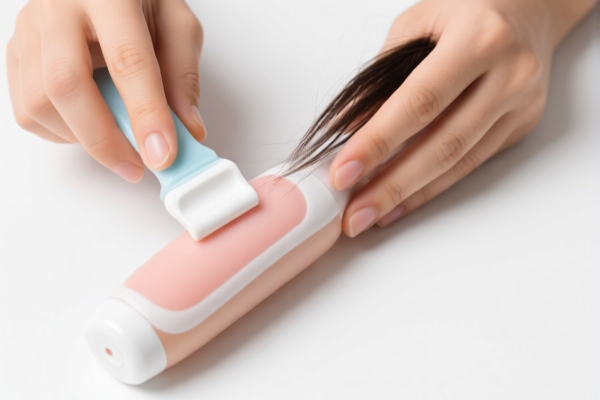
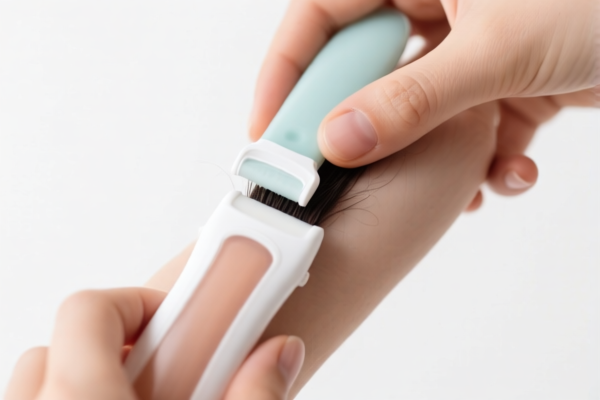
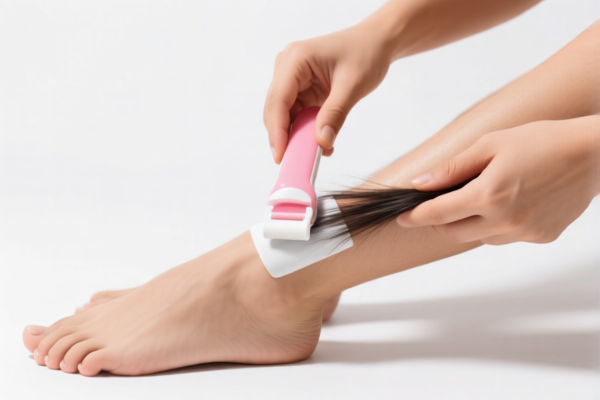
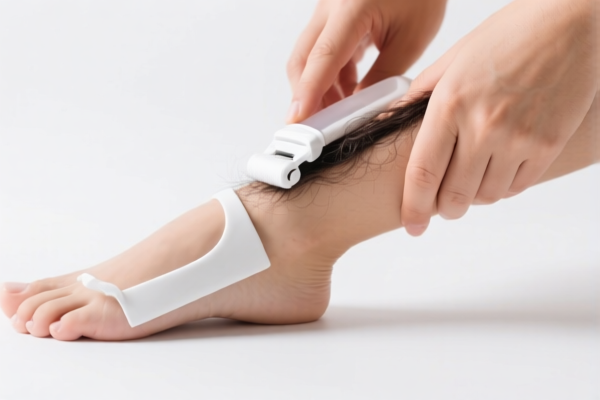
AI Analysis
🔪 Cuticle Remover Tool (Nail Care Instrument)
🌐 HS Code Reference & Customs Clearance Guide | 2026 Latest Tariff Analysis | Professional Clearance Strategy
📌 I. Product Definition & Classification: What Exactly Is a "Cuticle Remover"?
A cuticle remover tool (also known as a cuticle pusher, nipper, or corner cutter) is a specialized manicure/pedicure instrument used for trimming, pushing back, or removing dead skin around the nails. In international trade, classification depends heavily on material and function:
- Metal Cuticle Tools: Made primarily of base metals (e.g., stainless steel, iron). Includes pushers, scissors, nippers, and corner cutters.
- Plastic/Nail Sets: Often sold as part of a manicure kit. If plastic is the main component or if it’s a set, classification may shift.
- Brushes/Exfoliating Tools: If the tool is a brush used for cleaning or skin care (e.g., a cuticle brush with bristles), it may fall under "brushes" or "hygiene articles."
⚠️ Critical Distinction:
- If the tool is a rigid metal instrument (pusher/scissor) → Chapter 82 (Tools of Base Metal).
- If the tool is a plastic set or part of a kit → Chapter 39 (Plastics) or Chapter 96 (Articles of Miscellaneous Use).
- If it’s a brush for skin/cuticle care → Chapter 96 (Brushes).
📦 II. HS Code Classification Details (2026 Latest Tariff Reference)
| HS Code | Product Description | Application Scenario | Material/Type |
|---|---|---|---|
8214.20.30.00 |
Cuticle/Manicure Tools (Pushers, Corner Cutters) | Metal tools for trimming cuticles, nail corners, or dead skin | ✅ Base Metal (Iron/Steel) |
8214.20.90.00 |
Manicure/Pedicure Sets or Combinations | Kits containing multiple tools (metal/plastic mix), nail clippers sets | ✅ Mixed/Metal |
3926.90.99.89 |
Other Plastic Articles (Unspecified) | Plastic cuticle pushers, nail files, or purely plastic tools | ✅ Plastic |
9603.29.40.90 |
Hygiene/Toilet Brushes (Other) | Cuticle brushes, exfoliating brushes for skin care | ✅ Bristles/Brush |
9603.29.40.10 |
Cleaning/Scrubbing Brushes | Tools for cleaning skin or nails, similar to combs/brushes | ✅ Brush/Comb Type |
🔍 Key Reminder:
- Metal cuticle pushers/scissors must be classified under 8214.20.
- Plastic-only tools fall under 3926.90 if not specified elsewhere.
- Brush-type tools (with bristles) go to 9603.29, not 8214.
💰 III. 2026 Latest Tariff Rate Details (Including Additional Taxes & Policy Surcharges)
✅ Applicable Country: United States (US)
✅ Origin: China (CN)
✅ Effective Date: November 10, 2025 (and subsequent imports)
🎯 1. 8214.20.30.00 —— Metal Cuticle Remover/Pusher
| Item | Content |
|---|---|
| Base Tariff | 4.0% (ad valorem) |
| Section 301 Surcharge | +10.0% (IEEPA Section 1223, China-specific) |
| Additional Section 301 | 0.0% (No extra 7.5% for this code) |
| Total Tariff | 14.0% |
| Tax Calculation | CIF Value × 14.0% |
| De Minimis Exemption | ❌ Not Eligible (Deny de minimis for Section 301 goods) |
| Legal Basis Path | IEEPA:9903.01.25 → USITC:8214.20.30.00 → FOOTNOTE:9903.88.01 |
📌 Explanation:
- Base 4.0%: Standard MFN rate for tools of base metal.
- Section 301 10%: Additional tariff on Chinese-origin goods under IEEPA.
- Total 14.0%: High cost for metal tools from China.
🎯 2. 8214.20.90.00 —— Manicure Sets/Mixed Tools
| Item | Content |
|---|---|
| Base Tariff | 4.1% |
| Section 301 Surcharge | +10.0% |
| Additional Section 301 | 0.0% |
| Total Tariff | 14.1% |
| Tax Calculation | CIF Value × 14.1% |
| De Minimis Exemption | ❌ Not Eligible |
| Legal Basis Path | IEEPA:9903.01.25 → USITC:8214.20.90.00 |
📌 Note:
- Slightly higher base rate than8214.20.30.00due to "other" classification.
- Applies to complete kits or mixed metal/non-metal sets.
🎯 3. 3926.90.99.89 —— Plastic Cuticle Tools
| Item | Content |
|---|---|
| Base Tariff | 5.3% |
| Section 301 Surcharge | +7.5% (Additional 301) |
| Section 301 (1223) | +10.0% |
| Total Tariff | 22.8% |
| Tax Calculation | CIF Value × 22.8% |
| De Minimis Exemption | ❌ Not Eligible |
| Legal Basis Path | IEEPA:9901.25 → USITC:3926.90.99.89 → FOOTNOTE:9903.88.01 |
📌 Warning:
- Plastic tools face higher tariffs due to combined Section 301 surcharges.
- Base 5.3% + 7.5% + 10% = 22.8%.
🎯 4. 9603.29.40.90 & 9603.29.40.10 —— Brush-Type Cuticle Tools
| Item | Content |
|---|---|
| Base Tariff | 0.2¢ each + 7.0% |
| Section 301 Surcharge | +0.0% (No additional 301 for this subheading) |
| Section 301 (1223) | +10.0% |
| Total Tariff | 0.2¢ each + 17.0% (7% base + 10% IEEPA) |
| Tax Calculation | (0.2¢ × Qty) + (CIF × 17.0%) |
| De Minimis Exemption | ❌ Not Eligible |
| Legal Basis Path | IEEPA:9901.25 → USITC:9603.29.40.10 → FOOTNOTE:9903.88.01 |
📌 Note:
- Applies to brushes (e.g., cuticle brushes with bristles).
- Lower base rate but still subject to 10% IEEPA surcharge.
- 0.2¢ each is a specific duty per unit.
🛠️ IV. Customs Clearance Practical Advice (Field Avoidance Guide)
✅ 1. Required Documentation Checklist
| Document | Mandatory? | Description |
|---|---|---|
| ✅ Product Specifications | ✔️ | Material (metal/plastic), dimensions, usage |
| ✅ Product Photos (Labeled) | ✔️ | Show tool shape, branding, packaging |
| ✅ Commercial Invoice | ✔️ | Clearly state "Cuticle Remover Tool" or "Manicure Set" |
| ✅ Packing List | ✔️ | Detail items included (e.g., 1 pusher, 1 nippers) |
| ✅ Material Declaration | ✔️ | Specify if stainless steel, plastic, or bristle-based |
| ✅ Certificate of Origin (CO) | ✔️ | If non-China origin, may qualify for lower rates |
✅ 2. Declaration Tips (Key Mantras)
🔥 "Metal gets 14%, Plastic gets 23%, Brush gets 17% — Know Your Material!"
| Scenario | Correct HS Code | Wrong Practice |
|---|---|---|
| Stainless Steel Cuticle Pusher | 8214.20.30.00 |
Misdeclare as plastic → 22.8% penalty risk |
| Plastic Cuticle Scissors | 3926.90.99.89 |
Misdeclare as metal → 14% vs 22.8% (overpayment) |
| Cuticle Brush with Bristles | 9603.29.40.10 |
Misdeclare as metal tool → 14% vs 17% |
| Manicure Kit (Mixed) | 8214.20.90.00 |
Split declaration → Higher combined tax |
✅ 3. Special Cases
| Situation | Handling Advice |
|---|---|
| OEM Private Label | Provide client order + design specs to avoid misclassification |
| Set with Metal + Plastic | Declare as 8214.20.90.00 (Set) rather than splitting |
| Brush-Type Tool | Ensure it has bristles to qualify for 9603.29, not 8214 |
| Non-China Origin | Apply for preferential tariff if from ASEAN/Mexico (check USMCA/FTA) |
🌍 V. Global Market Comparison (2026 Latest)
| Country/Region | Recommended HS Code | Tariff (China Origin) | Certification Required | Notes |
|---|---|---|---|---|
| 🇺🇸 USA | 8214.20.30.00 |
14.0% (Metal) | None | High due to Section 301 |
| 🇺🇸 USA | 3926.90.99.89 |
22.8% (Plastic) | None | Highest for plastic |
| 🇨🇳 China | 8214.20.30.00 |
4.0% | None | No Section 301 |
| 🇪🇺 EU | 8214.20.30.00 |
0.0% (if CE) | CE + RoHS | No additional tariffs |
| 🇬🇧 UK | 8214.20.30.00 |
0.0% | UKCA | Post-Brexit free trade |
| 🇦🇺 Australia | 8214.20.30.00 |
5.0% | None | No Section 301 |
📌 Conclusion:
- USA imposes the highest tariffs on cuticle tools due to Section 301.
- EU/UK/Australia offer lower or zero tariffs for metal tools.
- Plastic tools are most expensive in the US (22.8%).
📌 VI. Common Mistakes & Pitfalls (Lessons Learned)
❌ Mistake 1: Declaring metal pushers as "plastic tools"
👉 Result: Underpayment of 8.8% → Audit + Penalties!
❌ Mistake 2: Splitting a manicure set into individual items
👉 Result: Higher total tax due to separate classifications → Overpayment!
❌ Mistake 3: Misidentifying brush-type tools as metal
👉 Result: Wrong HS Code → Customs Delay + Re-inspection
❌ Mistake 4: Ignoring Section 301 surcharges
👉 Result: Unbudgeted 10-15% cost → Profit Margin Erosion!
✅ Correct Approach:
"Stainless Steel Cuticle Pusher, Model XYZ, No Brakes, For Personal Manicure Use"
🎯 VII. Conclusion: Precision Classification, Cost Control, Smooth Clearance!
🎯 Remember the Mantra:
🔹 "Metal 14%, Plastic 23%, Brush 17% — Know Your Material!"
🔹 "Set Together, Not Split — Avoid Tax Traps!"
🔹 "Section 301 Hits Hard — Plan Ahead for USA!"
📌 Pro Tip:
If your cuticle tools are originating from Vietnam, Mexico, or Thailand, you may qualify for IEEPA exemptions (0-5% tariff).
Recommend Advance Ruling (Provisional Classification) to mitigate risks.
📣 Immediate Action:
📞 Contact a licensed customs broker + Provide product photos + Apply for HS Code Advance Ruling
🚀 Ensure your cuticle tools clear customs smoothly, maximize profits, and expand globally!
✨ Professional Clearance Starts with Accurate Classification!
💼 Every Cent of Cost Should Be Precisely Calculated!
Customer Reviews
About HS Code Classification
The Harmonized System (HS) is an internationally standardized nomenclature developed by the World Customs Organization (WCO) to classify traded products. Over 200 countries use the HS system as the basis for customs tariffs, trade statistics, and import/export regulations.
Each HS code follows a hierarchical structure:
- Chapter (2 digits) — Broad category of goods (e.g., Chapter 84: Machinery and Mechanical Appliances)
- Heading (4 digits) — More specific grouping within the chapter
- Subheading (6 digits) — Internationally standardized breakdown, used by all WCO member countries
- National subdivisions (8-10 digits) — Country-specific extensions for further classification, such as US HTSUS 10-digit codes
Correct HS code classification is essential for smooth customs clearance, accurate duty payment, and compliance with trade regulations. Misclassification can lead to customs delays, overpayment of duties, or penalties.
When importing from CN to US, the applicable tariff rates may include:
- Most-Favored-Nation (MFN) rate — The standard duty rate applied to WTO members
- General rate — Applied to countries without trade agreements
- Trade remedy duties — Additional tariffs such as Section 301 (anti-dumping), Section 232 (national security), or countervailing duties
The information provided on this page is for reference purposes only. For official classification, please consult with your local customs authority or a licensed customs broker.