cutlery case
CN → US| HS Code | Tariff Rate | Origin | Destination | Doc |
|---|---|---|---|---|
| 4202929315 | 52.6% | CN | US | Official Doc |
| 3926901000 | 20.9% | CN | US | Official Doc |
| 3926909989 | 22.8% | CN | US | Official Doc |
| 4202926010 | 41.3% | CN | US | Official Doc |
| 4420908000 | 38.2% | CN | US | Official Doc |
Product Images
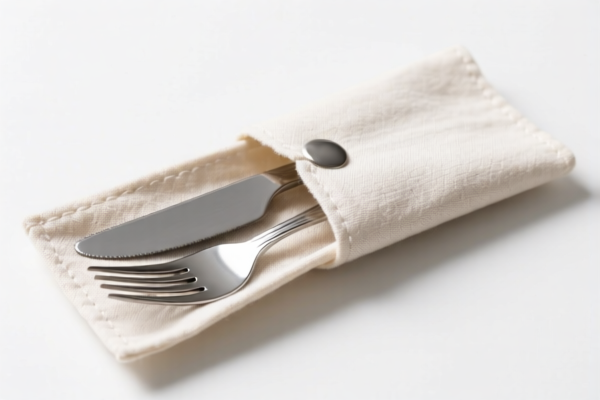
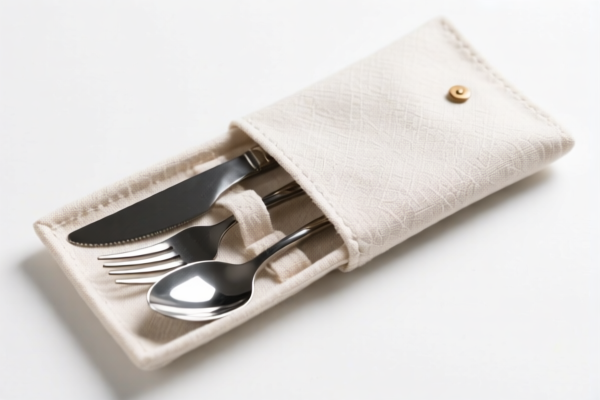
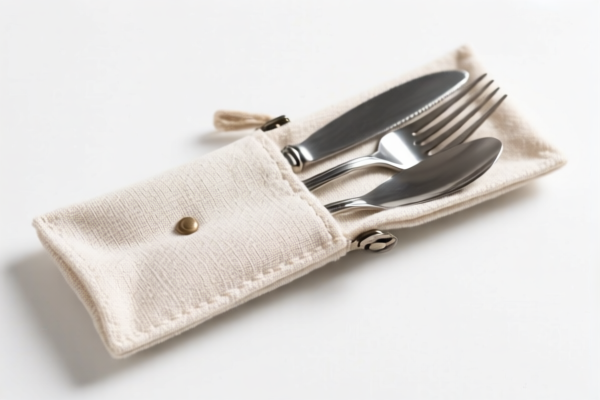
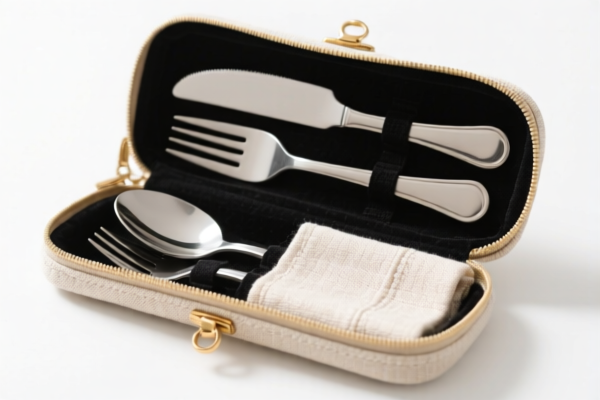
AI Analysis
🍴 Cutlery Case (Cutlery Organizer/Hold)
🌐 HS Code Reference & Customs Clearance Guide | 2026 Latest Tariff Analysis | Professional Clearance Strategy
A "Cutlery Case" (or cutlery organizer/holder) is a versatile container used for storing forks, spoons, knives, and chopsticks. In international trade, its classification is highly sensitive to material composition and specific function (e.g., general storage vs. jewelry display). Misclassification can lead to significant tariff discrepancies due to the varying surtaxes applied to different materials.
⚠️ Key Classification Logic:
- Is it Plastic? → Look at Chapter 39.
- Is it Wood? → Look at Chapter 44.
- Does it have an Textile exterior (fabric lining, cloth cover)? → Look at Chapter 42.
- Is it specifically a Jewelry Box with a velvet/fabric interior? → Look at Chapter 42 (higher risk).
📦 HS Code Classification Details (2026 Latest Tariff Authority)
The following HS codes represent the most likely classifications for "Cutlery Cases" based on material and structure. Each code has distinct tax implications.
| HS Code | Product Description | Application Scenario | Material/Structure |
|---|---|---|---|
4202.92.93.15 |
Storage containers, exterior surface may involve textile materials | Cutlery bags, fabric-covered boxes, textile-lined organizers | ✅ Textile Exterior |
3926.90.10.00 |
Other plastic articles, containers, shape/function consistent with buckets/boxes | Hard plastic cutlery drawers, rigid plastic organizers | ✅ Plastic (Rigid) |
3926.90.99.89 |
Other plastic articles, no obvious shape or use conflict | Irregular plastic cutlery holders, molded plastic trays | ✅ Plastic (General) |
4202.92.60.10 |
Jewelry boxes and similar containers, material may be plastic or textile | Luxury cutlery cases with velvet/fabric interior (high risk of reclassification) | ✅ Textile/Jewelry Style |
4420.90.80.00 |
Wooden containers, fitting the description of jewelry or cutlery boxes | Wooden cutlery trays, bamboo organizers, lacquered wooden boxes | ✅ Wood |
🔍 Critical Reminder:
- Plastic vs. Textile: A plastic box with a fabric insert is generally classified as plastic (3926.90...) unless the fabric constitutes the primary exterior. - Jewelry Box Trap: If the cutlery case is designed with dividers resembling jewelry trays and uses luxurious fabrics, customs may reclassify it as4202.92.60.10(Jewelry Box), triggering much higher taxes.
💰 2026 Latest Tariff Rate Breakdown (Including Surtaxes & Policy Add-ons)
✅ Applicable Country: USA (US)
✅ Country of Origin: China (CN)
✅ Effective Date: From November 10, 2025 onwards
🎯 1. 4202.92.93.15 —— Storage Containers with Textile Exterior
| Item | Details |
|---|---|
| Basic Tariff | 17.6% (Ad Valorem) |
| Section 301 Surtax | +25.0% |
| 122 Clause Tariff | +10.0% |
| Total Tax Rate | 52.6% |
| Tax Calculation | CIF Value × 52.6% |
| De Minimis Eligibility | ❌ Not Eligible (High tax threshold) |
| Legal Basis Path | Base: 17.6% → Surtax: 25.0% → 122 Clause: 10% |
📌 Explanation:
- This code attracts the highest tax burden among common cutlery cases due to the textile classification and Section 301 surtax. - "122 Clause Tariff 10%" is a specific additional tariff for certain Chinese-origin goods. - Total 52.6% makes this a high-cost item for US importers. Avoid if possible.
🎯 2. 3926.90.10.00 —— Plastic Other Articles (Container Type)
| Item | Details |
|---|---|
| Basic Tariff | 3.4% (Ad Valorem) |
| Section 301 Surtax | +7.5% |
| 122 Clause Tariff | +10.0% |
| Total Tax Rate | 20.9% |
| Tax Calculation | CIF Value × 20.9% |
| De Minimis Eligibility | ❌ Not Eligible |
| Legal Basis Path | Base: 3.4% → Surtax: 7.5% → 122 Clause: 10% |
📌 Note:
- This is the most cost-effective classification for rigid plastic cutlery organizers. - The "7.5% Surtax" is significantly lower than the 25% applied to textiles or wood. - Suitable for standard, functional plastic trays or drawer inserts.
🎯 3. 3926.90.99.89 —— Plastic Other Articles (General)
| Item | Details |
|---|---|
| Basic Tariff | 5.3% (Ad Valorem) |
| Section 301 Surtax | +7.5% |
| 122 Clause Tariff | +10.0% |
| Total Tax Rate | 22.8% |
| Tax Calculation | CIF Value × 22.8% |
| De Minimis Eligibility | ❌ Not Eligible |
| Legal Basis Path | Base: 5.3% → Surtax: 7.5% → 122 Clause: 10% |
📌 Note:
- Slightly higher than3926.90.10.00due to the "Other Articles" category having a higher base tariff. - Use this only if the product does not fit the "container" definition of3926.90.10.00.
🎯 4. 4202.92.60.10 —— Jewelry Boxes & Similar Containers
| Item | Details |
|---|---|
| Basic Tariff | 6.3% (Ad Valorem) |
| Section 301 Surtax | +25.0% |
| 122 Clause Tariff | +10.0% |
| Total Tax Rate | 41.3% |
| Tax Calculation | CIF Value × 41.3% |
| De Minimis Eligibility | ❌ Not Eligible |
| Legal Basis Path | Base: 6.3% → Surtax: 25.0% → 122 Clause: 10% |
📌 Warning:
- High Risk Classification: If your cutlery case is marketed as a "luxury gift box" with fabric/velvet lining, customs may assign this code. - Despite a lower base tariff (6.3%), the 25% Section 301 Surtax spikes the total to 41.3%. - Do not use this code for standard cutlery unless specifically designed as a jewelry box.
🎯 5. 4420.90.80.00 —— Wooden Containers (Jewelry/Cutlery Box Type)
| Item | Details |
|---|---|
| Basic Tariff | 3.2% (Ad Valorem) |
| Section 301 Surtax | +25.0% |
| > 122 Clause Tariff | +10.0% |
| Total Tax Rate | 38.2% |
| Tax Calculation | CIF Value × 38.2% |
| De Minimis Eligibility | ❌ Not Eligible |
| Legal Basis Path | Base: 3.2% → Surtax: 25.0% → 122 Clause: 10% |
📌 Note:
- Wooden cutlery trays fall under Chapter 44. - Although the base tariff is low (3.2%), the 25% Section 301 Surtax makes it expensive (38.2%). - Common for bamboo or hardwood cutlery organizers.
🛠️ IV. Customs Clearance Practical Advice (Real-World Pitfall Guide)
✅ 1. Documentation Checklist (Mandatory)
| Document | Required | Description |
|---|---|---|
| ✅ Product Specification Sheet | ✔️ | Dimensions, material composition (e.g., "100% PP Plastic"), capacity |
| ✅ Material Declaration | ✔️ | Explicitly state: "Exterior: Plastic; Interior: None" OR "Exterior: Wood" |
| ✅ Product Photos | ✔️ | Clear images showing the product shape, lack of textile exterior, and compartments |
| ✅ Commercial Invoice | ✔️ | Describe as "Plastic Cutlery Organizer" or "Wooden Cutlery Tray" — Avoid "Jewelry Box" |
| ✅ Packing List | ✔️ | Show unit packaging; ensure no mixed materials that confuse classification |
✅ 2. Declaration Tips (Key Mantra)
🔥 "Material Defines Code, Avoid Textile & Jewelry Keywords!"
| Scenario | Correct Declaration | Wrong Practice |
|---|---|---|
| Plastic Cutlery Tray | Plastic Cutlery Organizer, Hard Shell, No Fabric |
Describe as "Storage Bag" → 4202.92.93.15 (52.6%) |
| Wooden Cutlery Holder | Wooden Cutlery Tray, Lacquered |
Describe as "Wooden Jewelry Box" → 4420.90.80.00 (38.2%) |
| Textile Cutlery Roll | Textile Cutlery Case |
Try to misclassify as plastic → Audit Risk |
| Luxury Gift Box | Cutlery Set in Gift Box |
If fabric-lined, declare as 4202.92.60.10 (41.3%) to avoid penalties |
✅ 3. Special Case Handling
| Situation | Handling Advice |
|---|---|
| Mixed Material (Plastic + Fabric Lining) | If the fabric is only an interior liner and the exterior is hard plastic, classify as 3926.90.10.00 (20.9%). Provide photos proving the exterior is plastic. |
| "Jewelry Style" Cutlery Box | If the product has velvet lining and gold-plated dividers, customs may view it as a Jewelry Box (4202.92.60.10). Accept the 41.3% tax or redesign the exterior. |
| Bamboo Cutlery Tray | Classified as Wood (4420.90.80.00, 38.2%). No textile component, so avoid Chapter 42. |
| OEM Custom Orders | Provide design drawings to prove the primary material is plastic or wood, not textile. |
🌍 V. Global Market Customs Comparison (2026 Latest)
| Country/Region | Recommended HS Code | Total Tax Rate (China Origin) | Certification | Notes |
|---|---|---|---|---|
| 🇺🇸 USA | 3926.90.10.00 (Plastic) |
20.9% | No special | Lowest tax option |
| 🇺🇸 USA | 4202.92.93.15 (Textile) |
52.6% | No special | Highest tax option |
| 🇨🇳 China | 3926.90.10.00 |
3.4% | None | No surtaxes |
| 🇪🇺 EU | 3926.90.10.00 |
4.5% | CE (if applicable) | No Section 301 |
| 🇬🇧 UK | 3926.90.10.00 |
4.5% | UKCA | Post-Brexit rules apply |
📌 Conclusion:
- USA imposes significant surtaxes on Chinese-origin goods. - Plastic (3926.90.10.00) is the most tax-efficient classification for cutlery cases (20.9%). - Textile and Wood are penalized with 25% Section 301 surtaxes, raising costs to 38-52%.
📌 VI. Common Errors & Pitfall Guide (Blood & Tears Lessons)
❌ Mistake 1: Describing a plastic box as a "Fabric Storage Bag"
👉 Consequence: Tax jumps from 20.9% to 52.6% → Loss of Profit!
❌ Mistake 2: Calling a wooden tray a "Jewelry Box"
👉 Consequence: Tax jumps from 3.2% (Base) to 25% (Surtax) → Total 38.2%
❌ Mistake 3: Using "Cutlery Case" without material specification
👉 Consequence: Customs may arbitrarily assign the highest tax code (4202.92.93.15) → Delays & Penalties
❌ Mistake 4: Including textile liners in plastic boxes but declaring as pure plastic
👉 Consequence: Audit fails if interior is visible → Reclassification & Back Taxes
✅ Correct Practice:
"Hard Plastic Cutlery Organizer, PP Material, Multi-Compartment, No Textile Exterior, Model XYZ"
🎯 VII. Conclusion: Professional Declaration, Save Money!
🎯 Remember the Mantra:
🔹 "Plastic Wins, Tax is Low (20.9%)!"
🔹 "Textile & Wood, Surtax Hits (38-52%)!"
🔹 "Jewelry Box Trap, Watch Your Words!"
📌 Pro Tip:
If your product can be classified as 3926.90.10.00 (Plastic Container), ensure the exterior is strictly plastic. Avoid fabric covers or textile linings that extend to the outside.
Consider applying for an Advance Ruling from US Customs if the product design is ambiguous.
📣 Immediate Action:
📞 Verify material composition with your supplier.
📸 Take clear photos of the exterior.
🚀 Declare as Plastic Cutlery Organizer to save ~30% in tariffs compared to textile/wood options.
✨ Professional Customs Clearance Starts with Precise Classification!
💼 Every percentage point of tax matters!
Customer Reviews
About HS Code Classification
The Harmonized System (HS) is an internationally standardized nomenclature developed by the World Customs Organization (WCO) to classify traded products. Over 200 countries use the HS system as the basis for customs tariffs, trade statistics, and import/export regulations.
Each HS code follows a hierarchical structure:
- Chapter (2 digits) — Broad category of goods (e.g., Chapter 84: Machinery and Mechanical Appliances)
- Heading (4 digits) — More specific grouping within the chapter
- Subheading (6 digits) — Internationally standardized breakdown, used by all WCO member countries
- National subdivisions (8-10 digits) — Country-specific extensions for further classification, such as US HTSUS 10-digit codes
Correct HS code classification is essential for smooth customs clearance, accurate duty payment, and compliance with trade regulations. Misclassification can lead to customs delays, overpayment of duties, or penalties.
When importing from CN to US, the applicable tariff rates may include:
- Most-Favored-Nation (MFN) rate — The standard duty rate applied to WTO members
- General rate — Applied to countries without trade agreements
- Trade remedy duties — Additional tariffs such as Section 301 (anti-dumping), Section 232 (national security), or countervailing duties
The information provided on this page is for reference purposes only. For official classification, please consult with your local customs authority or a licensed customs broker.