cutting pad
CN → US| HS Code | Tariff Rate | Origin | Destination | Doc |
|---|---|---|---|---|
| 4419909100 | 20.7% | CN | US | Official Doc |
| 4419110000 | 13.2% | CN | US | Official Doc |
| 3924104000 | 13.4% | CN | US | Official Doc |
| 6912004810 | 19.8% | CN | US | Official Doc |
| 3924102000 | 24.0% | CN | US | Official Doc |
| 6912005000 | 16.0% | CN | US | Official Doc |
Product Images
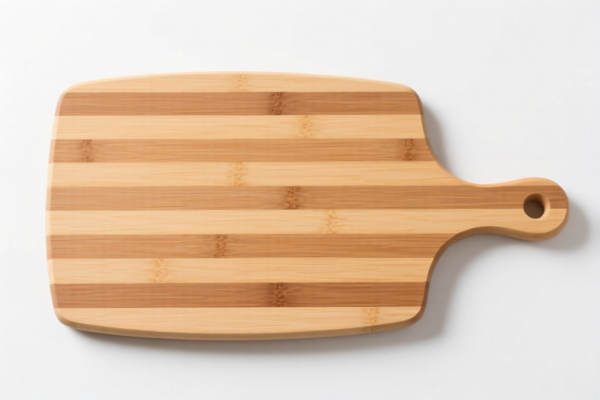
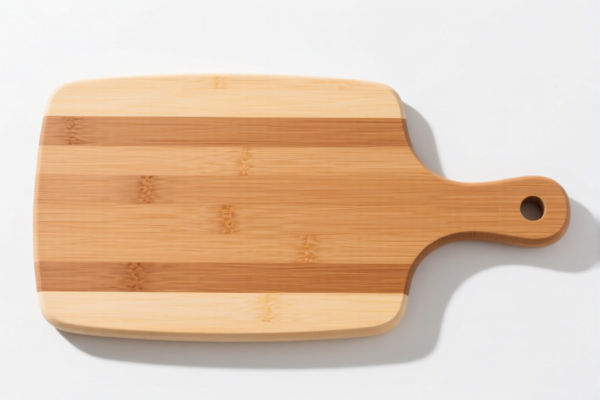
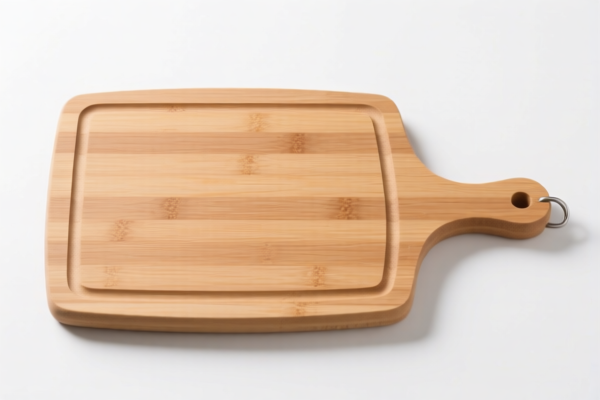
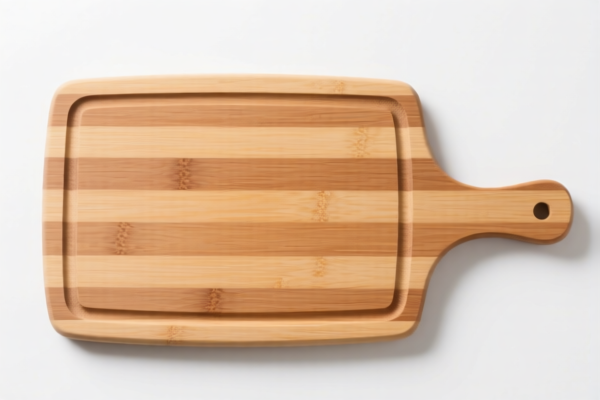
AI Analysis
🍴 Cutting Pad (Kitchen Chopping Board)
🌐 HS Code Reference & Customs Clearance Guide | 2026 Latest Tariff Analysis | Professional Clearance Strategy
📌 I. Product Definition & Classification: Do You Really Understand "Cutting Pads"?
A Cutting Pad (commonly known as a chopping board) is an essential kitchen tool used for food preparation, specifically for slicing, dicing, and chopping vegetables, fruits, and meats. In international trade, its classification depends heavily on the material and specific design.
Key Material Categories: 1. Plastic (Polypropylene, PE, etc.): Most common for hygiene and dishwasher safety. 2. Wood/Bamboo: Preferred for knife preservation and aesthetic appeal. 3. Ceramic: High-end, easy to clean, but brittle.
⚠️ Critical Distinction:
- If the item is purely a kitchen utensil made of specific materials, it falls under Chapters 39, 44, or 69.
- Misclassifying based on material can lead to significant tariff differences, especially with additional duties (Section 301/122).
📦 II. HS Code Classification Details (2026 Latest Tariff Authority Mapping)
| HS Code | Product Description | Material | Summary/Logic from Data |
|---|---|---|---|
6912.00.50.00 |
Kitchenware, household articles, sanitary ware of ceramics: Other | Ceramic | Matches "kitchen utensil" use. Inferred as "other" category under ceramic tableware. |
4419.90.91.00 |
Articles of wood for table or kitchen use: Other | Wood (General) | Matches "kitchen utensil" use. Inferred material as wood or related. |
4419.11.00.00 |
Articles of wood for table or kitchen use: Bamboo | Bamboo | Matches form and use. Material inferred as bamboo. |
3924.10.40.00 |
Tableware, kitchenware, other household articles of plastics: Trays | Plastic | Matches "kitchen utensil" use. Material inferred as plastic. |
6912.00.48.10 |
Kitchenware of ceramics: Other | Ceramic/Wood/Plastic* | Note: Data summary mentions ceramic/wood/plastic, but HS 6912 is specifically Ceramic*. This code covers other ceramic kitchenware. |
3924.10.20.00 |
Tableware, kitchenware, other household articles of plastics: Plates, dishes, etc. | Plastic/Wood* | Note: Data summary suggests plastic/wood, but HS 3924 is Plastic*. This code covers plates/dishes/trays in plastic. |
🔍 Key Reminder:
- Plastic Cutting Boards generally fall under 3924.
- Wood/Bamboo Cutting Boards fall under 4419.
- Ceramic Cutting Boards fall under 6912.
- The summary text in the data provides the logical reasoning for the classification (e.g., "matches kitchen use"), but the HS Code prefix dictates the material.
💰 III. 2026 Latest Tariff Rate Details (Including Additional Taxes & Policy Add-ons)
✅ Applicable Country: USA (US)
✅ Origin: China (CN)
✅ Effective Time: 2025/2026 (Current Trade War Rates Apply)
🎯 1. 6912.00.50.00 – Ceramic Kitchenware (Cutting Pad)
| Item | Content |
|---|---|
| Base Duty | 6.0% |
| Additional Duty (Section 301/122) | 0.0% |
| Section 122 Duty | 10% |
| Total Rate | 16.0% |
| Tax Calculation | CIF Value × 16.0% |
| De Minimis Exemption | ❌ Not Eligible (High risk of scrutiny) |
| Legal Basis | USITC Tariff Schedule + Section 122/301 Add-ons |
📌 Explanation:
- Base 6%: Standard Most Favored Nation (MFN) rate for ceramic tableware.
- Section 122 10%: A specific additional duty often applied to certain Chinese goods.
- Total 16%: Significantly lower than plastic alternatives in some contexts, but ceramic is fragile.
🎯 2. 4419.90.91.00 – Wood Articles (Cutting Pad)
| Item | Content |
|---|---|
| Base Duty | 3.2% |
| Additional Duty (Section 301) | 7.5% |
| Section 122 Duty | 10% |
| Total Rate | 20.7% |
| Tax Calculation | CIF Value × 20.7% |
| De Minimis Exemption | ❌ Not Eligible |
| Legal Basis | USITC Tariff Schedule + Section 301/122 Add-ons |
📌 Explanation:
- Base 3.2%: Standard rate for wooden kitchen articles.
- Section 301 7.5%: Tariff on Chinese wooden goods.
- Section 122 10%: Additional duty.
- Total 20.7%: This is the highest tax burden among the listed options.
🎯 3. 4419.11.00.00 – Bamboo Articles (Cutting Pad)
| Item | Content |
|---|---|
| Base Duty | 3.2% |
| Additional Duty (Section 301) | 0.0% |
| Section 122 Duty | 10% |
| Total Rate | 13.2% |
| Tax Calculation | CIF Value × 13.2% |
| De Minimis Exemption | ❌ Not Eligible |
| Legal Basis | USITC Tariff Schedule + Section 122 Add-ons |
📌 Explanation:
- Base 3.2%: Standard rate for bamboo kitchen articles.
- Section 122 10%: Additional duty.
- Total 13.2%: This is the LOWEST total tariff among all listed options.
- Strategic Tip: If your product is bamboo, this is the most cost-effective classification.
🎯 4. 3924.10.40.00 – Plastic Kitchenware (Cutting Pad)
| Item | Content |
|---|---|
| Base Duty | 3.4% |
| Additional Duty (Section 301) | 0.0% |
| Section 122 Duty | 10% |
| Total Rate | 13.4% |
| Tax Calculation | CIF Value × 13.4% |
| De Minimis Exemption | ❌ Not Eligible |
| Legal Basis | USITC Tariff Schedule + Section 122 Add-ons |
📌 Explanation:
- Base 3.4%: Standard rate for plastic trays/kitchenware.
- Section 122 10%: Additional duty.
- Total 13.4%: Very competitive rate, comparable to bamboo.
🎯 5. 6912.00.48.10 – Ceramic Kitchenware (Other)
| Item | Content |
|---|---|
| Base Duty | 9.8% |
| Additional Duty (Section 301) | 0.0% |
| Section 122 Duty | 10% |
| Total Rate | 19.8% |
| Tax Calculation | CIF Value × 19.8% |
| De Minimis Exemption | ❌ Not Eligible |
| Legal Basis | USITC Tariff Schedule + Section 122 Add-ons |
📌 Explanation:
- Base 9.8%: Higher base rate for "other" ceramic items.
- Section 122 10%: Additional duty.
- Total 19.8%: Higher than6912.00.50.00. Choose50.00if applicable for standard kitchenware.
🎯 6. 3924.10.20.00 – Plastic Tableware (Plates/Dishes)
| Item | Content |
|---|---|
| Base Duty | 6.5% |
| Additional Duty (Section 301) | 7.5% |
| Section 122 Duty | 10% |
| Total Rate | 24.0% |
| Tax Calculation | CIF Value × 24.0% |
| De Minimis Exemption | ❌ Not Eligible |
| Legal Basis | USITC Tariff Schedule + Section 301/122 Add-ons |
📌 Explanation:
- Base 6.5%: Rate for plastic plates/dishes.
- Section 301 7.5%: High additional duty.
- Section 122 10%: Additional duty.
- Total 24.0%: Highest tax burden among plastic items. Avoid this code if3924.10.40.00is more accurate.
🛠️ IV. Customs Clearance Practical Advice (Combat Pitfall Guide)
✅ 1. Preparation Checklist (Essential for Clearance)
| Document | Required | Explanation |
|---|---|---|
| ✅ Product Specification | ✔️ | Must clearly state Material (e.g., "100% Bamboo", "Food-grade PP Plastic"). |
| ✅ Product Photos | ✔️ | Clear images showing the item's shape and any branding. |
| ✅ Commercial Invoice | ✔️ | Description must match HS Code logic (e.g., "Bamboo Cutting Board" for 4419.11.00.00). |
| ✅ Packing List | ✔️ | Weight and dimensions. |
| ✅ Material Certificate | ✔️ | Especially for bamboo/plastic to prove no restricted substances. |
✅ 2. Declaration Tips (Key Mantra)
🔥 "Material Dictates Code, Code Dictates Cost!"
| Scenario | Correct HS Code | Reason |
|---|---|---|
| Bamboo Board | 4419.11.00.00 |
Lowest total tax (13.2%). |
| Plastic Board | 3924.10.40.00 |
Low total tax (13.4%). Avoid 3924.10.20.00 (24.0%). |
| Wood Board | 4419.90.91.00 |
Higher tax (20.7%). Ensure it's not bamboo to avoid misclassification. |
| Ceramic Board | 6912.00.50.00 |
Lower tax (16.0%) than 6912.00.48.10 (19.8%). |
⚠️ Warning:
- Do not declare a Bamboo Board as "Wood" (4419.90.91.00) to save time. The tax difference is small (13.2% vs 20.7%), but misclassification can lead to audits and fines.
- Do not declare a Plastic Board as3924.10.20.00if it’s a tray/cutting pad. Use3924.10.40.00to save 10.6%.
✅ 3. Special Cases
| Situation | Handling Advice |
|---|---|
| Composite Materials | If a cutting board has a plastic handle and wood body, classify by essential character (usually the body). |
| Gift Sets | If sold as a "Kitchen Set" with multiple items, the value-weighted item may determine the code, or each item must be declared separately. |
| OEM Custom Shapes | Ensure the description says "Cutting Board" and not "Tray" if it’s for food prep. Trays might fall under different subheadings. |
🌍 V. Global Market Comparison (2026 Latest)
| Country/Region | Recommended HS Code | Estimated Total Duty | Note |
|---|---|---|---|
| 🇺🇸 USA | 4419.11.00.00 (Bamboo) |
13.2% | Best option for Chinese bamboo exports. |
| 🇺🇸 USA | 3924.10.40.00 (Plastic) |
13.4% | Competitive with bamboo. |
| 🇨🇳 China | Varies | 5-9% | No Section 122/301 add-ons. |
| 🇪🇺 EU | Varies | 0-4% | Generally low tariffs, but CE marking required. |
📌 Conclusion:
- USA Tariffs are High due to Section 122 and Section 301.
- Bamboo (4419.11.00.00) and Plastic (3924.10.40.00) are the most cost-effective for Chinese exports to the US.
- Avoid Wood (4419.90.91.00) and Plastic Plates (3924.10.20.00) due to higher Section 301 rates.
📌 VI. Common Errors & Pitfalls (Lessons Learned)
❌ Error 1: Declaring a Bamboo Board as "Wooden Cutting Board" (4419.90.91.00)
👉 Result: Pays 20.7% instead of 13.2%. Loss of 7.5% profit margin.
❌ Error 2: Declaring a Plastic Cutting Pad as "Plastic Plate" (3924.10.20.00)
👉 Result: Pays 24.0% instead of 13.4%. Loss of 10.6% profit margin.
❌ Error 3: Not specifying Material in Description
👉 Result: Customs may reclassify to the highest possible duty rate.
✅ Correct Practice:
"Bamboo Cutting Board, Food Grade, Model ABC" →
4419.11.00.00
"Plastic Cutting Board, Non-slip, Model XYZ" →3924.10.40.00
🎯 VII. Conclusion: Precision Classification, Profit Maximization!
🎯 Remember the Mantra:
🔹 "Bamboo is King (13.2%), Plastic is Queen (13.4%). Wood is Expensive (20.7%). Don't Pay Extra!"
🔹 "Check the Section 122 (10%) and Section 301 (0-7.5%). Choose wisely!"
📌 Pro Tip:
If you are exporting Bamboo or Plastic cutting boards to the US, ensure your supplier provides clear Material Certificates. This prevents customs from guessing and applying higher default rates.
📣 Immediate Action:
📞 Contact your freight forwarder with the exact material of your cutting boards.
🚀 Apply for Pre-Ruling if you have large volumes.
💼 Save 7-10% by choosing the correct HS Code!
✨ Professional clearance starts with accurate classification!
💼 Every percentage point of duty is a line item in your P&L!
Customer Reviews
About HS Code Classification
The Harmonized System (HS) is an internationally standardized nomenclature developed by the World Customs Organization (WCO) to classify traded products. Over 200 countries use the HS system as the basis for customs tariffs, trade statistics, and import/export regulations.
Each HS code follows a hierarchical structure:
- Chapter (2 digits) — Broad category of goods (e.g., Chapter 84: Machinery and Mechanical Appliances)
- Heading (4 digits) — More specific grouping within the chapter
- Subheading (6 digits) — Internationally standardized breakdown, used by all WCO member countries
- National subdivisions (8-10 digits) — Country-specific extensions for further classification, such as US HTSUS 10-digit codes
Correct HS code classification is essential for smooth customs clearance, accurate duty payment, and compliance with trade regulations. Misclassification can lead to customs delays, overpayment of duties, or penalties.
When importing from CN to US, the applicable tariff rates may include:
- Most-Favored-Nation (MFN) rate — The standard duty rate applied to WTO members
- General rate — Applied to countries without trade agreements
- Trade remedy duties — Additional tariffs such as Section 301 (anti-dumping), Section 232 (national security), or countervailing duties
The information provided on this page is for reference purposes only. For official classification, please consult with your local customs authority or a licensed customs broker.