data logger
CN → US| HS Code | Tariff Rate | Origin | Destination | Doc |
|---|---|---|---|---|
| 8471809000 | 35.0% | CN | US | Official Doc |
| 8471709000 | 35.0% | CN | US | Official Doc |
| 8543709860 | 37.6% | CN | US | Official Doc |
| 8543706000 | 35.0% | CN | US | Official Doc |
Product Images
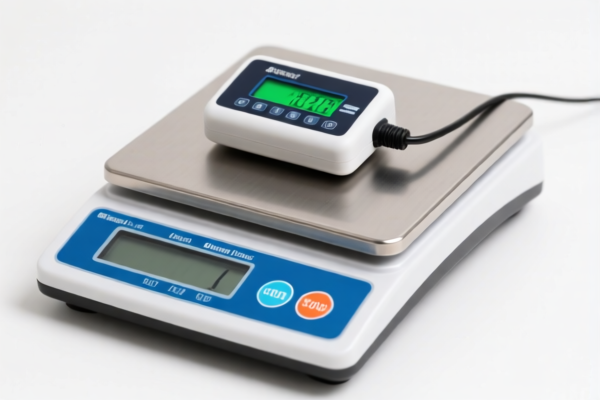
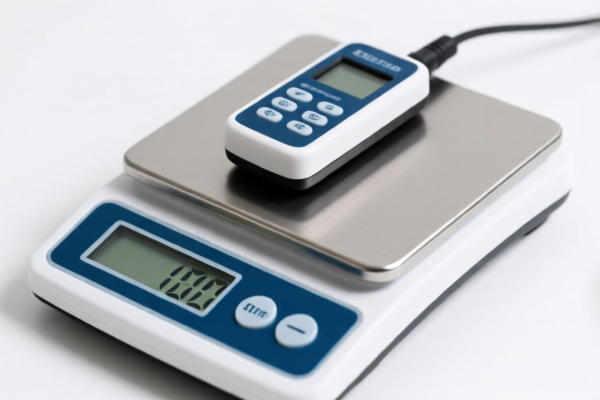
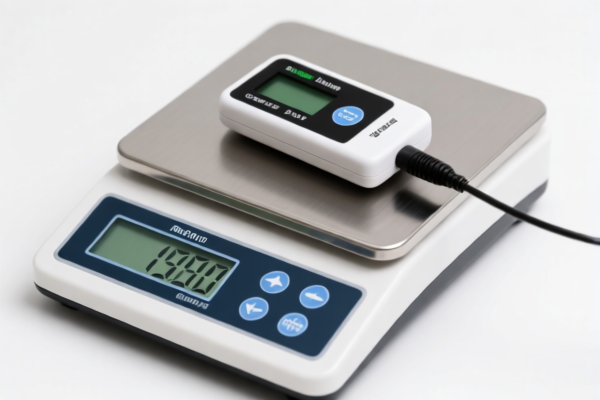
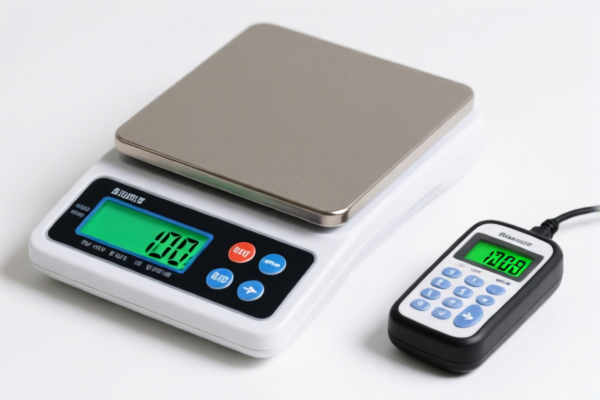
AI Analysis
📡 Data Logger (Data Logging Devices)
🌐 HS Code Reference & Clearance Guide | 2026 Latest Tariff Analysis | Professional Clearance Strategy
📌 I. Product Definition and Classification: Do You Truly Understand a "Data Logger"?
A Data Logger is an electronic device that records data over time or in relation to location, either with an integrated probe or sensor. In international trade, these devices are not treated as a single entity. Their classification depends entirely on their primary function and connectivity.
They generally fall into two main categories: 1. General Electrical Apparatus: Devices that perform a specific electrical function (e.g., temperature/humidity monitoring) but are not specifically designed for data processing networks. 2. Data Processing Units: Devices that are integral parts of automatic data processing (ADP) machines, such as storage units or processing units connected to computers.
⚠️ Key Distinction Point:
- If the device is a standalone sensor/loggers that does not primarily process data for a computer system but acts as a specialized electrical apparatus → HS 8543.70
- If the device is a storage unit (hard drive/SSD module) or a processing unit (CPU/mainboard) explicitly for ADP machines → HS 8471
📦 II. HS Code Classification Details (2026 Latest Tariff Authoritative Comparison)
Based on the provided data, here is the breakdown for Data Loggers:
| HS Code | Product Description | Application Scenario | Primary Function |
|---|---|---|---|
8543.70.98.60 |
Electrical machines and apparatus; Other machines and apparatus; Other: Other | Standalone environmental loggers, industrial sensors, battery-powered loggers without network interfaces | Specialized Electrical Function |
8543.70.60.00 |
Electrical machines; Articles designed for connection to telegraphic or telephonic apparatus or networks | Data loggers explicitly designed to connect to phone lines, telegraphs, or specific network hardware | Network/Telecom Connection |
8471.80.90.00 |
ADP machines; Other units of ADP machines; Other: Other | Computing modules, mainboards, or logic controllers used inside ADP systems for data processing | ADP Processing Unit |
8471.70.90.00 |
ADP machines; Storage units; Other storage units; Other | Internal storage drives (HDD/SSD) or external storage units specifically for ADP machines | ADP Storage Unit |
🔍 Critical Reminder:
- If your "Data Logger" is a standalone box that records temperature/humidity/vibration and has a USB port merely for downloading data (not processing), it likely falls under 8543.70.
- If the device is essentially a computer hard drive or a PC-based data acquisition card, it falls under 8471.
- Do not misclassify a standalone sensor as an ADP machine part to seek lower base tariffs, as this triggers high "additional tariffs."
💰 III. 2026 Latest Tariff Rate Details (Including Additional Taxes)
✅ Applicable Country: United States (US)
✅ Origin: China (CN)
✅ Effective Date: Current trade rules apply (Section 301 Tariffs)
🎯 1. 8543.70.98.60 —— Standalone Electrical Apparatus (General Data Loggers)
| Item | Content |
|---|---|
| Base Tariff | 2.6% (ad valorem) |
| Additional Tariff (Section 301) | +25.0% |
| Total Tariff | 27.6% |
| Tax Calculation | CIF Value × 27.6% |
| De Minimis Exemption | ❌ Not Applicable (Value > $800 threshold usually, and subject to 301) |
| Legal Basis | HTSUS 8543.70.98.60 + Section 301 List 4 |
📌 Explanation:
- This is the most common classification for standalone industrial/data loggers that do not fit into specific "computer parts" categories. - The 2.6% is the standard Most Favored Nation (MFN) rate. - The 25.0% is the punitive tariff added by US Trade Representative (USTR) for Chinese-origin goods under Section 301. - Total Burden: Nearly 30%. High enough to impact margins significantly.
🎯 2. 8543.70.60.00 —— Connection to Telegraphic/Telephonic Networks
| Item | Content |
|---|---|
| Base Tariff | 0.0% |
| Additional Tariff (Section 301) | +25.0% |
| Total Tariff | 25.0% |
| Tax Calculation | CIF Value × 25.0% |
| De Minimis Exemption | ❌ Not Applicable |
| Legal Basis | HTSUS 8543.70.60.00 + Section 301 List 4 |
📌 Explanation:
- This category is rare for modern digital loggers unless they explicitly interface with telecom infrastructure (e.g., old-school modem-based data loggers). - Even with a 0% base rate, the 25% additional tariff applies. - Savings: Only 2.6% less than the general category. Not worth misclassification risk.
🎯 3. 8471.80.90.00 —— ADP Processing Units (Logic Controllers/Processors)
| Item | Content |
|---|---|
| Base Tariff | 0.0% |
| Additional Tariff (Section 301) | +25.0% |
| Total Tariff | 25.0% |
| Tax Calculation | CIF Value × 25.0% |
| De Minimis Exemption | ❌ Not Applicable |
| Legal Basis | HTSUS 8471.80.90.00 + Section 301 List 4 |
📌 Explanation:
- If your device is a data acquisition card inserted into a PC or a logic controller that processes data for a computer system, it may qualify here. - Base rate is 0%, but the 25% Section 301 tariff still applies. - Note: Misclassifying a simple sensor as an "ADP Unit" is a major compliance risk. Customs will demand circuit diagrams and proof of integration with ADP systems.
🎯 4. 8471.70.90.00 —— ADP Storage Units (Hard Drives/SSDs)
| Item | Content |
|---|---|
| Base Tariff | 0.0% |
| Additional Tariff (Section 301) | +25.0% |
| Total Tariff | 25.0% |
| Tax Calculation | CIF Value × 25.0% |
| De Minimis Exemption | ❌ Not Applicable |
| Legal Basis | HTSUS 8471.70.90.00 + Section 301 List 4 |
📌 Explanation:
- Applies only if the "Data Logger" is primarily a storage device (like an external SSD enclosure marketed as a logger) intended for ADP machines. - Same 25% total tariff as processing units.
🛠️ IV. Clearance Practical Advice (Combat Avoidance Guide)
✅ 1. Required Documentation Checklist (Non-negotiable)
| Document | Required | Description |
|---|---|---|
| ✅ Technical Specification Sheet | ✔️ | Must detail: Input voltage, sampling rate, memory type, interface (USB/RS232), and primary function. |
| ✅ Circuit Diagram / Block Diagram | ✔️ | Crucial for distinguishing between 8543 (special apparatus) and 8471 (computer part). Show if it has a CPU or just a sensor+ADC. |
| ✅ Product Photos | ✔️ | Clear images of the device, label, and ports. If it looks like a generic box, emphasize the "specialized sensor" aspect. |
| ✅ Commercial Invoice | ✔️ | Describe item precisely. Avoid vague terms like "Computer Part." Use "Environmental Data Logger" or "Sensor Module." |
| ✅ Organizational Chart of System | ✔️ | If claiming ADP status (8471), show how it connects to a host computer. If standalone, declare it as such. |
✅ 2. Declaration Tactics (Key Mantra)
🔥 "Function Determines Code, Not Form. Standalone is 8543, PC Part is 8471."
| Scenario | Correct Declaration | Wrong Approach | Consequence |
|---|---|---|---|
| Standalone Temp/Humidity Logger | 8543.70.98.60 |
Misclassify as 8471.70 (Storage) |
Penalty + Back Taxes. Customs rejects "storage" claim if no PC interface. |
| USB Data Acquisition Card | 8471.80.90.00 |
Misclassify as 8543.70 (Apparatus) |
Missed opportunity for 0% base rate (though 25% total is same). Minor error, but risk of audit. |
| Modem-Based Logger | 8543.70.60.00 |
N/A | Rare. Only if it connects to telecom networks. |
| Generic Sensor Box | 8543.70.98.60 |
Declare as "Electronics" | Customs Detention. Must provide specific HS code. |
✅ 3. Special Cases & Handling
| Case | Handling Suggestion |
|---|---|
| IoT Devices | If it has Wi-Fi/Bluetooth but no host computer dependency, argue for 8543.70.98.60 (Special Apparatus). Do not claim ADP status. |
| Internal Components | If the data logger is a module inside a larger machine (e.g., inside a wind turbine controller), declare as part of the main machine. |
| Hybrid Devices | If it stores data and processes it for a PC, lean towards 8471 but be prepared to prove the "ADP Unit" nature. |
🌍 V. Global Market Comparison (2026 Outlook)
| Country/Region | Recommended HS Code | Base Tariff | Additional Tax (China) | Total Effective Rate | Notes |
|---|---|---|---|---|---|
| 🇺🇸 USA | 8543.70.98.60 |
2.6% | +25% | 27.6% | High barrier. Section 301 applies. |
| 🇪🇺 EU | 9028.90 (Metering) or 8543.70 |
0-4.5% | 0% | 0-4.5% | No retaliatory tariffs. Favorable market. |
| 🇨🇳 China | 9028.90 or 8543.70 |
0-7% | 0% | 0-7% | Low entry barrier for imports. |
| 🇬🇧 UK | 9028.90 |
0% | 0% | 0% | Post-Brexit tariffs often lower for electronics. |
📌 Conclusion:
- USA is the most expensive market for Data Loggers due to the 25% Section 301 tariff. - EU and UK are much more favorable, with base rates often at 0% for specialized electrical or metering devices. - Strategy: If shipping to the US, ensure strict classification accuracy to avoid duty evasion penalties. Consider tariff engineering (e.g., separating storage units if possible) but only if compliant.
📌 VI. Common Mistakes & Pitfalls (Blood & Tears Lessons)
❌ Mistake 1: Calling a standalone sensor a "Hard Drive" or "Memory Card" to get 0% base rate.
👉 Consequence: Customs will inspect. If no ADP interface is found, 27.6% vs 25% is less important than the fraud penalty.
❌ Mistake 2: Misclassifying a "Computer Peripheral" as a "General Electrical Machine" to avoid 8471 scrutiny.
👉 Consequence: While rates are similar (25-27.6%), the legal basis matters. 8543 implies "individual function," 8471 implies "computer part." Wrong code = Audit Risk.
❌ Mistake 3: Ignoring the "Section 301" tag on commercial invoices.
👉 Consequence: CBP (Customs and Border Protection) scans invoices. If HS Code is 8471 (0% base) but origin is China, they expect the 25% add-on. If you don't pay it, shipment is held.
✅ Correct Approach:
"Environmental Data Logger, Model XYZ, Standalone Unit, Measures Temp/Humidity, USB Interface for Data Download Only, No Processing Logic, FCC Certified."
🎯 VII. Conclusion: Precision in Classification, Profit in Clearance
🎯 Remember the Mantra:
🔹 "Standalone = 8543 (27.6%). PC Part = 8471 (25.0%). Base Rate 0% is an Illusion with 301 Tariffs!"
🔹 "Don't Gamble with ADP Codes. Prove the Function."
📌 Pro Tip:
If your data logger includes telephonic/telegraphic connection capabilities (e.g., dial-up modems for remote sites), consider 8543.70.60.00. While the 25% tariff remains, it is a distinct, legally sound category if the functionality matches.
📣 Immediate Action:
📞 Contact Customs Broker: Provide circuit diagrams.
🚀 Apply for Pre-Ruling: If the device is novel or complex, request a Customs Ruling from CBP to lock in the HS code before shipment.
✨ Professional Clearance Starts with Accurate Classification!
💼 Your Bottom Line Depends on the Decimal Point in HS Codes!
Customer Reviews
About HS Code Classification
The Harmonized System (HS) is an internationally standardized nomenclature developed by the World Customs Organization (WCO) to classify traded products. Over 200 countries use the HS system as the basis for customs tariffs, trade statistics, and import/export regulations.
Each HS code follows a hierarchical structure:
- Chapter (2 digits) — Broad category of goods (e.g., Chapter 84: Machinery and Mechanical Appliances)
- Heading (4 digits) — More specific grouping within the chapter
- Subheading (6 digits) — Internationally standardized breakdown, used by all WCO member countries
- National subdivisions (8-10 digits) — Country-specific extensions for further classification, such as US HTSUS 10-digit codes
Correct HS code classification is essential for smooth customs clearance, accurate duty payment, and compliance with trade regulations. Misclassification can lead to customs delays, overpayment of duties, or penalties.
When importing from CN to US, the applicable tariff rates may include:
- Most-Favored-Nation (MFN) rate — The standard duty rate applied to WTO members
- General rate — Applied to countries without trade agreements
- Trade remedy duties — Additional tariffs such as Section 301 (anti-dumping), Section 232 (national security), or countervailing duties
The information provided on this page is for reference purposes only. For official classification, please consult with your local customs authority or a licensed customs broker.