decompression toy
CN → US| HS Code | Tariff Rate | Origin | Destination | Doc |
|---|---|---|---|---|
| 9503000073 | 10.0% | CN | US | Official Doc |
| 9503000071 | 10.0% | CN | US | Official Doc |
| 3926909989 | 22.8% | CN | US | Official Doc |
| 9504909080 | 17.5% | CN | US | Official Doc |
| 9504904000 | 10.0% | CN | US | Official Doc |
Product Images
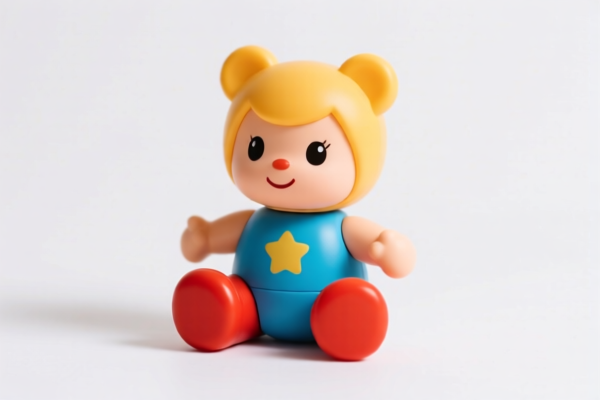
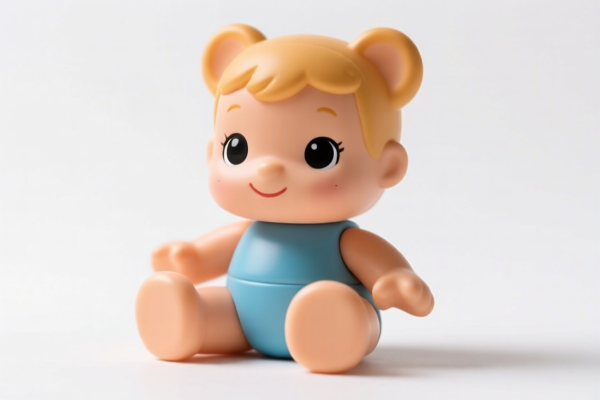
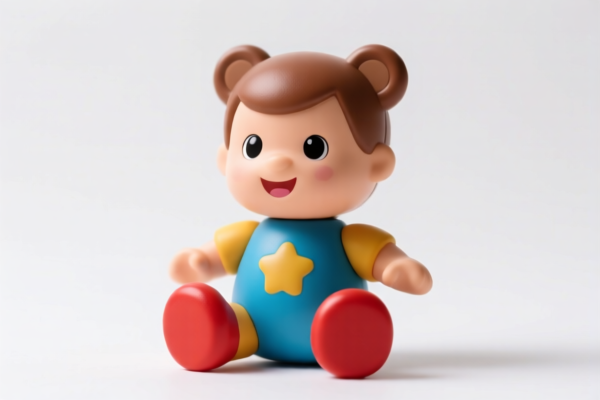
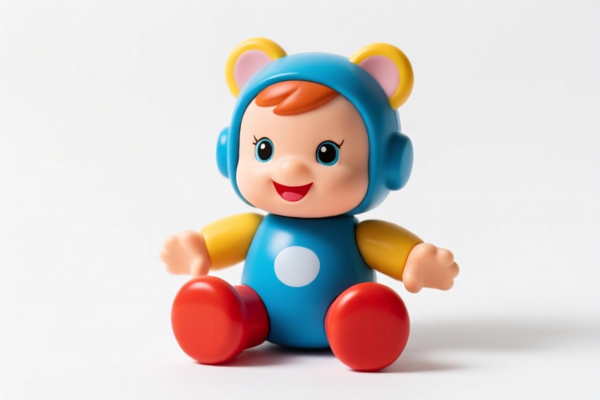
AI Analysis
🎢 Decompression Toys (Stress Relief Toys)
🌐 HS Code Reference & Customs Clearance Guide | 2026 Latest Tariff Analysis | Professional Clearance Strategy
📌 I. Product Definition & Classification: What Exactly Are "Decompression Toys"?
Decompression toys, often referred to as fidget toys, stress balls, or sensory tools, are primarily designed to relieve anxiety, improve focus, or provide tactile stimulation. In international trade, their classification depends heavily on material composition and functional intent. They generally fall into two main categories:
- Toys/Puzzles (Headings 9503/9504): If marketed primarily as children's playthings, fidget tools for autism/ADHD, or general entertainment.
- Plastic/Rubber Articles (Heading 3926): If made of plastics/rubbers but not meeting the strict definition of a "toy" (e.g., generic office fidgets).
⚠️ Key Distinction Point:
- If the product is sold as a game, puzzle, or children's toy → It likely falls under HS Code 9503 or 9504.
- If the product is a generic plastic/rubber accessory without toy-like features → It may fall under the residual category of plastics (3926).
📦 II. HS Code Classification Details (2026 Latest Tariff Authority Comparison)
Based on the provided data, here are the specific HS Codes for decompression toys:
| HS Code | Product Description | Classification Logic | Total Tax Rate |
|---|---|---|---|
9503.00.00.73 |
Decompression toys classified as other toys. Materials: Plastic or Rubber. | Fits under "Other toys" category. No conflict with material restrictions. | 10.0% |
9503.00.00.71 |
Decompression toys classified as other toys or益智 (puzzle/toy) items. Materials: Silicone, Plastic. | Fits under "Other toys/toys" category. Materials like silicone/plastic do not conflict with toy categories. | 10.0% |
3926.90.99.89 |
Decompression toys classified as other articles. Materials: Mostly Plastic or Rubber. | Fits under the residual/drop-down category for other plastic/rubber articles. | 22.8% |
9504.90.90.80 |
Decompression toys classified as entertainment/decompression toys. | Fits under "Other games or recreational equipment" for entertainment purposes. | 17.5% |
9504.90.40.00 |
Decompression toys classified as non-coin-operated amusement machines/accessories. | Fits under "Game consoles and accessories" or non-coin-operated entertainment devices. | 10.0% |
🔍 Key Reminder:
- HS Codes 9503 and 9504 are preferred if the product can be clearly defined as a toy or game. They generally carry lower tariffs (10% - 17.5%).
- HS Code 3926 is the "catch-all" for plastic/rubber items that don't fit the toy definition. It carries the highest tariff (22.8%) and should be avoided if the product can be legitimately classified as a toy.
💰 III. 2026 Latest Tariff Rate Details (Including Surtaxes & Policy Add-ons)
✅ Applicable Country: United States (US)
✅ Origin: China (CN)
✅ Effective Time: Post-2025 (Current regulations apply)
🎯 1. 9503.00.00.73 & 9503.00.00.71 —— Other Toys (Plastic/Rubber/Silicone)
| Item | Content |
|---|---|
| Base Tariff | 0% (ad valorem) |
| Section 301 / "122 Clause" Surtax | +10% (Specific to certain Chinese-origin goods under Section 122 or related IEEPA provisions) |
| Total Tax Rate | 10.0% |
| Tax Calculation | CIF Value × 10% |
| De Minimis Exemption | ❌ No (High-value shipments or specific categories may not qualify) |
| Legal Basis Path | Base: 0% → Add-on: 10% (122 Clause) → Total: 10% |
📌 Explanation:
- While the base tariff is 0%, the "122 Clause" surtax of 10% applies to these Chinese-origin toys.
- This is a significant cost reduction compared to the 3926 category.
- Recommendation: Always ensure marketing materials clearly label the product as a "Toy" or "Fidget Toy" to qualify for this favorable rate.
🎯 2. 9504.90.40.00 —— Non-coin-operated Amusement Machines/Accessories
| Item | Content |
|---|---|
| Base Tariff | 0% |
| Section 301 / "122 Clause" Surtax | +10% |
| Total Tax Rate | 10.0% |
| Tax Calculation | CIF Value × 10% |
| De Minimis Exemption | ❌ No |
| Legal Basis Path | Base: 0% → Add-on: 10% (122 Clause) → Total: 10% |
📌 Note:
- If the decompression toy is designed as an interactive device (e.g., electronic fidget, sensory gadget) rather than a simple squeeze ball, this code may apply.
- Same low tax burden as the 9503 category.
🎯 3. 9504.90.90.80 —— Other Games/Recreational Equipment
| Item | Content |
|---|---|
| Base Tariff | 0% |
| Section 301 / "122 Clause" Surtax | +10% |
| Additional Surtax (Section 301 Footnote) | +7.5% |
| Total Tax Rate | 17.5% |
| Tax Calculation | CIF Value × 17.5% |
| De Minimis Exemption | ❌ No |
| Legal Basis Path | Base: 0% → Add-on: 7.5% (Section 301) + 10% (122 Clause) → Total: 17.5% |
📌 Note:
- This category is for general entertainment equipment that doesn't fit the specific "game console" definition.
- The 7.5% additional surtax makes this more expensive than the 10% toy categories.
🎯 4. 3926.90.99.89 —— Other Articles of Plastic/Rubber (Residual Category)
| Item | Content |
|---|---|
| Base Tariff | 5.3% |
| Section 301 Surtax | +7.5% |
| "122 Clause" Surtax | +10% |
| Total Tax Rate | 22.8% |
| Tax Calculation | CIF Value × 22.8% |
| De Minimis Exemption | ❌ No |
| Legal Basis Path | Base: 5.3% → Add-on: 7.5% (Section 301) + 10% (122 Clause) → Total: 22.8% |
📌 Warning:
- This is the most expensive classification.
- It applies if the CBP (Customs and Border Protection) determines the item is not a toy but a general plastic good.
- Avoid this code unless necessary. It adds 12.8% more cost compared to the 9503/9504 toy classifications.
🛠️ IV. Customs Clearance Practical Advice (Pitfall Avoidance Guide)
✅ 1. Required Documentation Checklist (All Items Mandatory)
| Document | Must Provide | Explanation |
|---|---|---|
| ✅ Product Specifications | ✔️ | Must state material (Silicone/Plastic/Rubber) and function (Stress Relief). |
| ✅ Product Photos | ✔️ | Clear images showing play value (e.g., being squeezed, fidgeting). Avoid overly industrial looking photos. |
| ✅ Commercial Invoice | ✔️ | Description should include "Decompression Toy", "Fidget Toy", or "Stress Relief Plaything". Avoid vague terms like "Plastic Accessory". |
| ✅ Material Composition | ✔️ | Specify if Silicone, TPR, or Plastic. Crucial for distinguishing between 9503 and 3926. |
| ✅ Usage Description | ✔️ | State intended use: "For children's play", "Office fidget tool", or "Sensory aid". |
| ✅ Certifications | ✔️ | ASTM F963 (US Toy Safety), CPSIA, or RoHS if applicable. |
✅ 2. Declaration Tips (Critical Rules)
🔥 "Name It as a Toy, Declare as a Toy, Save 12.8%!"
| Scenario | Correct Declaration | Wrong Declaration |
|---|---|---|
| Squeeze ball / Fidget cube | 9503.00.00.73 (Other Toys) |
3926.90.99.89 (Other Plastic Articles) → Higher Tax! |
| Silicone stress reliever | 9503.00.00.71 (Toy/Puzzle) |
3926.90.99.89 (Plastic Good) → Higher Tax! |
| Electronic fidget gadget | 9504.90.40.00 (Game Accessory) |
8543.70.99.90 (Other Electrical Equipment) → Check Tariff! |
| Generic rubber eraser shaped like toy | 9503.00.00.73 (Toy) |
4016.99.90 (Rubber Goods) → Potential Audit Risk |
✅ 3. Special Cases Handling
| Situation | Handling Advice |
|---|---|
| OEM Custom Fidgets | Provide design drawings showing play features. If it has no play value, it risks being classified as 3926. |
| B2B Bulk Shipments | Even for office use, if the item is a fidget toy, it can still be declared as a toy if it meets the functional definition. |
| Mixed Materials | If a toy has electronic components (e.g., LED stress ball), ensure the toy nature dominates. Otherwise, it may shift to 9504.90.80 (17.5%) or higher. |
| Small Parts / Beads | If the decompression toy contains small loose beads (e.g., lava lamp style), ensure it meets choking hazard warnings for proper toy classification. |
🌍 V. Global Market Clearance Comparison (2026 Latest)
| Country/Region | Recommended HS Code | Tariff Rate | Certification Requirement | Notes |
|---|---|---|---|---|
| 🇺🇸 USA | 9503.00.00.73 |
10% (122 Clause) | CPSIA, ASTM F963 | Best Rate. Avoid 3926 (22.8%). |
| 🇨🇳 China | 9503.00.00 |
5% | CCC (if applicable) | Lower base tariff. |
| 🇪🇺 EU | 9503.00.00 |
0% (If <€6 or specific exemptions) | CE, EN71 | Very Favorable. No major surtaxes like US. |
| 🇬🇧 UK | 9503.00.00 |
0% - 4% | UKCA | Post-Brexit rules apply. |
| 🇦🇺 Australia | 9503.00.00 |
5% | GEMS Certification | No high surtaxes. |
📌 Conclusion:
- USA is the most critical market due to the 122 Clause and Section 301 surtaxes.
- Correct classification as a Toy (9503/9504) saves up to 12.8% in duties compared to classifying as a generic plastic article (3926).
- EU and Australia remain low-cost markets for these goods.
📌 VI. Common Errors & Pitfall Guide (Blood & Tears Lessons)
❌ Mistake 1: Describing the product as "Plastic Stress Reliever" or "Office Accessory" on the invoice
👉 Consequence: Customs may classify it under 3926.90.99.89 → 22.8% Tariff instead of 10%.
👉 Fix: Use terms like "Fidget Toy", "Stress Relief Toy", or "Plaything".
❌ Mistake 2: Claiming De Minimis Exemption for shipments over $800 without proper classification
👉 Consequence: Shipment held at border, duties + penalties applied.
👉 Fix: Ensure all shipments are properly declared. High-risk categories (like toys from China) are scrutinized.
❌ Mistake 3: Mixing Electronic Components without highlighting toy function
👉 Consequence: May shift to 9504.90.90.80 (17.5%) or higher if seen as an "electrical appliance".
👉 Fix: Emphasize the entertainment/play aspect in documentation.
🎯 VII. Conclusion: Professional Declaration Saves Money!
🎯 Remember the Golden Rule:
🔹 "Toy Name = 10% Tax; Plastic Name = 22.8% Tax."
🔹 "Declare as Toy, Avoid the 122 Penalty Trap."
🔹 "Small Difference in Description = Big Difference in Cost!"
📌 Pro Tip:
- If your decompression toys are made of Silicone and marketed for children, ensure CPSIA compliance to support the 9503 classification.
- For adult-focused fidgets, clearly state "Sensory Tool" or "Fidget Toy" to avoid being classified as a general good under 3926.
📣 Immediate Action Required:
📞 Consult with a licensed customs broker to confirm the exact material composition and marketing description.
📝 Update your commercial invoice templates to include "Toy" keywords.
🚀 Save 12.8% in tariffs by choosing the right HS Code!
✨ Professional Customs Clearance Starts with Accurate Classification!
💼 Your profit margin depends on every percentage point!
Customer Reviews
About HS Code Classification
The Harmonized System (HS) is an internationally standardized nomenclature developed by the World Customs Organization (WCO) to classify traded products. Over 200 countries use the HS system as the basis for customs tariffs, trade statistics, and import/export regulations.
Each HS code follows a hierarchical structure:
- Chapter (2 digits) — Broad category of goods (e.g., Chapter 84: Machinery and Mechanical Appliances)
- Heading (4 digits) — More specific grouping within the chapter
- Subheading (6 digits) — Internationally standardized breakdown, used by all WCO member countries
- National subdivisions (8-10 digits) — Country-specific extensions for further classification, such as US HTSUS 10-digit codes
Correct HS code classification is essential for smooth customs clearance, accurate duty payment, and compliance with trade regulations. Misclassification can lead to customs delays, overpayment of duties, or penalties.
When importing from CN to US, the applicable tariff rates may include:
- Most-Favored-Nation (MFN) rate — The standard duty rate applied to WTO members
- General rate — Applied to countries without trade agreements
- Trade remedy duties — Additional tariffs such as Section 301 (anti-dumping), Section 232 (national security), or countervailing duties
The information provided on this page is for reference purposes only. For official classification, please consult with your local customs authority or a licensed customs broker.