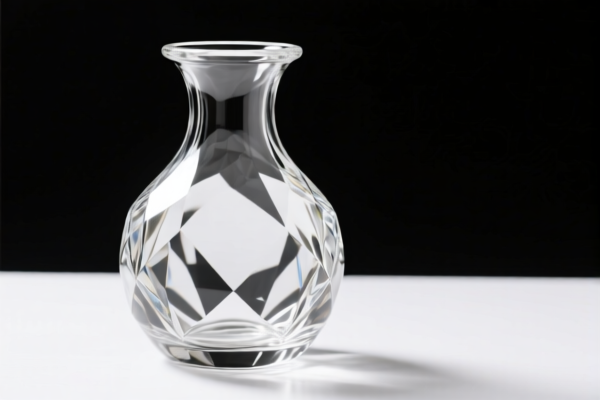
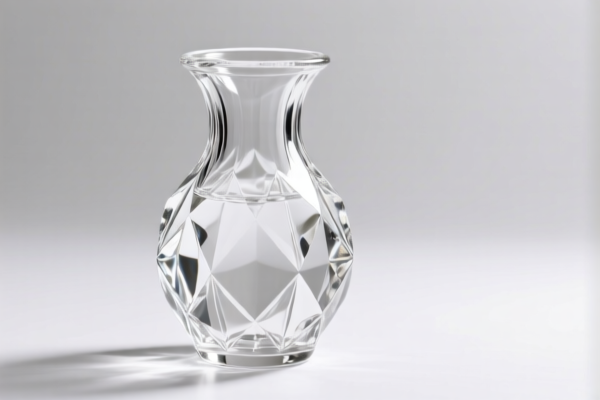
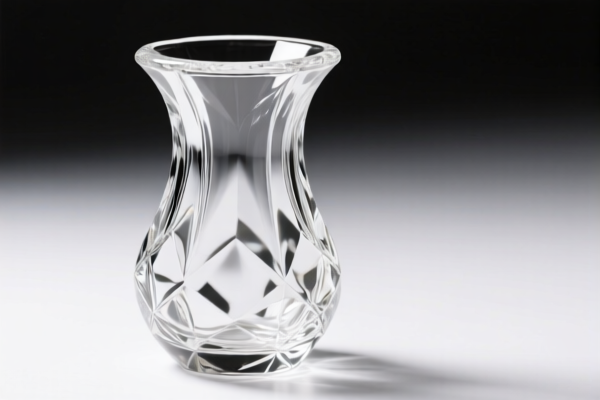
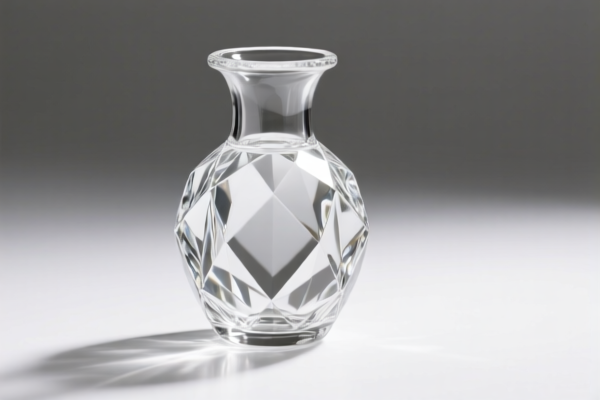
decorative ceramic vase
CN → US| HS Code | Tariff Rate | Origin | Destination | Doc |
|---|---|---|---|---|
| 6913105000 | 17.5% | CN | US | Official Doc |
| 6913905000 | 23.5% | CN | US | Official Doc |
| 6914108000 | 44.0% | CN | US | Official Doc |
| 6914908000 | 40.6% | CN | US | Official Doc |
| 6913902000 | 17.5% | CN | US | Official Doc |
Product Images
AI Analysis
🌸 Decorative Ceramic Vase
🌐 HS Code Reference & Customs Clearance Guide | 2026 Updated Tariff Analysis | Expert-Level Import Strategy
📌 One, Product Definition & Classification: What Makes a Vase a "Decorative Ceramic Vase"?
A decorative ceramic vase is a non-functional, ornamental ceramic item designed primarily for aesthetic display. It is not intended for storage, plant cultivation, or daily use—its sole purpose is visual appeal. In international trade, such items fall under ceramic decorative ware and are classified based on material (ceramic), form (vase), and function (non-utilitarian).
⚠️ Key Distinction:
- If the vase is purely decorative (no drainage, no soil contact, no watering function) → classified as decorative ceramic
- If it includes planting functionality (e.g., drainage holes, soil retention) → may be reclassified as a flowerpot → different HS Code & higher tariff
📦 Two, HS Code Classification Breakdown (2026 Updated Tariff Authority)
| HS Code | Product Description | Applicable Scenario | Material & Form |
|---|---|---|---|
6913.10.50.00 |
Ceramic vase, made of porcelain, purely decorative, no functional use | Handcrafted art vases, museum pieces, wall displays | ✅ Porcelain ✅ Decorative ✅ Non-functional |
6913.90.50.00 |
Ceramic vase, made of ceramic, decorative in nature, not for use | Artistic vases, modern design pieces, home decor | ✅ Ceramic ✅ Decorative ✅ Non-utilitarian |
6913.90.20.00 |
Ceramic flowerpot, made of ceramic, used as decorative item or ornamental vessel | Vases with subtle plant-keeping features, but marketed as décor | ✅ Ceramic ✅ Decorative ✅ "Other ceramic decorative items" |
🔍 Critical Insight:
-6913.10.50.00applies only to porcelain decorative vases (higher purity, finer finish).
-6913.90.50.00covers non-porcelain ceramic vases with decorative intent.
-6913.90.20.00is a trap—if the item has drainage holes or soil contact, even if labeled "decorative", it may be reclassified as a flowerpot → higher tax.
💰 Three, 2026 Updated Tariff & Duty Breakdown (With Full Legal Basis)
✅ Applicable Country: United States (US)
✅ Origin: China (CN)
✅ Effective Date: November 10, 2025 (including subsequent imports)
🎯 1. 6913.10.50.00 — Porcelain Decorative Vase (Ceramic Vase, Porcelain, Non-Functional)
| Item | Detail |
|---|---|
| Base Tariff | 0.0% (ad valorem) |
| Section 301 (USITC) Additional Duty | +7.5% |
| Section 122 (IEEPA) Emergency Tariff | +10.0% |
| Total Effective Duty | 17.5% |
| Tax Calculation | CIF Value × 17.5% |
| De Minimis Threshold | ❌ Not applicable (denied under US law) |
| Legal Basis Path | IEEPA:9903.01.25 → USITC:6913.10.50.00 → FOOTNOTE:9903.88.01 |
📌 Explanation:
- 7.5% from Section 301 (USITC): Imposed under the U.S. Trade Act of 1974 for unfair trade practices by China.
- 10% from Section 122 (IEEPA): Enacted under the International Emergency Economic Powers Act for national security concerns.
- No base tariff because porcelain is not subject to standard duties, but all附加 taxes apply.
🎯 2. 6913.90.50.00 — Ceramic Decorative Vase (Non-Porcelain, Decorative Use)
| Item | Detail |
|---|---|
| Base Tariff | 6.0% |
| Section 301 (USITC) Additional Duty | +7.5% |
| Section 122 (IEEPA) Emergency Tariff | +10.0% |
| Total Effective Duty | 23.5% |
| Tax Calculation | CIF Value × 23.5% |
| De Minimis Threshold | ❌ Not applicable |
| Legal Basis Path | IEEPA:9903.01.25 → USITC:6913.90.50.00 → FOOTNOTE:9903.88.01 |
📌 Explanation:
- 6% base tariff applies because it’s not porcelain (i.e., not in the "porcelain" subcategory).
- 7.5% + 10% still apply from Section 301 and IEEPA, same as above.
- Total: 23.5% — higher than porcelain vases due to base tariff.
🎯 3. 6913.90.20.00 — Ceramic Flowerpot (Used as Decorative Vase, but Functionally a Pot)
| Item | Detail |
|---|---|
| Base Tariff | 0.0% |
| Section 301 (USITC) Additional Duty | +7.5% |
| Section 122 (IEEPA) Emergency Tariff | +10.0% |
| Total Effective Duty | 17.5% |
| Tax Calculation | CIF Value × 17.5% |
| De Minimis Threshold | ❌ Not applicable |
| Legal Basis Path | IEEPA:9903.01.25 → USITC:6913.90.20.00 → FOOTNOTE:9903.88.01 |
📌 Warning:
- This code applies only if the item is marketed as a "decorative item" or "ornamental vessel", even if it has drainage holes or soil contact.
- But if the item is designed for plant use, customs may reclassify it as a flowerpot → higher tax (see6914.10.80.00below).
- This is a legal loophole—but only if no plant cultivation is intended.
🛠️ Four, Customs Clearance Best Practices (Pro Tips to Avoid Penalties)
✅ 1. Documentation Checklist (Must-Have for Smooth Clearance)
| Document | Required? | Notes |
|---|---|---|
| ✅ Product Specifications | ✔️ | Include material (ceramic), dimensions, weight, finish (glazed, matte, etc.) |
| ✅ High-Resolution Photos | ✔️ | Show no drainage holes, no soil residue, no plant base |
| ✅ Commercial Invoice | ✔️ | Clearly state: "Decorative Ceramic Vase, Non-Functional, for Display Only" |
| ✅ Certificate of Origin (CO) | ✔️ | Required for tariff claims; if from China, expect full duties |
| ✅ Packing List | ✔️ | Show no plant pots, soil, or gardening accessories |
| ✅ Third-Party Test Report | ✔️ | CE, RoHS, or UL (if applicable) |
✅ 2.申报技巧(Key Rules of Thumb)
🔥 "No holes, no soil, no plant — only décor!"
| Scenario | Correct HS Code | Wrong Code | Risk |
|---|---|---|---|
| Purely decorative vase, no drainage | 6913.10.50.00 or 6913.90.50.00 |
6914.10.80.00 |
Overpaying |
| Vase with drainage holes, but marketed as décor | 6913.90.20.00 |
6913.90.50.00 |
Reclassification risk |
| Vase with drainage + soil contact + plant | ❌ Must be 6914.10.80.00 |
6913.90.50.00 |
$50k+ penalty |
| Vase with plant in it at import | ❌ Prohibited | Any decorative code | Seizure & fines |
✅ 3. Special Cases & Risk Mitigation
| Situation | Recommended Action |
|---|---|
| OEM Art Vase with Custom Design | Submit design sketches + artist statement to prove "non-functional" intent |
| Vase with Embedded LED Light | Still decorative if no functional use → use 6913.90.50.00 |
| Vase with Fake Flowers Inside | Still OK — as long as no real plant contact |
| Vase with Soil Residue (from shipping) | Dangerous — may trigger reclassification → clean before shipment |
🌍 Five, Global Market Tariff Comparison (2026)
| Country | Recommended HS Code | Base Duty | Additional Taxes | Notes |
|---|---|---|---|---|
| 🇺🇸 USA | 6913.10.50.00 |
0.0% | +7.5% (301) +10% (IEEPA) | Total: 17.5% |
| 🇨🇳 China | 6913.90.50.00 |
5% | None | No IEEPA/301 |
| 🇪🇺 EU | 6913.90.50.00 |
0% | None | CE certification required |
| 🇦🇺 Australia | 6913.90.50.00 |
5% | None | RCM compliance |
| 🇯🇵 Japan | 6913.90.50.00 |
0% | None | PSE certification |
📌 Insight:
- The U.S. is the only market with 301 + IEEPA tariffs on ceramics from China.
- China and EU are much friendlier — no extra duties if origin is non-US.
📌 Six, Common Mistakes & Pitfalls (Learn from Others’ Failures)
❌ Mistake 1: Labeling a flowerpot with drainage holes as a "decorative vase"
👉 Result: Reclassification to 6914.10.80.00 → 44% duty instead of 17.5% → $20k+ overpayment
❌ Mistake 2: Shipping vases with real plants or soil
👉 Result: Seizure, destruction, or fines — customs treats it as agricultural product, not décor
❌ Mistake 3: Not proving "non-functional" intent
👉 Result: Customs delays, audits, or penalties
❌ Mistake 4: Using vague descriptions like “ceramic decoration”
👉 Result: Misclassification risk — must specify "vase", "non-functional", "for display only"
✅ Correct Description Example:
"Handcrafted Ceramic Vase, 12-inch tall, glazed finish, no drainage holes, for decorative display only, not intended for plant use, Model XYZ, Origin: China"
🎯 Seven, Conclusion: Precision in Classification = Profit Protection
🎯 Remember the Golden Rule:
🔹 "No holes, no soil, no plant — only décor!"
🔹 "Porcelain = lower tax. Non-porcelain = higher base duty."
🔹 "If it holds soil, it’s a flowerpot — not a vase!"
📌 Pro Tip:
If your vase is made in Vietnam, Mexico, or Thailand, you may qualify for IEEPA exemption — 0% additional duty.
✅ Apply for Advance Ruling (Pre-Clearance) to lock in HS Code and tariff rate.
📣 Take Action Now:
📞 Contact a licensed customs broker + provide product photos + specs
🚀 Get HS Code pre-ruling before shipping to avoid delays, penalties, or seizures
✨ Professional Clearance Starts with Accurate Classification!
💼 Your product’s fate is decided in the HS Code — get it right the first time!
Customer Reviews
About HS Code Classification
The Harmonized System (HS) is an internationally standardized nomenclature developed by the World Customs Organization (WCO) to classify traded products. Over 200 countries use the HS system as the basis for customs tariffs, trade statistics, and import/export regulations.
Each HS code follows a hierarchical structure:
- Chapter (2 digits) — Broad category of goods (e.g., Chapter 84: Machinery and Mechanical Appliances)
- Heading (4 digits) — More specific grouping within the chapter
- Subheading (6 digits) — Internationally standardized breakdown, used by all WCO member countries
- National subdivisions (8-10 digits) — Country-specific extensions for further classification, such as US HTSUS 10-digit codes
Correct HS code classification is essential for smooth customs clearance, accurate duty payment, and compliance with trade regulations. Misclassification can lead to customs delays, overpayment of duties, or penalties.
When importing from CN to US, the applicable tariff rates may include:
- Most-Favored-Nation (MFN) rate — The standard duty rate applied to WTO members
- General rate — Applied to countries without trade agreements
- Trade remedy duties — Additional tariffs such as Section 301 (anti-dumping), Section 232 (national security), or countervailing duties
The information provided on this page is for reference purposes only. For official classification, please consult with your local customs authority or a licensed customs broker.