decorative slices
CN → US| HS Code | Tariff Rate | Origin | Destination | Doc |
|---|---|---|---|---|
| 4823908680 | 35.0% | CN | US | Official Doc |
| 4823908620 | 35.0% | CN | US | Official Doc |
| 3926400010 | 15.3% | CN | US | Official Doc |
| 3926903500 | 24.0% | CN | US | Official Doc |
| 4107118000 | 12.4% | CN | US | Official Doc |
Product Images
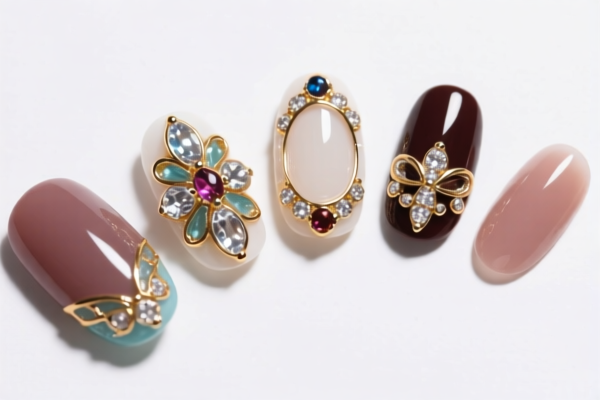
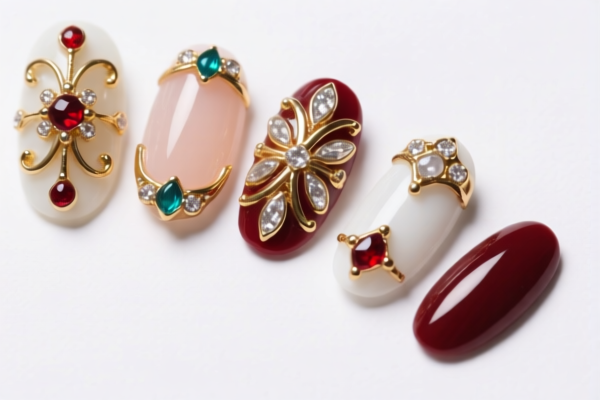
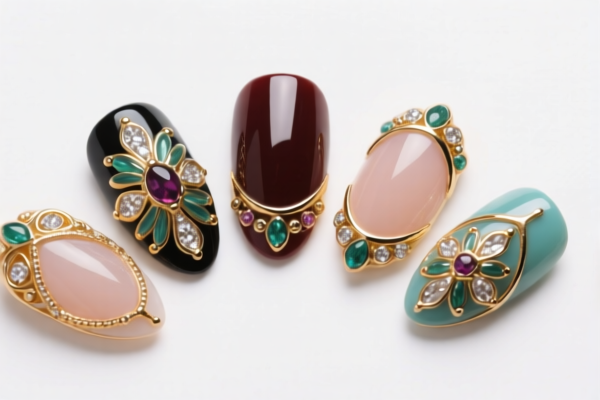
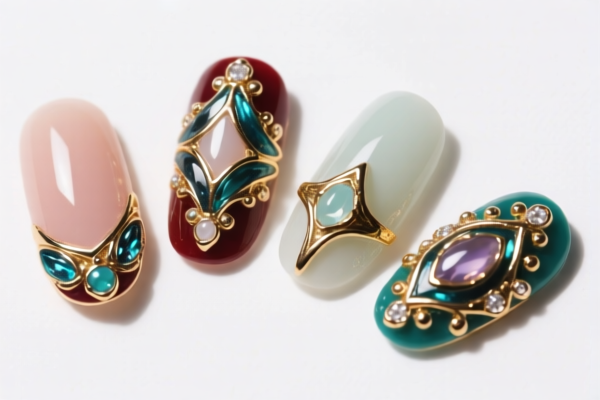
AI Analysis
🍬 Decorative Slices (Candy/Glitter/Sugar Spins)
🌐 HS Code Reference & Customs Clearance Guide | 2026 Latest Tariff Analysis | Professional Strategy
📌 I. Product Definition & Classification: What Are "Decorative Slices"?
Decorative Slices typically refer to thin, flat, or semi-flat solid shapes used for decoration. In international trade, these are most commonly categorized based on their material composition: * Paper/Cardboard: Glitter sheets, paper confetti, paper cut-outs. * Plastic: Acrylic chips, plastic glitter, vinyl confetti. * Leather: Small pieces of processed leather used for craft/decoration.
⚠️ Key Distinction:
- If the item is paper-based, it falls under Chapter 48.
- If the item is plastic-based, it falls under Chapter 39.
- If the item is leather-based, it falls under Chapter 41.
The correct HS Code depends entirely on the material and form (pre-formed vs. raw).
📦 II. HS Code Classification Details (2026 Latest Tariff Authority)
Below are the 5 potential HS Codes for "Decorative Slices" based on material and use case, derived strictly from the provided data.
| HS Code | Product Description | Material/Use Case | Form Factor |
|---|---|---|---|
4823.90.86.80 |
Paper Products (Other) | Paper/Cellulose | Decorative slices/confetti classified under "Other paper articles" |
4823.90.86.20 |
Paper Products (Other) | Paper/Cellulose | Slices inferred as paper decorative items, general fallback category |
3926.40.00.10 |
Plastic Articles (Other) | Plastic | Bow-tie or similar decorative plastic shapes (e.g., plastic glitter/spins) |
3926.90.35.00 |
Plastic Articles (Other) | Plastic | Other plastic articles, specifically non-strung planar objects (generic plastic slices) |
4107.11.80.00 |
Tanned Leather | Leather (Cowhide) | Decorative slices if material is processed cowhide/leather |
💰 III. 2026 Latest Tariff Rate Detailed Analysis (Including Surcharges & Policies)
✅ Applicable Country: United States (US)
✅ Origin: China (CN)
✅ Effective Date: Current tariffs apply as per 2025/2026 data sets.
🎯 1. 4823.90.86.80 & 4823.90.86.20 —— Paper Decorative Slices
Summary: These two codes cover paper-based decorative slices. Whether classified as specific paper products or general "other paper articles," the tax structure is identical.
| Item | Content |
|---|---|
| Base Tariff | 0.0% (Ad Valorem) |
| Section 301 Surcharge | +25.0% |
| Section 122 Tariff | +10.0% |
| Total Effective Rate | 35.0% |
| Tax Calculation | CIF Value × 35% |
| Legal Basis Path | Base Rate → Section 301 (301 Footnotes) → Section 122 (IEEPA/USITC specific clauses) |
📌 Explanation:
- Base 0%: Paper products generally have low or zero base MFN rates.
- 301 Clause (25%): Standard US-China trade war tariff on many Chinese imports.
- Section 122 (10%): Specific additional duty applied to certain goods.
- Total: 35%. This is a moderate-to-high tariff. Paper items are vulnerable to these surcharges.
🎯 2. 3926.40.00.10 —— Plastic Decorative Slices (Bow-tie/Special Shape)
Summary: If the slices are plastic and shaped like bow-ties or specific decorative forms.
| Item | Content |
|---|---|
| Base Tariff | 5.3% |
| Section 301 Surcharge | 0.0% (Note: Some plastic subheadings may be exempt or lower, per data) |
| Section 122 Tariff | +10.0% |
| Total Effective Rate | 15.3% |
| Tax Calculation | CIF Value × 15.3% |
| Legal Basis Path | Base Rate → Section 122 |
📌 Explanation:
- Base 5.3%: Standard duty for plastic decorative articles.
- 0% Surcharge: This specific subheading may benefit from exemptions or lower 301 rates compared to generic plastics.
- 122 Clause (10%): Still applies.
- Total: 15.3%. This is the most economical option for plastic decorative slices if they fit this specific "bow-tie/similar" description.
🎯 3. 3926.90.35.00 —— Plastic Decorative Slices (General/Other)
Summary: Generic plastic slices, non-strung, planar objects, not fitting specific decorative shape codes.
| Item | Content |
|---|---|
| Base Tariff | 6.5% |
| Section 301 Surcharge | +7.5% (Partial or specific subheading surcharge) |
| Section 122 Tariff | +10.0% |
| Total Effective Rate | 24.0% |
| Tax Calculation | CIF Value × 24.0% |
| Legal Basis Path | Base Rate → Partial Section 301 → Section 122 |
📌 Explanation:
- Base 6.5%: Standard for other plastic articles.
- 301 Clause (7.5%): A partial surcharge applies here (not the full 25%).
- 122 Clause (10%): Applies.
- Total: 24.0%. Mid-range cost for plastic items.
🎯 4. 4107.11.80.00 —— Leather Decorative Slices
Summary: If the "slices" are actually small pieces of processed cowhide/leather.
| Item | Content |
|---|---|
| Base Tariff | 2.4% |
| Section 301 Surcharge | 0.0% |
| Section 122 Tariff | +10.0% |
| Total Effective Rate | 12.4% |
| Tax Calculation | CIF Value × 12.4% |
| Legal Basis Path | Base Rate → Section 122 |
📌 Explanation:
- Base 2.4%: Very low base duty for leather goods.
- 0% Surcharge: No Section 301 surcharge on this specific leather subheading.
- 122 Clause (10%): Applies.
- Total: 12.4%. Lowest Total Tariff if the material is indeed leather.
🛠️ IV. Customs Clearance Practical Advice (Avoiding Pitfalls)
✅ 1. Material Verification is Critical
The difference between 12.4% (Leather) and 35% (Paper) or 15.3% (Plastic) is significant.
| Action | Description |
|---|---|
| Physical Inspection | Confirm the exact material: Is it paper, plastic, or leather? |
| Supplier Declaration | Require a written declaration from the supplier specifying the raw material composition. |
| Lab Testing | If uncertain, send samples for material identification before shipment. |
✅ 2.申报技巧 (Declaration Strategy)
🔥 “Material First, Shape Second! Don’t Guess the HS Code!”
| Scenario | Correct Classification | Risk if Incorrect |
|---|---|---|
| Paper Glitter/Slices | 4823.90.86.80 or 4823.90.86.20 |
Misclassifying as plastic could lead to 24-35% vs 15% issues, or customs rejection for wrong material. |
| Plastic Bow-tie Decor | 3926.40.00.10 |
If declared as "other plastic" (3926.90.35.00), you pay 24% instead of 15.3%. |
| Plastic Confetti (Generic) | 3926.90.35.00 |
Ensure it’s not strung (garland). Strung items may fall under different chapters (e.g., 3926.90.98). |
| Leather Scraps | 4107.11.80.00 |
Misclassifying as plastic or paper results in higher tariffs (15-35%). |
✅ 3. Documentation Requirements
| Document | Necessity | Notes |
|---|---|---|
| Product Photo | ✅ Mandatory | Must clearly show texture and shape. |
| Material Spec Sheet | ✅ Mandatory | Explicitly state "100% Paper," "PVC Plastic," or "Cowhide Leather." |
| Commercial Invoice | ✅ Mandatory | Describe as "Decorative Slices, [Material], for Craft Use." |
| Packing List | ✅ Mandatory | Weight and volume details. |
📊 V. Cost Comparison Summary
| HS Code | Material | Total Tax Rate | Verdict |
|---|---|---|---|
4107.11.80.00 |
Leather | 12.4% | 🏆 Lowest Cost (if material is leather) |
3926.40.00.10 |
Plastic (Bow-tie) | 15.3% | 🥈 Lowest Plastic Cost |
3926.90.35.00 |
Plastic (Other) | 24.0% | 🥉 Mid-Range Plastic |
4823.90.86.80 |
Paper | 35.0% | ⚠️ Highest Cost (Paper) |
4823.90.86.20 |
Paper | 35.0% | ⚠️ Highest Cost (Paper) |
📌 Conclusion:
- If your decorative slices are Paper, expect a 35% total tax burden.
- If Plastic, try to classify under3926.40.00.10for 15.3% if they are bow-tie shaped; otherwise, 24% for generic slices.
- If Leather, you can achieve a low rate of 12.4%.
🌍 VI. Global Market Note (US Focus)
🇺🇸 United States:
- All rates above include Section 301 and Section 122 surcharges for Chinese origin.
- No De Minimis (Section 321) applies for these higher-value or specific classifications; full duties are payable.
- Recommendation: Apply for an Advance Ruling with CBP if the material is ambiguous, to avoid penalties at border.
🎯 VII. Final Recommendations
- Identify Material First: This is the single most important factor. Paper = 35%. Plastic = 15-24%. Leather = 12.4%.
- Shape Matters for Plastic: If plastic, are they "bow-tie" or "similar decorative shapes"? If yes, use
3926.40.00.10for lower taxes. - Accurate Description: Use "Decorative Slices, [Material]" in commercial invoices. Avoid vague terms like "Gifts" or "Accessories."
- Consult a Broker: Given the complexity of Section 122 and 301 interactions, professional classification is recommended.
📣 Act Now:
📞 Verify Material → Choose Correct HS → Prepare Docs → Clear Customs Smoothly!
✨ Accurate Classification Saves Money!
💼 Every Percentage Point Counts in Trade!
Customer Reviews
About HS Code Classification
The Harmonized System (HS) is an internationally standardized nomenclature developed by the World Customs Organization (WCO) to classify traded products. Over 200 countries use the HS system as the basis for customs tariffs, trade statistics, and import/export regulations.
Each HS code follows a hierarchical structure:
- Chapter (2 digits) — Broad category of goods (e.g., Chapter 84: Machinery and Mechanical Appliances)
- Heading (4 digits) — More specific grouping within the chapter
- Subheading (6 digits) — Internationally standardized breakdown, used by all WCO member countries
- National subdivisions (8-10 digits) — Country-specific extensions for further classification, such as US HTSUS 10-digit codes
Correct HS code classification is essential for smooth customs clearance, accurate duty payment, and compliance with trade regulations. Misclassification can lead to customs delays, overpayment of duties, or penalties.
When importing from CN to US, the applicable tariff rates may include:
- Most-Favored-Nation (MFN) rate — The standard duty rate applied to WTO members
- General rate — Applied to countries without trade agreements
- Trade remedy duties — Additional tariffs such as Section 301 (anti-dumping), Section 232 (national security), or countervailing duties
The information provided on this page is for reference purposes only. For official classification, please consult with your local customs authority or a licensed customs broker.