decorative wool blend
CN → US| HS Code | Tariff Rate | Origin | Destination | Doc |
|---|---|---|---|---|
| 6304991500 | 28.8% | CN | US | Official Doc |
| 5112905000 | 42.0% | CN | US | Official Doc |
| 6304996010 | 20.7% | CN | US | Official Doc |
| 5112904000 | 42.0% | CN | US | Official Doc |
| 5111904000 | 42.0% | CN | US | Official Doc |
Product Images
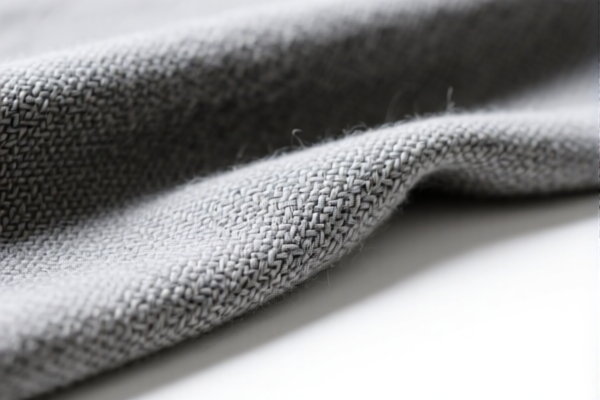
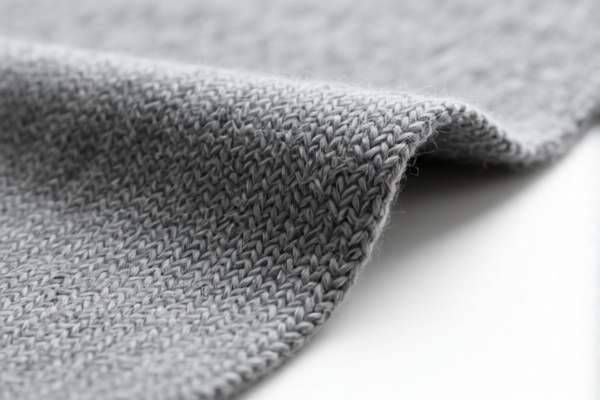
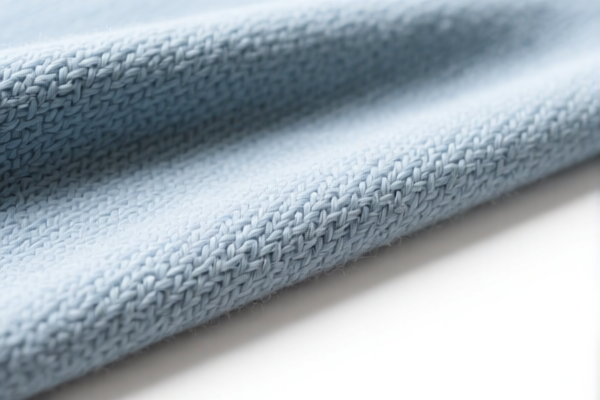
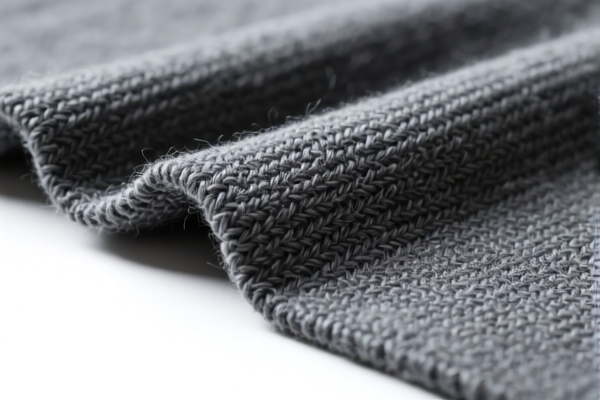
AI Analysis
🧶 Decorative Wool Blend Fabrics (Wool-Blend Textiles for Decoration)
🌐 HS Code Reference & Customs Clearance Guide | 2026 Latest Tariff Analysis | Professional-Level Strategy
📌 I. Product Definition & Classification: Do You Truly Understand "Decorative Wool Blends"?
"Wool Blend Decorative Fabrics" are non-knitted or woven textile materials containing wool, specifically intended for decorative purposes (e.g., upholstery, curtains, drapes, cushion covers). In international trade, classification depends heavily on fiber composition (specifically wool content and processing type like combed vs. carded) and fabric structure.
Key Distinction Points: - "Decorative" vs. "Apparel": If the primary use is for home decoration (upholstery, curtains) rather than clothing, it falls under Chapter 63 (Other made-up textile articles) or specific textile chapters (51/52) depending on the state of fabric. - Processing Method: "Combed" (精梳) wool fabrics often carry higher duties due to perceived higher value/quality compared to "Carded" (梳理) or generic blends. - Knitted vs. Non-Knitted: The provided HS codes all refer to non-knitted (woven) fabrics. Knitted decorative wool would fall under different headings (e.g., 6001).
⚠️ Critical Warning:
- Misclassifying a woven fabric as knitted, or a decorative fabric as apparel, can lead to severe penalties. - Wool Content: Even small amounts of wool in a blend can trigger specific subheadings. The term "Wool Blend" implies it is not 100% wool, but the presence of wool dictates the chapter (usually 51 for man-made/wool blends if wool is significant, or 63 if made-up, but here we focus on the fabric stage as per the data).
📦 II. HS Code Classification Details (2026 Latest Tariff Authority Comparison)
Based on the provided data, all items are Non-Knitted/Woven textile fabrics. The classification splits into two main groups: Chapter 51 (Wool & Fine Animal Hair Fabrics) and Chapter 63 (Other Made-Up Textile Articles/Fabrics).
| HS Code | Product Description | Key Characteristics | Applicable Scenario |
|---|---|---|---|
6304.99.15.00 |
Decorative Fabric, Wool Blend | Non-knitted, non-woven fabric, contains wool. "15.00" often denotes specific decorative weights/types in sub-tariff lines. | General decorative upholstery fabric with moderate wool content. |
6304.99.60.10 |
Decorative Fabric, Wool Blend | Non-knitted/non-crocheted textile fabric. "60.10" may indicate a specific weight or thread count category. | Standard decorative woven fabric, possibly lighter weight or different blend ratio than 15.00. |
5112.90.50.00 |
Wool Blend, Combed, Decorative | Combed Wool (精梳), Woven, Decorative use. Chapter 51 classification for finer, higher-quality wool blends. | High-end upholstery or drapery fabrics using combed yarns. |
5112.90.40.00 |
Wool Blend, Decorative | Wool (羊毛), Woven, Decorative attribute. Specific subset under 5112 for other woven wool fabrics. | Decorative fabrics made from wool blends, possibly different weight or construction than 50.00. |
5111.90.40.00 |
Wool Blend, Decorative | Wool Blend, Fabric/Cloth, Decorative use. Chapter 51.11 typically covers woven fabrics of wool, weighing >200g/m². | Heavyweight decorative wool blends (e.g., heavy drapes, furniture covers). |
🔍 Key Insight:
- Chapter 51 (5111/5112): Generally applies to woven fabrics of wool or fine animal hair. The duties here are higher (42%) because they are classified as raw/semi-finished textile materials with specific fiber content (Combed Wool). - Chapter 63 (6304): Applies to other made-up textile articles or specific decorative fabrics not covered under 51/52. The duties here are lower (20.7% - 28.8%) but still significant due to trade war tariffs. - Why the difference? Customs often scrutinizes whether a product is a "fabric" (Chapter 50-55, 51) or a "finished decorative article/fabric" (Chapter 63). The data provided suggests these are fabrics (not made-up curtains yet) but classified under 63 for specific decorative fabric rules, OR under 51 for pure wool blend textile rules.
💰 III. 2026 Latest Tariff Rate Breakdown (Including Additional Duties & Policy Add-ons)
✅ Applicable Country: United States (US)
✅ Country of Origin: China (CN)
✅ Effective Date: Rates include Section 301 and IEEPA tariffs as per 2026 context.
🎯 1. High-Tariff Group: Chapter 51 (Wool Blend Combed/Woven)
HS Codes: 5112.90.50.00, 5112.90.40.00, 5111.90.40.00
| Item | Detail |
|---|---|
| Base MFN Rate | 7.0% (Ad Valorem) |
| Section 301 Surcharge | +25.0% (Trade War Tariff) |
| Section 122 / IEEPA Surcharge | +10.0% (Specific policy add-on) |
| Total Effective Rate | 42.0% |
| Tax Calculation | CIF Value × 42% |
| De Minimis Eligibility | ❌ No (High value, specific exemption rules) |
| Legal Basis Path | USITC:5111/5112 → Footnote 9903.88.01 (301 Tariff) → IEEPA:9903.01.25 (10% Add-on) |
📌 Explanation:
- These fabrics are classified under Chapter 51, which is heavily taxed due to protectionist policies for domestic wool/textile industries. - The 25% Section 301 tariff is the dominant cost driver. - The 10% IEEPA tariff is an additional layer for Chinese-origin goods in this category. - Total 42% is a significant cost barrier. Importers must calculate if the margin can absorb this.
🎯 2. Lower-Tariff Group: Chapter 63 (Decorative Wool Blend Fabrics)
HS Code: 6304.99.15.00
| Item | Detail |
|---|---|
| Base MFN Rate | 11.3% (Ad Valorem) |
| Section 301 Surcharge | +7.5% (Reduced 301 rate for some decorative items) |
| Section 122 / IEEPA Surcharge | +10.0% |
| Total Effective Rate | 28.8% |
| Tax Calculation | CIF Value × 28.8% |
| De Minimis Eligibility | ❌ No (Likely exceeds $800 threshold or excluded category) |
| Legal Basis Path | USITC:6304.99.15.00 → Footnote 9903.88.01 (Partial 301) → IEEPA:9903.01.25 |
📌 Explanation:
- This classification enjoys a lower Section 301 tariff (7.5% vs 25%). This is a critical advantage. - The base rate is higher (11.3% vs 7.0%), but the total is still ~13% lower than the Chapter 51 options. - Strategy: If your product qualifies, insist on 6304.99.15.00 over 5112/5111 to save 13.2% on total landed cost.
🎯 3. Lowest-Tariff Group: Chapter 63 (Specific Decorative Weave)
HS Code: 6304.99.60.10
| Item | Detail |
|---|---|
| Base MFN Rate | 3.2% (Ad Valorem) |
| Section 301 Surcharge | +7.5% |
| Section 122 / IEEPA Surcharge | +10.0% |
| Total Effective Rate | 20.7% |
| Tax Calculation | CIF Value × 20.7% |
| De Minimis Eligibility | ❌ No |
| Legal Basis Path | USITC:6304.99.60.10 → Footnote 9903.88.01 → IEEPA:9903.01.25 |
📌 Explanation:
- This is the most cost-effective classification in the provided data. - Base rate is very low (3.2%). - Section 301 is only 7.5% (same as the other 6304 code). - Total 20.7% is the lowest risk.
- CRITICAL: To use this, the product must strictly match the description for6304.99.60.10(non-knitted/non-crocheted textile fabric for decorative use). Misclassification here is high-risk; if deemed "wool fabric" (Chapter 51), you’ll face a 21.3% penalty (42% - 20.7%).
🛠️ IV. Customs Clearance Practical Advice (Actionable Pitfall Avoidance)
✅ 1. Document Checklist (Non-Negotiable)
| Document | Required? | Purpose |
|---|---|---|
| ✅ Product Specification Sheet | Yes | Must detail: Fiber content (e.g., 30% Wool, 70% Polyester), Fabric Weight (GSM), Weave Type (Woven/Knitted), End Use (Decorative/Upholstery). |
| ✅ Lab Test Report | Yes | Third-party test confirming Wool Content %. If wool < 10%, it might not be "Wool Blend" for classification purposes. |
| ✅ Commercial Invoice | Yes | Must explicitly state "Woven Fabric for Decorative Use" – NOT "Clothing Fabric" or "Raw Wool". |
| ✅ Packing List | Yes | Detail rolls/yardage, weight, and dimensions. |
| ✅ Photos of Fabric | Yes | Show texture, weave, and labels. Helps CBP distinguish from apparel. |
| ✅ Letter of Explanation | Optional but Recommended | Explain why it is classified under 6304 vs 5112 (e.g., "This fabric is specifically finished for decorative applications, not apparel"). |
✅ 2. Classification Strategy (Key Decision Matrix)
🔥 Golden Rule: "Check the Base Rate, Watch the 301, Confirm the Fiber!"
| Product Feature | Recommended HS Code | Total Tariff | Risk Level |
|---|---|---|---|
| Combed Wool, Woven, Decorative | 5112.90.50.00 |
42.0% | 🔴 High Cost |
| Wool Blend, Woven, Heavy (>200g/m²) | 5111.90.40.00 |
42.0% | 🔴 High Cost |
| Wool Blend, Woven, Decorative | 6304.99.15.00 |
28.8% | 🟡 Medium Cost |
| Wool Blend, Non-Knitted, Decorative | 6304.99.60.10 |
20.7% | 🟢 Lowest Cost |
⚠️ Avoid: Do NOT classify as
5112or5111unless the product is strictly defined as "Wool or Fine Animal Hair Fabrics" under Chapter 51 definitions. If it is a decorative fabric (even with wool),6304is often more appropriate and cheaper.
✅ 3. Special Handling & Compliance Tips
| Scenario | Advice |
|---|---|
| Wool Content < 10% | If wool is minimal, consider classifying under Chapter 54/55 (Synthetic fibers) which may have lower tariffs. Confirm with lab test. |
| Knitted Fabric | If the fabric is knitted (not woven), these HS codes are incorrect. You must use Chapter 60 (e.g., 6001.92). Knitted decorative fabrics have different tariffs. |
| "Made-Up" Items | If the fabric is already cut/sewn into curtains or cushion covers, it is a "Made-Up Article" and should be under 6304.00 (finished goods), not fabric. Tariffs may vary. |
| Section 301 Exclusion | Check if your specific HS Code was removed from Section 301 lists in recent years. Some decorative fabrics may have been excluded. Verify current USITC exclusion status. |
🌍 V. Global Market Comparison (2026 Context)
| Market | Typical HS Code | Base Duty | Section 301? | Total Impact |
|---|---|---|---|---|
| 🇺🇸 USA | 6304.99.60.10 |
3.2% | ✅ Yes (+7.5%) | 20.7% (Best Option) |
| 🇨🇳 China (Import) | 5112.90.90 |
5-10% | ❌ No | ~10-15% |
| 🇪🇺 EU | 5112.90 |
6.5% | ❌ No | ~6.5% (No 301) |
| 🇬🇧 UK | 5112.90 |
6.5% | ❌ No | ~6.5% |
📌 Conclusion:
- The US market is the most punitive due to Section 301 and IEEPA tariffs. - EU/UK tariffs are significantly lower for wool blends (~6.5%). - Strategy for US Export: Optimize for6304.99.60.10(20.7%) rather than Chapter 51 (42%). Consider third-country transshipment (Vietnam, India) if eligible and compliant with rules of origin, though this carries high scrutiny risk.
📌 VI. Common Mistakes & Pitfalls (Lessons Learned)
❌ Mistake 1: Classifying Wool Blend as 100% Wool under Chapter 51.
👉 Result: Incorrect base rate, potential fraud penalties.
❌ Mistake 2: Using 5112 for Decorative fabrics that qualify for 6304.
👉 Result: Paying 42% instead of 20.7%. Loss of 21.3% margin.
❌ Mistake 3: Ignoring the Section 301 Footnotes.
👉 Result: Assuming 7% duty when 7.5% or 25% applies.
❌ Mistake 4: Misidentifying Woven vs. Knitted.
👉 Result: If knitted, 6304.99 is wrong. Must use Chapter 60.
✅ Correct Approach:
"Import Woven Wool Blend Fabric for Decorative Use.
Fiber Content: 30% Wool, 70% Polyester.
Classification:6304.99.60.10(Non-knitted decorative fabric).
Duty: 20.7% (3.2% Base + 7.5% 301 + 10% IEEPA).
Documentation: Lab test confirming wool %, invoice specifying 'Decorative Woven Fabric'."
🎯 VII. Conclusion: Professional Classification for Cost Savings
🎯 Remember This Mantra:
🔹 "Chapter 51 is 42%, Chapter 63 is 20%.
🔹 Combed Wool = High Duty. Decorative Weave = Lower Duty.
🔹 Verify Woven vs. Knitted BEFORE Shipping."
📌 Pro Tip:
If your wool content is low (< 10%), consider classifying under Synthetic Fiber codes (Chapter 54/55) which may have lower Section 301 rates. Consult a customs broker to re-evaluate your fiber blend.
📣 Immediate Action:
📞 Contact a Licensed Customs Broker to apply for a Pre-Ruling (ISF/HTS Classification Ruling) before shipping.
🚀 Optimize Landed Cost: Saving 13% in tariffs is better than losing 13% in profit.
✨ Precision in Classification = Precision in Profit!
💼 Every percentage point counts in the textile trade.
Customer Reviews
About HS Code Classification
The Harmonized System (HS) is an internationally standardized nomenclature developed by the World Customs Organization (WCO) to classify traded products. Over 200 countries use the HS system as the basis for customs tariffs, trade statistics, and import/export regulations.
Each HS code follows a hierarchical structure:
- Chapter (2 digits) — Broad category of goods (e.g., Chapter 84: Machinery and Mechanical Appliances)
- Heading (4 digits) — More specific grouping within the chapter
- Subheading (6 digits) — Internationally standardized breakdown, used by all WCO member countries
- National subdivisions (8-10 digits) — Country-specific extensions for further classification, such as US HTSUS 10-digit codes
Correct HS code classification is essential for smooth customs clearance, accurate duty payment, and compliance with trade regulations. Misclassification can lead to customs delays, overpayment of duties, or penalties.
When importing from CN to US, the applicable tariff rates may include:
- Most-Favored-Nation (MFN) rate — The standard duty rate applied to WTO members
- General rate — Applied to countries without trade agreements
- Trade remedy duties — Additional tariffs such as Section 301 (anti-dumping), Section 232 (national security), or countervailing duties
The information provided on this page is for reference purposes only. For official classification, please consult with your local customs authority or a licensed customs broker.