defoamer mixture
CN → US| HS Code | Tariff Rate | Origin | Destination | Doc |
|---|---|---|---|---|
| 3402901000 | 38.8% | CN | US | Official Doc |
| 3811290000 | 41.5% | CN | US | Official Doc |
| 3402905050 | 38.7% | CN | US | Official Doc |
| 3811900000 | 41.5% | CN | US | Official Doc |
| 3806900000 | 39.2% | CN | US | Official Doc |
| 3824999397 | 40.0% | CN | US | Official Doc |
Product Images
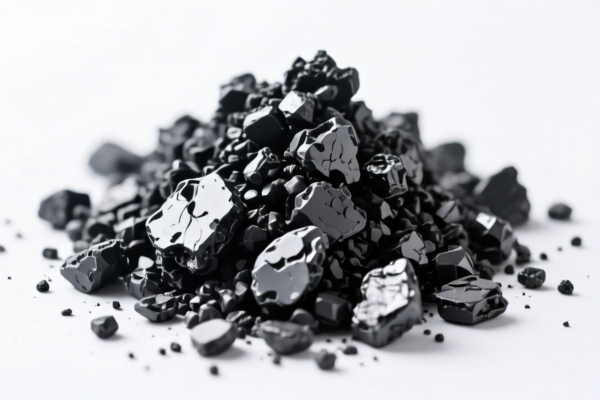
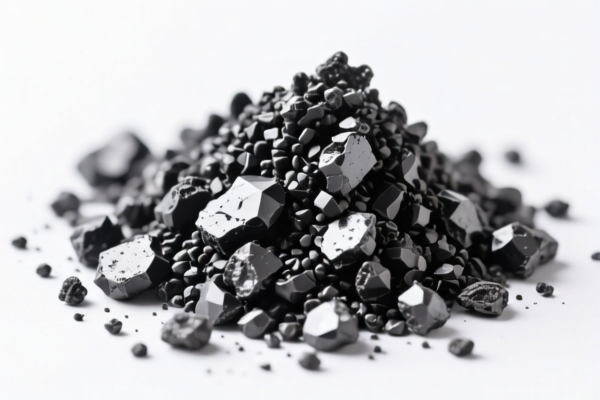
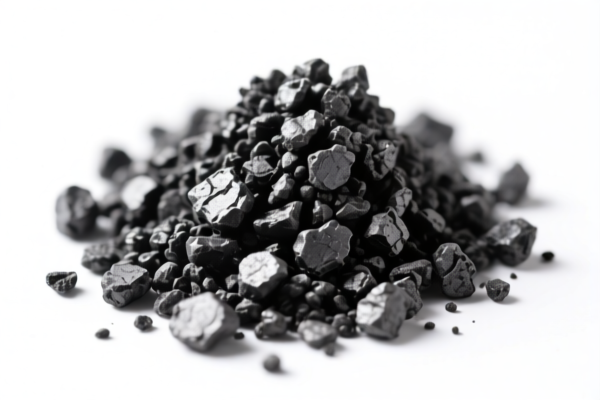
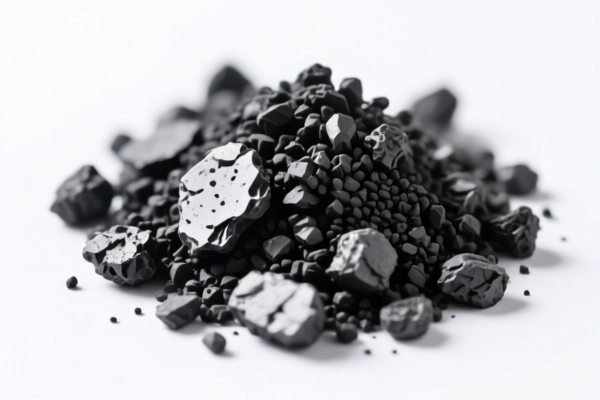
AI Analysis
🧪 Defoamer Mixtures: The Chemical "Silencers" | HS Code Classification & US Customs Clearance Strategy 2026
🌐 HS Code Reference & Customs Guide | 2026 Latest Tariff Analysis | Professional Clearance Strategy
📌 I. Product Definition & Classification: What Exactly is a "Defoamer Mixture"?
Defoamers (or antifoaming agents) are chemical additives used to prevent or eliminate foam in industrial processes, such as water treatment, pulp and paper manufacturing, textile dyeing, coating, and metal casting. In international trade, they are not a single commodity but a category of chemical preparations.
The key to correct classification lies in the chemical composition and primary function of the mixture:
- Surfactant-based Defoomers: Usually classified under Chapter 34 (Soap, organic surface-active agents, washing preparations).
- Lubricant/Mineral Oil-based Additives: Classified under Chapter 38 (Miscellaneous chemical products).
- Specialized Mixtures (e.g., for casting or specific industrial applications): Classified under Chapter 38 as other chemical preparations.
⚠️ Critical Distinction:
- If the defoamer is primarily a surface-active agent for cleaning or wetting → Chapter 34.
- If the defoamer is a mixture with mineral oils, lubricants, or specialized functional additives (not primarily for cleaning) → Chapter 38.
- Do NOT assume all defoamers are the same! Misclassification leads to significant tariff differences and customs delays.
📦 II. HS Code Classification Details (2026 Latest Tariff Authority Reference)
Below are the 6 most common HS Codes for Defoamer Mixtures imported from China to the US, based on product composition and function.
| HS Code | Product Description | Applicable Scenario | Key Composition/Feature |
|---|---|---|---|
3402.90.10.00 |
Specific defoamer, classified as a chemical preparation under synthetic detergents/surface-active agents | Industrial cleaning, laundry, general wetting | ✅ Surfactant-based, synthetic detergent type |
3402.90.50.50 |
Specific defoamer, functional chemical under 3402, not for washing or cleaning | Specialty coatings, pharmaceuticals, non-cleaning industries | ✅ Functional chemical, non-detergent |
3811.29.00.00 |
Specific defoamer, classified as a lubricant additive | Engine oils, hydraulic fluids, industrial lubricants | ✅ Contains anti-foam + antioxidant functions, oil-based |
3811.90.00.00 |
Specific defoamer, classified as an additive for mineral oils or liquid preparations | General mineral oil additives, non-specific lubricants | ✅ Other additive description, oil-based |
3806.90.00.00 |
Bimetal casting defoamer mixture, classified as a chemical mixture | Metal casting, foundry applications | ✅ Rosin derivatives or other chemical mixtures for casting |
3824.99.93.97 |
Bimetal casting defoamer mixture, classified as miscellaneous chemical product | Casting, industrial chemical blends | ✅ Other category "catch-all" for chemical preparations |
🔍 Key Reminder:
- Surfactant-based defoamers go to 3402.
- Oil-based/Lubricant defoamers go to 3811.
- Casting/Foundry specific mixtures may go to 3806 or 3824 depending on exact composition.
- Always check the SDS (Safety Data Sheet) to determine the primary ingredient!
💰 III. 2026 Latest Tariff Rate Breakdown (Including Additional Duties & Policy Surcharges)
✅ Applicable Country: United States (US)
✅ Country of Origin: China (CN)
✅ Effective Date: From November 10, 2025 (including subsequent imports)
🎯 1. 3402.90.10.00 —— Defoamer (Synthetic Detergent/Surfactant Type)
| Item | Content |
|---|---|
| Base Tariff | 3.8% (ad valorem) |
| Section 301 Additional Tariff | +25.0% |
| IEEPA Additional Tariff (Section 122) | +10.0% |
| Total Tariff Rate | 38.8% |
| Tax Calculation | CIF Value × 38.8% |
| De Minimis Exemption | ❌ Not Eligible (deny_de_minimis) |
| Legal Basis Path | USITC:3402.90.10.00 → SECTION_301 → IEEPA:122 |
📌 Explanation:
- This code is for defoamers that function as surface-active agents or synthetic detergents.
- The 38.8% total rate includes the base rate, Section 301 tariff, and IEEPA 122% surcharge.
- High tariff alert! Budget accordingly.
🎯 2. 3402.90.50.50 —— Defoamer (Functional Chemical, Non-Cleaning)
| Item | Content |
|---|---|
| Base Tariff | 3.7% (ad valorem) |
| Section 301 Additional Tariff | +25.0% |
| IEEPA Additional Tariff (Section 122) | +10.0% |
| Total Tariff Rate | 38.7% |
| Tax Calculation | CIF Value × 38.7% |
| De Minimis Exemption | ❌ Not Eligible |
| Legal Basis Path | USITC:3402.90.50.50 → SECTION_301 → IEEPA:122 |
📌 Note:
- Slightly lower base rate than3402.90.10.00due to specific subcategory.
- Still subject to full Section 301 and IEEPA surcharges.
🎯 3. 3811.29.00.00 —— Defoamer (Lubricant Additive)
| Item | Content |
|---|---|
| Base Tariff | 6.5% (ad valorem) |
| Section 301 Additional Tariff | +25.0% |
| IEEPA Additional Tariff (Section 122) | +10.0% |
| Total Tariff Rate | 41.5% |
| Tax Calculation | CIF Value × 41.5% |
| De Minimis Exemption | ❌ Not Eligible |
| Legal Basis Path | USITC:3811.29.00.00 → SECTION_301 → IEEPA:122 |
📌 Explanation:
- Used for defoamers in lubricants, hydraulic fluids, etc.
- Higher base rate (6.5%) compared to Chapter 34 codes.
- Total 41.5% is significantly higher than surfactant-based defoamers.
🎯 4. 3811.90.00.00 —— Defoamer (Mineral Oil Additive)
| Item | Content |
|---|---|
| Base Tariff | 6.5% (ad valorem) |
| Section 301 Additional Tariff | +25.0% |
| IEEPA Additional Tariff (Section 122) | +10.0% |
| Total Tariff Rate | 41.5% |
| Tax Calculation | CIF Value × 41.5% |
| De Minimis Exemption | ❌ Not Eligible |
| Legal Basis Path | USITC:3811.90.00.00 → SECTION_301 → IEEPA:122 |
📌 Note:
- Similar to3811.29.00.00, but for other mineral oil additives not specifically listed elsewhere.
- Same 41.5% total rate.
🎯 5. 3806.90.00.00 —— Bimetal Casting Defoamer (Rosin Derivatives)
| Item | Content |
|---|---|
| Base Tariff | 4.2% (ad valorem) |
| Section 301 Additional Tariff | +25.0% |
| IEEPA Additional Tariff (Section 122) | +10.0% |
| Total Tariff Rate | 39.2% |
| Tax Calculation | CIF Value × 39.2% |
| De Minimis Exemption | ❌ Not Eligible |
| Legal Basis Path | USITC:3806.90.00.00 → SECTION_301 → IEEPA:122 |
📌 Explanation:
- Specifically for casting applications using rosin or similar chemical mixtures.
- 39.2% total rate is moderately high.
🎯 6. 3824.99.93.97 —— Bimetal Casting Defoamer (Miscellaneous Chemical)
| Item | Content |
|---|---|
| Base Tariff | 5.0% (ad valorem) |
| Section 301 Additional Tariff | +25.0% |
| IEEPA Additional Tariff (Section 122) | +10.0% |
| Total Tariff Rate | 40.0% |
| Tax Calculation | CIF Value × 40.0% |
| De Minimis Exemption | ❌ Not Eligible |
| Legal Basis Path | USITC:3824.99.93.97 → SECTION_301 → IEEPA:122 |
📌 Note:
- A "catch-all" code for chemical preparations not elsewhere specified.
- 40.0% total rate.
🛠️ IV. Customs Clearance Practical Advice (Real-World Pitfall Avoidance)
✅ 1. Documentation Checklist (Absolutely Essential)
| Document | Required | Explanation |
|---|---|---|
| ✅ SDS (Safety Data Sheet) | ✔️ | CRITICAL. Must clearly state chemical composition, primary function, and HS code justification. |
| ✅ Product Specification Sheet | ✔️ | Detailed ingredients, concentration, physical state (liquid/powder), and intended use. |
| ✅ Commercial Invoice | ✔️ | Must specify "Defoamer Mixture" with clear HS code and description. |
| ✅ Packing List | ✔️ | Net/gross weight, volume, packaging type. |
| ✅ Certificate of Origin | ✔️ | If claiming any preferential treatment (rare for China origin in this category). |
| ✅ Test Reports | ✔️ | If required by customer or industry (e.g., FDA for food-grade defoamers). |
✅ 2. Declaration Tips (Key Rules)
🔥 “Composition is King, Function is Queen, SDS is the Law!”
| Scenario | Correct Declaration | Wrong Approach |
|---|---|---|
| Surfactant-based defoamer | 3402.90.10.00 or 3402.90.50.50 |
Misdeclaring as 3811 → Risk of audit & penalties |
| Oil-based lubricant defoamer | 3811.29.00.00 or 3811.90.00.00 |
Misdeclaring as 3402 → Base rate error (6.5% vs 3.8%) |
| Casting defoamer | 3806.90.00.00 or 3824.99.93.97 |
Vague description → Customs may reclassify & penalize |
| Generic "Chemical Mixture" | Do NOT use vague terms | Use precise HS code + detailed description |
📌 Important:
- Never use generic terms like "Chemical Mixture" without specifying the primary function and composition.
- Customs officers will check the SDS. If the SDS says "mineral oil-based," it must go to Chapter 38. If it says "surfactant-based," it must go to Chapter 34.
✅ 3. Special Circumstances Handling
| Scenario | Handling Advice |
|---|---|
| Multi-purpose Defoamer | If it has both cleaning and anti-foam properties, classify based on primary function. Document this clearly. |
| Food-Grade Defoamer | May require FDA pre-market approval in addition to customs clearance. |
| Customs Audit Risk | Given the high tariffs (38-41%), expect detailed scrutiny. Prepare full documentation trail. |
| Origin Labeling | Must clearly state "Made in China" to avoid misdeclaration claims. |
🌍 V. Global Market Comparison (2026 Latest)
| Country/Region | Recommended HS Code | Base Tariff | US Surcharges | Notes |
|---|---|---|---|---|
| 🇺🇸 USA | Depends on composition | 3.7% - 6.5% | +35% (301+IEEPA) | Total 38.7% - 41.5%. High risk of audit. |
| 🇨🇳 China | Depends on composition | 5% - 10% | None | Lower import duty, but complex classification. |
| 🇪🇺 EU | Depends on composition | 0% - 6.5% | None | Generally lower tariffs, but REACH registration required. |
| 🇦🇺 Australia | Depends on composition | 5% | None | Standard duty, no surcharges. |
| 🇯🇵 Japan | Depends on composition | 0% - 5% | None | Low tariffs, but strict quality standards. |
📌 Conclusion:
- The US is the most expensive market for Chinese-made defoamers due to Section 301 and IEEPA surcharges.
- Total tariff rates range from 38.7% to 41.5%, which is extremely high.
- Consider supply chain diversification or HS code optimization to reduce costs.
📌 VI. Common Mistakes & Pitfalls (Lessons Learned)
❌ Mistake 1: Declaring all defoamers under one HS code
👉 Consequence: Customs reclassification → Back taxes + Penalties
❌ Mistake 2: Ignoring the SDS
👉 Consequence: If SDS contradicts declaration → Seizure or Return
❌ Mistake 3: Using vague descriptions like "Chemical Additive"
👉 Consequence: Customs delays, additional inquiries, potential audits
❌ Mistake 4: Not checking for IEEPA Section 122 applicability
👉 Consequence: Underpayment of 10% surcharge → Interest + Penalties
✅ Best Practice:
“Read the SDS, Match the Composition, Declare the Exact HS Code, Prepare for 40% Tariff!”
🎯 VII. Conclusion: Professional Classification, Smooth Clearance, Cost Control
🎯 Key Takeaway:
🔹 "Defoamer is not one size fits all."
🔹 "Chapter 34 vs. Chapter 38 determines your base rate."
🔹 "Section 301 + IEEPA = +35% surcharge for China origin."
🔹 "Total tariff: 38.7% - 41.5%. Budget accordingly!"
📌 Pro Tip:
If your defoamer is originating from Vietnam, Mexico, Thailand, or Malaysia, you may avoid IEEPA surcharges, reducing the total tariff to Section 301 only (+25%) + Base Rate.
👉 Recommendation: Apply for Advance Ruling from US Customs (CBP) to confirm the correct HS code and avoid post-clearance audits.
📣 Immediate Action:
📞 Consult a Licensed Customs Broker
📄 Provide Full SDS & Product Specs
🚀 Apply for CBP Advance Ruling
💰 Budget for 39%+ Tariff
✨ Professional Clearance Starts with Accurate Classification!
💼 Every Percent Matters in High-Tariff Chemical Trade!
Customer Reviews
About HS Code Classification
The Harmonized System (HS) is an internationally standardized nomenclature developed by the World Customs Organization (WCO) to classify traded products. Over 200 countries use the HS system as the basis for customs tariffs, trade statistics, and import/export regulations.
Each HS code follows a hierarchical structure:
- Chapter (2 digits) — Broad category of goods (e.g., Chapter 84: Machinery and Mechanical Appliances)
- Heading (4 digits) — More specific grouping within the chapter
- Subheading (6 digits) — Internationally standardized breakdown, used by all WCO member countries
- National subdivisions (8-10 digits) — Country-specific extensions for further classification, such as US HTSUS 10-digit codes
Correct HS code classification is essential for smooth customs clearance, accurate duty payment, and compliance with trade regulations. Misclassification can lead to customs delays, overpayment of duties, or penalties.
When importing from CN to US, the applicable tariff rates may include:
- Most-Favored-Nation (MFN) rate — The standard duty rate applied to WTO members
- General rate — Applied to countries without trade agreements
- Trade remedy duties — Additional tariffs such as Section 301 (anti-dumping), Section 232 (national security), or countervailing duties
The information provided on this page is for reference purposes only. For official classification, please consult with your local customs authority or a licensed customs broker.