desktop slicer
CN → US| HS Code | Tariff Rate | Origin | Destination | Doc |
|---|---|---|---|---|
| 8210000000 | 38.7% | CN | US | Official Doc |
| 8438600000 | 35.0% | CN | US | Official Doc |
| 8438800000 | 35.0% | CN | US | Official Doc |
Product Images
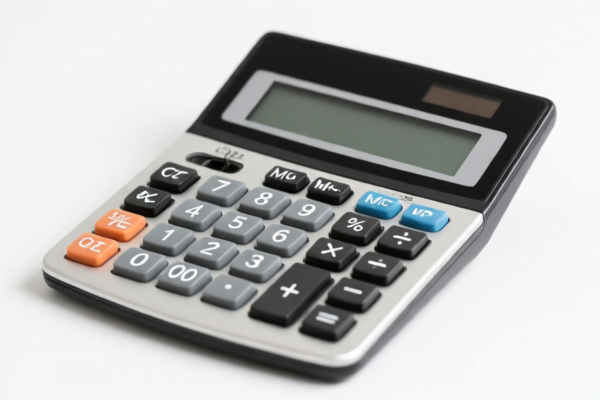
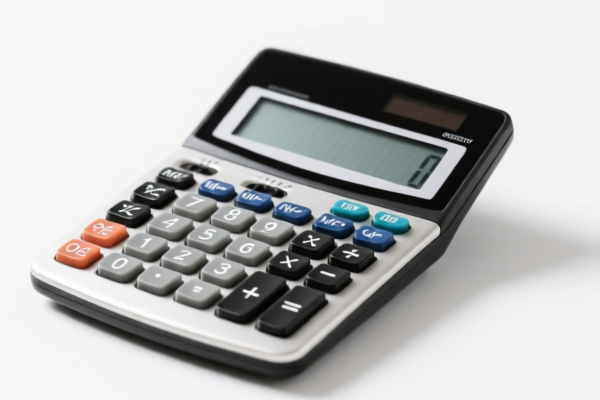
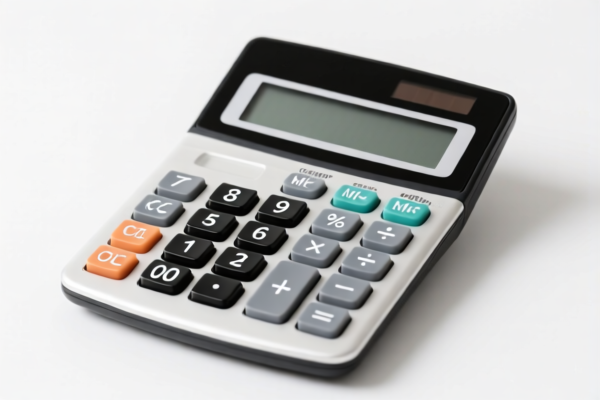
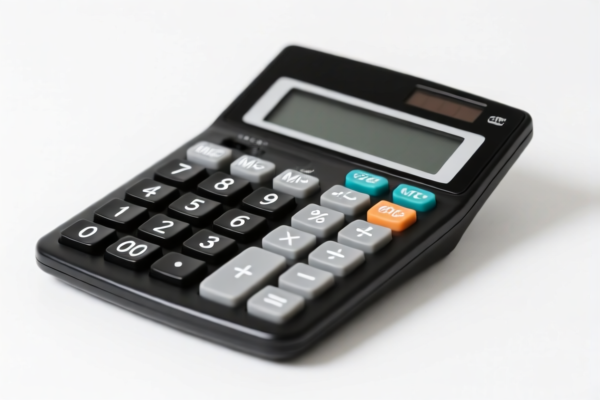
AI Analysis
🔪 Desktop Slicer (Food Preparation Tool)
🌐 HS Code Reference & Customs Clearance Guide | 2026 Latest Tariff Analysis | Professional Clearance Strategy
📌 Part 1: Product Definition & Classification: Is Your Slicer "Manual" or "Mechanical"?
The Desktop Slicer is a ubiquitous tool in both domestic kitchens and commercial food processing. However, in international trade, its classification depends entirely on its operational mechanism and intended use.
There is a critical distinction that affects your tariff burden: 1. Manual Mechanical Apparatus: Simple hand-held or stationary manual slicers (e.g., mandolines, manual vegetable choppers). These are often classified under Chapter 82 (Tools/Knives). 2. Mechanical/Industrial Processing Tools: Slicers that may be motorized, heavy-duty, or specifically designed for industrial-scale preparation of fruits, nuts, or vegetables. These fall under Chapter 84 (Machinery).
⚠️ Key Differentiator:
- If it is a simple manual tool used for general food/drink prep → Likely 8210.
- If it is a mechanical device specifically for preparing fruits/nuts/veg → Likely 8438.
- If it is considered industrial food processing machinery → Likely 8438.80.
📦 Part 2: HS Code Classification Details (2026 Latest Tariff Authority)
Based on the specific descriptions provided in the data, here are the three most likely HS Codes for a "Desktop Slicer" and their corresponding tax implications.
| HS Code | Product Description | Applicable Scenario | Total Tax Rate (CN Origin) |
|---|---|---|---|
8210.00.00.00 |
Manual Mechanical Apparatus for preparing food/drinks. Includes hand-operated slicers, mandolines, or manual choppers. | Home kitchen mandolines, manual vegetable slicers, non-motorized desktop tools. | 38.7% |
8438.60.00.00 |
Mechanical apparatus for preparing fruit, nuts, or vegetables. | Motorized or heavy-duty slicers specifically for fruits/veg/nuts. Fits the definition of "mechanical tools" for these specific items. | 35.0% |
8438.80.00.00 |
Other machinery for industrial preparation/manufacturing of food or beverages. | Industrial-grade slicing machines, heavy commercial equipment for food processing plants. | 35.0% |
🔍 Important Note:
- 8210 is often the default for manual kitchen gadgets.
- 8438 applies when the device is classified as machinery or has specific industrial/commercial capabilities for food prep.
- The choice between8438.60and8438.80depends on whether the slicer is seen as a specific tool for fruit/nuts/veg (60) or general industrial food machinery (80).
💰 Part 3: 2026 Latest Tariff Rate Breakdown (Including Surcharges & Policy Surcharges)
✅ Applicable Country: United States (US)
✅ Origin: China (CN)
✅ Effective Date: Post-2025/2026 Trade Policies (Section 301 & IEEPA)
🎯 1. 8210.00.00.00 —— Manual Mechanical Apparatus for Food Prep
| Item | Detail |
|---|---|
| Base Tariff | 3.7% (Ad Valorem) |
| Section 301 Surcharge | +25.0% |
| Section 122 Tariff | +10.0% |
| Total Tax Rate | 38.7% |
| Calculation Basis | CIF Value × 38.7% |
| De Minimis Exemption | ❌ Not Eligible (Subject to high duties) |
| Legal Basis Path | USITC:8210.00.00.00 → Section 301 → Section 122 |
📌 Explanation:
- This category captures manual tools. The 3.7% base rate is relatively low, but the 25% Section 301 and 10% Section 122 surcharges push the total to 38.7%.
- Critical: Even if it’s a simple kitchen gadget, it is not exempt from these surcharges if originating from China.
🎯 2. 8438.60.00.00 —— Mechanical Fruit/Nut/Veg Preparation
| Item | Detail |
|---|---|
| Base Tariff | 0.0% (Ad Valorem) |
| Section 301 Surcharge | +25.0% |
| Section 122 Tariff | +10.0% |
| Total Tax Rate | 35.0% |
| Calculation Basis | CIF Value × 35.0% |
| De Minimis Exemption | ❌ Not Eligible |
| Legal Basis Path | USITC:8438.60.00.00 → Section 301 → Section 122 |
📌 Explanation:
- The base tariff is 0%, which is lower than 8210. However, the 25% + 10% surcharges still apply, resulting in a 35.0% total rate.
- This is 3.7% cheaper than the manual 8210 classification, making it potentially more advantageous if the product qualifies as "mechanical preparation machinery."
🎯 3. 8438.80.00.00 —— Other Industrial Food Preparation Machinery
| Item | Detail |
|---|---|
| Base Tariff | 0.0% (Ad Valorem) |
| Section 301 Surcharge | +25.0% |
| Section 122 Tariff | +10.0% |
| Total Tax Rate | 35.0% |
| Calculation Basis | CIF Value × 35.0% |
| De Minimis Exemption | ❌ Not Eligible |
| Legal Basis Path | USITC:8438.80.00.00 → Section 301 → Section 122 |
📌 Explanation:
- Similar to 8438.60, this falls under "Other Machinery." The base rate is 0%, but the total effective rate is 35.0% due to surcharges.
- This is suitable for industrial-grade desktop slicers used in commercial food processing.
🛠️ Part 4: Customs Clearance Practical Advice (Battle-Tested Pitfall Avoidance)
✅ 1. Document Checklist (Must-Haves)
| Document | Required | Purpose |
|---|---|---|
| ✅ Product Specification Sheet | ✔️ | Must clearly state if it is manual or mechanical/industrial. |
| ✅ Operating Manual | ✔️ | Proves intended use (e.g., "for home use" vs. "for industrial food processing"). |
| ✅ Product Photos | ✔️ | Show power source (cordless/motorized vs. purely manual). |
| ✅ Commercial Invoice | ✔️ | Must accurately describe the item as "Slicer" and specify type (Manual/Mechanical). |
| ✅ HS Code Pre-Ruling | ✔️ | Highly Recommended to confirm if it falls under 8210 or 8438. |
✅ 2. Declaration Strategy (Key Tips)
🔥 “Manual goes to 82, Mechanical goes to 84. Be specific!”
| Scenario | Correct Declaration | Wrong Declaration | Consequence |
|---|---|---|---|
| Manual Mandoline/Slicer | 8210.00.00.00 |
8438.60.00.00 |
Over-declaring base rate (3.7% vs 0%) but same surcharges. Minor impact. |
| Motorized Commercial Slicer | 8438.60.00.00 or 8438.80.00.00 |
8210.00.00.00 |
Under-declaring as manual → Customs Audit Risk & Penalties. |
| General Kitchen Tool | 8210.00.00.00 |
8438.80.00.00 |
Misclassification → Potential delay for classification review. |
📌 Warning:
- If you declare a motorized slicer as manual (8210), customs may reject it for misrepresentation.
- If you declare a manual slicer as machinery (8438), you may avoid the 3.7% base tariff, but customs may challenge the classification if the device lacks mechanical components.
✅ 3. Special Situations
| Situation | Recommendation |
|---|---|
| OEM Private Label Slicers | Ensure the invoice matches the product description. Do not use generic terms like "Tool" without specifying "Food Slicer." |
| Accessories (Blades only) | Blades may fall under 8211.93 (Knives with cutting blades). Check separately for different tax treatment. |
| Complete vs. Partial | If importing only the slicing mechanism, clarify if it’s a part (8438) or a tool (8210). |
🌍 Part 5: Global Market Comparison (2026)
| Country/Region | Recommended HS Code | Tariff (CN Origin) | Notes |
|---|---|---|---|
| 🇺🇸 United States | 8210.00.00.00 or 8438.x0.00.00 |
35.0% - 38.7% | High surcharges apply to both categories. |
| 🇨🇳 China (Export) | 8210 or 8438 |
0% (Export Duty) | No export duty, but buyer bears import duty. |
| 🇪🇺 European Union | 8210 or 8438 |
3.7% - 14.3% | No Section 301/122 surcharges. EU rates vary. |
| 🇨🇦 Canada | 8210 or 8438 |
5% - 10% | Generally lower than US, but check CFIA regulations. |
| 🇬🇧 United Kingdom | 8210 or 8438 |
5% - 14% | Post-Brexit rules apply. |
📌 Conclusion:
- The US is the most expensive market for slicers due to Section 301 (25%) and Section 122 (10%) surcharges.
- Total cost difference: Only 3.7% between the two main categories (35.0% vs 38.7%).
- Strategy: If the slicer is clearly mechanical/industrial, use 8438 to save the 3.7% base tariff. If it’s clearly manual, use 8210 to avoid misclassification risks.
📌 Part 6: Common Errors & Pitfall Avoidance (Lessons Learned)
❌ Error 1: Declaring a motorized slicer as 8210 (Manual).
👉 Consequence: Customs may flag this as misdeclaration. While the base rate is higher for 8210, the surcharges are the same, so the immediate tax impact is small, but compliance risk is high.
❌ Error 2: Using "Kitchen Tool" as the description.
👉 Consequence: Vague descriptions lead to customs delays and potential re-classification by CBP, which can result in liquidated damages.
❌ Error 3: Ignoring Section 122 Tariff.
👉 Consequence: Many importers forget the 10% Section 122 surcharge. It applies to both 8210 and 8438. Always calculate Total Rate = Base + 25% + 10%.
✅ Correct Practice:
“Electric Desktop Slicer for Vegetables, 500W, Model XYZ, Made in China” → 8438.60.00.00
“Manual Mandoline Slicer, Stainless Steel, Model ABC, Made in China” → 8210.00.00.00
🎯 Part 7: Conclusion: Precision in Classification, Savings in Compliance
🎯 Remember the Key:
🔹 “Manual = 8210 (38.7%), Mechanical = 8438 (35.0%).”
🔹 “Surcharges are Universal: 25% + 10% always apply to CN origin.”
🔹 “Choose the HS Code that matches the mechanism, not just the use.”
📌 Pro Tip:
If your slicer has both manual and electric modes, consult a customs broker for a Pre-Ruling. Misclassification can lead to back taxes and penalties.
📣 Immediate Action:
📞 Contact a licensed customs broker.
📄 Provide detailed product specs (Motor? Manual? Industrial?).
🚀 Ensure accurate HS Code classification to optimize your landed cost.
✨ Professional clearance starts with precise classification!
💼 Every percentage point matters in cross-border trade.
Customer Reviews
About HS Code Classification
The Harmonized System (HS) is an internationally standardized nomenclature developed by the World Customs Organization (WCO) to classify traded products. Over 200 countries use the HS system as the basis for customs tariffs, trade statistics, and import/export regulations.
Each HS code follows a hierarchical structure:
- Chapter (2 digits) — Broad category of goods (e.g., Chapter 84: Machinery and Mechanical Appliances)
- Heading (4 digits) — More specific grouping within the chapter
- Subheading (6 digits) — Internationally standardized breakdown, used by all WCO member countries
- National subdivisions (8-10 digits) — Country-specific extensions for further classification, such as US HTSUS 10-digit codes
Correct HS code classification is essential for smooth customs clearance, accurate duty payment, and compliance with trade regulations. Misclassification can lead to customs delays, overpayment of duties, or penalties.
When importing from CN to US, the applicable tariff rates may include:
- Most-Favored-Nation (MFN) rate — The standard duty rate applied to WTO members
- General rate — Applied to countries without trade agreements
- Trade remedy duties — Additional tariffs such as Section 301 (anti-dumping), Section 232 (national security), or countervailing duties
The information provided on this page is for reference purposes only. For official classification, please consult with your local customs authority or a licensed customs broker.