diy bracelet
CN → US| HS Code | Tariff Rate | Origin | Destination | Doc |
|---|---|---|---|---|
| 7113205000 | 22.7% | CN | US | Official Doc |
| 8306290000 | 10.0% | CN | US | Official Doc |
| 8306210000 | 22.0% | CN | US | Official Doc |
| 8467895090 | 17.5% | CN | US | Official Doc |
| 8467290090 | 17.5% | CN | US | Official Doc |
Product Images
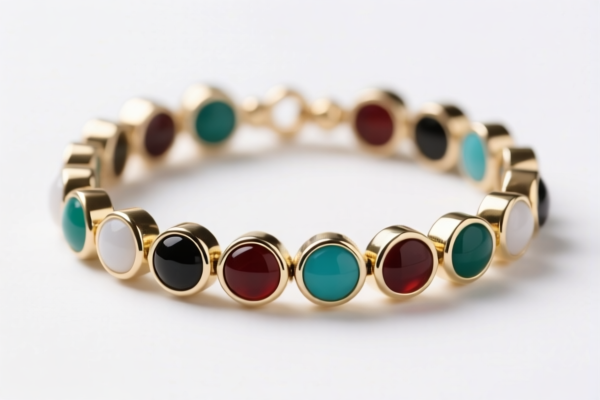
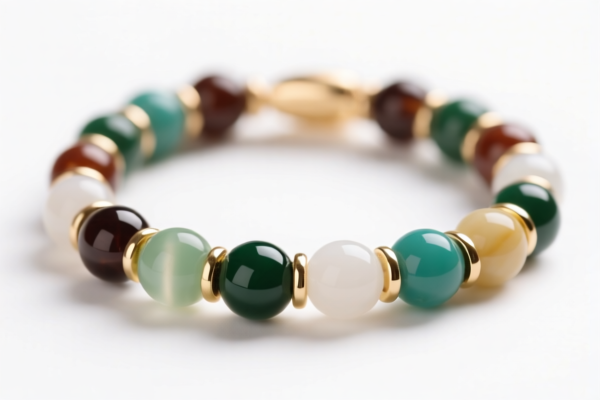
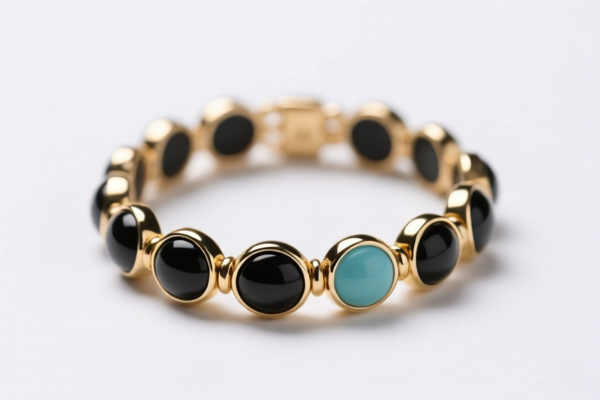
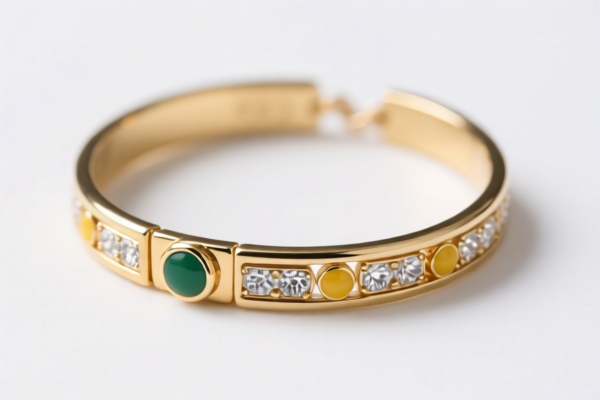
AI Analysis
📿 DIY Bracelets & Tools (Jewelry & Crafting)
🌐 HS Code Reference & Customs Clearance Guide | 2026 Latest Tariff Analysis | Professional Clearance Strategy
📌 I. Product Definition & Classification: What Exactly is a "DIY Bracelet"?
In international trade, "DIY Bracelets" are not a single commodity. They are split into two distinct categories based on function and material composition:
- Finished Jewelry (贱金属珠宝首饰): Metal bracelets intended for wearing as adornment. These fall under Chapter 71 (or sometimes 7113 if precious stones are involved, but here specified as base metal).
- Crafting Tools (手链编制工具): Hand-held devices or instruments used to make the bracelets. These fall under Chapter 84 (Machinery/Tools).
⚠️ Critical Distinction Point:
- If the item is a finished accessory worn on the wrist → It is Jewelry (Ch. 71) or General Metal Articles (Ch. 83).
- If the item is a tool (pliers, crimpers, loops) used by the crafter → It is a Hand Tool (Ch. 84).
- Common Error: Declaring finished metal bracelets as "Accessories" under Ch. 83 to avoid higher jewelry taxes is risky if the item is clearly identifiable as jewelry.
📦 II. HS Code Classification Details (2026 Latest Tariff Authority Alignment)
Based on the provided data, here is the precise breakdown for Base Metal Bracelets and Bracelet-Making Tools:
| HS Code | Product Description | Application Scenario | Tax Rate |
|---|---|---|---|
7113.20.50.00 |
Metal Bracelets (Jewelry): Base metal jewelry accessories | Finished wearable bracelets, fashion jewelry, chains | 22.7% |
8306.29.00.00 |
Metal Bracelets (Decorations): Base metal statues/decorations | Bracelets classified as decorative metal articles (not strictly "jewelry" in legal sense) | 10.0% |
8306.21.00.00 |
Metal Bracelets (Decorations): Base metal ornamental articles | Base metal decorative items, including certain fashion bracelets | 22.0% |
8467.89.50.90 |
Bracelet Making Tools: Non-electric hand-held tools | Manual crimping pliers, wire cutters, loop-makers for DIY | 17.5% |
8467.29.00.90 |
Bracelet Making Tools: Other hand-held tools | General hand tools used in jewelry crafting | 17.5% |
🔍 Key Note:
-7113.20.50.00is the most standard code for base metal jewelry bracelets.
-8306codes apply if the item is deemed "ornamental" rather than "jewelry" (e.g., rigid metal cuffs with no clasp, or purely decorative).
-8467codes apply ONLY to the tools, not the bracelets themselves.
💰 III. 2026 Latest Tariff Rate Breakdown (Including Surcharges)
✅ Applicable Country: United States (US)
✅ Country of Origin: China (CN)
✅ Effective Date: From November 10, 2025 (including subsequent imports)
🎯 1. 7113.20.50.00 —— Base Metal Jewelry Bracelets
| Item | Detail |
|---|---|
| Base Duty | 5.2% (Ad Valorem) |
| Section 301 Surcharge | +7.5% |
| Section 122 Tariff | +10.0% |
| Total Effective Rate | 22.7% |
| Calculation Basis | CIF Value × 22.7% |
| De Minimis Exemption | ❌ Not Eligible (High risk of audit; Section 301/122 typically disqualifies low-value shipments from de minimis relief in this category) |
| Legal Path | USITC:7113.20.50.00 → Section 301: 7.5% → Section 122: 10% |
📌 Explanation:
- This is the standard jewelry classification.
- The 22.7% total includes base duty + 301 tariffs + Section 122.
- Warning: Many sellers try to misdeclare as "accessories" to hit lower codes, but if the item is clearly jewelry (clasp, chain, wearable), Customs will reclassify and penalize.
🎯 2. 8306.29.00.00 —— Base Metal Decorative Bracelets (Statues/Ornaments)
| Item | Detail |
|---|---|
| Base Duty | 0.0% |
| Section 301 Surcharge | 0.0% |
| Section 122 Tariff | +10.0% |
| Total Effective Rate | 10.0% |
| Calculation Basis | CIF Value × 10.0% |
| De Minimis Exemption | ❌ Not Eligible (Due to Section 122) |
| Legal Path | USITC:8306.29.00.00 → Section 122: 10% |
📌 Explanation:
- This code applies if the bracelet is considered a "statue or other ornament" rather than traditional jewelry.
- Lowest Tariff Option for finished metal items (10% vs 22.7%).
- Risk: Must prove the item is decorative/ornamental (e.g., rigid cuff, artistic shape, no traditional jewelry clasp). If it has a lobster clasp and chain, Customs may reject this.
🎯 3. 8306.21.00.00 —— Base Metal Ornamental Articles
| Item | Detail |
|---|---|
| Base Duty | 4.5% |
| Section 301 Surcharge | +7.5% |
| Section 122 Tariff | +10.0% |
| Total Effective Rate | 22.0% |
| Calculation Basis | CIF Value × 22.0% |
| Legal Path | USITC:8306.21.00.00 → Section 301: 7.5% → Section 122: 10% |
📌 Explanation:
- Another "ornamental" classification, but with a higher base duty than8306.29.
- Total rate 22.0% is slightly better than jewelry (22.7%), but still subject to all surcharges.
🎯 4. 8467.89.50.90 & 8467.29.00.90 —— Bracelet Making Tools
| Item | Detail |
|---|---|
| Base Duty | 0.0% |
| Section 301 Surcharge | +7.5% |
| Section 122 Tariff | +10.0% |
| Total Effective Rate | 17.5% |
| Calculation Basis | CIF Value × 17.5% |
| De Minimis Exemption | ❌ Not Eligible |
| Legal Path | USITC:8467.89.50.90 → Section 301: 7.5% → Section 122: 10% |
📌 Explanation:
- Applies to hand tools like crimpers, pliers, cutters used in DIY bracelet making.
- Important: Do NOT declare finished bracelets as "tools" to get 17.5% instead of 22.7%. The value difference may trigger an audit.
- If selling a kit (bracelet + tool), you must split the value and declare each item under its correct HS Code.
🛠️ IV. Customs Clearance Practical Advice (Pitfall Avoidance)
✅ 1. Documentation Checklist (Mandatory)
| Document | Required? | Notes |
|---|---|---|
| ✅ Product Photos | ✔️ | Clear shots of the clasp, chain, and any marks. Shows it's jewelry. |
| ✅ Material Declaration | ✔️ | Specify "Base Metal" (e.g., Zinc Alloy, Stainless Steel, Brass). No "Silver" or "Gold" unless certified. |
| ✅ Function Description | ✔️ | "Wearable Bracelet" vs. "Crimping Tool". |
| ✅ Commercial Invoice | ✔️ | Must match HS Code. Do not use vague terms like "Accessories". |
| ✅ Packing List | ✔️ | Separate tools from finished goods in value. |
✅ 2. Declaration Strategy (Key Mnemonic)
🔥 “Tools are Tools, Jewelry is Jewelry. Don’t Mix ‘Em!”
| Scenario | Correct Declaration | Wrong Declaration | Consequence |
|---|---|---|---|
| Finished Metal Bracelet | 7113.20.50.00 (22.7%) |
8306.29.00.00 (10%) |
Audit Risk: Customs may classify as jewelry if clasp exists → Back taxes + Penalties. |
| Decorative Metal Cuff | 8306.29.00.00 (10%) |
7113.20.50.00 (22.7%) |
Under-declaration: If it’s clearly jewelry, you’ll be penalized. Only use if truly ornamental. |
| Crimping Pliers | 8467.89.50.90 (17.5%) |
8301... (Hardware) |
Incorrect Class: Tools fall under Ch. 84, not hardware. |
| DIY Kit (Bracelet + Tool) | Split: 7113.20.50.00 + 8467.89.50.90 |
Single line item "DIY Kit" | Customs Rejection: Must split value per item type. |
✅ 3. Special Cases
| Situation | Handling Advice |
|---|---|
| Bracelets with Plastic Beads | If base metal is predominant (clasp, chain), still 7113.20.50.00. If beads are main value, consult for 7116... (Imitation Jewelry). |
| "Silver-Toned" Bracelets | Must declare as "Base Metal" (e.g., Zinc Alloy). Do not claim "Sterling Silver" unless certified. False declaration leads to severe penalties. |
| Section 122 Impact | All these codes carry a 10% Section 122 tariff. This is non-negotiable for Chinese origin. No de minimis exemption. |
🌍 V. Global Market Comparison (2026 Latest)
| Country/Region | Recommended HS Code | Base Duty | US Section 301/122 | Total Cost (China Origin) | Notes |
|---|---|---|---|---|---|
| 🇺🇸 USA | 7113.20.50.00 |
5.2% | +17.5% (301+122) | 22.7% | High tax. Be careful with "ornamental" misclassification. |
| 🇺🇸 USA (Tools) | 8467.89.50.90 |
0.0% | +17.5% (301+122) | 17.5% | Lower than jewelry, but only for tools. |
| 🇨🇳 China | 7113.20.50.00 |
5% | 0% | 5% | Low tax. No Section 301/122. |
| 🇪🇺 EU | 7113.20.50.00 |
0%* | 0% | 0-5% | *Depends on EU tariff schedule. Usually low for base metal jewelry. |
📌 Conclusion:
- USA is the most expensive market due to Section 301 (7.5%) and Section 122 (10%).
- Tools (17.5%) are cheaper than Jewelry (22.7%), but you cannot misdeclare one as the other.
- Best Strategy: If selling finished bracelets, expect 22.7% tax. If selling tools, 17.5%.
📌 VI. Common Mistakes & Pitfalls (Lessons Learned)
❌ Mistake 1: Declaring all metal bracelets as 8306.29.00.00 (10%) to save tax.
👉 Risk: If the bracelet has a functional clasp and is worn on the wrist, Customs will reclassify to 7113.20.50.00 (22.7%) and charge back taxes + penalties.
❌ Mistake 2: Packing DIY kits with mixed items and declaring a single HS code.
👉 Risk: Customs will reject the entry or assess penalties for incorrect valuation/classification. Split the invoice value.
❌ Mistake 3: Using "De Minimis" (Under $800) for these items.
👉 Risk: Section 122 tariffs generally block de minimis exemption. Expect duties even on small packages.
✅ Correct Practice:
"Base Metal Fashion Bracelet, Clasp Type: Lobster, Chain Material: Zinc Alloy, Origin: China"
vs.
"Hand-held Crimping Tool, Non-Electric, For Jewelry Making"
🎯 VII. Conclusion: Professional Classification Saves Money!
🎯 Remember:
🔹 Jewelry = 22.7% (
7113.20.50.00)
🔹 Ornamental = 10% (8306.29.00.00) – Only if truly decorative
🔹 Tools = 17.5% (8467.89.50.90)
🔹 Section 122 (10%) applies to ALL for Chinese origin.
📌 Pro Tip:
If your product is borderline (e.g., a rigid metal cuff), consider submitting an Advance Ruling to Customs to confirm if 8306.29.00.00 (10%) is applicable. This can save 12.7% on landed cost.
📣 Take Action Now:
📞 Consult a licensed customs broker for Advance Ruling if unsure.
📦 Ensure your Commercial Invoice precisely describes the item’s function (wearable vs. tool vs. ornament).
🚀 Accurate Classification = Lower Taxes + Faster Clearance!
✨ Customs Compliance Starts with the Right HS Code!
💼 Every Percent Counts in Cross-Border Trade!
Customer Reviews
About HS Code Classification
The Harmonized System (HS) is an internationally standardized nomenclature developed by the World Customs Organization (WCO) to classify traded products. Over 200 countries use the HS system as the basis for customs tariffs, trade statistics, and import/export regulations.
Each HS code follows a hierarchical structure:
- Chapter (2 digits) — Broad category of goods (e.g., Chapter 84: Machinery and Mechanical Appliances)
- Heading (4 digits) — More specific grouping within the chapter
- Subheading (6 digits) — Internationally standardized breakdown, used by all WCO member countries
- National subdivisions (8-10 digits) — Country-specific extensions for further classification, such as US HTSUS 10-digit codes
Correct HS code classification is essential for smooth customs clearance, accurate duty payment, and compliance with trade regulations. Misclassification can lead to customs delays, overpayment of duties, or penalties.
When importing from CN to US, the applicable tariff rates may include:
- Most-Favored-Nation (MFN) rate — The standard duty rate applied to WTO members
- General rate — Applied to countries without trade agreements
- Trade remedy duties — Additional tariffs such as Section 301 (anti-dumping), Section 232 (national security), or countervailing duties
The information provided on this page is for reference purposes only. For official classification, please consult with your local customs authority or a licensed customs broker.