dog training leash
CN → US| HS Code | Tariff Rate | Origin | Destination | Doc |
|---|---|---|---|---|
| 5609001000 | 37.9% | CN | US | Official Doc |
| 4205002000 | 35.0% | CN | US | Official Doc |
| 4201006000 | 37.8% | CN | US | Official Doc |
| 5609003000 | 39.5% | CN | US | Official Doc |
| 4201003000 | 37.4% | CN | US | Official Doc |
Product Images
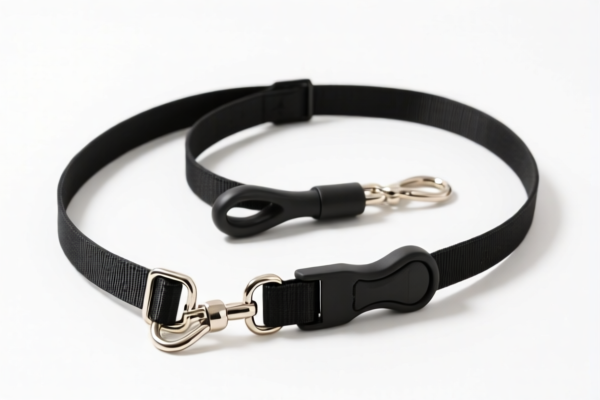
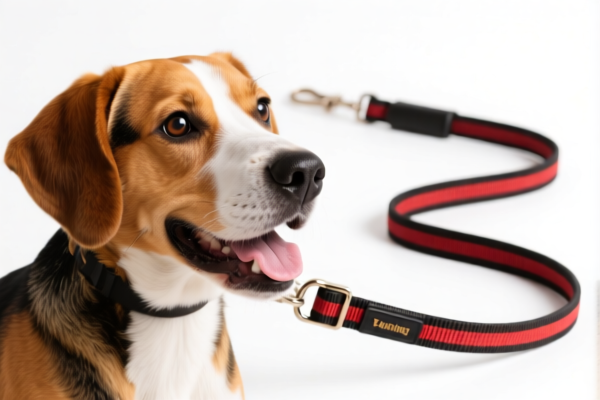
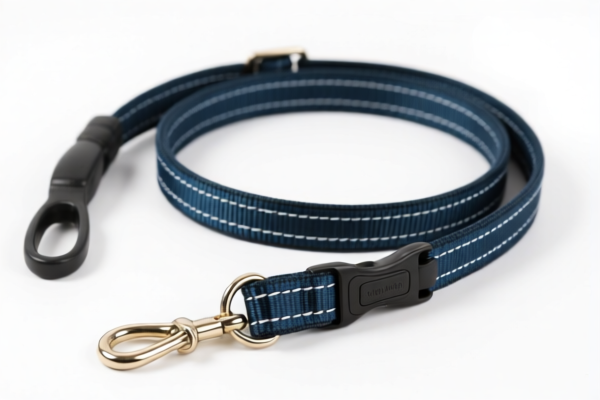
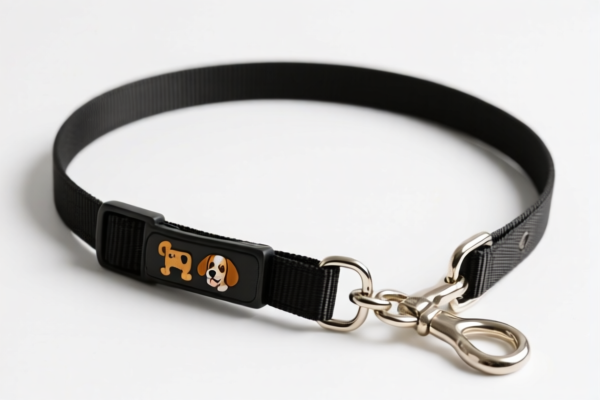
AI Analysis
🐕 Dog Training Leash (牵引绳)
🌐 HS Code Reference & Customs Clearance Guide | 2026 Latest Tariff Analysis | Professional Clearance Strategy
📌 I. Product Definition & Classification: Is It a Rope, Leather, or Accessory?
A "Dog Training Leash" is a functional pet accessory used for controlling and walking dogs. In international trade, its classification depends heavily on material composition and specific intent/design. Unlike generic ropes, these items often fall under specific headings for textile articles, leather accessories, or animal用品.
⚠️ Key Classification Differentiators:
- Material is King: Cotton/Polyester → Textiles (Chapter 56/63); Leather/Synthetic Leather → Leather Articles (Chapter 42); Generic "Straps" → General Articles (Chapter 42).
- Form Factor: Is it a simple cord? A padded handle? A specialized training tool?
- US Trade Restrictions: Most classifications involving Chinese origin are subject to significant Section 301 tariffs and IEEPA surcharges.
📦 II. HS Code Classification Details (2026 Latest Tariff对照)
Based on the provided data, here are the five most likely HS Codes for Dog Training Leashes, ranked by material and functional logic:
| HS Code | Product Description | Key Matching Logic | Material Assumption |
|---|---|---|---|
5609.00.10.00 |
Articles of yarn, strip, or rope of cotton | Shape: Rope/Cord. Material: Cotton or similar fibers. Logic: Matches "rope-like" textile products. |
Cotton / Natural Fiber |
4205.00.20.00 |
Other articles of leather or composition leather | Shape: Strap/Leather Goods. Logic: Leather accessories not elsewhere specified. |
Leather / Faux Leather |
4201.00.60.00 |
Articles of animal material (e.g., for animals) | Use: Specifically for dogs/animals. Logic: "Leash" as an animal accessory. |
Fabric / Leather / Mixed |
5609.00.30.00 |
Articles of yarn, strip, or rope of man-made fibers | Shape: Rope/Cord. Material: Synthetic (Nylon/Polyester). Logic: Matches "rope" made from synthetics. |
Nylon / Polyester |
4201.00.30.00 |
Articles of any material for animals | Use: Explicitly for animals. Logic: Broadest category for animal gear; no material conflict. |
Any Material (Nylon, Leather, etc.) |
🔍 Critical Insight:
- If your leash is plain nylon or cotton rope, it often falls under Chapter 56 (5609.00.10/30).
- If it has padded handles, buckles, or is primarily leather, it may fall under Chapter 42 (4201or4205).
- 4201.00.30.00 is the "safe harbor" for any material animal accessory, often preferred for complex designs.
💰 III. 2026 Latest Tariff Rate Breakdown (Including Additional Taxes)
✅ Applicable Country: United States (US)
✅ Country of Origin: China (CN)
✅ Effective Date: November 10, 2025 onwards
🎯 1. 5609.00.10.00 – Cotton Rope/Strap Articles
| Item | Detail |
|---|---|
| Base Tariff | 2.9% |
| Section 301 Surcharge | +25.0% |
| IEEPA Surcharge (122 Clause) | +10.0% |
| Total Effective Rate | 37.9% |
| Calculation Basis | CIF Value × 37.9% |
| De Minimis Exemption | ❌ Denied (Not eligible for $800 threshold exemption) |
| Legal Pathway | Base:5609.00.10 → Sec301:25% → IEEPA:122:10% |
📌 Explanation:
- The 2.9% base rate applies to cotton articles of rope.
- Section 301 adds 25% for Chinese textiles/ropes.
- IEEPA 122 Clause adds an additional 10%.
- Total Tax: 37.9%. High cost requires precise material declaration.
🎯 2. 4205.00.20.00 – Other Leather Articles
| Item | Detail |
|---|---|
| Base Tariff | 0.0% |
| Section 301 Surcharge | +25.0% |
| IEEPA Surcharge (122 Clause) | +10.0% |
| Total Effective Rate | 35.0% |
| Calculation Basis | CIF Value × 35.0% |
| De Minimis Exemption | ❌ Denied |
| Legal Pathway | Base:4205.00.20 → Sec301:25% → IEEPA:122:10% |
📌 Explanation:
- Leather goods often have 0% base tariff under US HTSUS.
- However, China-origin leather accessories still face the full 35% surcharge.
- Total Tax: 35.0%. Slightly cheaper than cotton ropes due to the 0% base rate.
🎯 3. 4201.00.60.00 – Articles of Animal Material
| Item | Detail |
|---|---|
| Base Tariff | 2.8% |
| Section 301 Surcharge | +25.0% |
| IEEPA Surcharge (122 Clause) | +10.0% |
| Total Effective Rate | 37.8% |
| Calculation Basis | CIF Value × 37.8% |
| De Minimis Exemption | ❌ Denied |
| Legal Pathway | Base:4201.00.60 → Sec301:25% → IEEPA:122:10% |
📌 Explanation:
- This code targets "articles for animals."
- Base rate is 2.8%.
- Total Tax: 37.8%. Very similar to cotton rope, but legally distinct as an "animal accessory."
🎯 4. 5609.00.30.00 – Man-Made Fiber Rope/Strap Articles
| Item | Detail |
|---|---|
| Base Tariff | 4.5% |
| Section 301 Surcharge | +25.0% |
| IEEPA Surcharge (122 Clause) | +10.0% |
| Total Effective Rate | 39.5% |
| Calculation Basis | CIF Value × 39.5% |
| De Minimis Exemption | ❌ Denied |
| Legal Pathway | Base:5609.00.30 → Sec301:25% → IEEPA:122:10% |
📌 Explanation:
- Most dog leashes are Nylon or Polyester (Man-Made Fibers).
- Base rate is higher at 4.5%.
- Total Tax: 39.5%. This is the highest tariff scenario among the options.
- Warning: If your leash is primarily nylon, do NOT declare it as leather to avoid fraud penalties.
🎯 5. 4201.00.30.00 – Articles of Any Material for Animals
| Item | Detail |
|---|---|
| Base Tariff | 2.4% |
| Section 301 Surcharge | +25.0% |
| IEEPA Surcharge (122 Clause) | +10.0% |
| Total Effective Rate | 37.4% |
| Calculation Basis | CIF Value × 37.4% |
| De Minimis Exemption | ❌ Denied |
| Legal Pathway | Base:4201.00.30 → Sec301:25% → IEEPA:122:10% |
📌 Explanation:
- This is the most versatile code: "Any material" for animals.
- Base rate is low (2.4%).
- Total Tax: 37.4%.
- Strategic Advantage: If your leash is a mix of materials (e.g., nylon strap + leather handle), this code is often the most defensible and cost-effective.
🛠️ IV. Customs Clearance Practical Advice (Battle-Tested Guide)
✅ 1. Documentation Checklist (Non-Negotiable)
| Document | Mandatory? | Purpose |
|---|---|---|
| ✅ Product Spec Sheet | ✔️ | Must list exact material composition (e.g., "80% Nylon, 20% Polyester"). |
| ✅ Product Photos | ✔️ | Show handle, buckle, clip, and any padding. Helps prove "animal accessory" vs. "generic rope." |
| ✅ Commercial Invoice | ✔️ | Description must be specific: "Dog Leash, Nylon, 4ft, Pink." Avoid vague terms like "Pet Toy." |
| ✅ Packaging Label | ✔️ | Must match invoice description exactly. |
| ✅ Fiber Content Label | ✔️ | If textile-based, a tag indicating material % is helpful for Chapter 56 classification. |
✅ 2. Declaration Strategy (Key Mnemonics)
🔥 "Material First, Function Second. Be Specific, Don't Guess!"
| Scenario | Recommended HS Code | Why? |
|---|---|---|
| Pure Nylon/Polyester Rope | 5609.00.30.00 (39.5%) |
It’s a rope made of man-made fibers. Hard to argue otherwise. |
| Pure Cotton Rope | 5609.00.10.00 (37.9%) |
It’s a rope made of cotton. |
| Leather Strap (No Buckle) | 4205.00.20.00 (35.0%) |
It’s an article of leather. |
| Mixed Material (Nylon + Buckle) | 4201.00.30.00 (37.4%) |
"Any material for animals" covers the complexity. Best balance. |
| Specialized Training Tool | 4201.00.60.00 (37.8%) |
If it has specific animal-use features (e.g., slip lead, choke chain). |
⚠️ Risk Alert:
- Do NOT misdeclare a Nylon leash as "Leather" (4205) to save 2.1% in tax. CBP will check fiber content.
- Do NOT declare as "General Goods" if it’s clearly for animals. Use 4201 codes to align with customs expectations.
✅ 3. Special Handling Tips
| Situation | Advice |
|---|---|
| De Minimis ($800) Trap | ❌ Do NOT rely on Section 321. Most pet accessories from China are subject to IEEPA/Section 301 and are explicitly excluded from de minimis exemptions. Pay taxes at border! |
| Sample Shipments | Even samples are subject to the same tariffs. No exemption for "samples" if commercial intent exists. |
| Branded Products | Ensure IP rights are clear. CBP may detain counterfeit-looking goods. |
| Packaging | Keep retail packaging intact. If bulk-packed, provide clear assembly instructions to prove final use. |
🌍 V. Global Market Comparison (2026)
| Market | Recommended HS Code | Est. Duty (China Origin) | Notes |
|---|---|---|---|
| 🇺🇸 USA | 4201.00.30.00 |
37.4% | High additional taxes. Pre-clearance vital. |
| 🇪🇺 EU | 6307.90.98 |
~4% | Lower base tariff. No Section 301 equivalent. |
| 🇨🇦 Canada | 6307.90.99 |
~5% | Similar to EU. CUSMA benefits if Canadian-made. |
| 🇬🇧 UK | 6307.90.99 |
~4% | Post-Brexit rules apply. Verify FTAs. |
📌 Conclusion:
- The USA market is significantly more expensive due to trade war tariffs.
- Plan pricing accordingly. A leash costing $5 may arrive at $6.87.
- EU/UK markets remain competitive with standard duties.
📌 VI. Common Errors & Pitfalls (Learn from Mistakes)
❌ Error 1: Declaring "Leash" under Harmonized System Code 6307 (Other Made-Up Articles)
👉 Result: CBP may reclassify to 4201 or 5609, triggering audits and back-taxes.
❌ Error 2: Claiming De Minimis Exemption for a $500 shipment of leashes
👉 Result: Seizure! IEEPA and Section 301 items are excluded from $800 exemption.
❌ Error 3: Using vague descriptions like "Pet Accessory"
👉 Result: Delays. Customs needs Material + Use.
👉 Correct: "Dog Leash, 100% Nylon, 4 Feet, For Pet Training."
❌ Error 4: Ignoring Labeling Requirements
👉 Result: FDA/CBP may flag if material content isn't clear on the product or packaging.
🎯 VII. Final Verdict: Optimize Your Clearance
🎯 Strategic Takeaway:
🔹 "If it's Nylon, expect 39.5%. If it's Leather, expect 35.0%. If it's Mixed/Complex, use 4201.00.30.00 for 37.4%."
🔹 "De Minimis is NOT your friend for Chinese pet goods."
🔹 "Always declare Material Composition clearly."
📌 Pro Tip:
- If you have high-volume shipments, consider Advance Rulings from CBP to lock in the HS Code.
- If shipping to the US, budget for ~37-39% duty in your cost model.
- For EU/UK, you can likely use standard textile codes with lower duties.
📣 Action Plan:
📞 Consult a Customs Broker with pet product experience.
📄 Prepare Material Certificates (fiber content analysis).
🚀 Accurate Declaration = Smooth Clearance = Happy Customers.
✨ Precision in Classification, Profitability in Trade!
💼 Don’t let tariffs chew up your margin!
Customer Reviews
About HS Code Classification
The Harmonized System (HS) is an internationally standardized nomenclature developed by the World Customs Organization (WCO) to classify traded products. Over 200 countries use the HS system as the basis for customs tariffs, trade statistics, and import/export regulations.
Each HS code follows a hierarchical structure:
- Chapter (2 digits) — Broad category of goods (e.g., Chapter 84: Machinery and Mechanical Appliances)
- Heading (4 digits) — More specific grouping within the chapter
- Subheading (6 digits) — Internationally standardized breakdown, used by all WCO member countries
- National subdivisions (8-10 digits) — Country-specific extensions for further classification, such as US HTSUS 10-digit codes
Correct HS code classification is essential for smooth customs clearance, accurate duty payment, and compliance with trade regulations. Misclassification can lead to customs delays, overpayment of duties, or penalties.
When importing from CN to US, the applicable tariff rates may include:
- Most-Favored-Nation (MFN) rate — The standard duty rate applied to WTO members
- General rate — Applied to countries without trade agreements
- Trade remedy duties — Additional tariffs such as Section 301 (anti-dumping), Section 232 (national security), or countervailing duties
The information provided on this page is for reference purposes only. For official classification, please consult with your local customs authority or a licensed customs broker.