door back clothes hanger
CN → US| HS Code | Tariff Rate | Origin | Destination | Doc |
|---|---|---|---|---|
| 7326200020 | 88.9% | CN | US | Official Doc |
| 3926301000 | 24.0% | CN | US | Official Doc |
| 7326908688 | 87.9% | CN | US | Official Doc |
| 9403608093 | 35.0% | CN | US | Official Doc |
| 3926305000 | 22.8% | CN | US | Official Doc |
Product Images
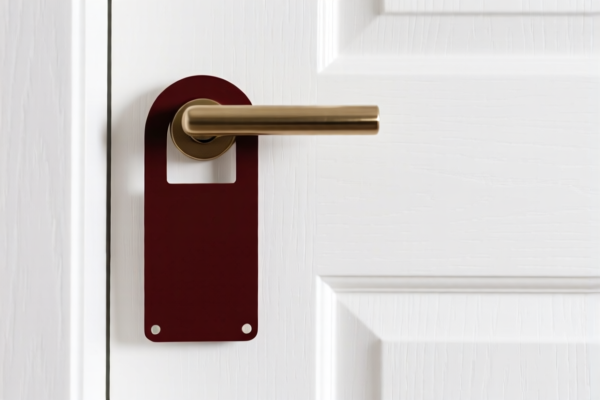
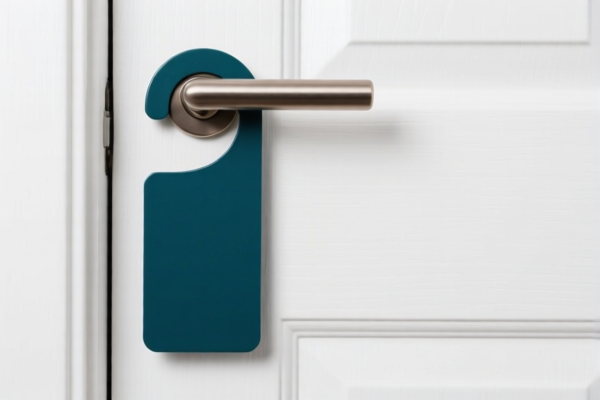
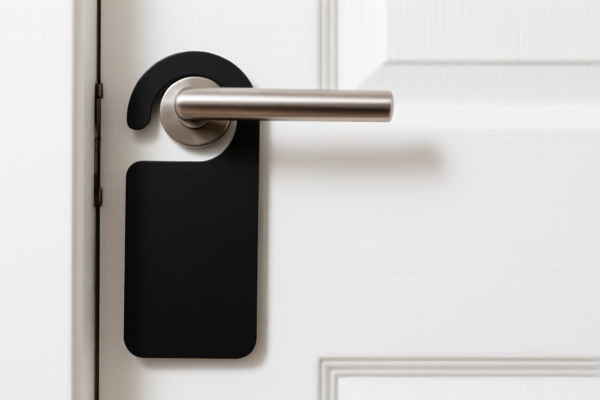
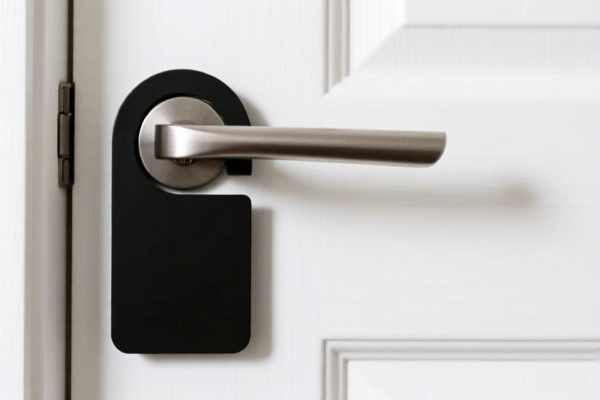
AI Analysis
🚪 Door Back Clothes Hangers (Over-the-Door Hooks)
🌐 HS Code Reference & Customs Clearance Guide | 2026 Latest Tariff Analysis | Professional Clearance Strategy
📌 I. Product Definition & Classification: What Exactly is a "Door Back Clothes Hanger"?
An over-the-door clothes hanger is a storage accessory designed to hang over the top edge of a door, utilizing vertical space for organizing coats, bags, scarves, or towels. In international trade, the classification depends heavily on the material composition and primary function (furniture vs. general metal/plastic article).
Two Main Categories: 1. Furniture/Household Use (Chapter 94): If primarily considered a piece of household furniture or accessory to furniture (often wood or metal with specific ergonomic design). 2. General Articles of Iron/Steel or Plastic (Chapters 73 or 39): If considered a simple hook, rack, or general article of metal/plastic not specifically designated as furniture.
⚠️ Critical Distinction Point:
- Material is Key: Iron/Steel usually triggers higher tariffs due to Section 232/Section 301 measures on steel/aluminum. Plastic often faces lower base rates but still incites Section 301/IEEPA tariffs.
- Function vs. Form: If it’s a simple hook, it might fall under "Articles of Iron" (7326) or "Plastic Articles" (3926). If it’s a complex rack resembling a closet system, it might be "Furniture" (9403).
📦 II. HS Code Classification Details (Based on Provided Data)
| HS Code | Summary / Material Inference | Applicability Scenario | Total Tax Rate |
|---|---|---|---|
7326.20.00.20 |
Iron/Steel Door Hangers | Hooks, racks made of iron or steel; general articles. | 88.9% |
3926.30.10.00 |
Plastic/Metal Mix (Household) | Household utensils,家居用具; form fits furniture/car parts category. | 24.0% |
7326.90.86.88 |
Other Iron/Steel Articles | Other articles of iron or steel; simple hooks/racks. | 87.9% |
9403.60.80.93 |
Furniture Type (Wood/Metal) | Over-the-door racks classified as "Other furniture"; hanging rack for household use. | 35.0% |
3926.30.50.00 |
Plastic Connectors/Fittings | Plastic household items; interpreted as connectors or household plastic articles. | 22.8% |
🔍 Key Insight:
- Steel/Iron items (7326.xx) face extreme tariffs (~88%) due to the combination of base duties + Section 301 + Section 122 Steel/Aluminum Tariffs (50%).
- Plastic (3926.xx) and Furniture (9403.xx) items are significantly cheaper (22.8% – 35%), making them strategically preferable for cost optimization if material allows.
- Note: All rates above include US Base Tariffs, Section 301 Tariffs, and IEEPA (Section 122/301) surcharges for Chinese-origin goods.
💰 III. 2026 Latest Tariff Rate Breakdown (Detailed Policy Analysis)
✅ Destination: United States (US)
✅ Origin: China (CN)
✅ Applicable Time: 2025-2026 (Current Enforcement)
🎯 1. High-Tariff Category: Iron/Steel Hangers
A. 7326.20.00.20 – Other articles of iron or steel
| Item | Detail |
|---|---|
| Base Tariff | 3.9% |
| Section 301 Tariff | +25.0% |
| Section 122 Tariff (Steel/Aluminum) | +50.0% (Specific to steel articles) |
| Total Effective Rate | 88.9% |
| Calculation Basis | CIF Value × 88.9% |
| De Minimis Exemption? | ❌ NO (Denied due to high tariff rates) |
| Legal Path | IEEPA:9903.01.25 → USITC:7326.20.00.20 → FOOTNOTE:Section 122 |
📌 Explanation:
The 50% Section 122 tariff is the killer. This applies to "Steel and Aluminum Articles" imported from China. Since this HS code infers "Iron or Steel," it attracts this punitive surcharge on top of the standard 3.9% + 25%.
Result: Nearly 90% tax burden. Avoid if possible.
B. 7326.90.86.88 – Other articles of iron or steel
| Item | Detail |
|---|---|
| Base Tariff | 2.9% |
| Section 301 Tariff | +25.0% |
| Section 122 Tariff (Steel/Aluminum) | +50.0% |
| Total Effective Rate | 87.9% |
| De Minimis Exemption? | ❌ NO |
| Legal Path | Similar to above |
📌 Note: Slightly lower base rate (2.9% vs 3.9%) results in 87.9% total, but still prohibitively expensive.
🎯 2. Low-Tariff Category: Plastic & Furniture Types
A. 3926.30.10.00 – Other household articles of plastic
| Item | Detail |
|---|---|
| Base Tariff | 6.5% |
| Section 301 Tariff | +7.5% |
| Section 122 Tariff | 0% (Not classified as steel/aluminum under this specific subheading) |
| Total Effective Rate | 24.0% |
| De Minimis Exemption? | ❌ NO (Still high due to combined rates) |
| Legal Path | IEEPA:9903.01.24 → USITC:3926.30.10.00 |
📌 Explanation:
Plastic articles do not attract the 50% Section 122 steel tariff. The total rate is much lower at 24.0%. This is a strategic alternative if the hanger is plastic or primarily plastic.
B. 3926.30.50.00 – Other plastic articles (Connectors/Household)
| Item | Detail |
|---|---|
| Base Tariff | 5.3% |
| Section 301 Tariff | +7.5% |
| Total Effective Rate | 22.8% |
| De Minimis Exemption? | ❌ NO |
📌 Explanation:
Slightly lower base rate (5.3%) makes this the lowest cost option for plastic goods at 22.8%. Suitable if the item is seen as a "plastic fitting" or general household plastic item.
C. 9403.60.80.93 – Other furniture (Wood/Metal)
| Item | Detail |
|---|---|
| Base Tariff | 0.0% |
| Section 301 Tariff | +25.0% |
| Section 122 Tariff | 0% (Furniture is not steel article under Section 122) |
| Total Effective Rate | 35.0% |
| De Minimis Exemption? | ❌ NO |
📌 Explanation:
If the hanger is deemed furniture (e.g., a complex closet organizer), the base tariff is 0%. Only the 25% Section 301 applies.
Total: 35.0%. This is a competitive option for metal hangers if they can be justified as "furniture" rather than "general metal articles."
Risk: Customs may reclassify as7326(88.9%) if it looks like a simple hook.
🛠️ IV. Customs Clearance Practical Advice (Real-World Pitfall Avoidance)
✅ 1. Material & Product Description Strategy
| Strategy | Action | Impact on Tariff |
|---|---|---|
| Avoid "Iron/Steel" Explicitly | If made of metal, consider if it can be classified as Furniture (9403) rather than General Metal Article (7326). |
Saves ~53% (35% vs 88.9%) |
| Use Plastic Components | If possible, shift design to Plastic (3926) hooks/racks. |
Saves ~65% (22.8% vs 88.9%) |
| Precise Naming | Do NOT use generic terms like "Iron Hook." Use: - "Over-the-Door Closet Organizer" (for 9403) - "Household Plastic Storage Rack" (for 3926) |
Prevents reclassification to high-tax 7326 |
✅ 2. Documentation Requirements
| Document | Requirement | Reason |
|---|---|---|
| Product Composition Statement | Detail the % of Plastic, Wood, Metal. | Proves if it qualifies for 3926 (Plastic) or 9403 (Furniture). |
| Photos of Finished Product | Show the entire unit, including packaging. | Customs needs to see if it’s a "simple hook" (7326) or "furniture" (9403). |
| Commercial Invoice | Clearly state: - HS Code - Material - "Made in China" |
Mismatch leads to delays and audits. |
| Material Safety Data Sheet (MSDS) | If plastic, provide resin type. | Supports 3926 classification. |
✅ 3. Clearance Tips (Golden Rules)
🔥 “Don’t Call it Steel, Call it Furniture or Plastic!”
| Scenario | Wrong Classification | Right Classification | Tax Difference |
|---|---|---|---|
| Metal Hanger with Plastic Hooks | 7326.90.86.88 |
9403.60.80.93 (if complex) or 3926.30.10.00 (if plastic dominant) |
Save ~54-66% |
| Simple Iron Hook | 7326.20.00.20 |
N/A (Still high) | No Avoidance |
| Plastic Hook | 3926.30.50.00 |
3926.30.50.00 |
Lowest Rate (22.8%) |
⚠️ Warning:
- Section 122 (50%) only applies to specific Steel and Aluminum articles. If your product is Plastic or Wood, you are safe from this 50% surcharge.
- Furniture (9403) is not subject to Section 122. Therefore, classifying a metal hanger as "Furniture" instead of "Other Metal Articles" is the key to saving over 50% in tariffs.
🌍 V. Global Market Comparison (2026)
| Destination | Recommended HS Code | Est. Total Tax (China Origin) | Key Requirement |
|---|---|---|---|
| 🇺🇸 USA | 9403.60.80.93 or 3926.30.10.00 |
35.0% or 24.0% | Avoid 7326 (88.9%) |
| 🇨🇳 China | Varies | 5-10% | Standard Import Tax |
| 🇪🇺 EU | 8302.41 or 9403.60 |
0-2.7% | CE Marking (if plastic) |
| 🇬🇧 UK | 8302.41 |
0-2.5% | UKCA Marking |
📌 Conclusion for US Market:
- Plastic (3926) is the cheapest option at 22.8%.
- Furniture (9403) is the next best for metal items at 35.0%.
- General Metal Articles (7326) are prohibitively expensive at ~88% due to Section 122.
📌 VI. Common Errors & Pitfalls (Lessons Learned)
❌ Error 1: Calling a metal hook "Steel Hook" in the invoice.
👉 Result: Customs automatically applies 7326 + Section 122 (50%) → 88.9% tax.
❌ Error 2: Using "Clothes Hanger" (generic) without specifying material.
👉 Result: Customs may default to highest duty rate or delay for inspection.
❌ Error 3: Assuming all plastic items are cheap.
👉 Result: Plastic still has 25% Section 301, so 24-25% total, not 0%.
✅ Correct Approach:
"Over-the-Door Plastic Storage Rack for Household Use, Material: PP Plastic, Model: XYZ, HS Code: 3926.30.50.00"
🎯 VII. Final Recommendation: Cost Optimization Strategy
🎯 Action Plan:
1. Redesign: If currently all-metal, add plastic components or switch to plastic entirely to use 3926 (22.8%).
2. Reclassify: If metal is unavoidable, argue for Furniture (9403) classification by emphasizing its use as a "closet organizer" or "storage furniture" rather than a simple hook. Target 35.0% tax.
3. Avoid: Never use 7326 codes for simple hooks unless no other option exists. The 50% Section 122 tariff will destroy margins.
📣 Immediate Action:
📞 Consult a customs broker to pre-classify your specific product design.
📦 Update product descriptions on invoices to reflect Material and Function accurately.
🚀 Choose3926(Plastic) or9403(Furniture) to save up to 66% in tariffs!
✨ Smart Classification = Lower Costs = Higher Profit!
💼 Don’t let Section 122 eat your margins!
Customer Reviews
About HS Code Classification
The Harmonized System (HS) is an internationally standardized nomenclature developed by the World Customs Organization (WCO) to classify traded products. Over 200 countries use the HS system as the basis for customs tariffs, trade statistics, and import/export regulations.
Each HS code follows a hierarchical structure:
- Chapter (2 digits) — Broad category of goods (e.g., Chapter 84: Machinery and Mechanical Appliances)
- Heading (4 digits) — More specific grouping within the chapter
- Subheading (6 digits) — Internationally standardized breakdown, used by all WCO member countries
- National subdivisions (8-10 digits) — Country-specific extensions for further classification, such as US HTSUS 10-digit codes
Correct HS code classification is essential for smooth customs clearance, accurate duty payment, and compliance with trade regulations. Misclassification can lead to customs delays, overpayment of duties, or penalties.
When importing from CN to US, the applicable tariff rates may include:
- Most-Favored-Nation (MFN) rate — The standard duty rate applied to WTO members
- General rate — Applied to countries without trade agreements
- Trade remedy duties — Additional tariffs such as Section 301 (anti-dumping), Section 232 (national security), or countervailing duties
The information provided on this page is for reference purposes only. For official classification, please consult with your local customs authority or a licensed customs broker.