door clip
CN → US| HS Code | Tariff Rate | Origin | Destination | Doc |
|---|---|---|---|---|
| 7326908630 | 87.9% | CN | US | Official Doc |
| 8205595560 | 40.3% | CN | US | Official Doc |
| 8205594500 | 40.3% | CN | US | Official Doc |
| 7326908688 | 87.9% | CN | US | Official Doc |
| 3926906520 | 14.2% | CN | US | Official Doc |
| 3926906550 | 14.2% | CN | US | Official Doc |
Product Images
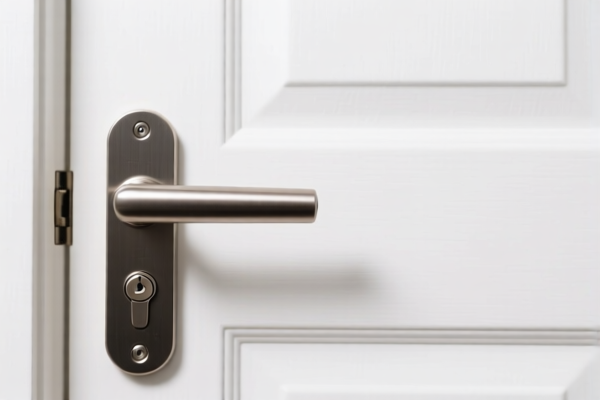
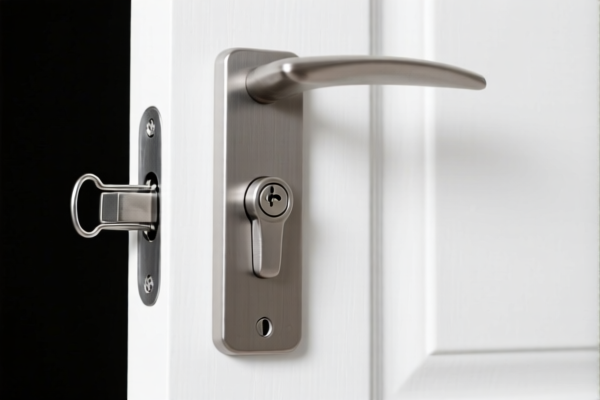
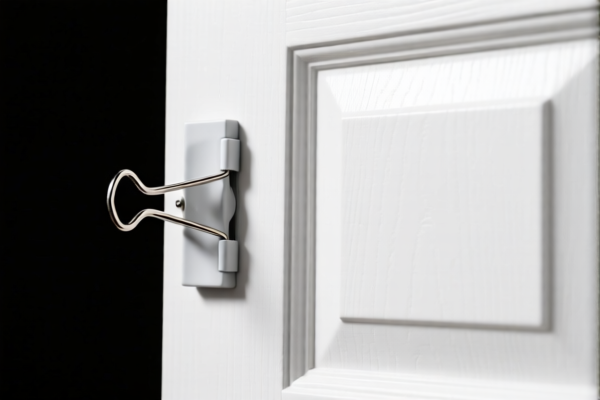
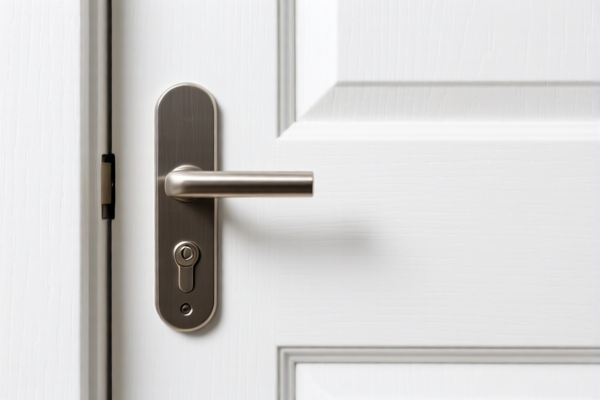
AI Analysis
🚪 Door Clip (Door Fixtures / Clamps / Brackets)
🌐 HS Code Reference & Clearance Guide | 2026 Latest Tariff Analysis | Professional Clearance Strategy
📌 I. Product Definition & Classification: Do You Really Understand "Door Clip"?
The term "Door Clip" is ambiguous in international trade. It generally refers to small hardware items used to hold, fix, or support doors, frames, or related structures. Depending on the material (metal vs. plastic) and function (structural support vs. simple tool/fitting), the HS Code classification varies significantly, leading to drastically different tax liabilities.
In the provided , we see two main categories: 1. Metal Hardware/Fixtures: Classified under Chapter 73 (Articles of Iron or Steel) or potentially Chapter 82 (if considered hand tools/parts), attracting very high tariffs. 2. Plastic Fixtures: Classified under Chapter 39 (Articles of Plastics), attracting moderate tariffs.
⚠️ Critical Distinction Point:
- If the clip is Metal and serves a structural/support purpose (e.g., door stopper, hinge bracket, heavy-duty clip) → Likely 7326.90 → High Tax (~87.9%).
- If the clip is Plastic → Likely 3926.90 → Moderate Tax (~14.2%).
- If the clip is Metal but classified as a Hand Tool Part (rare for standard clips, but possible if it's a specialized tightening tool) → 8205.59 → High Tax (~40.3%).
📦 II. HS Code Classification Details (Based on )
| HS Code | Product Description (Inferred from Data) | Material | Functional Logic |
|---|---|---|---|
| 7326.90.86.30 | Other articles of iron or steel; support/fixing devices | Iron/Steel | Inferred as a support or fixing device. Fits the logic of structural supports. |
| 7326.90.86.88 | Other articles of iron or steel; non-specific metal items | Iron/Steel | Inferred as non-specific iron/steel articles. Broad category for unlisted metal goods. |
| 8205.59.55.60 | Other hand tools and parts; metal accessories | Metal | Classified as hand tools/hardware accessories. Logic aligns with "other hand tools and parts." |
| 8205.59.45.00 | Hand tool parts/accessories | Metal | Inferred as building/furniture accessory. Logic aligns with parts/components consistent with hand tools. |
| 3926.90.65.20 | Other articles of plastics; functional fixtures | Plastic | Inferred as a functional fixture (clamping/holding). Fits "other plastic articles." |
| 3926.90.65.50 | Other articles of plastics; clamping fixtures | Plastic | Material inferred as plastic, form fits clamping/fixing usage. |
🔍 Key Insight:
- The Metal options (7326, 8205) carry significantly higher taxes due to additional duties.
- The Plastic options (3926) have lower base taxes and no additional "Section 232" steel/aluminum duties.
- Do not misdeclare plastic as metal to avoid fraud risks, but do not misdeclare metal as plastic to avoid severe penalties.
💰 III. 2026 Latest Tariff Rate Breakdown (Detailed Tax Clauses)
✅ Applicable Country: United States (US)
✅ Origin: China (CN) (Implied by the high total tax rates and specific clause mentions)
✅ Effective Time: Current (2025-2026)
🎯 1. 7326.90.86.30 & 7326.90.86.88 —— Metal Support/Fixing Devices (Highest Risk)
| Item | Detail |
|---|---|
| Base Tariff | 2.9% (General Rate) |
| Section 301 Tariff | +25.0% (Additional Duty) |
| Section 232 Tariff | +50.0% (Iron/Aluminum/Steel Specific Surcharge) |
| Total Tax Rate | 87.9% |
| Tax Calculation | CIF Value × 87.9% |
| De Minimis Exemption | ❌ NOT Available |
📌 Explanation:
- The 87.9% total tax is devastating. It combines the base duty (2.9%), the Section 301 tariff (25%), and the aggressive Section 232 steel/aluminum surcharge (50%).
- Note: The "122 Clause Tariff 10%" mentioned in the data seems to be part of the calculation logic leading to the 50% steel surcharge or a separate component, but the final effective rate is 87.9%.
- Action: If your door clip is metal, consider plastic alternatives or supply chain diversification to avoid this cost.
🎯 2. 8205.59.55.60 & 8205.59.45.00 —— Hand Tools / Hardware Parts (High Risk)
| Item | Detail |
|---|---|
| Base Tariff | 5.3% |
| Section 301 Tariff | +25.0% |
| Total Tax Rate | 40.3% |
| Tax Calculation | CIF Value × 40.3% |
| De Minimis Exemption | ❌ NOT Available |
📌 Explanation:
- These codes fall under Chapter 82 (Tools, Implements, Cutlery).
- They attract the Section 301 tariff (25%) but do NOT seem to attract the Section 232 steel/aluminum surcharge in this specific breakdown (or it's already factored differently).
- Risk: If the item is actually a "structural clip" and not a "tool part," customs may reclassify it to 7326, spiking the tax to 87.9%.
- Justification: You must prove it is a part of a hand tool or a hand tool accessory to use this code.
🎯 3. 3926.90.65.20 & 3926.90.65.50 —— Plastic Fixtures (Lowest Risk)
| Item | Detail |
|---|---|
| Base Tariff | 4.2% |
| Section 301 Tariff | 0.0% (Note: Data shows 0.0%, likely excluded or lower tier) |
| Total Tax Rate | 14.2% |
| Tax Calculation | CIF Value × 14.2% |
| De Minimis Exemption | ❌ NOT Available (Based on data pattern, though some plastic de minimis may apply, data implies taxation) |
📌 Explanation:
- 14.2% is the most competitive rate among the options.
- No Section 232 Steel/Aluminum Duty applies to plastics.
- No Section 301 Additional Duty (or it is 0%) in this specific data point, making it significantly cheaper than metal.
- Strategy: If functionally permissible, plastic door clips are the most cost-effective clearance route.
🛠️ IV. Clearance Practical Advice (Avoid Pitfalls)
✅ 1. Preparation Checklist (Non-negotiable)
| Document | Required | Description |
|---|---|---|
| Product Specifications | ✔️ | Must specify Material (Plastic vs. Metal), Function (Clamp, Stop, Bracket), and Dimensions. |
| Material Certificate | ✔️ | Crucial for distinguishing between 7326 (Metal) and 3926 (Plastic). |
| Product Photos | ✔️ | Clear shots of the item, including any branding or model numbers. |
| Commercial Invoice | ✔️ | Must accurately describe the item. Avoid vague terms like "Clip." Use "Plastic Door Stopper" or "Steel Door Hinge Bracket." |
| Packing List | ✔️ | Detail weight and quantity to verify CIF value. |
✅ 2. Declaration Tips (Key Mnemonics)
🔥 "Material is King: Metal pays 88, Plastic pays 14!"
| Scenario | Correct Declaration | Incorrect Declaration | Consequence |
|---|---|---|---|
| Plastic Clip | "Plastic Door Fixture, Model XYZ" | "Metal Hardware" | Overpayment of ~73% tax. |
| Steel Clip | "Steel Door Support Bracket" | "Plastic Accessory" | Fraud/Seizure + Penalty. |
| Tool Part | "Part of Hand Tool Assembly" | "General Hardware" | Misclassification risk. |
✅ 3. Special Case Handling
| Situation | Advice |
|---|---|
| Mixed Material (e.g., Plastic housing, Metal pin) | Declare based on essential character or value. Often, if metal is >50% by value, it may still trigger steel duties. Consult a customs broker. |
| OEM Custom Clips | Provide design drawings to prove if it's a "tool part" (Chapter 82) or a "general article" (Chapter 73/39). |
| High-Value Metal Clips | Consider Section 232 Exclusions if applicable (check if your specific product type is excluded from the 50% surcharge). |
🌍 V. Global Market Comparison (2026)
| Market | Recommended HS Code | Est. Tax Rate | Key Requirement |
|---|---|---|---|
| 🇺🇸 USA | 3926.90.65.20 (Plastic) / 7326.90 (Metal) |
14.2% (Plastic) 87.9% (Metal) |
Strict Section 232/301 enforcement. |
| 🇪🇺 EU | 8302.49 (Base Metal Fittings) / 3926.90 (Plastic) |
Varies (1-5%) | CE Marking (if electrical), REACH (chemicals). |
| 🇨🇳 China | 7326.90 / 3926.90 |
5-13% | CCC Certification (if applicable). |
📌 Conclusion:
- The USA is the most expensive market for metal door clips due to the 50% Section 232 surcharge.
- Plastic alternatives offer a 73.7% tax savings compared to metal equivalents in the US.
📌 VI. Common Errors & Pitfalls (Lessons Learned)
❌ Error 1: Declaring a Steel Door Clip as Plastic to avoid taxes.
👉 Consequence: Customs inspection reveals metal → Seizure, heavy fines, and loss of import privileges.
❌ Error 2: Declaring a General Metal Bracket as a Hand Tool Part (8205) to avoid the 50% steel surcharge.
👉 Consequence: Customs reclassifies as 7326 → Back taxes + Penalties (Difference: 40.3% vs 87.9%).
❌ Error 3: Vague Description "Door Clip" on Invoice.
👉 Consequence: Customs request for information (RFI) → Delays in clearance.
✅ Correct Approach:
"Plastic Door Stopper, Model XYZ, Material: ABS Plastic, Used for: Residential Door Holding."
OR
"Steel Door Hinge Bracket, Model ABC, Material: Stainless Steel, Used for: Structural Support."
🎯 VII. Conclusion: Professional Declaration Saves Money
🎯 Remember the Golden Rule:
🔹 "Plastic clips are cheap to import (14.2%). Steel clips are expensive (87.9%).
🔹 "If it's metal, expect the 50% Steel Surcharge. If it's plastic, save big!"
📌 Pro Tip:
If you must import metal door clips, check if your specific product type is eligible for a Section 232 Exclusion. If not, consider sourcing from non-China countries or switching to plastic materials where functionally possible to reduce landed cost by ~73%.
📣 Immediate Action:
📞 Contact a licensed customs broker with your material specification sheet.
🚀 Pre-classify your goods to avoid surprise taxes at the border.
✨ Professional Clearance, Start with Accurate Classification!
💼 Your Profit Margin Depends on Your HS Code!
Customer Reviews
About HS Code Classification
The Harmonized System (HS) is an internationally standardized nomenclature developed by the World Customs Organization (WCO) to classify traded products. Over 200 countries use the HS system as the basis for customs tariffs, trade statistics, and import/export regulations.
Each HS code follows a hierarchical structure:
- Chapter (2 digits) — Broad category of goods (e.g., Chapter 84: Machinery and Mechanical Appliances)
- Heading (4 digits) — More specific grouping within the chapter
- Subheading (6 digits) — Internationally standardized breakdown, used by all WCO member countries
- National subdivisions (8-10 digits) — Country-specific extensions for further classification, such as US HTSUS 10-digit codes
Correct HS code classification is essential for smooth customs clearance, accurate duty payment, and compliance with trade regulations. Misclassification can lead to customs delays, overpayment of duties, or penalties.
When importing from CN to US, the applicable tariff rates may include:
- Most-Favored-Nation (MFN) rate — The standard duty rate applied to WTO members
- General rate — Applied to countries without trade agreements
- Trade remedy duties — Additional tariffs such as Section 301 (anti-dumping), Section 232 (national security), or countervailing duties
The information provided on this page is for reference purposes only. For official classification, please consult with your local customs authority or a licensed customs broker.