door hanger
CN → US| HS Code | Tariff Rate | Origin | Destination | Doc |
|---|---|---|---|---|
| 3926301000 | 24.0% | CN | US | Official Doc |
| 8302500000 | 85.0% | CN | US | Official Doc |
| 8302419080 | 38.5% | CN | US | Official Doc |
| 7326908688 | 87.9% | CN | US | Official Doc |
| 3926902500 | 24.0% | CN | US | Official Doc |
Product Images
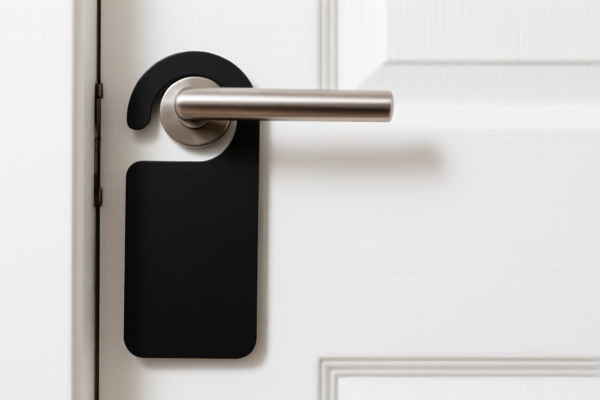
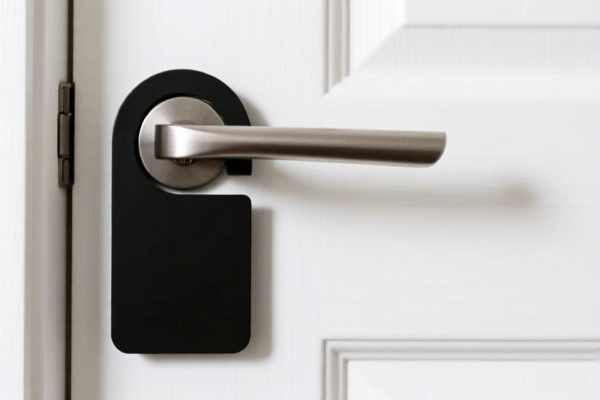


AI Analysis
🚪 Door Hanger: The Ultimate Classification & Tariff Guide (2026)
🌐 HS Code Reference & Clearance Strategy | 2026 Tariff Breakdown | Professional Logistics Protocol
📌 I. Product Definition: What is a "Door Hanger"?
In the context of international trade, a Door Hanger is a versatile hardware accessory used for suspension, fixing, or functional support. Unlike the retail marketing term "door hanger" (the paper flyer), this guide focuses on the hardware component found in furniture, vehicles, or architectural fittings.
Core Characteristics: * Function: Acts as a handle, hook, knob, or support bracket for doors/cabinets. * Material: Predominantly Plastic (Consumer goods) or Base Metals (Iron/Steel, Brass, Aluminum, Copper). * Classification Logic: The HS Code is strictly determined by the material and the specific application (Furniture vs. General Base Metal Fixings).
⚠️ Critical Distinction: * Plastic Hooks/Handles: Fall under Chapter 39 (Plastics). * Metal Hooks/Bases: Fall under Chapter 73 (Iron/Steel) or Chapter 83 (Base Metal Articles). * The following analysis covers the 5 most probable HS Codes based on global customs logic.
📦 II. HS Code Classification Details (2026 Authorized Tariff Schedule)
| HS Code | Product Description | Material Assumption | Application Logic |
|---|---|---|---|
| 3926.30.10.00 | Plastic Accessories | Plastic | Matches "furniture/car body accessories" with hook/knob function. Fits the "catch-all" plastic logic. |
| 8302.50.00.00 | Base Metal Supports | Metal (Steel/Alu/Cu) | Fits "supports & similar fixtures". High tax due to specific metal surcharges. |
| 8302.41.90.80 | Metal Door Fittings | Metal (Iron/Steel) | Fits "suitable for doors". No material conflict; high probability for standard metal door hooks. |
| 7326.90.86.88 | Other Iron/Steel Works | Iron/Steel | Fits "other articles of iron/steel". Catch-all for steel hooks without specific fitment description. |
| 3926.90.25.00 | Other Plastic Articles | Plastic | Fits "other plastic articles not elsewhere specified". If the specific plastic hook code fails, this is the fallback. |
🔍 Key Insight:
Plastic vs. Metal is the Pivot: If your door hanger is plastic, aim for 3926 series (Low base tax, ~24% total). * If Metal: You face 38.5% to 87.9%* depending on the specific sub-category and "122 Clause" surcharges.
💰 III. 2026 Tariff Rate Deep Dive (Including Surcharges & Policy Add-ons)
✅ Scope: US/Global Trade Context (China Origin Context based on provided data)
✅ Product: Door Hanger (Hardware)
✅ Effective Period: 2026 (Current Data Projection)
🎯 1. 3926.30.10.00 & 3926.90.25.00 — Plastic Door Hangers
(Lowest Risk Category)
| Item | Details |
|---|---|
| Base Tariff | 6.5% (Standard WTO rate for plastics) |
| Trade War Surcharges | +7.5% (Section 301/Global Add-on) |
| 122 Clause Tariff | +10.0% (Specific policy add-on) |
| TOTAL RATE | 24.0% |
| Tax Logic | Calculated as: CIF Value × 24% |
| Legal Path | Chapter 39 (Plastics) → Subheading 3926 (Misc) → Footnote 122 |
📌 Explanation:
These are the most cost-effective classifications. The "122 Clause" adds a fixed 10%, but the base is low. Ideal for consumer-grade plastic hooks, knobs, and handles.
🎯 2. 8302.41.90.80 — Metal Door Fittings (Iron/Steel)
(Standard Metal Category)
| Item | Details |
|---|---|
| Base Tariff | 3.5% (Very low base for metal fittings) |
| Trade War Surcharges | +25.0% (High Section 301 surcharge) |
| 122 Clause Tariff | +10.0% |
| TOTAL RATE | 38.5% |
| Tax Logic | Calculated as: CIF Value × 38.5% |
| Legal Path | Chapter 83 (Base Metals) → 8302 (Fittings) → 8302.41 (Doors) |
📌 Explanation:
While the base tax is low, the +25% surcharge makes this significantly more expensive than plastic. Used for standard metal door hooks, brackets, or handles.
🎯 3. 8302.50.00.00 & 7326.90.86.88 — Heavy Duty Metal Supports
(Highest Risk Category)
| Item | Details |
|---|---|
| Base Tariff | 0.0% - 2.9% (Negligible base) |
| Trade War Surcharges | +25.0% |
| 122 Clause Tariff | +10.0% |
| Steel/Alu/Cu Add-on | +50.0% (Critical!) |
| TOTAL RATE | 85.0% - 87.9% |
| Tax Logic | Calculated as: CIF Value × (Base + 25% + 10% + 50% for specific metals) |
| Legal Path | Chapter 83/73 → Supports/Other Articles → Triggered Steel/Alu/Cu Surcharge |
📌 Explanation:
🚨 DANGER ZONE: If the door hanger is made of Steel, Aluminum, or Copper and classified under "Supports" or "Other Iron/Steel," it triggers a 50% surcharge in addition to the standard 35% (25+10).
Total tax can exceed 85%.
🛠️ IV. Clearance Practical Advice (Avoiding Pitfalls)
✅ 1. Material Verification Strategy (Crucial Step)
Before declaring, you MUST confirm the exact material composition. * Plastic? Declare under 3926. Total Tax: 24%. * Metal (Steel/Alu/Cu)? Be aware of the 50% surcharge if declared under "Supports" (8302.50) or "Other" (7326). * Metal (Generic Door Fitting)? Try to justify 8302.41 (Door fittings) to avoid the 50% metal surcharge, reducing tax to 38.5%.
✅ 2. Declaration Language & Keywords
- Recommended: "Plastic Door Hook/Handle" or "Metal Door Fitting (Iron)."
- Avoid: Generic terms like "Hardware" or "Fixing" without material specification.
- Critical: Clearly state "Material: Plastic" or "Material: Steel" in the commercial invoice and packing list to prevent Customs from re-classifying as the higher tax bracket.
✅ 3. Special Handling for "Steel/Alu/Cu" Products
If your product contains Steel, Aluminum, or Copper: * Scenario: You are importing "Door Hangers." * Risk: Customs may classify them as "Supports" (8302.50) triggering the +50% surcharge. * Strategy: Argue for 8302.41 ("Fittings for doors") which has a lower total rate (38.5% vs 85%). Ensure the product is clearly designed for doors, not general construction support.
📊 V. Comparison Summary: Plastic vs. Metal
| Feature | Plastic Door Hanger | Metal Door Hanger (Fitting) | Metal Door Hanger (Support) |
|---|---|---|---|
| HS Code | 3926.30.10.00 |
8302.41.90.80 |
8302.50.00.00 |
| Base Tax | 6.5% | 3.5% | 0.0% |
| Section 301 | +7.5% | +25.0% | +25.0% |
| 122 Clause | +10.0% | +10.0% | +10.0% |
| Metal Surcharge | N/A | N/A | +50.0% (If Steel/Alu/Cu) |
| TOTAL TAX | 24.0% | 38.5% | 85.0% - 87.9% |
| Recommendation | ✅ Optimal | ⚠️ Moderate | 🚫 Avoid if possible |
📌 VI. Common Mistakes & Pitfalls (Lessons Learned)
❌ Mistake 1: Vague Material Declaration
Action: Declaring "Hardware" without specifying "Plastic" or "Steel."
Consequence: Customs defaults to the highest risk classification (8302.50 with 50% surcharge). Tax jumps from 24% → 85%.
❌ Mistake 2: Misclassifying Door Fittings as Supports
Action: Classifying a door hook under "General Supports."
Consequence: Triggers the 50% metal surcharge unnecessarily.
Fix: Ensure the description emphasizes "For Doors"* to qualify for 8302.41.
❌ Mistake 3: Ignoring the "122 Clause"
Action: Only calculating base tariff.
Consequence: Underestimating costs by 10-50%. Always include the 10% add-on in your CIF calculation.
🎯 VII. Conclusion: Strategic Clearance Tips
🔹 "Material is King!"
If it's Plastic, you pay 24%.
If it's Metal, you pay 38.5% (if Door Fitting) or 85%+ (if Support).🔹 "Be Specific on Function"
Use the term "Door Fitting" to argue for8302.41. Avoid "Support/Bracket" unless necessary.🔹 "Calculate the 50% Trap"
If your product contains Steel, Aluminum, or Copper, be extremely cautious. The 50% surcharge can destroy your profit margin. Consider plastic alternatives or pre-cut metal classification strategies.
📣 Immediate Action Plan:
1. Verify Material: Is it 100% plastic, or does it have a metal core?
2. Check Function: Is it strictly for "doors" (8302.41) or general "support" (8302.50)?
3. Calculate Total: Apply Base + 7.5% (Plastic) / 25% (Metal) + 10% (122) + 50% (if specific metal support).
4. Declare Accurately: Use precise HS Codes and material descriptions to avoid audits.
✨ Professional Customs Clearance Starts with Precision!
💼 Save up to 60% in duties by choosing the right HS Code!
Customer Reviews
About HS Code Classification
The Harmonized System (HS) is an internationally standardized nomenclature developed by the World Customs Organization (WCO) to classify traded products. Over 200 countries use the HS system as the basis for customs tariffs, trade statistics, and import/export regulations.
Each HS code follows a hierarchical structure:
- Chapter (2 digits) — Broad category of goods (e.g., Chapter 84: Machinery and Mechanical Appliances)
- Heading (4 digits) — More specific grouping within the chapter
- Subheading (6 digits) — Internationally standardized breakdown, used by all WCO member countries
- National subdivisions (8-10 digits) — Country-specific extensions for further classification, such as US HTSUS 10-digit codes
Correct HS code classification is essential for smooth customs clearance, accurate duty payment, and compliance with trade regulations. Misclassification can lead to customs delays, overpayment of duties, or penalties.
When importing from CN to US, the applicable tariff rates may include:
- Most-Favored-Nation (MFN) rate — The standard duty rate applied to WTO members
- General rate — Applied to countries without trade agreements
- Trade remedy duties — Additional tariffs such as Section 301 (anti-dumping), Section 232 (national security), or countervailing duties
The information provided on this page is for reference purposes only. For official classification, please consult with your local customs authority or a licensed customs broker.