door stopper
CN → US| HS Code | Tariff Rate | Origin | Destination | Doc |
|---|---|---|---|---|
| 8302416015 | 63.9% | CN | US | Official Doc |
| 8302419015 | 13.5% | CN | US | Official Doc |
| 4016990500 | 20.9% | CN | US | Official Doc |
| 4016991000 | 20.8% | CN | US | Official Doc |
Product Images
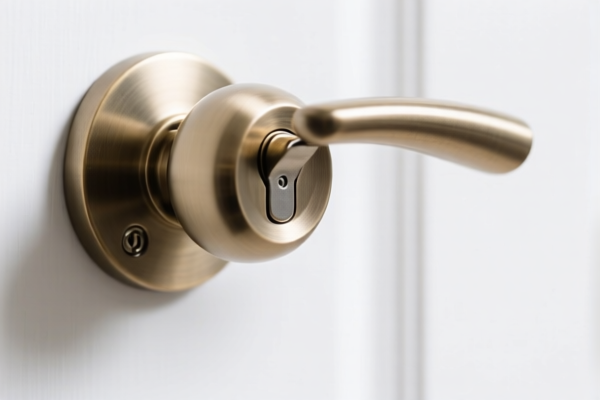
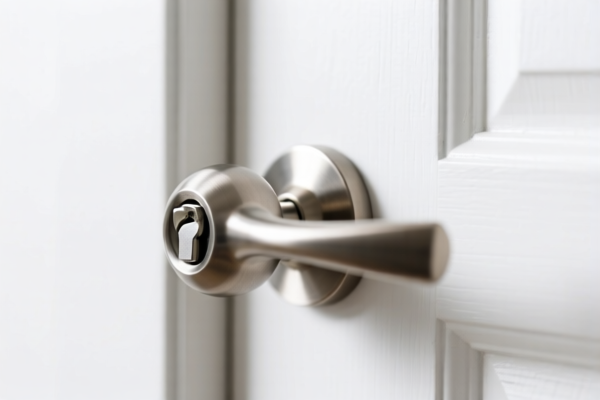

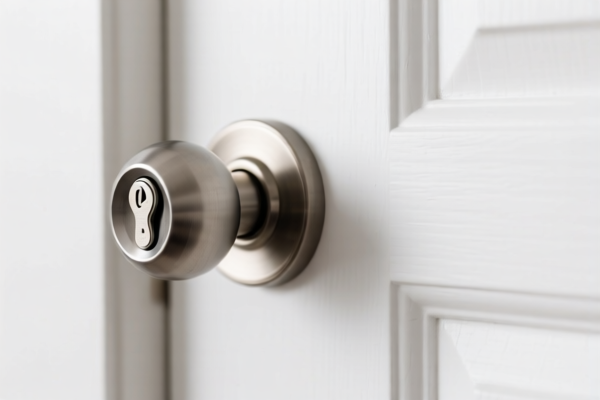
AI Analysis
🚪 Door Stopper (Door Stops)
🌐 HS Code Reference & Customs Clearance Guide | 2026 Latest Tariff Analysis | Professional Entry Strategy
📌 I. Product Definition & Classification: Do You Really Know "Door Stopper"?
A Door Stopper is a simple but essential hardware accessory designed to hold doors in place, prevent them from slamming, or protect walls from damage. In international trade, the classification heavily depends on material composition and intended use.
Common Materials: 1. Metal (Steel, Aluminum, Brass): Hard, durable, often used in commercial settings. 2. Rubber/Elastomer (Sulfurized Rubber): Soft, high friction, common for residential use to prevent floor scratches. 3. Wood/Plastic/Composite: Less common for high-end classification but possible.
⚠️ Critical Distinction Point:
- If made of Metal → Likely falls under Chapter 83 (Base Metal Accessories).
- If made of Rubber → Likely falls under Chapter 40 (Rubber Articles).
- Do NOT mix materials in classification without clear proof. The customs officer will rely on the primary material or the specific description provided in the invoice.
📦 II. HS Code Classification Details (2026 Latest Tariff Authority Comparison)
| HS Code | Product Description | Material Assumption | Application |
|---|---|---|---|
8302.41.60.15 |
Base metal fittings and accessories for doors... | Metal (Steel/Aluminum) | Commercial doors, heavy-duty stops |
8302.41.90.15 |
Other base metal fittings for doors... | Metal (General) | General metal door stops |
4016.99.05.00 |
Other articles of vulcanized rubber other than hard rubber | Rubber | Rubber door stops, floor protectors |
4016.99.10.00 |
Door, window, staircase, table, chair... fittings of vulcanized rubber | Rubber | Rubber fittings specifically for doors/windows |
🔍 Key Reminder:
- Metal Door Stops generally fall under 8302.41 (Base metal fittings).
- Rubber Door Stops fall under 4016.99 (Other rubber articles).
- Misclassification Risk: Declaring a rubber door stop as metal (or vice versa) can lead to severe penalties or detention due to tariff rate differences and trade restriction applicability.
💰 III. 2026 Latest Tariff Rate Breakdown (Including Additional Duties, Policy Surcharges)
✅ Applicable Country: United States (US)
✅ Country of Origin: China (CN)
✅ Effective Date: Current Trade Rules (Section 301, Section 232, IEEPA)
🎯 1. 8302.41.60.15 —— Base Metal Door Accessories (Metal Door Stopper)
| Item | Content |
|---|---|
| Basic Tariff | 3.9% (Ad Valorem) |
| Section 301 Tariff (122 Section) | +10% (Specific to certain steel/aluminum products depending on subheading) |
| Section 232 Tariff (10% Steel, 50% Aluminum/Copper) | ⚠️ CRITICAL: If classified under steel/aluminum provisions, up to 50% may apply. Note: The data indicates a 50% surcharge for steel/aluminum products under specific clauses. |
| Total Tax Rate | 63.9% (3.9% Base + 10% Section 301 + 50% Section 232/Additional) |
| Tax Calculation | CIF Value × 63.9% |
| De Minimis Exemption | ❌ No (Deny De Minimis) |
| Legal Basis Path | USITC:8302.41.60.15 → SECTION:232 → SECTION:301 |
📌 Explanation:
- This classification attracts heavy penalties due to Section 232 (National Security) and Section 301 (Trade Practices).
- The 50% surcharge is a significant barrier for metal door stops from China.
- High Risk: Ensure the exact metal type (steel vs. aluminum) is declared correctly, as rates differ.
🎯 2. 8302.41.90.15 —— Other Base Metal Fittings for Doors (General Metal Door Stopper)
| Item | Content |
|---|---|
| Basic Tariff | 3.5% (Ad Valorem) |
| Section 301 Tariff (122 Section) | +10% |
| Section 232 Tariff | 0% (Not explicitly flagged for this specific subheading in the provided data) |
| Total Tax Rate | 13.5% (3.5% Base + 10% Section 301) |
| Tax Calculation | CIF Value × 13.5% |
| De Minimis Exemption | ❌ No (Deny De Minimis) |
| Legal Basis Path | USITC:8302.41.90.15 → SECTION:301 |
📌 Note:
- This is a more favorable classification for metal door stops if it does not fall under the specific steel/aluminum heavy surcharge categories.
- Lower Risk: Still subject to Section 301, but avoids the potential 50% Section 232 spike.
🎯 3. 4016.99.05.00 —— Other Rubber Articles (Rubber Door Stopper)
| Item | Content |
|---|---|
| Basic Tariff | 3.4% (Ad Valorem) |
| Section 301 Tariff | +7.5% (Specific surcharge for rubber articles in some contexts) |
| Section 301 Standard | +10% (Standard IEEPA/Section 301) |
| Total Tax Rate | 20.9% (3.4% + 7.5% + 10%) |
| Tax Calculation | CIF Value × 20.9% |
| De Minimis Exemption | ❌ No (Deny De Minimis) |
| Legal Basis Path | USITC:4016.99.05.00 → SECTION:301 |
📌 Explanation:
- Rubber door stops are subject to Section 301 tariffs.
- The rate is lower than the heavy metal penalty (63.9%) but higher than standard non-China imports.
🎯 4. 4016.99.10.00 —— Rubber Fittings for Doors/Windows (Specific Rubber Door Stopper)
| Item | Content |
|---|---|
| Basic Tariff | 3.3% (Ad Valorem) |
| Section 301 Tariff | +7.5% |
| Section 301 Standard | +10% |
| Total Tax Rate | 20.8% (3.3% + 7.5% + 10%) |
| Tax Calculation | CIF Value × 20.8% |
| De Minimis Exemption | ❌ No (Deny De Minimis) |
| Legal Basis Path | USITC:4016.99.10.00 → SECTION:301 |
📌 Note:
- This is the most optimal HS Code if the product is confirmed to be rubber and specifically marketed as a door/window fitting.
- Slight Advantage: 0.1% cheaper than4016.99.05.00.
- Recommendation: Use this code if the product is exclusively rubber and intended for door/window use.
🛠️ IV. Customs Clearance Practical Advice (Real-World Pitfall Guide)
✅ 1. Preparation Checklist (All Documents Required)
| Document | Must Provide | Explanation |
|---|---|---|
| ✅ Product Specification Sheet | ✔️ | Clearly state material (e.g., "100% Sulfurized Rubber" or "Stainless Steel 304"). |
| ✅ Product Photos (Including Label) | ✔️ | Show the entire product and any material labels. |
| ✅ Commercial Invoice | ✔️ | Description must match HS Code exactly (e.g., "Rubber Door Stopper" vs. "Metal Door Stopper"). |
| ✅ Packing List | ✔️ | Weight, dimensions, and item count. |
| ✅ Material Certification | ✔️ | For metal: Mill certificate. For rubber: Composition test report. |
✅ 2. Declaration Tips (Key Mantras)
🔥 “Material Defines Code, Code Defines Tax!”
| Scenario | Correct Declaration | Wrong Practice |
|---|---|---|
| Rubber Door Stopper | 4016.99.10.00 (20.8%) |
Declaring as Metal → 63.9% |
| Metal Door Stopper | 8302.41.90.15 (13.5%) |
Declaring as Rubber → Potential Audit/Fine |
| Mixed Material (e.g., Rubber Base + Metal Top) | Depends on Essential Character | Vague description "Door Stop" |
| Wood/Plastic Door Stop | Not listed above → Likely 3926 or 4421 |
Forcing into 8302 or 4016 |
✅ 3. Special Handling for Trade War Context
| Situation | Handling Advice |
|---|---|
| High Tariff Metal Stops | Consider Supply Chain Diversification. If possible, source from non-China origins to avoid Section 232/301. |
| Rubber Stops | Still subject to Section 301. Evaluate if Vietnam/Malaysia origin can be used for tariff avoidance (must be genuine transformation). |
| De Minimis Loophole | ❌ Not Available. All these HS Codes are denied de minimis. Even small shipments (under $800) will be taxed. |
🌍 V. Global Market Clearance Comparison (2026 Latest)
| Country/Region | Recommended HS Code | Estimated Duty | Notes |
|---|---|---|---|
| 🇺🇸 USA | 4016.99.10.00 (Rubber) |
20.8% | Avoid 8302.41.60.15 if possible (63.9%) |
| 🇨🇳 China | 4016.99.10.00 / 8302.41.90.15 |
5-10% | Lower export taxes, but check import duties in destination |
| 🇪🇺 EU | 4016.93.00 / 8302.41 |
3.5-4.5% | No Section 301/232 equivalents. Much lower cost. |
| 🇬🇧 UK | 4016.93 / 8302.41 |
3.5-4.5% | Post-Brexit rules apply. No US-style surcharges. |
📌 Conclusion:
- USA is the most expensive market due to Section 232 (Metal) and Section 301 (All).
- Rubber classification (4016.99.10.00) is more cost-effective than heavy metal classification (8302.41.60.15) for imports into the US.
📌 VI. Common Mistakes & Pitfall Guide (Lessons Learned)
❌ Mistake 1: Using "Hardware" as a generic description
👉 Result: Customs cannot determine material → Delayed release, potential reclassification to higher duty.
❌ Mistake 2: Ignoring Section 232 for Metal Products
👉 Result: Unbudgeted 50% surcharge on steel/aluminum door stops. Budget accurately!
❌ Mistake 3: Assuming De Minimis Applies
👉 Result: Shipment held at customs because all listed HS Codes are non-de minimis. Pay the tax upfront or face storage fees.
✅ Correct Practice:
"Rubber Door Stopper, 100% Sulfurized Rubber, for Residential Use, HS Code 4016.99.10.00"
🎯 VII. Conclusion: Professional Declaration, Cost Control!
🎯 Remember the Mantra:
🔹 “Rubber is Cheaper than Steel in the US!” (20.8% vs. 63.9%)
🔹 “No De Minimis for China-origin Door Stoppers!”
🔹 “Exact Material Description is Key to Avoiding Fines!”
📌 Pro Tip:
If you are importing large volumes, consider pre-classification rulings from CBP for ambiguous material compositions. For metal stops, evaluate origin shifts to mitigate Section 232 risks.
📣 Immediate Action:
📞 Contact your freight forwarder with material test reports.
🚀 Optimize HS Code to4016.99.10.00if possible to save ~43% in tariffs.
✨ Professional Clearance Starts with Accurate Classification!
💼 Every Percent Saved is Profit Added!
Customer Reviews
About HS Code Classification
The Harmonized System (HS) is an internationally standardized nomenclature developed by the World Customs Organization (WCO) to classify traded products. Over 200 countries use the HS system as the basis for customs tariffs, trade statistics, and import/export regulations.
Each HS code follows a hierarchical structure:
- Chapter (2 digits) — Broad category of goods (e.g., Chapter 84: Machinery and Mechanical Appliances)
- Heading (4 digits) — More specific grouping within the chapter
- Subheading (6 digits) — Internationally standardized breakdown, used by all WCO member countries
- National subdivisions (8-10 digits) — Country-specific extensions for further classification, such as US HTSUS 10-digit codes
Correct HS code classification is essential for smooth customs clearance, accurate duty payment, and compliance with trade regulations. Misclassification can lead to customs delays, overpayment of duties, or penalties.
When importing from CN to US, the applicable tariff rates may include:
- Most-Favored-Nation (MFN) rate — The standard duty rate applied to WTO members
- General rate — Applied to countries without trade agreements
- Trade remedy duties — Additional tariffs such as Section 301 (anti-dumping), Section 232 (national security), or countervailing duties
The information provided on this page is for reference purposes only. For official classification, please consult with your local customs authority or a licensed customs broker.