doped silicon wafer for power devices
CN → US| HS Code | Tariff Rate | Origin | Destination | Doc |
|---|---|---|---|---|
| 3818000020 | 60.0% | CN | US | Official Doc |
| 8541100040 | 60.0% | CN | US | Official Doc |
| 3818000095 | 60.0% | CN | US | Official Doc |
| 8541590040 | 60.0% | CN | US | Official Doc |
| 2804610000 | 60.0% | CN | US | Official Doc |
Product Images
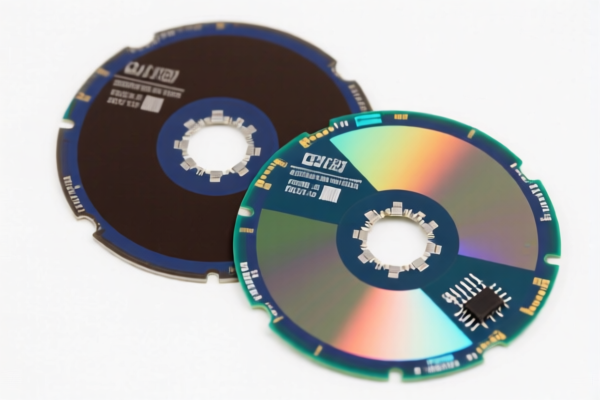
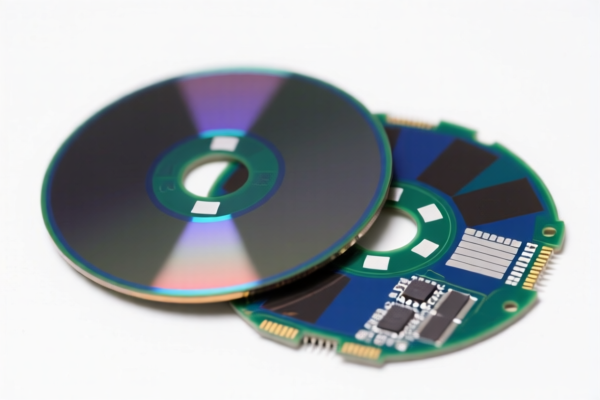
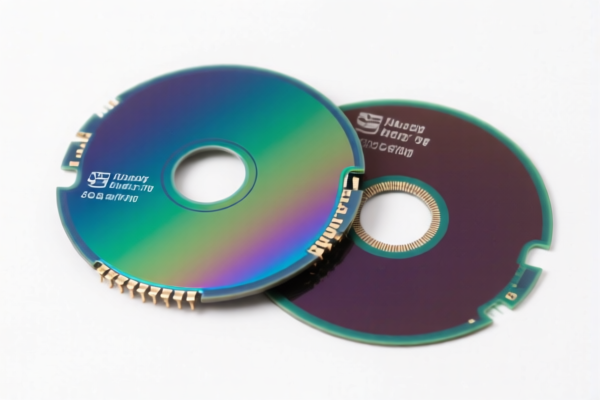
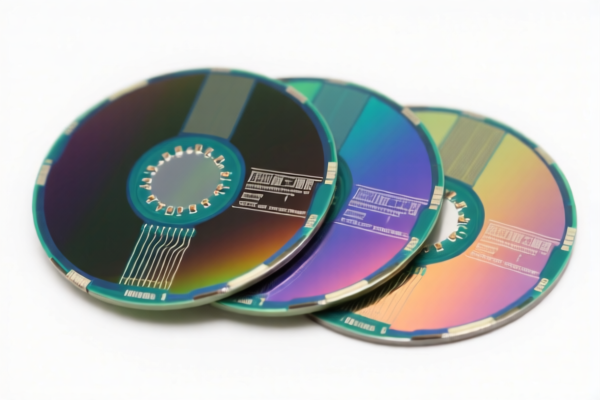
AI Analysis
⚡ Silicon Wafers for Power Devices (Doped Polycrystalline Silicon)
🌐 HS Code Reference & Customs Clearance Guide | 2026 Latest Tariff Analysis | Professional Strategy for Semiconductor Imports
📌 I. Product Definition & Classification: Understanding the "Doped Silicon Wafer"
Doped silicon wafers, particularly those intended for power devices, are the foundational building blocks of modern electronics. In international trade, these materials are often misunderstood, leading to incorrect HS Code classifications and inflated tax liabilities.
These wafers fall into two main categories based on their processing stage and legal definition under tariff schedules:
- Raw/Intermediate Material Category: Classified as processed silicon compounds or elemental silicon for industrial use.
- Component/Device Category: Classified as unmounted semiconductor devices, dies, or wafers belonging to diodes or other semiconductor devices.
⚠️ Key Distinction Point:
- If the wafer is described primarily by its material composition (polycrystalline/doped silicon) and general industrial use → It may be classified under Chapter 38 (Chemical Products) or Chapter 28 (Inorganic Chemicals).
- If the wafer is explicitly defined by its function in semiconductor manufacturing (e.g., "unmounted chip," "diode wafer," "semiconductor device") → It is classified under Chapter 85 (Electrical Machinery).
📦 II. HS Code Classification Details (2026 Latest Tariff Authority Comparison)
Based on the provided data, here are the five potential HS Codes and the logical basis for each classification. Note: All listed below carry a total tax rate of 60.0% for US imports from China.
| HS Code | Product Description & Logic | Application Scenario | Classification Basis |
|---|---|---|---|
3818.00.00.20 |
Doped Silicon Wafers for Electronic Devices Material: Polycrystalline/Doped Silicon Use: Electronic Industry |
High-purity silicon substrates used as bases for ICs or discrete components. | Material-Based Inference: Matches "Doped elemental semiconductors, sliced, polished..." under Chapter 38. |
8541.10.00.40 |
Silicon Wafers for Power Devices Form: Wafer Feature: Matches unmounted chips/dies for diodes |
Wafers specifically prepared for power diodes or thyristors, retaining semiconductor device characteristics. | Functional Classification: Fits "Diodes, photodiodes..." including unmounted wafers/dies in Chapter 85. |
3818.00.00.95 |
Other Doped Compounds for Electronic Industry Form: Compound/Material |
General-purpose doped silicon materials not fitting specific sub-headings. | Material-Based Inference: Matches "Other elemental semiconductors..." under Chapter 38 when specific use isn't defined as a device. |
8541.59.00.40 |
Other Semiconductor Devices (Unmounted) Form: Wafer Feature: Doped attributes fit semiconductor device traits |
Unmounted chips, dies, or wafers that are not specifically covered under "Diodes" (8541.10) but are still semiconductor devices. | Functional Classification: Fits "Other semiconductor devices... including unmounted chips, dies, and wafers" under Chapter 85. |
2804.61.00.00 |
Silicon (Elemental) Material: Silicon Form: Wafer范畴 |
Pure silicon material where the classification focuses on the element itself rather than its chemical doping or device status. | Material Classification: Matches "Silicon" under Chapter 28 (Inorganic Chemicals). Used if the product is considered raw material rather than a processed semiconductor device. |
🔍 Critical Reminder:
- Chapter 38 vs. Chapter 85: The biggest controversy lies in whether a "doped wafer" is a chemical product (Ch. 38) or a semiconductor device (Ch. 85).
- US Customs Practice: For power devices, US CBP often leans towards Chapter 85 (8541.xx) if the wafer is specifically cut, polished, and doped for semiconductor fabrication, as it retains the "device" character. However, some traders argue for Chapter 38 (3818.xx) for raw doped substrates.
- All 5 codes above result in the SAME total tax rate of 60.0% for US imports from China, reducing the financial risk of misclassification but increasing the risk of detention/audit due to inconsistency.
💰 III. 2026 Latest Tariff Rate Details (Including Additional Duties & Policy Add-ons)
✅ Applicable Country: United States (US)
✅ Origin: China (CN)
✅ Effective Date: Ongoing (Post-2024 Trade Actions)
🎯 Universal Tax Structure for All Listed HS Codes
| Item | Content |
|---|---|
| Base Duty Rate | 0.0% (Ad Valorem) |
| Section 301 Additional Duty | +50.0% (From USITC Section 301 Investigation, List 4A/4B depending on specific product list updates) |
| Section 122 / IEEPA Add-on | +10.0% (Specific clause referenced in data, often aligned with recent executive actions on critical minerals/semiconductors) |
| Total Tax Rate | 60.0% |
| Tax Calculation | CIF Value × 60% |
| De Minimis Eligibility | ❌ NO (Deny de minimis for Section 301 goods) |
| Legal Basis Path | USITC: [HS Code] → Section 301: +50% → Clause 122/IEEPA: +10% |
📌 Explanation:
- "Base 0%": Silicon and semiconductor components often have low or zero base MFN duties.
- "Section 301: +50%": This is the most significant component. Most silicon wafers for electronics are subject to the highest tier of Section 301 tariffs due to their strategic importance.
- "Clause 122/IEEPA: +10%": Data references "122条款" (Clause 122). In recent US trade policy, this may refer to specific enforcement mechanisms under IEEPA (International Emergency Economic Powers Act) or local tariff schedules. Note: Ensure the exact "122" clause is verified with current USCBP bulletins, as numbering can change.
- Total 60%: This is a VERY HIGH tariff. Cost planning must reflect this massive addition.
🛠️ IV. Customs Clearance Practical Advice (Pitfall Avoidance Guide)
✅ 1. Required Documentation Checklist (None of the following can be missing)
| Document | Mandatory? | Explanation |
|---|---|---|
| ✅ Product Specification Sheet | ✔️ | Must detail: Dopant type (Boron/Phosphorus/Arsenic), Resistivity, Wafer Size (e.g., 150mm, 200mm), Orientation (100, 111), and Surface Polish. |
| ✅ Certificate of Origin (CO) | ✔️ | Crucial for proving Origin = China. If origin is mistaken, penalties apply. |
| ✅ Commercial Invoice | ✔️ | Must clearly state "Doped Silicon Wafer for Power Devices" or similar. Avoid vague terms like "Silicon Sheet." |
| ✅ Packing List | ✔️ | Detail packaging to prevent breakage. Silicon wafers are fragile. |
| ✅ Technical Data Sheet (TDS) | ✔️ | Helps Customs determine if it's "raw material" (Ch 28/38) or "device" (Ch 85). |
| ✅ End-Use Statement | ✔️ | Confirm it is for manufacturing power semiconductors (ICs, Diodes). |
✅ 2. Declaration Strategy (Key Mnemonics)
🔥 "Material vs. Function: Be Consistent!"
| Scenario | Recommended Declaration Approach | Why? |
|---|---|---|
| You are the manufacturer/exporter | Use 8541.10.00.40 or 8541.59.00.40 if the wafer is fully processed for device fab. |
Aligns with "Semiconductor Device" definition. CBP may prefer Ch 85 for finished wafers. |
| You are a raw material trader | Use 3818.00.00.20 or 3818.00.00.95. |
Aligns with "Doped Semiconductor Material." |
Avoid 2804.61.00.00 unless... |
Only if the wafer is not doped or is pure elemental silicon. | "Doped" wafers are generally excluded from 2804 because the doping process transforms them into chemical compounds/devices. |
⚠️ Warning: Do NOT switch HS Codes between Invoice and Entry. Consistency is key to avoiding audits.
✅ 3. Special Case Handling
| Situation | Handling Advice |
|---|---|
| High-Value Wafers | With 60% tax, value is high. Ensure accurate CIF valuation. Under-valuation leads to severe penalties. |
| Mixed Shipments | If shipping both doped (Ch 85/38) and pure silicon (Ch 28), separate lines. Do not lump them. |
| Claims for Exemption? | ❌ Highly Unlikely. Semiconductor silicon from China is a targeted item for Section 301. No standard de minimis exemption. |
| Dispute on Classification | If CBP challenges Ch 85 vs Ch 38, provide a Legal Opinion from a trade attorney citing GRI 3(b) or Explanatory Notes. |
🌍 V. Global Market Comparison (2026 Latest)
| Country/Region | Recommended HS Code | Estimated Duty | Notes |
|---|---|---|---|
| 🇺🇸 USA | 8541.10.00.40 or 3818.00.00.20 |
60.0% | High tariff due to Section 301 + 122. Strict scrutiny. |
| 🇨🇳 China (Import) | 3818.00.00.20 |
~6-10% | Lower duty. Focus on material classification. |
| 🇪🇺 EU | 3818.00.00.20 or 8541.10.00 |
0% - 5% | Generally low duties. No Section 301 equivalent. |
| 🇻🇳 Vietnam | 3818.00.00.20 |
Varies | Often used as a transshipment point, but rules of origin apply. |
📌 Conclusion:
- The US is the hardest market for Chinese-origin silicon wafers due to the 60% tariff.
- EU and Asia offer much more favorable duty rates.
- Strategy Consideration: Many manufacturers are shifting final polishing/dicing to Vietnam or Malaysia to claim non-China origin (subject to strict ROO rules) to avoid the 60% US tariff.
📌 VI. Common Mistakes & Pitfalls (Lessons Learned)
❌ Mistake 1: Declaring "Silicon Wafer" as 2804.61.00.00 (0% base) to avoid Section 301.
👉 Consequence: CBP will classify it as 8541.xx or 3818.xx + 301 Tariff + Penalties & Interest. The 10-20% difference in base duty is not worth the risk.
❌ Mistake 2: Ignoring the "Doped" aspect in description.
👉 Consequence: If the invoice says "Pure Silicon Wafer" but the spec says "Boron Doped," CBP will flag it for fraud or misdeclaration.
❌ Mistake 3: Assuming "Electronics Parts" exemption.
👉 Consequence: Semiconductor wafers are NOT exempt from Section 301. There is no general exemption for electronic components from China.
❌ Mistake 4: Mixing 8541 and 3818 in one shipment without justification.
👉 Consequence: Confusion leads to 100% Inspection and delays.
✅ Correct Practice:
"Doped Polycrystalline Silicon Wafer, 200mm, P-Type, for Power Diode Fabrication, HS Code 8541.10.00.40, Origin: China."
🎯 VII. Conclusion: Professional Declaration Saves Money and Time
🎯 Remember the Golden Rules:
🔹 "Doped = Semiconductor Material or Device. Pure = Chemical."
🔹 "US Market = 60% Tax. No Exemptions."
🔹 "Consistency in Description and HS Code is Non-Negotiable."
📌 Pro Tip:
If your silicon wafers are going to the US, apply for a Binding Ruling from US CBP before shipping. This locks in the HS Code classification and protects you from retrospective audits. The cost of the ruling is tiny compared to the risk of a 60% tax bill + penalties.
📣 Immediate Action:
📞 Consult with your customs broker NOW.
📄 Prepare detailed technical specs highlighting doping type, resistivity, and intended device use.
🚀 Plan for 60% landed cost in your financial model.
✨ Professional Clearance Starts with Accurate Classification!
💼 Every percentage point of duty matters in the semiconductor industry!
Customer Reviews
About HS Code Classification
The Harmonized System (HS) is an internationally standardized nomenclature developed by the World Customs Organization (WCO) to classify traded products. Over 200 countries use the HS system as the basis for customs tariffs, trade statistics, and import/export regulations.
Each HS code follows a hierarchical structure:
- Chapter (2 digits) — Broad category of goods (e.g., Chapter 84: Machinery and Mechanical Appliances)
- Heading (4 digits) — More specific grouping within the chapter
- Subheading (6 digits) — Internationally standardized breakdown, used by all WCO member countries
- National subdivisions (8-10 digits) — Country-specific extensions for further classification, such as US HTSUS 10-digit codes
Correct HS code classification is essential for smooth customs clearance, accurate duty payment, and compliance with trade regulations. Misclassification can lead to customs delays, overpayment of duties, or penalties.
When importing from CN to US, the applicable tariff rates may include:
- Most-Favored-Nation (MFN) rate — The standard duty rate applied to WTO members
- General rate — Applied to countries without trade agreements
- Trade remedy duties — Additional tariffs such as Section 301 (anti-dumping), Section 232 (national security), or countervailing duties
The information provided on this page is for reference purposes only. For official classification, please consult with your local customs authority or a licensed customs broker.