double rubber band set
CN → US| HS Code | Tariff Rate | Origin | Destination | Doc |
|---|---|---|---|---|
| 9605000000 | 18.1% | CN | US | Official Doc |
| 3926909000 | 0.0% | CN | US | Official Doc |
| 3926909905 | 22.8% | CN | US | Official Doc |
| 3926906520 | 14.2% | CN | US | Official Doc |
| 4005990000 | 10.0% | CN | US | Official Doc |
| 4005910000 | 35.0% | CN | US | Official Doc |
Product Images
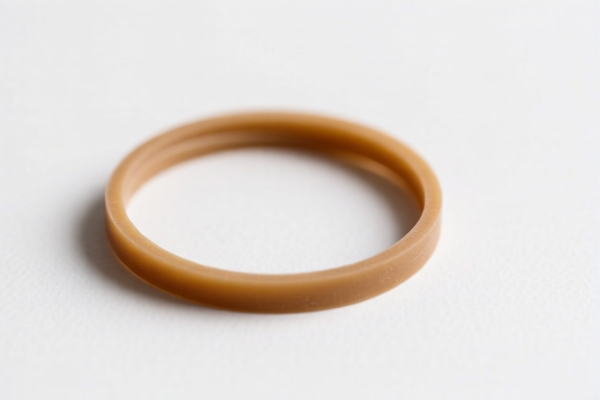
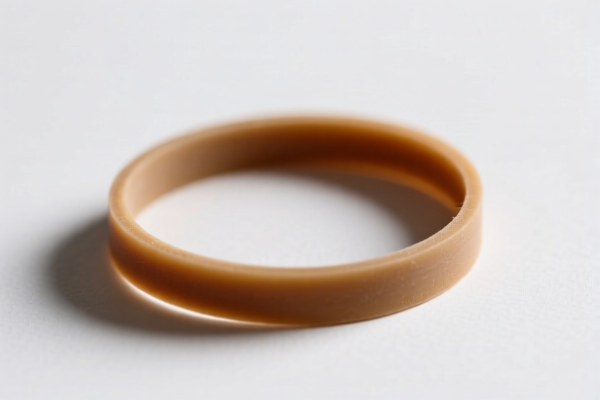
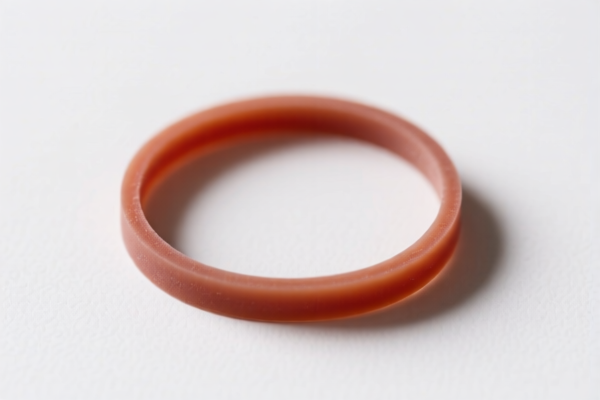
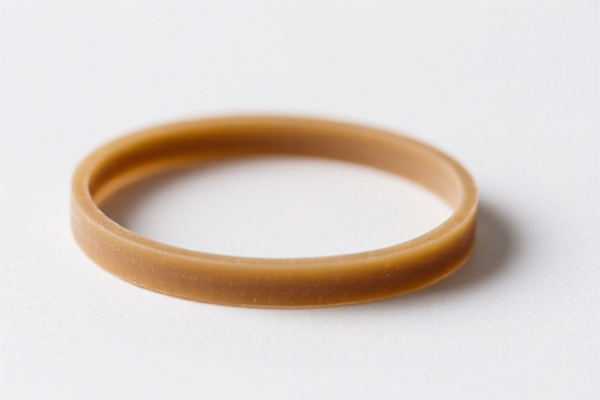
AI Analysis
🎗️ Double Rubber Band Set (Elastic Bands)
🌐 HS Code Reference & Customs Clearance Guide | 2026 Latest Tariff Analysis | Professional Clearance Strategy
📌 1. Product Definition & Classification: What Exactly is a "Rubber Band Set"?
A "Double Rubber Band Set" typically refers to elastic bands made wholly or substantially of rubber or plastics, often sold in packs for household, office, or industrial use. In international trade, the classification depends heavily on the material composition and the form of the product.
Key Distinction:
Rubber-based: If made from compounded rubber (natural or synthetic), it falls under Chapter 40.
Plastic-based: If made from elastic plastic materials, it falls under Chapter 39.
Form:* Is it in bulk rolls/strips, or pre-cut individual bands/sets?
⚠️ Critical Differentiator:
- If the product is compounded rubber (unvulcanized or vulcanized) in strips/sheets or pre-formed bands → HS 4005 or 4016.
- If the product is elastic bands made wholly of plastics → HS 3926.90.99.05.
- Note: The provided DATA specifically highlights "Elastic bands made wholly of plastics" under 3926.90.99.05 and "Compounded rubber" under 4005.99.00.00 and 4005.91.00.00.
📦 2. HS Code Classification Details (Based on Provided DATA)
| HS Code | Product Description | Material/Form | Key Feature |
|---|---|---|---|
4005.99.00.00 |
Compounded rubber, unvulcanized, in primary forms or in plates, sheets or strip: Other: Other | Unvulcanized Rubber | Compounded rubber in bulk or non-specific strip form |
4005.91.00.00 |
Compounded rubber, unvulcanized, in primary forms or in plates, sheets or strip: Other: Plates, sheets, and strip | Unvulcanized Rubber | Specifically in plates, sheets, or strip form |
3926.90.99.05 |
Other articles of plastics and articles of other materials of headings 3901 to 3914: Other: Other: Other Elastic bands made wholly of plastics | Plastic/Elastic Polymer | Specifically identified as "Elastic bands made wholly of plastics" |
🔍 重点提醒 (Key Reminder):
- For Plastic Elastic Bands, the specific code3926.90.99.05is explicitly mentioned in the DATA with a detailed tax structure.
- For Rubber, if it is unvulcanized compound in strips/sheets, use4005.91.00.00or4005.99.00.00.
- Note: The DATA does not provide tax info for other plastics (3926.90.90.00) or travel sets (9605.00.00.00), so we focus on the relevant rubber and plastic elastic band codes.
💰 3. 2026 Latest Tariff Rate Details (Including Surcharges)
✅ Applicable Country: United States (US)
✅ Origin: China (CN)
✅ Effective Time: 2025/2026 Period
🎯 1. 3926.90.99.05 – Elastic Bands Made Wholly of Plastics
| Item | Detail |
|---|---|
| Base Tariff | 5.3% (Ad Valorem) |
| Additional Tariff | +7.5% (Section 301 / USITC Footnote) |
| Total Tax Rate | 12.8% |
| Tax Calculation | CIF Value × 12.8% |
| De Minimis Exemption | ❌ Not Eligible (Standard for Section 301 goods) |
| Legal Basis | USITC Section 301 Surcharges apply to plastic articles from China |
📌 Explanation:
- This is the most likely classification for standard "rubber band sets" sold in retail packs if they are synthetic/plastic-based.
- The 12.8% total rate is significantly lower than the 25% applied to many other Chinese goods, making it a relatively favorable category.
- "Elastic bands made wholly of plastics" is a specific sub-heading, ensuring no ambiguity with general plastic articles.
🎯 2. 4005.91.00.00 – Compounded Rubber (Plates, Sheets, Strip)
| Item | Detail |
|---|---|
| Base Tariff | 0.0% |
| Additional Tariff | +25.0% |
| Total Tax Rate | 25.0% |
| Tax Calculation | CIF Value × 25.0% |
| De Minimis Exemption | ❌ Not Eligible |
| Legal Basis | USITC Section 301 Surcharges (25%) apply to rubber compounds |
📌 Explanation:
- If the "double rubber band set" is made from unvulcanized compounded rubber in strip form (e.g., raw material rolls for manufacturing), this code applies.
- Higher Risk: The 25% rate is standard for many Chinese imports under Section 301.
- Note: If the rubber is vulcanized (finished elastic bands), it might fall under Chapter 4016, but the DATA only provides info for 4005 (unvulcanized compounds). Be cautious!
🎯 3. 4005.99.00.00 – Compounded Rubber, Unvulcanized (Other)
| Item | Detail |
|---|---|
| Base Tariff | 0.0% |
| Additional Tariff | +25.0% |
| Total Tax Rate | 25.0% |
| Tax Calculation | CIF Value × 25.0% |
| De Minimis Exemption | ❌ Not Eligible |
| Legal Basis | USITC Section 301 Surcharges (25%) |
📌 Explanation:
- Similar to4005.91.00.00, but for rubber compounds not specifically in plates/sheets/strip form.
- Again, 25% total tax applies.
🛠️ 4. Customs Clearance Practical Advice (Pitfall Avoidance Guide)
✅ 1. Material Declaration is Crucial
| Material Type | Correct HS Code | Tax Rate | Warning |
|---|---|---|---|
| Plastic/Elastic Polymer | 3926.90.99.05 |
12.8% | ✅ Best Option for retail bands |
| Unvulcanized Rubber Compound | 4005.91.00.00 / 4005.99.00.00 |
25.0% | ❌ High Tax; only for raw materials |
| Vulcanized Rubber Bands | Not in DATA | Likely 25%+ | ⚠️ Check Chapter 4016 separately |
🔥 "Declare Material Accurately!"
- If your product is a finished elastic band for office use, it is almost certainly plastic-based (synthetic rubber/elastomer). Use3926.90.99.05for the 12.8% rate.
- Do NOT misdeclare plastic bands as "rubber" to avoid scrutiny, but also do NOT declare raw rubber compounds as finished bands.
✅ 2. Documentation Checklist
| Document | Required | Description |
|---|---|---|
| ✅ Product Description | ✔️ | "Elastic Bands Made Wholly of Plastics" or "Compounded Rubber..." |
| ✅ Material Specification | ✔️ | Confirm if plastic or rubber; vulcanized or unvulcanized |
| ✅ Commercial Invoice | ✔️ | Value must match CIF; clearly state "Plastic Elastic Bands" |
| ✅ Packing List | ✔️ | Include quantity (pairs/sets) and net weight |
| ✅ HS Code Confirmation | ✔️ | Pre-ruling recommended for 3926.90.99.05 |
✅ 3. Common Mistakes & Pitfalls
❌ Mistake 1: Declaring plastic bands as "Rubber" without specifying vulcanization status
👉 Consequence: If deemed unvulcanized compound, 25% tax; if deemed vulcanized, may face additional classification risks.
❌ Mistake 2: Using "Travel Set" (9605.00.00.00) for rubber bands
👉 Consequence: 0% tax is available for travel sets, but only if they are part of a toilet/sewing/cleaning kit. Standalone rubber bands do NOT qualify.
Note: 9605.00.00.00 has 0% tax, but it is for "Travel sets for personal toilet, sewing or shoe or clothes cleaning". Rubber bands alone are not a travel set.
❌ Mistake 3: Misdeclaring "Compounded Rubber" as "Plastic"
👉 Consequence: Customs may reclassify, leading to penalties and back taxes. Ensure material tests are available.
✅ Correct Declaration Example:
"Elastic Bands, Made Wholly of Plastics, for Office Use, Plastic Material, HS Code: 3926.90.99.05, CIF Value: $XXX"
🌍 5. Global Market Comparison (2026 Latest)
| Country/Region | Recommended HS Code | Total Tariff (China Origin) | Notes |
|---|---|---|---|
| 🇺🇸 USA | 3926.90.99.05 |
12.8% | Base 5.3% + 7.5% surcharge |
| 🇺🇸 USA | 4005.91.00.00 |
25.0% | Base 0% + 25% surcharge |
| 🇨🇳 China | 3926.90.99.05 |
5.3% (Est.) | Check local Chinese customs |
| 🇪🇺 EU | 3926.90.99.05 |
~6-9% | No Section 301 surcharge |
📌 Conclusion:
- The USA imposes a 12.8% effective rate on plastic elastic bands, which is lower than the 25% rate for rubber compounds.
- Advantage: Using3926.90.99.05saves 12.2% in tariffs compared to rubber compound classifications.
📌 6. Final Recommendations
- Verify Material: Confirm if your "rubber bands" are actually plastic/elastomer based. If yes, use
3926.90.99.05to benefit from the 12.8% rate. - Avoid "Travel Set" Misuse: Do not use
9605.00.00.00(0% tax) unless the bands are part of a verified travel kit. Standalone bands will be rejected. - Pre-Ruling: For large shipments, apply for a US Customs Pre-Ruling to confirm
3926.90.99.05classification and avoid delays. - Documentation: Clearly state "Elastic Bands Made Wholly of Plastics" in the commercial invoice to align with the HS code description.
🎯 Remember:
🔹 "Plastic Bands: 12.8% | Rubber Compound: 25% | Choose Wisely!"
🔹 "Accurate Material Declaration = Lower Taxes + Faster Clearance!"
📣 Immediate Action:
📞 Contact your customs broker to confirm material composition.
📝 Use3926.90.99.05for plastic elastic bands to minimize duty costs.
🚀 Optimize your supply chain with precise HS classification!
✨ Professional Clearance Starts with Accurate Classification!
💼 Every Percent Saved is Pure Profit!
Customer Reviews
About HS Code Classification
The Harmonized System (HS) is an internationally standardized nomenclature developed by the World Customs Organization (WCO) to classify traded products. Over 200 countries use the HS system as the basis for customs tariffs, trade statistics, and import/export regulations.
Each HS code follows a hierarchical structure:
- Chapter (2 digits) — Broad category of goods (e.g., Chapter 84: Machinery and Mechanical Appliances)
- Heading (4 digits) — More specific grouping within the chapter
- Subheading (6 digits) — Internationally standardized breakdown, used by all WCO member countries
- National subdivisions (8-10 digits) — Country-specific extensions for further classification, such as US HTSUS 10-digit codes
Correct HS code classification is essential for smooth customs clearance, accurate duty payment, and compliance with trade regulations. Misclassification can lead to customs delays, overpayment of duties, or penalties.
When importing from CN to US, the applicable tariff rates may include:
- Most-Favored-Nation (MFN) rate — The standard duty rate applied to WTO members
- General rate — Applied to countries without trade agreements
- Trade remedy duties — Additional tariffs such as Section 301 (anti-dumping), Section 232 (national security), or countervailing duties
The information provided on this page is for reference purposes only. For official classification, please consult with your local customs authority or a licensed customs broker.