double sofa cover
CN → US| HS Code | Tariff Rate | Origin | Destination | Doc |
|---|---|---|---|---|
| 3926909989 | 22.8% | CN | US | Official Doc |
| 9401991020 | 17.5% | CN | US | Official Doc |
| 6304920000 | 23.8% | CN | US | Official Doc |
| 6304930000 | 23.8% | CN | US | Official Doc |
| 9401999021 | 35.0% | CN | US | Official Doc |
Product Images
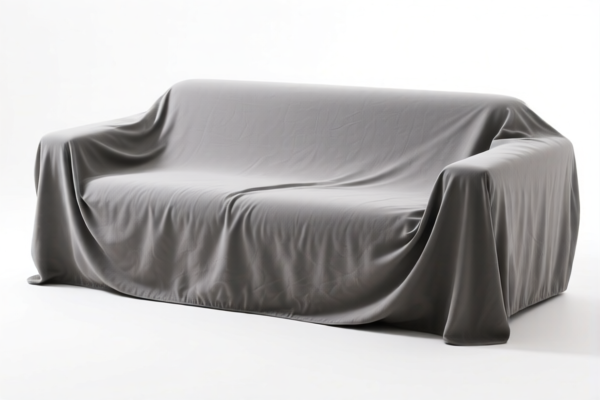
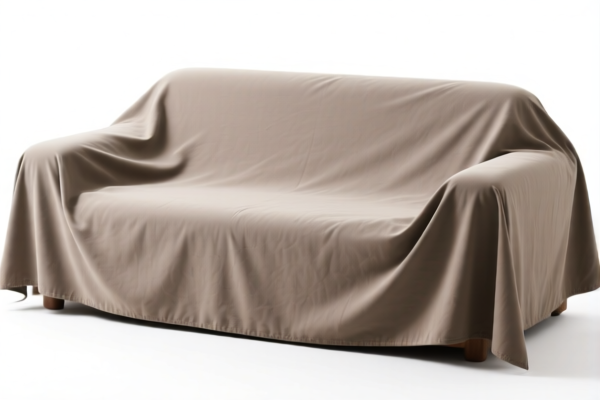
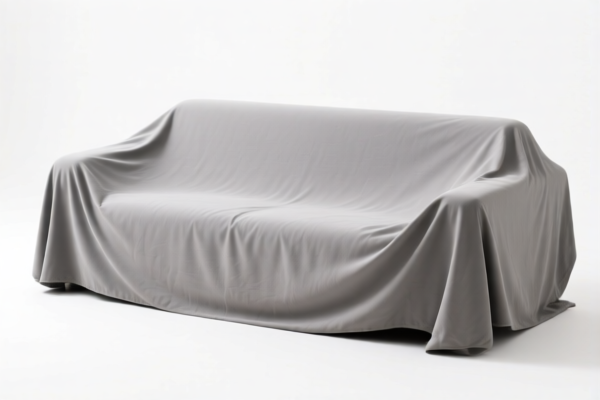
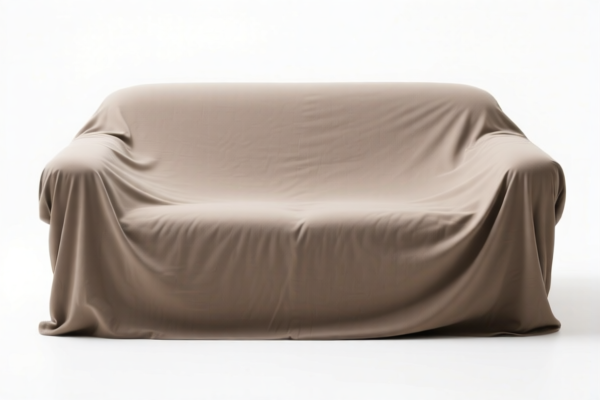
AI Analysis
🛋️ Double Sofa Cover (Fabric Sofa Protectors & Slipcovers)
🌐 HS Code Reference & Customs Clearance Guide | 2026 Latest Tariff Analysis | Professional Clearance Strategy
📌 I. Product Definition & Classification: Do You Really Understand "Sofa Covers"?
A Double Sofa Cover typically refers to fabric items designed to protect or decorate a two-seater sofa. In international trade, classification depends heavily on whether the item is considered a "part of furniture" or a "textile article."
1. Soft/Textile Covers (Slipcovers/Protectors):
Made primarily of cotton, polyester, or blended fabrics, often shaped or cut to fit sofa contours. They do not contain rigid frames or mechanical parts.
2. Hard/Structural Components (Less Common for "Covers"):
If the item includes wooden frames, springs, or mechanical adjustment mechanisms, it might be classified as furniture parts. Note: Most "sofa covers" sold online or in retail are purely textile.
⚠️ Critical Distinction:
- If it is just fabric (cut to shape, no rigid structure) → Goes to Textile Chapter (63) or Furniture Parts (9401).
- If it has structural integrity or is sold as a part of a seat → Goes to 9401.99.
📦 II. HS Code Classification Details (2026 Latest Tariff Reference)
Based on the provided data, here are the relevant HS Codes for Double Sofa Covers, categorized by material and function:
| HS Code | Product Description | Key Characteristics | Material Focus |
|---|---|---|---|
3926.90.99.89 |
Other articles of plastic or textile materials | Broad category for mixed material goods not specifically elsewhere classified. | Plastic/Textile Mix |
9401.99.10.20 |
Parts of seats, including upholstery, of textile materials | Most Common for Textile Covers. Specifically for seats, made of fabric. | Textile (Cotton/Poly) |
6304.92.00.00 |
Non-knitted or crocheted fabrics, of cotton or cotton mixtures | Raw/Unfinished Textiles. If the "cover" is considered a made-up textile article but not a seat part. | Cotton/Cotton Blend |
6304.93.00.00 |
Non-knitted or crocheted articles of synthetic fibers | For covers made primarily of synthetic fabrics (polyester, nylon) not classified as seat parts. | Synthetic (Polyester) |
9401.99.90.21 |
Parts of seats, of textile materials, cut to shape | High-Risk/Specific Category. Specifically for pre-cut/formed textile parts for seats. | Textile (Cut-to-Shape) |
🔍 Key Reminder:
-9401.99is the primary chapter for furniture parts. If the cover is clearly identified as a replacement part for a seat, this is the most accurate classification.
-6304is for other made-up textile articles. If the product is marketed as a "home decor textile" rather than a "furniture part," this may apply.
-3926.90is a catch-all for articles of plastics/textiles. Use only if no specific textile or furniture classification applies.
💰 III. 2026 Latest Tariff Rate Details (Including Surcharges & Policy Additions)
✅ Applicable Country: United States (US)
✅ Country of Origin: China (CN)
✅ Effective Date: 2025/2026 (Includes subsequent imports)
🎯 1. 3926.90.99.89 —— Other Articles of Plastic or Textile Materials
| Item | Details |
|---|---|
| Base Duty | 5.3% (ad valorem) |
| Section 301 Surcharge | +7.5% (Additional tariffs on Chinese goods) |
| Section 122 Tariff | +10% (Specific policy surcharge) |
| Total Rate | 22.8% |
| Tax Calculation | CIF Value × 22.8% |
| De Minimis Exemption | ❌ Not Applicable (Section 301 & 122 generally override de minimis for high-value shipments or specific categories) |
| Legal Basis Path | Base:3926.90.99.89 → Section301:7.5% → Section122:10% |
📌 Explanation:
- This is a moderate-to-high tariff category.
- The combination of base duty, Section 301, and Section 122 makes this cost-intensive.
- Suitable for mixed-material covers (e.g., plastic-coated fabric).
🎯 2. 9401.99.10.20 —— Parts of Seats, Textile Materials
| Item | Details |
|---|---|
| Base Duty | 0.0% |
| Section 301 Surcharge | +7.5% |
| Section 122 Tariff | +10% |
| Total Rate | 17.5% |
| Tax Calculation | CIF Value × 17.5% |
| De Minimis Exemption | ❌ Not Applicable |
| Legal Basis Path | Base:9401.99.10.20 → Section301:7.5% → Section122:10% |
📌 Explanation:
- Favorable Base Rate: 0% base duty makes this attractive compared to other textile categories.
- Total Cost: 17.5% is lower than the 22.8% for general plastic/textile articles.
- Best Choice: If your product is clearly a textile seat cover/part, this is the most cost-effective classification.
🎯 3. 6304.92.00.00 —— Non-Knitted/Crocheted Fabrics, Cotton/Cotton Mix
| Item | Details |
|---|---|
| Base Duty | 6.3% |
| Section 301 Surcharge | +7.5% |
| Section 122 Tariff | +10% |
| Total Rate | 23.8% |
| Tax Calculation | CIF Value × 23.8% |
| De Minimis Exemption | ❌ Not Applicable |
| Legal Basis Path | Base:6304.92.00.00 → Section301:7.5% → Section122:10% |
📌 Explanation:
- Higher Base Rate: 6.3% base duty pushes the total to 23.8%.
- Material Specific: Only applies if the cover is 100% cotton or cotton-blend and classified as a "made-up textile article" rather than a furniture part.
- Risk: If customs determines it is a seat part, they may reclassify to9401.99(lower tax) or penalize for misclassification.
🎯 4. 6304.93.00.00 —— Non-Knitted/Crocheted Articles, Synthetic Fibers
| Item | Details |
|---|---|
| Base Duty | 6.3% |
| Section 301 Surcharge | +7.5% |
| Section 122 Tariff | +10% |
| Total Rate | 23.8% |
| Tax Calculation | CIF Value × 23.8% |
| De Minimis Exemption | ❌ Not Applicable |
| Legal Basis Path | Base:6304.93.00.00 → Section301:7.5% → Section122:10% |
📌 Explanation:
- Same as6304.92but for synthetic materials (polyester, etc.).
- Total Rate: 23.8% is higher than the furniture parts classification (9401.99.10.20).
- Strategy: Only use if you cannot prove it is a "seat part."
🎯 5. 9401.99.90.21 —— Parts of Seats, Textile Materials, Cut to Shape
| Item | Details |
|---|---|
| Base Duty | 0.0% |
| Section 301 Surcharge | +25.0% (Higher surcharge for cut-to-shape parts) |
| Section 122 Tariff | +10% |
| Total Rate | 35.0% |
| Tax Calculation | CIF Value × 35.0% |
| De Minimis Exemption | ❌ Not Applicable |
| Legal Basis Path | Base:9401.99.90.21 → Section301:25% → Section122:10% |
📌 Warning:
- Highest Tax: This is the most expensive classification at 35.0%.
- Why? The "cut to shape" descriptor often triggers higher scrutiny and additional tariffs under Section 301 (25% vs 7.5%).
- Avoid: Unless explicitly required by customer specs, do not use this code if9401.99.10.20(17.5%) is applicable.
🛠️ IV. Customs Clearance Practical Advice (Real-World Pitfall Guide)
✅ 1. Essential Documentation Checklist (Must-Have)
| Document | Required? | Description |
|---|---|---|
| ✅ Product Specification Sheet | ✔️ | Material composition (e.g., 100% Polyester, Cotton Blend), dimensions, stretch properties. |
| ✅ Product Photos | ✔️ | Clear images of the cover, showing it is textile only (no plastic frames). |
| ✅ Commercial Invoice | ✔️ | Must state: "Sofa Cover, Textile Material, Not a Furniture Part" OR "Seat Part, Textile, Cut to Shape" depending on HS. |
| ✅ Packing List | ✔️ | Detail weight and dimensions. |
| ✅ Origin Certificate (CO) | ✔️ | If claiming preferential rates (not applicable here due to US tariffs). |
| ✅ Third-Party Test Report | ✔️ | Flammability, colorfastness (required for home furnishings in US). |
✅ 2. Declaration Tips (Key Mnemonics)
🔥 "Fabric Soft, Frame Hard; Seat Part vs. Textile Art; Don't Cut Shape, Save 17.5%!"
| Scenario | Correct HS Code | Incorrect Approach | Consequence |
|---|---|---|---|
| Textile Slipcover (General) | 9401.99.10.20 |
Declaring as 6304.93 |
Overpaying 6.3% base duty. |
| Pre-Cut, Contoured Cover | 9401.99.90.21 |
Declaring as 9401.99.10.20 |
Penalty + 17.5% Extra Tax (25% vs 7.5% surcharge). |
| Mixed Material (Plastic + Fabric) | 3926.90.99.89 |
Declaring as pure textile | Misclassification risk. |
| Cotton Cover | 6304.92.00.00 |
Declaring as 9401.99 |
Potential audit if not clearly a "seat part." |
✅ 3. Special Cases Handling
| Situation | Handling Advice |
|---|---|
| OEM Custom Covers | Provide design blueprints showing they are textile only. Avoid keywords like "furniture" in the product name if possible. |
| Cover with Elastic/Straps | Still classified as textile article or seat part. Do not declare as "hardware." |
| Cover for Outdoor Furniture | May be classified under 6304 if considered "garden textile." Verify base duty rates. |
| Cover with Plastic Coating | Use 3926.90.99.89. Clearly state material composition. |
🌍 V. Global Market Clearance Comparison (2026 Latest)
| Country/Region | Recommended HS Code | Tariff | Certification | Notes |
|---|---|---|---|---|
| 🇺🇸 USA | 9401.99.10.20 |
17.5% | Flammability Test | Lowest US tariff for textile seat parts. |
| 🇨🇳 China | 6304.93.00.00 |
15% | None | Higher base rate for imports into China. |
| 🇪🇺 EU | 6304.93.00.00 |
12% | REACH | No Section 301 surcharge. |
| 🇬🇧 UK | 6304.93.00.00 |
12% | UKCA | Post-Brexit tariffs apply. |
| 🇦🇺 Australia | 6304.93.00.00 |
5% | WERS | Low tariff, no major surcharges. |
📌 Conclusion:
- USA is the highest-cost market due to Section 301 and Section 122 tariffs.
-9401.99.10.20(17.5%) is the optimal classification for USA imports if the product is a textile seat part.
-9401.99.90.21(35.0%) should be avoided unless the product is strictly "cut to shape" and cannot be classified otherwise.
📌 VI. Common Mistakes & Pitfalls (Lessons Learned)
❌ Mistake 1: Declaring "Sofa Cover" as 6304.93 (23.8%) when it fits 9401.99.10.20 (17.5%).
👉 Result: Paying 6.3% more unnecessarily.
❌ Mistake 2: Using 9401.99.90.21 (35.0%) for a standard slipcover.
👉 Result: Double taxation due to higher Section 301 rate (25% vs 7.5%).
❌ Mistake 3: Not providing material composition.
👉 Result: Customs may reclassify to the highest duty rate based on suspicion.
❌ Mistake 4: Mixing "Cover" with "Furniture" in description.
👉 Result: Confusion over whether it is a part of furniture (9401) or textile (6304).
✅ Correct Description Example:
"Textile Sofa Cover, 2-Seater, 100% Polyester, Machine Washable, Not for Commercial Use, Model SC-2026"
🎯 VII. Conclusion: Professional Declaration Saves Money!
🎯 Remember the Golden Rule:
🔹 "Seat Part = 17.5% | Cut Shape = 35% | General Textile = 23.8%"
🔹 "Declare Correctly, Save 17.5% or Lose 35%!"
📌 Pro Tip:
If your sofa cover is 100% cotton, consider 6304.92.00.00 (23.8%) only if you cannot prove it is a "seat part." Otherwise, 9401.99.10.20 (17.5%) is still cheaper.
Request an Advance Ruling from US Customs if unsure about the "cut to shape" distinction.
📣 Immediate Action:
📞 Contact your freight forwarder with material specs + product photos.
🚀 Choose9401.99.10.20for standard textile covers to minimize tax burden.
✨ Professional Clearance Starts with Accurate Classification!
💼 Every percentage point counts in cross-border e-commerce!
Customer Reviews
About HS Code Classification
The Harmonized System (HS) is an internationally standardized nomenclature developed by the World Customs Organization (WCO) to classify traded products. Over 200 countries use the HS system as the basis for customs tariffs, trade statistics, and import/export regulations.
Each HS code follows a hierarchical structure:
- Chapter (2 digits) — Broad category of goods (e.g., Chapter 84: Machinery and Mechanical Appliances)
- Heading (4 digits) — More specific grouping within the chapter
- Subheading (6 digits) — Internationally standardized breakdown, used by all WCO member countries
- National subdivisions (8-10 digits) — Country-specific extensions for further classification, such as US HTSUS 10-digit codes
Correct HS code classification is essential for smooth customs clearance, accurate duty payment, and compliance with trade regulations. Misclassification can lead to customs delays, overpayment of duties, or penalties.
When importing from CN to US, the applicable tariff rates may include:
- Most-Favored-Nation (MFN) rate — The standard duty rate applied to WTO members
- General rate — Applied to countries without trade agreements
- Trade remedy duties — Additional tariffs such as Section 301 (anti-dumping), Section 232 (national security), or countervailing duties
The information provided on this page is for reference purposes only. For official classification, please consult with your local customs authority or a licensed customs broker.