doughnut mold
CN → US| HS Code | Tariff Rate | Origin | Destination | Doc |
|---|---|---|---|---|
| 7323930035 | 62.0% | CN | US | Official Doc |
| 3924104000 | 13.4% | CN | US | Official Doc |
| 7323915020 | 15.3% | CN | US | Official Doc |
| 3924905650 | 20.9% | CN | US | Official Doc |
| 3924104000 | 13.4% | CN | US | Official Doc |
Product Images
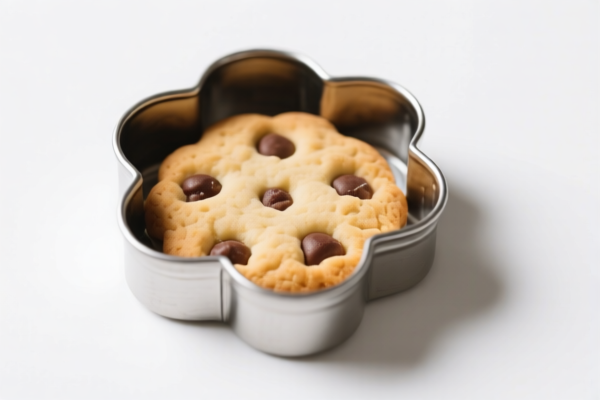
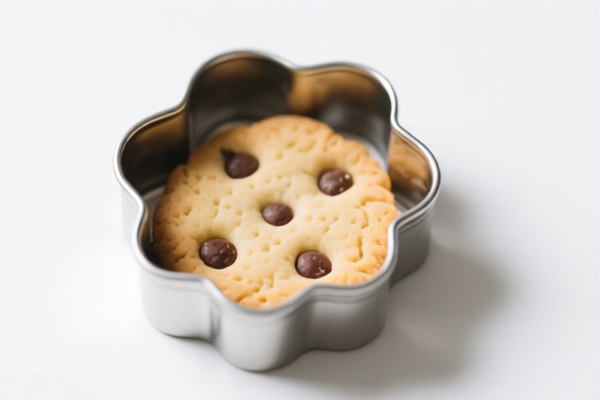
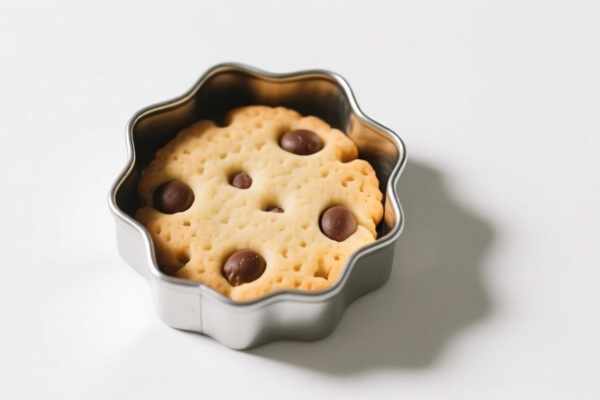
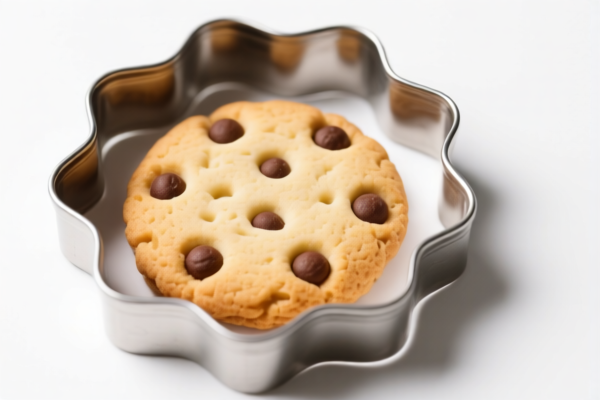
AI Analysis
🍩 Donut Molds (Baking Tools & Cookware)
🌐 HS Code Reference & Customs Clearance Guide | 2026 Latest Tariff Analysis | Professional Clearance Strategy
📌 I. Product Definition & Classification: Do You Really Understand “Donut Molds”?
A donut mold is a kitchen appliance or tool used for baking, frying, or shaping doughnuts. In international trade, classification depends heavily on the material composition and functionality of the product. They are generally categorized into two main groups:
Metal Baking Molds: Typically made of stainless steel, cast iron, or aluminum, used for oven baking. Plastic/Silicone Kitchenware: Made from food-grade plastics, silicone, or coated metals, often used for non-stick baking or specialized kitchen tools.
⚠️ Key Distinction Point:
- If made of Iron/Steel → Classified under Chapter 73 (Articles of Iron or Steel) as baking ware.
- If made of Plastic/Silicone → Classified under Chapter 39 (Plastics and Articles Thereof) as tableware/kitchenware.
- Note: The presence of non-stick coatings (like silicone) on metal molds often shifts the classification from Chapter 73 to Chapter 39 if the plastic/silicone constitutes the essential character.
📦 II. HS Code Classification Details (2026 Latest Tariff Authority Comparison)
| HS Code | Product Description | Application Scenario | Material Composition | Total Tax Rate* |
|---|---|---|---|---|
7323.93.00.35 |
Stainless steel or iron donut baking trays, belonging to baking appliances | Oven baking, professional kitchen use | Stainless Steel / Iron | 62.0% |
3924.10.40.00 |
Plastic or metal donut molds, belonging to cookware category | General household baking, non-stick | Plastic / Coated Metal | 13.4% |
3924.90.56.50 |
Silicone donut baking tools, belonging to kitchen baking tools | Flexible baking, easy release | Silicone | 20.9% |
3924.10.40.00 |
Silicone donut baking tools, belonging to plastic tableware & cookware | Flexible baking, food-grade silicone | Plastic/Silicone blend | 13.4% |
7323.91.50.20 |
Cast iron donut molds, belonging to baking appliances | Traditional baking, heat retention | Cast Iron | 15.3% |
🔍 Key Reminder:
- Metal (Iron/Steel): Falls under 7323. However, be aware of the Section 301/122 tariffs which significantly increase the cost for steel/aluminum products.
- Plastic/Silicone: Falls under 3924. Generally lower base tariffs, but verify if "silicone" is classified as plastic (3924) or rubber (depending on specific composition). The provided data groups silicone under 3924 (Plastics).
- Cast Iron: Specific subheading7323.91for cast iron articles.
💰 III. 2026 Latest Tariff Rate Breakdown (Including Surtaxes & Policy Add-ons)
✅ Applicable Country: United States (US)
✅ Origin: China (CN)
✅ Effective Time: Current tariffs including Section 301 and Section 232/122 add-ons.
🎯 1. 7323.93.00.35 —— Stainless Steel or Iron Donut Molds
| Item | Content |
|---|---|
| Base Tariff | 2.0% |
| Section 232 Tariff (Steel) | 0.0% (Note: Data specifies 0% for this specific code, but verify latest updates as Section 232 often applies to raw steel. The data provided lists 0% here.) |
| Section 301 / 122 Tariff | 10% (Standard) + 50% (Specific Surcharge for Steel/Aluminum/Copper Products) |
| Total Tax Rate | 62.0% |
| Tax Calculation | CIF Value × 62% |
| Legal Basis | Base Tariff + Section 301 (10%) + Section 232/122 Surcharge (50%) |
📌 Explanation:
- This category carries the highest tax burden. The 50% surcharge on steel products is a critical cost driver.
- Impact: High risk to profit margins. Suppliers must price accordingly or seek exemptions.
- Note: The data indicates "0% additional tariff" for Section 301 base, but the 50% surcharge is significant. Total is 2% + 0% + 10% + 50% = 62%.
🎯 2. 7323.91.50.20 —— Cast Iron Donut Molds
| Item | Content |
|---|---|
| Base Tariff | 5.3% |
| Section 301 Tariff | 0.0% |
| Section 122 Tariff | 10% |
| Total Tax Rate | 15.3% |
| Tax Calculation | CIF Value × 15.3% |
| Legal Basis | Base Tariff + Section 301 (0%) + Section 122 (10%) |
📌 Explanation:
- Cast iron is treated differently than stainless steel in this dataset.
- No 50% surcharge applies here, resulting in a much lower total tax of 15.3%.
- Advantage: Significantly more cost-effective than stainless steel molds.
🎯 3. 3924.10.40.00 —— Plastic or Silicone Donut Molds (Plastic Tableware/Cookware)
| Item | Content |
|---|---|
| Base Tariff | 3.4% |
| Section 301 Tariff | 0.0% |
| Section 122 Tariff | 10% |
| Total Tax Rate | 13.4% |
| Tax Calculation | CIF Value × 13.4% |
| Legal Basis | Base Tariff + Section 301 (0%) + Section 122 (10%) |
📌 Explanation:
- Plastic and silicone-based molds fall under Chapter 39.
- Lower base tariff (3.4%) compared to steel.
- Note: Ensure the product is truly plastic/silicone. If it’s metal with a thin plastic coating, customs may still classify it as steel (Chapter 73), leading to higher taxes.
🎯 4. 3924.90.56.50 —— Silicone Donut Baking Tools
| Item | Content |
|---|---|
| Base Tariff | 3.4% |
| Section 301 Tariff | 7.5% |
| Section 122 Tariff | 10% |
| Total Tax Rate | 20.9% |
| Tax Calculation | CIF Value × 20.9% |
| Legal Basis | Base Tariff + Section 301 (7.5%) + Section 122 (10%) |
📌 Explanation:
- Specific silicone tools attract a 7.5% Section 301 surcharge in this classification, unlike the general plastic category (0%).
- Total tax is 20.9%, which is higher than general plastic molds (13.4%) but much lower than steel (62%).
- Strategy: Verify if your silicone product can be classified under3924.10.40.00(0% Section 301) instead of3924.90.56.50(7.5% Section 301) based on specific product design and marketing.
🛠️ IV. Customs Clearance Practical Advice (Pitfall Avoidance Guide)
✅ 1. Preparation Checklist (Mandatory)
| Document | Must Provide | Description |
|---|---|---|
| ✅ Product Specification Sheet | ✔️ | Include material composition (e.g., "100% Food-Grade Silicone" or "Stainless Steel 304"), dimensions, capacity. |
| ✅ Material Certificate | ✔️ | Crucial for distinguishing between Plastic/Silicone (Ch. 39) and Metal (Ch. 73). |
| ✅ Product Photos | ✔️ | Show the product clearly, including any branding, model numbers, and packaging. |
| ✅ Commercial Invoice | ✔️ | Describe goods accurately: "Silicone Donut Mold" vs. "Stainless Steel Donut Pan". |
| ✅ Packing List | ✔️ | Detail net/gross weights and quantity. |
| ✅ FCC/CE/RoHS Compliance | ✔️ | If applicable for electronic components (rare for molds, but check for heated models). |
✅ 2. Declaration Tips (Key Mnemonic)
🔥 "Material is King, Code Determines Cost!"
| Scenario | Correct Declaration | Wrong Action | Consequence |
|---|---|---|---|
| Stainless Steel Mold | HS: 7323.93.00.35 |
Declare as Plastic | Tax Jump: 62% → 13.4% (But if caught, penalties!) |
| Cast Iron Mold | HS: 7323.91.50.20 |
Declare as Stainless Steel | Tax Jump: 15.3% → 62% |
| Silicone Mold | HS: 3924.10.40.00 or 3924.90.56.50 |
Declare as Metal | Tax Jump: 20.9% → 62% |
| Plastic Mold | HS: 3924.10.40.00 |
Declare as Silicone (if not applicable) | Potential Audit Risk |
📌 Important:
- Be Honest: Misclassification leads to severe penalties.
- Highlight Material: Clearly state "Silicone" or "Plastic" in the description. Avoid vague terms like "Baking Tool" without material specification.
✅ 3. Special Cases Handling
| Situation | Handling Advice |
|---|---|
| Metal Mold with Non-Stick Coating | If coating is silicone/plastic, try to justify classification under Ch. 39. If metal is the essential character, Ch. 73 applies. |
| Set with Handle (Plastic Handle + Metal Body) | Generally classified by the essential character (Metal). Expect 62% unless handle is removable and declared separately. |
| Silicone Mat for Donuts | Check if it fits 3924.90.56.50. Consider if it can be classified as 3924.10.40.00 for lower Section 301 tax. |
| OEM Custom Molds | Provide customer design drawings to prove intent and material usage. |
🌍 V. Global Market Comparison (2026 Latest)
| Country/Region | Recommended HS Code | Estimated Total Tax (China Origin) | Notes |
|---|---|---|---|
| 🇺🇸 USA | 7323.93.00.35 (Steel) |
62.0% | High Section 232/301 tariffs on steel. |
| 🇺🇸 USA | 7323.91.50.20 (Cast Iron) |
15.3% | More favorable than stainless steel. |
| 🇺🇸 USA | 3924.10.40.00 (Plastic) |
13.4% | Lowest tax for plastic items. |
| 🇺🇸 USA | 3924.90.56.50 (Silicone) |
20.9% | Moderate tax, but higher than general plastic. |
| 🇪🇺 EU | Similar Codes | 0-6% | No Section 301/232. VAT applies. |
| 🇨🇳 China | Similar Codes | 5-10% | Import duty for Chinese exports back to China (if applicable). |
📌 Conclusion:
- USA Market: Material choice is critical. Plastic/Silicone is vastly cheaper in terms of tariffs than Steel.
- Strategy: If feasible, switch from stainless steel molds to silicone or plastic molds to save ~48% in taxes.
- Cast Iron: A middle ground with moderate tax (15.3%) and premium product perception.
📌 VI. Common Errors & Pitfall Guide (Blood & Tears Lessons)
❌ Error 1: Declaring a Stainless Steel mold as "Plastic" to avoid 62% tax.
👉 Consequence: Customs seizure, heavy fines, and potential blacklisting.
❌ Error 2: Using generic terms like "Baking Pan" without specifying material.
👉 Consequence: Customs will use their best judgment, often defaulting to the higher-rated or ambiguous code, causing delays.
❌ Error 3: Not distinguishing between Silicone and Rubber.
👉 Consequence: Misclassification under Chapter 40 (Rubber) vs. Chapter 39 (Plastic) can lead to different tax rates and regulatory requirements.
❌ Error 4: Ignoring the 50% Steel Surcharge.
👉 Consequence: Unexpected costs wiping out profit margins on stainless steel products.
✅ Correct Approach:
"Silicone Donut Mold, Food Grade, Flexible, Non-Stick, Model XYZ" → HS:
3924.10.40.00
"Stainless Steel Donut Baking Tray, Commercial Grade" → HS:7323.93.00.35
🎯 VII. Conclusion: Smart Classification, Maximize Profit!
🎯 Remember the Mnemonic:
🔹 "Steel 62, Cast Iron 15, Plastic 13, Silicone 20."
🔹 "Material determines cost, code saves the day!"
📌 Tips:
- If you are exporting to the US, strongly consider Silicone or Plastic molds to minimize tax impact.
- If Steel is required for quality, factor in the 62% tax into your pricing strategy.
- Pre-clearance Ruling: For large volumes, apply for an Advance Ruling from US Customs to confirm the HS Code and tax rate.
📣 Take Action Now:
📞 Consult with a Licensed Customs Broker
📄 Verify Material Certificates
🚀 Optimize Product Mix (Plastic/Silicone vs. Steel) for Profitability!
✨ Professional Clearance Starts with Accurate Classification!
💼 Every Dollar Saved in Tax is a Dollar of Pure Profit!
Customer Reviews
About HS Code Classification
The Harmonized System (HS) is an internationally standardized nomenclature developed by the World Customs Organization (WCO) to classify traded products. Over 200 countries use the HS system as the basis for customs tariffs, trade statistics, and import/export regulations.
Each HS code follows a hierarchical structure:
- Chapter (2 digits) — Broad category of goods (e.g., Chapter 84: Machinery and Mechanical Appliances)
- Heading (4 digits) — More specific grouping within the chapter
- Subheading (6 digits) — Internationally standardized breakdown, used by all WCO member countries
- National subdivisions (8-10 digits) — Country-specific extensions for further classification, such as US HTSUS 10-digit codes
Correct HS code classification is essential for smooth customs clearance, accurate duty payment, and compliance with trade regulations. Misclassification can lead to customs delays, overpayment of duties, or penalties.
When importing from CN to US, the applicable tariff rates may include:
- Most-Favored-Nation (MFN) rate — The standard duty rate applied to WTO members
- General rate — Applied to countries without trade agreements
- Trade remedy duties — Additional tariffs such as Section 301 (anti-dumping), Section 232 (national security), or countervailing duties
The information provided on this page is for reference purposes only. For official classification, please consult with your local customs authority or a licensed customs broker.