dried clover hay
CN → US| HS Code | Tariff Rate | Origin | Destination | Doc |
|---|---|---|---|---|
| 1213000000 | 35.0% | CN | US | Official Doc |
| 1213000000 | 35.0% | CN | US | Official Doc |
| 2309901050 | 35.0% | CN | US | Official Doc |
| 2309909500 | 36.4% | CN | US | Official Doc |
| 1214900030 | 35.0% | CN | US | Official Doc |
| 1214900025 | 35.0% | CN | US | Official Doc |
Product Images
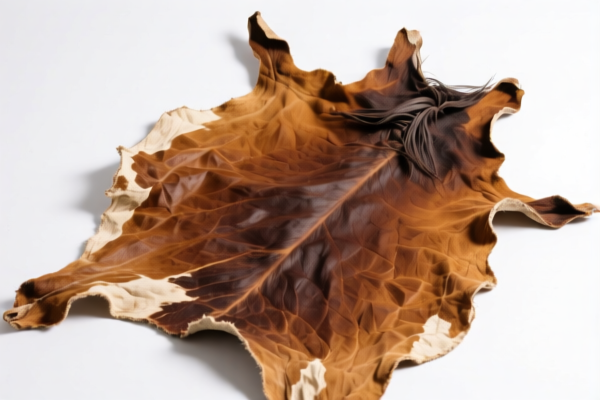
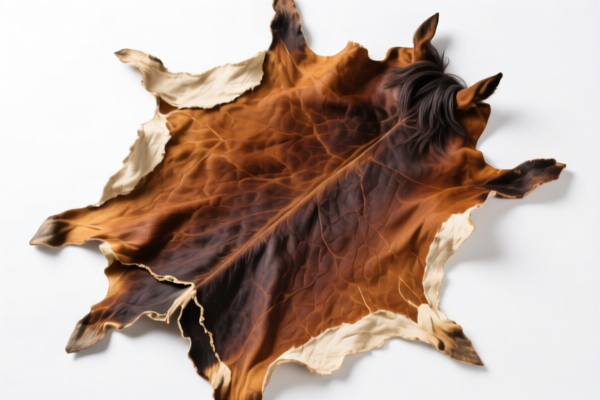
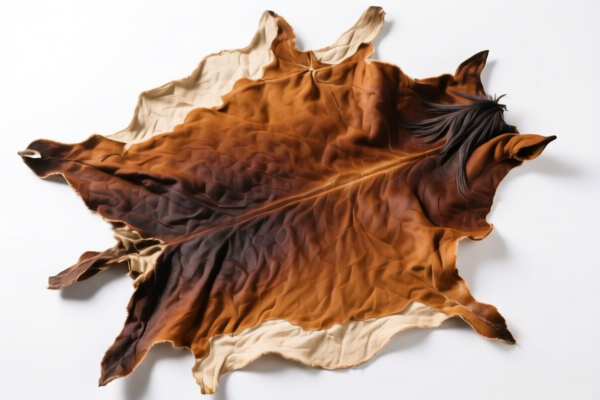

AI Analysis
🌿 Dried Clover Hay (Forage Products)
🌐 HS Code Reference & Customs Clearance Guide | 2026 Latest Tariff Analysis | Professional Import Strategy for Animal Feed & Agricultural Products
📌 I. Product Definition & Classification: What is "Dried Clover Hay"?
Dried clover hay is a primary forage product used extensively in animal feeding (cattle, sheep, horses, rabbits). In international trade, it falls under Chapter 12 of the Harmonized System (HS), specifically within the category of prepared forage products.
Key Characteristics: * Source: Clover plants (Trifolium spp.). * Processing: Dried, chopped, or pressed (pelletized). * Preparation Status: Unprepared or merely chopped/ground for direct consumption. * Destination: Primarily for animal feeding.
⚠️ Critical Distinction:
- If the product is pure clover processed for feed → Classified under 1214.90.00.30 (Clover).
- If the product is a mixed feed (clover + grains + additives) → Classified under 2309.90 (Animal Feed Preparations).
- If the product is straw/husks mixed with clover residue → Classified under 1213.00.00.00.
📦 II. HS Code Classification Details (2026 Latest Tariff Authority)
Based on the provided data, here are the relevant HS Codes for Dried Clover Hay and related forage products:
| HS Code | Product Description | Application Scenario | Key Differentiator |
|---|---|---|---|
1214.90.00.30 |
Rutabagas, mangolds, fodder roots, hay, alfalfa, clover, sainfoin...: Other Clover | Pure dried clover hay, chopped or pressed. | Pure Clover Forage. Main code for clover hay. |
1214.90.00.25 |
...: Other Hay: Other | Hay from other plants (e.g., timothy, alfalfa if not specified as clover). | Non-Clover Hay. Use if not pure clover. |
1213.00.00.00 |
Cereal straw and husks, unprepared, whether or not chopped, ground, pressed or in pellet form | Straw residues, husks, if mixed with clover or misclassified as straw. | Straw/Husks. Only if primarily cereal straw, not clover. |
2309.90.10.50 |
Preparations for animal feeding: Mixed feeds or mixed feed ingredients | Clove hay mixed with grains, vitamins, or other additives. | Mixed Feed. If processed into a complete feed mix. |
2309.90.95.00 |
Preparations for animal feeding: Other: Other: Other: Other: Other | Unspecified animal feed preparations not covered elsewhere. | Miscellaneous Feed. Last resort for unclassified feeds. |
🔍 Key Reminder:
- For pure dried clover hay, the correct HS Code is1214.90.00.30.
- Do NOT classify pure clover hay under1213.00.00.00(Straw) unless it is predominantly cereal straw residue.
- If the clover is mixed with other feed ingredients (e.g., corn, soybean meal), it may fall under2309.90.10.50.
💰 III. 2026 Latest Tariff Rate Detailed Explanation (Including Surcharges & Policy Add-ons)
✅ Applicable Country: United States (US)
✅ Origin: China (CN)
✅ Effective Date: From November 10, 2025 (including subsequent imports)
🎯 1. 1214.90.00.30 —— Clover (Pure Forage Hay)
| Item | Details |
|---|---|
| Base Tariff Rate | 0.0% (ad valorem) |
| Additional Tariff (Section 301) | +25.0% |
| Total Tariff Rate | 25.0% |
| Tax Calculation | CIF Value × 25.0% |
| De Minimis Exemption | ❌ Not Eligible (Deny De Minimis) |
| Legal Basis | Section 301 Tariffs on Chinese Goods |
📌 Explanation:
- "Base Tariff 0%": Agricultural forage products like hay often have zero base duty to support livestock farming.
- "Additional Tariff 25%": This is the Section 301 surcharge applied to goods originating from China.
- Total Cost Impact: Even though the base rate is 0%, the 25% surcharge significantly increases the landed cost.
- No De Minimis: Small shipments cannot bypass customs duties. All imports are subject to the full 25% tax.
🎯 2. 1213.00.00.00 —— Cereal Straw and Husks
| Item | Details |
|---|---|
| Base Tariff Rate | 0.0% |
| Additional Tariff (Section 301) | +25.0% |
| Total Tariff Rate | 25.0% |
| Tax Calculation | CIF Value × 25.0% |
| De Minimis Exemption | ❌ Not Eligible |
📌 Note:
- If your product is mistakenly classified as "straw" instead of "clover hay," the tax rate is identical (25%).
- However, misclassification can lead to customs penalties or delayed clearance.
🎯 3. 2309.90.10.50 —— Mixed Feeds (Clover + Other Ingredients)
| Item | Details |
|---|---|
| Base Tariff Rate | 0.0% |
| Additional Tariff (Section 301) | +25.0% |
| Total Tariff Rate | 25.0% |
| Tax Calculation | CIF Value × 25.0% |
🎯 4. 2309.90.95.00 —— Other Animal Feed Preparations
| Item | Details |
|---|---|
| Base Tariff Rate | 1.4% |
| Additional Tariff (Section 301) | +25.0% |
| Total Tariff Rate | 26.4% |
| Tax Calculation | CIF Value × 26.4% |
📌 Warning:
- If your product is classified as "Other" feed (2309.90.95.00), the base rate is 1.4%, leading to a higher total tax (26.4%).
- Always aim for1214.90.00.30(25% total) or2309.90.10.50(25% total) to avoid the extra 1.4%.
🛠️ IV. Customs Clearance Practical Advice (Pitfall Avoidance Guide)
✅ 1. Required Documentation Checklist (Mandatory)
| Document | Must Provide | Purpose |
|---|---|---|
| ✅ Phytosanitary Certificate | ✔️ Critical | Issued by the exporting country's plant protection agency. Proves the hay is free from pests, diseases, and prohibited seeds. No cert = No entry. |
| ✅ Commercial Invoice | ✔️ | Must clearly state: "Dried Clover Hay," HS Code 1214.90.00.30, Value, Origin (China). |
| ✅ Packing List | ✔️ | Details weight, number of bales/pellets, and dimensions. |
| ✅ Bill of Lading/Air Waybill | ✔️ | Proof of shipment. |
| ✅ Origin Certificate (CO) | ✔️ | To confirm origin as China. Note: No preferential tariff is available for China-US trade in this category. |
| ✅ Product Description Declaration | ✔️ | Specify if chopped, pressed, or pelletized. |
📌 Key Tip:
- APHIS (Animal and Plant Health Inspection Service) is the primary US agency regulating hay imports.
- Ensure the hay is completely dry and free of soil, stones, or organic debris to avoid rejection.
✅ 2. Declaration Best Practices
🔥 "Be Specific: 'Dried Clover Hay' Not Just 'Forage'"
| Scenario | Correct Declaration | Incorrect Declaration | Consequence |
|---|---|---|---|
| Pure Clover Hay | "Dried Clover Hay, Chopped, for Animal Feed" | "Forage Mix" or "Hay" | Risk of misclassification → 26.4% or delays |
| Pelletized Clover | "Clover Hay Pellets, 1214.90.00.30" | "Animal Feed Supplement" | May fall under 2309.90.95.00 → Higher tax |
| Mixed with Grains | "Mixed Animal Feed, 2309.90.10.50" | "Pure Clover Hay" | Misdeclaration → Penalties + Back Taxes |
✅ 3. Special Case Handling
| Situation | Handling Advice |
|---|---|
| Import from China | Expect 25% additional tariff. Factor this into your pricing. No exemptions available. |
| Phytosanitary Issues | If pests are detected, the shipment may be destroyed or returned at your expense. |
| Pelletized vs. Baled | Both are classified under 1214.90.00.30. Ensure density and packaging comply with US standards. |
| Small Samples | Even small samples require a Phytosanitary Certificate. De Minimis does not apply. |
🌍 V. Global Market Comparison (2026 Latest)
| Country/Region | Recommended HS Code | Tariff (China Origin) | Certification | Notes |
|---|---|---|---|---|
| 🇺🇸 USA | 1214.90.00.30 |
25% (Section 301) | Phytosanitary Cert | High tax barrier. Strict APHIS checks. |
| 🇨🇳 China | 1214.90.00.30 |
0% | N/A | No import tax on clover hay. |
| 🇪🇺 EU | 1214.90 |
Varies (0-10%) | Phytosanitary Cert | Strict on GMOs and pesticides. |
| 🇯🇵 Japan | 1214.90 |
0-3% | Phytosanitary Cert | Low tariffs, strict quality standards. |
| 🇸🇬 Singapore | 1214.90 |
0% | N/A | Easy import, low tax. |
📌 Conclusion:
- USA is the most challenging market due to 25% Section 301 tariffs and strict phytosanitary rules.
- Consider sourcing from non-China origins (e.g., Canada, EU) if possible to avoid surcharges, but note that phytosanitary requirements still apply.
📌 VI. Common Mistakes & Pitfall Guide (Lessons Learned)
❌ Mistake 1: Using "Hay" as a generic description without specifying "Clover"
👉 Consequence: Customs may classify as 1214.90.00.25 (Other Hay) or 1213.00.00.00 (Straw), leading to audit risks.
❌ Mistake 2: Omitting the Phytosanitary Certificate
👉 Consequence: Shipment rejected or destroyed by APHIS. No refund.
❌ Mistake 3: Declaring Mixed Feed as Pure Clover Hay
👉 Consequence: Customs Fraud allegations. Heavy fines.
❌ Mistake 4: Ignoring the 25% Surcharge in Cost Calculations
👉 Consequence: Unexpected costs erode profit margins. Always budget for 25% additional tax.
✅ Correct Practice:
"Dried Clover Hay, Chopped, HS Code: 1214.90.00.30, Origin: China, Phytosanitary Certificate Attached, Subject to 25% Section 301 Tariff."
🎯 VII. Conclusion: Professional Clearance, Cost Control, and Compliance
🎯 Remember:
🔹 "Phytosanitary Cert is King: No Cert, No Entry."
🔹 "25% Tariff is Inevitable for China Origin: Plan Your Pricing."
🔹 "Be Specific: 'Clover' Not 'Hay' to Avoid Misclassification."
📌 Pro Tip:
If you are importing large volumes, consider applying for a Tariff Engineering Ruling or consulting a customs broker to ensure correct classification.
For non-China origins, you may benefit from lower tariffs, but ensure phytosanitary compliance remains strict.
📣 Immediate Action:
📞 Contact a Licensed Customs Broker + Secure Phytosanitary Certificate + Verify HS Code
🚀 Ensure Smooth Customs Clearance, Avoid Delays, and Protect Your Profits!
✨ Professional Clearance Starts with Accurate Classification!
💼 Every Penny of Tax Cost Should Be Precisely Calculated!
Customer Reviews
About HS Code Classification
The Harmonized System (HS) is an internationally standardized nomenclature developed by the World Customs Organization (WCO) to classify traded products. Over 200 countries use the HS system as the basis for customs tariffs, trade statistics, and import/export regulations.
Each HS code follows a hierarchical structure:
- Chapter (2 digits) — Broad category of goods (e.g., Chapter 84: Machinery and Mechanical Appliances)
- Heading (4 digits) — More specific grouping within the chapter
- Subheading (6 digits) — Internationally standardized breakdown, used by all WCO member countries
- National subdivisions (8-10 digits) — Country-specific extensions for further classification, such as US HTSUS 10-digit codes
Correct HS code classification is essential for smooth customs clearance, accurate duty payment, and compliance with trade regulations. Misclassification can lead to customs delays, overpayment of duties, or penalties.
When importing from CN to US, the applicable tariff rates may include:
- Most-Favored-Nation (MFN) rate — The standard duty rate applied to WTO members
- General rate — Applied to countries without trade agreements
- Trade remedy duties — Additional tariffs such as Section 301 (anti-dumping), Section 232 (national security), or countervailing duties
The information provided on this page is for reference purposes only. For official classification, please consult with your local customs authority or a licensed customs broker.