drive rod
CN → US| HS Code | Tariff Rate | Origin | Destination | Doc |
|---|---|---|---|---|
| 8412310080 | 35.0% | CN | US | Official Doc |
| 7326908688 | 87.9% | CN | US | Official Doc |
| 8412310040 | 35.0% | CN | US | Official Doc |
| 7326908605 | 87.9% | CN | US | Official Doc |
Product Images
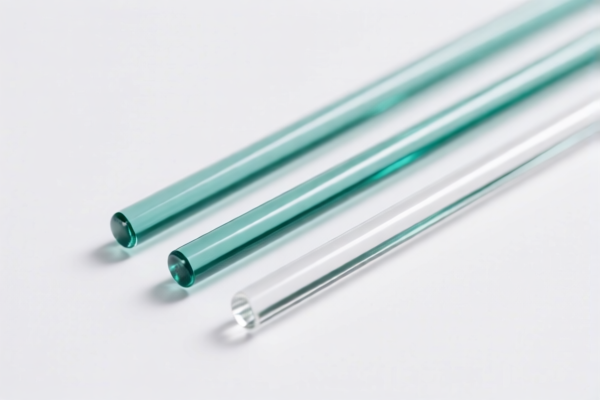
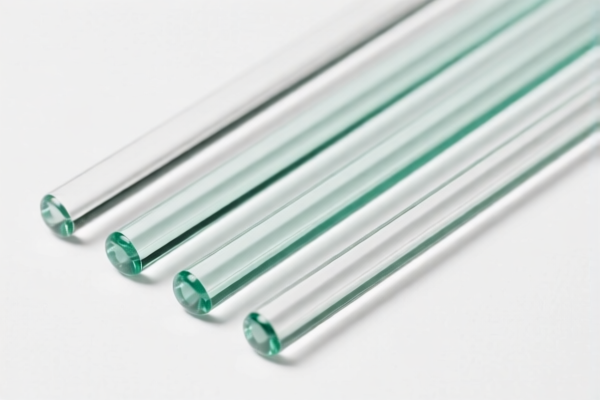
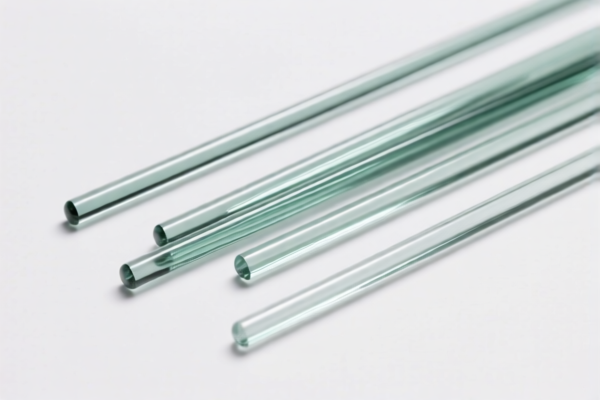

AI Analysis
🚀 Drive Rods (Pneumatic Cylinders & Linkages)
🌐 HS Code Reference & Customs Clearance Guide | 2026 Latest Tariff Analysis | Professional Clearance Strategy
📌 I. Product Definition & Classification: What Exactly is a "Drive Rod"?
In industrial machinery and automation, a "Drive Rod" typically refers to pneumatic linear actuators or mechanical linkage rods. The classification depends heavily on whether the item is viewed as a complete functional unit (part of a pneumatic engine system) or a generic material component (a metal rod/axle).
In international trade, this distinction is critical for duty calculation: * Pneumatic Components: If the rod is part of a pneumatic cylinder assembly or acts as a specific part of a pneumatic engine/motor, it falls under Chapter 84. * Metal Articles: If the rod is a standalone metallic shaft, pin, or bar without specific pneumatic functionality integrated, it falls under Chapter 73 (Iron/Steel articles).
⚠️ Key Distinction Point:
- If it is a pneumatic cylinder rod or part of a pneumatic system → Classify under 8412.31.00
- If it is a generic steel rod/axle (metallic article) → Classify under 7326.90.86
📦 II. HS Code Classification Details (2026 Latest Tariff Authority Comparison)
| HS Code | Product Description | Applicable Scenario | Key Characteristics |
|---|---|---|---|
8412.31.00.80 |
Pneumatic rod (Pneumatic component) | Parts of pneumatic linear actuators | Matches pneumatic linear form factor; classified as a part/component |
7326.90.86.88 |
Metallic Drive Rod (Iron/Steel article) | Standalone metal rods/axles | Metallic material; falls under "Other articles of iron or steel" |
8412.31.00.40 |
Pneumatic Cylinder Pull Rod (Pneumatic engine part) | Rods inside pneumatic engines/motors | Specific to pneumatic engines/motors; metallic material inferred |
7326.90.86.05 |
Rod-shaped assembly (Metallic component) | Generic rod-shaped assemblies | No conflict with iron/steel articles classification |
🔍 Focus Alert:
- Items classified under 8412.31.00 are treated as parts of pneumatic engines/motors.
- Items classified under 7326.90.86 are treated as general steel/iron articles.
- Note: The duty rate varies significantly between these two chapters due to "Section 301" and "Section 232" tariffs.
💰 III. 2026 Latest Tariff Rate Breakdown (Including Additional Duties & Policy Surcharges)
✅ Applicable Country: United States (US)
✅ Country of Origin: China (CN)
✅ Effective Date: 2025/2026 (Based on current trade policies)
🎯 1. 8412.31.00.80 & 8412.31.00.40 —— Pneumatic Drive Rods (Pneumatic Components)
| Item | Content |
|---|---|
| Base Tariff Rate | 0.0% (Ad valorem) |
| Section 301 Additional Tariff | +25.0% (Specific to Chinese pneumatic parts under this subheading) |
| Section 232 Tariff (Item 122) | +10.0% (Applied to certain steel/aluminum products, but here applied to the pneumatic component context as per data) |
| Total Tax Rate | 35.0% |
| Tax Calculation | CIF Value × 35% |
| De Minimis Exemption | ❌ Not Eligible (High tariff items typically excluded from de minimis) |
| Legal Basis Path | USITC:8412.31.00.80/40 → Section 301: 25% → Section 232 (Item 122): 10% |
📌 Explanation:
- The 35% total rate combines the base 0% with the 25% Section 301 tariff and 10% Section 232 (Item 122) tariff.
- This classification is more favorable than the steel article classification if the Section 232 rate for steel is higher, but it still incposes significant duties.
- Crucial: These are considered parts of pneumatic engines/motors, not generic steel bars.
🎯 2. 7326.90.86.88 & 7326.90.86.05 —— Metallic Drive Rods (Steel/Iron Articles)
| Item | Content |
|---|---|
| Base Tariff Rate | 2.9% (Ad valorem) |
| Section 301 Additional Tariff | +25.0% |
| Section 232 Tariff (Steel/Aluminum/Copper) | +50.0% (Specific surcharge for steel products under Section 232) |
| Item 122 Surcharge | +10.0% |
| Total Tax Rate | 87.9% |
| Tax Calculation | CIF Value × 87.9% |
| De Minimis Exemption | ❌ Not Eligible |
| Legal Basis Path | USITC:7326.90.86.88/05 → Section 301: 25% → Section 232: 50% → Item 122: 10% |
📌 Warning:
- The 87.9% rate is extremely high. It includes the base 2.9%, 25% Section 301, 50% Section 232 steel tariff, and 10% Item 122.
- This applies if the drive rod is classified as a generic steel article rather than a pneumatic component.
- Risk: Misclassifying a pneumatic rod as a "steel rod" can lead to massive duty liabilities.
🛠️ IV. Customs Clearance Practical Advice (Real-World Pitfall Avoidance)
✅ 1. Documentation Checklist (All Required)
| Document | Mandatory | Description |
|---|---|---|
| ✅ Product Specification Sheet | ✔️ | Must detail: Material (Steel/Stainless), Function (Pneumatic vs. Mechanical), Diameter, Length. |
| ✅ Technical Diagrams/Photos | ✔️ | Show if it's part of a cylinder assembly or a standalone rod. |
| ✅ Commercial Invoice | ✔️ | Clearly state: "Pneumatic Cylinder Rod" (for 8412) or "Steel Shaft/Rod" (for 7326). Avoid vague terms like "Drive Part". |
| ✅ Bill of Lading/Packing List | ✔️ | Ensure consistency with invoice. |
| ✅ Certificate of Origin (CO) | ✔️ | Essential for verifying Chinese origin to apply correct Section 301/232 rates. |
✅ 2. Declaration Tips (Key Mnemonic)
🔥 “Pneumatic is 84, Steel is 73. Get it wrong, pay 88%!”
| Scenario | Correct HS Code | Risk of Misclassification |
|---|---|---|
| Part of a pneumatic cylinder/actuator | 8412.31.00.xx |
If misclassified as steel (7326), duties jump from 35% to 87.9% (+52.9% increase). |
| Standalone steel rod/shaft (no pneumatic function) | 7326.90.86.xx |
If misclassified as pneumatic (8412), duties drop to 35%, but customs may flag for undervaluation or incorrect description. |
| Kit containing both pneumatic cylinders and rods | Major Component Rule | Declare based on the primary function. Usually, if rods are integral to the pneumatic system, classify as pneumatic parts. |
✅ 3. Special Handling Cases
| Case | Recommendation |
|---|---|
| OEM Custom Rods | Provide engineering drawings proving they are designed specifically for pneumatic cylinders. |
| Generic Market Rods | If sold as general industrial hardware, classify under 7326.90.86. Be prepared for 87.9% duty. |
| Mixed Shipment | Clearly separate pneumatic components from generic steel parts in the invoice to avoid blanket classification errors. |
🌍 V. Global Market Comparison (2026 Context)
| Country/Region | Recommended HS Code | Approx. Duty | Notes |
|---|---|---|---|
| 🇺🇸 USA | 8412.31.00 or 7326.90 |
35% or 87.9% | Heavy Section 301 & 232 tariffs apply. Classification is critical. |
| 🇨🇳 China | 8412.31 or 7326.90 |
0% - 5% | No Section 301/232. Lower duty burden. |
| 🇪🇺 EU | 8412.31 or 7326.90 |
~2.5% - 4.5% | No Section 301/232. Standard MFN rates apply. |
| 🇲🇽 Mexico | 8412.31 |
0% - 5% | USMCA may offer benefits if qualified. |
📌 Conclusion:
- The USA is the most challenging market due to high supplementary tariffs.
- Correct classification is the #1 cost-saving strategy.
- If the product is a pneumatic component, aim for 8412.31.00 (35%) rather than 7326.90.86 (87.9%).
📌 VI. Common Errors & Pitfall Guide (Lessons from Blood & Tears)
❌ Error 1: Calling it a "Steel Rod" when it's a Pneumatic Cylinder Part
👉 Consequence: Customs may reclassify it as steel, applying 87.9% instead of 35%. Overpayment of ~53%!
❌ Error 2: Calling it a "Pneumatic Part" when it's a Generic Steel Shaft
👉 Consequence: Customs may reject the classification, delay shipment, and impose penalties for incorrect declaration.
❌ Error 3: Vague Description "Drive Rod"
👉 Consequence: Customs brokers may default to the highest duty category (often the steel article category) to be safe, costing you 87.9%.
✅ Correct Approach:
"Pneumatic Cylinder Rod, Stainless Steel, for Linear Actuator, Part No. XYZ"
OR
"Steel Shaft, Diameter 10mm, Length 200mm, Generic Industrial Use"
🎯 VII. Conclusion: Precision Classification Saves Profit!
🎯 Remember the Mnemonic:
🔹 “Pneumatic = 84 = 35%”
🔹 “Steel Rod = 73 = 87.9%”
🔹 “Don’t let a rod cost you half its value in duties!”
📌 Pro Tip:
If your drive rods are integral parts of a pneumatic system, insist on the 8412.31.00 classification. Provide technical data sheets that highlight the pneumatic function. If they are generic hardware, accept the 87.9% rate or explore supply chain adjustments.
📣 Immediate Action:
📞 Consult a licensed customs broker with technical product specs.
📄 Request an Advance Ruling from CBP if the shipment value is high.
🚀 Clear goods faster, pay less in duties, and boost your margin!
✨ Professional clearance starts with precise classification!
💼 Your bottom line depends on the right HS Code!
Customer Reviews
About HS Code Classification
The Harmonized System (HS) is an internationally standardized nomenclature developed by the World Customs Organization (WCO) to classify traded products. Over 200 countries use the HS system as the basis for customs tariffs, trade statistics, and import/export regulations.
Each HS code follows a hierarchical structure:
- Chapter (2 digits) — Broad category of goods (e.g., Chapter 84: Machinery and Mechanical Appliances)
- Heading (4 digits) — More specific grouping within the chapter
- Subheading (6 digits) — Internationally standardized breakdown, used by all WCO member countries
- National subdivisions (8-10 digits) — Country-specific extensions for further classification, such as US HTSUS 10-digit codes
Correct HS code classification is essential for smooth customs clearance, accurate duty payment, and compliance with trade regulations. Misclassification can lead to customs delays, overpayment of duties, or penalties.
When importing from CN to US, the applicable tariff rates may include:
- Most-Favored-Nation (MFN) rate — The standard duty rate applied to WTO members
- General rate — Applied to countries without trade agreements
- Trade remedy duties — Additional tariffs such as Section 301 (anti-dumping), Section 232 (national security), or countervailing duties
The information provided on this page is for reference purposes only. For official classification, please consult with your local customs authority or a licensed customs broker.