dropping mold
CN → US| HS Code | Tariff Rate | Origin | Destination | Doc |
|---|---|---|---|---|
| 8480718045 | 38.1% | CN | US | Official Doc |
| 3926909910 | 22.8% | CN | US | Official Doc |
| 3926909989 | 22.8% | CN | US | Official Doc |
| 8480799090 | 38.1% | CN | US | Official Doc |
| 3917290090 | 38.1% | CN | US | Official Doc |
Product Images


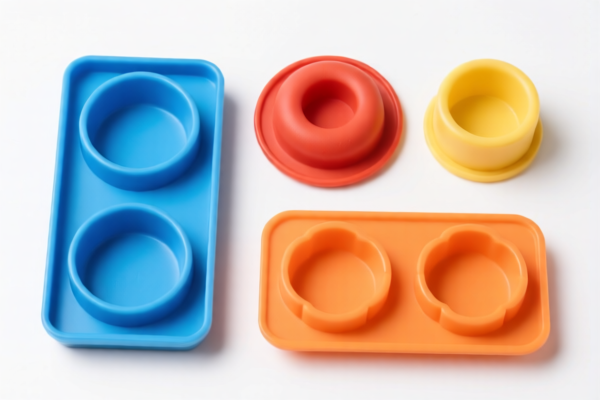
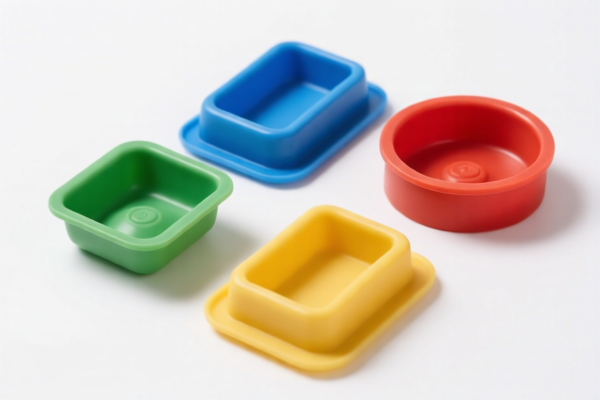
AI Analysis
🖱️ Dropping Mold (Resin/Epoxy Molds)
🌐 HS Code Reference & Customs Clearance Guide | 2026 Latest Tariff Analysis | Professional Customs Strategy
📌 I. Product Definition & Classification: What Exactly is a "Dropping Mold"?
"Dropping Mold" (often referred to as Resin Mold, Epoxy Mold, or Casting Mold) is a tool used in jewelry making, crafts, and industrial prototyping to shape liquid resin, epoxy, silicone, or other materials into specific forms.
In international trade, the classification depends heavily on material composition and manufacturing process:
Plastic/Resin Injection Molds: Made of rigid plastic or synthetic resin, used in injection or compression molding machines. These are considered parts of machinery or molds.
Silicone/Other Plastic Molds: Made of silicone or flexible plastics, used for hand-pouring or low-pressure casting. These are generally classified as other articles of plastic or articles of rubber.
⚠️ Key Distinction Point:
- If the mold is made of hard plastic/resin and fits the definition of an injection or compression mold →归类 to Chapter 84 (Machinery)
- If the mold is made of silicone or general plastic articles not fitting machinery definitions →归类 to Chapter 39 (Plastics/Rubber)
📦 II. HS Code Classification Details (2026 Latest Tariff Authorities)
Based on the provided data, here are the specific HS Codes, descriptions, and tax implications for "Dropping Molds":
| HS Code | Product Description | Material | Total Tax Rate | Tax Breakdown |
|---|---|---|---|---|
8480.71.80.45 |
Dropping Mold, classified as Injection or Compression Molds | Plastic / Resin | 38.1% | Base: 3.1%, Section 301: 25.0%, Section 122: 10% |
8480.79.90.90 |
Dropping Mold, classified as Other Molds | Resin / Plastic | 38.1% | Base: 3.1%, Section 301: 25.0%, Section 122: 10% |
3926.90.99.10 |
Dropping Mold, classified as Other Plastic Articles | Silicone | 22.8% | Base: 5.3%, Section 301: 7.5%, Section 122: 10% |
3926.90.99.89 |
Dropping Mold, classified as Other Plastic Articles | Silicone | 22.8% | Base: 5.3%, Section 301: 7.5%, Section 122: 10% |
3917.29.00.90 |
Dropping Mold, classified as Other Rigid Plastic Pipes/Fittings | Plastic | 38.1% | Base: 3.1%, Section 301: 25.0%, Section 122: 10% |
🔍 Important Note:
- The highest tax rate (38.1%) applies to molds classified under Chapter 84 (Machinery parts) or certain Chapter 39 rigid plastic fittings, due to the high Section 301 tariff. - The lower tax rate (22.8%) applies to silicone-based molds classified as "other plastic articles," reflecting a lower Section 301 addition (7.5% vs 25%). - Section 122 Tariff (10%) is consistently applied across all categories in this dataset, likely referring to specific bilateral or trade agreement surcharges.
💰 III. 2026 Latest Tariff Rate Details (Including Additional Taxes & Policy Surcharges)
✅ Applicable Country: United States (US)
✅ Origin: China (CN) (Inferred from "Section 301" and "Section 122" references)
✅ Effective Date: Current as of 2026 Tariff Schedule
🎯 1. 8480.71.80.45 & 8480.79.90.90 — Plastic/Resin Molds (Machinery Category)
| Item | Detail |
|---|---|
| Base Tariff | 3.1% (Ad Valorem) |
| Section 301 Surcharge | +25.0% (High tariff impact) |
| Section 122 Surcharge | +10.0% |
| Total Tax Rate | 38.1% |
| Tax Calculation | CIF Value × 38.1% |
| De Minimis Exemption | ❌ Not Eligible (Deny De Minimis) |
| Legal Basis Path | USITC:8480.71.80.45 → Section 301 → Section 122 |
📌 Explanation:
- These molds are classified as "molds for rubber or plastics" under Chapter 84.
- The 25% Section 301 tariff is the primary driver of cost, added on top of the base rate.
- This is a high-cost category, requiring precise classification to avoid misdeclaration penalties.
🎯 2. 3926.90.99.10 & 3926.90.99.89 — Silicone Molds (Other Plastic Articles)
| Item | Detail |
|---|---|
| Base Tariff | 5.3% (Ad Valorem) |
| Section 301 Surcharge | +7.5% (Lower than machinery category) |
| Section 122 Surcharge | +10.0% |
| Total Tax Rate | 22.8% |
| Tax Calculation | CIF Value × 22.8% |
| De Minimis Exemption | ❌ Not Eligible (Deny De Minimis) |
| Legal Basis Path | USITC:3926.90.99.10 → Section 301 → Section 122 |
📌 Explanation:
- Silicone molds are often classified as "other articles of plastic" under Chapter 39.
- The Section 301 surcharge is significantly lower (7.5%), making this a more cost-effective classification if legally applicable.
- Ensure the product is truly silicone-based and not a rigid plastic injection mold.
🎯 3. 3917.29.00.90 — Rigid Plastic Pipe/Fitting Classification
| Item | Detail |
|---|---|
| Base Tariff | 3.1% |
| Section 301 Surcharge | +25.0% |
| Section 122 Surcharge | +10.0% |
| Total Tax Rate | 38.1% |
| Tax Calculation | CIF Value × 38.1% |
| De Minimis Exemption | ❌ Not Eligible |
| Legal Basis Path | USITC:3917.29.00.90 → Section 301 → Section 122 |
📌 Warning:
- Classifying a mold as "pipe/fitting" is highly unusual and likely incorrect unless the mold is literally a hollow plastic tube structure used for casting pipes.
- This classification carries the highest tax burden (38.1%) and may trigger customs scrutiny for misclassification.
🛠️ IV. Customs Clearance Practical Advice (Real-World Pitfall Guide)
✅ 1. Required Documentation Checklist (All are Mandatory)
| Document | Must Provide? | Description |
|---|---|---|
| ✅ Product Specification Sheet | ✔️ | Must specify: Material (Silicone vs. Hard Plastic), Mold Type (Injection vs. Hand Pour), Dimensions |
| ✅ Product Photos | ✔️ | Clear images showing material texture, flexibility (for silicone), and any branding/model numbers |
| ✅ Commercial Invoice | ✔️ | Must clearly state "Resin Mold" or "Dropping Mold" with precise material description |
| ✅ Packing List | ✔️ | Detail items per box to avoid partial shipment confusion |
| ✅ Material Declaration | ✔️ | Explicitly state if silicone, ABS, PC, or other resin. This determines Chapter 39 vs. 84 |
| ✅ Certificate of Origin (CO) | ✔️ | If available, to verify origin for Section 301 applicability |
✅ 2. Declaration Strategy (Key Mnemonics)
🔥 “Material Determines Chapter, Process Determines Code, Accuracy Saves Money!”
| Scenario | Correct HS Code | Incorrect Declaration | Consequence |
|---|---|---|---|
| Silicone Mold (Hand-pour) | 3926.90.99.10 / 3926.90.99.89 |
Classify as 8480 (Machinery) |
Overpaid Tax (22.8% vs 38.1%) |
| Hard Plastic Injection Mold | 8480.71.80.45 / 8480.79.90.90 |
Classify as 3926 (Plastic Articles) |
Underpaid Tax → Fine + Back Taxes |
| Rigid Plastic Tube-like Mold | 3917.29.00.90 |
Classify as 8480 |
High Tax (38.1%) + Risk of Rejection |
| Mixed Material Mold | Check Primary Function | Vague Description "Mold" | Customs Delay + Re-classification Fees |
✅ 3. Special Situations Handling
| Situation | Handling Advice |
|---|---|
| Silicone vs. Plastic Confusion | Provide material test reports (e.g., FTIR analysis) to prove silicone content for lower Section 301 rate |
| OEM Custom Molds | Include customer order specs showing mold is for specific part production, supporting Chapter 84 classification if applicable |
| Small Scale / Samples | Still subject to 38.1% or 22.8%; no de minimis exemption. Declare accurately |
| Mold + Resin Kit Shipped Together | Declare separately. Mold = HS Code; Resin = Different HS Code. Do not combine to avoid valuation disputes |
🌍 V. Global Market Comparison (2026 Latest)
| Country/Region | Recommended HS Code | Estimated Tariff | Certification Requirements | Notes |
|---|---|---|---|---|
| 🇺🇸 USA | 3926.90.99.10 (Silicone) |
22.8% | No special certs | Best for silicone molds due to lower Section 301 |
| 🇺🇸 USA | 8480.71.80.45 (Plastic) |
38.1% | None | High tax for rigid molds |
| 🇨🇳 China | 3926.90.99.10 |
Low (e.g., 5-10%) | None | No Section 301/122 surcharges |
| 🇪🇺 EU | 8480.71.80 |
Varies (e.g., 4-6%) | CE (if electrical) | No Section 301 equivalent |
| 🇬🇧 UK | 3926.90.99 |
Varies | UKCA | Post-Brexit rules apply |
📌 Conclusion:
- USA is the most costly market due to Section 301 and Section 122 tariffs.
- Silicone molds (3926) are significantly cheaper to import into the US than rigid plastic injection molds (8480).
- Material proof is critical for US customs clearance.
📌 VI. Common Errors & Pitfalls (Lessons Learned)
❌ Error 1: Classifying silicone molds as injection molds (8480)
👉 Consequence: Pay 38.1% instead of 22.8% → Extra 15.3% tax!
❌ Error 2: Classifying hard plastic molds as generic plastic articles (3926)
👉 Consequence: Customs audits → Back taxes + Penalties for underpayment
❌ Error 3: Using vague descriptions like "Craft Mold"
👉 Consequence: Customs delays → Storage fees and potential seizure
❌ Error 4: Ignoring Section 122 Tariff
👉 Consequence: Unexpected 10% surcharge on all imports → Budget overruns
✅ Correct Approach:
“Silicone Resin Mold, Food-Grade, Reusable, 10cm x 10cm, HS Code 3926.90.99.10”
🎯 VII. Conclusion: Precise Classification Saves Money!
🎯 Remember the Key Points:
🔹 “Silicone = 22.8% | Hard Plastic/Machinery = 38.1%”
🔹 “Material Proof is King for US Customs”
🔹 “Vague Descriptions Lead to Delays and Penalties”
📌 Pro Tip:
If you ship large volumes, consider:
1. Applying for a Binding Ruling from CBP to confirm HS Code before shipment.
2. Optimizing Material Composition: If possible, use silicone-based materials for non-injection molds to benefit from the lower Section 301 rate (7.5%).
📣 Immediate Action:
📞 Consult with a licensed customs broker.
📸 Prepare high-res photos and material specs.
📝 Declare accurately: “Dropping Mold [Silicone/Plastic]” + Exact HS Code.
✨ Professional Clearance Starts with Accurate Classification!
💼 Every Percentage Point of Tariff Matters!
Customer Reviews
About HS Code Classification
The Harmonized System (HS) is an internationally standardized nomenclature developed by the World Customs Organization (WCO) to classify traded products. Over 200 countries use the HS system as the basis for customs tariffs, trade statistics, and import/export regulations.
Each HS code follows a hierarchical structure:
- Chapter (2 digits) — Broad category of goods (e.g., Chapter 84: Machinery and Mechanical Appliances)
- Heading (4 digits) — More specific grouping within the chapter
- Subheading (6 digits) — Internationally standardized breakdown, used by all WCO member countries
- National subdivisions (8-10 digits) — Country-specific extensions for further classification, such as US HTSUS 10-digit codes
Correct HS code classification is essential for smooth customs clearance, accurate duty payment, and compliance with trade regulations. Misclassification can lead to customs delays, overpayment of duties, or penalties.
When importing from CN to US, the applicable tariff rates may include:
- Most-Favored-Nation (MFN) rate — The standard duty rate applied to WTO members
- General rate — Applied to countries without trade agreements
- Trade remedy duties — Additional tariffs such as Section 301 (anti-dumping), Section 232 (national security), or countervailing duties
The information provided on this page is for reference purposes only. For official classification, please consult with your local customs authority or a licensed customs broker.