dry equine sole leather
CN → US| HS Code | Tariff Rate | Origin | Destination | Doc |
|---|---|---|---|---|
| 4113903000 | 38.3% | CN | US | Official Doc |
| 4113906000 | 36.6% | CN | US | Official Doc |
| 4115100000 | 35.0% | CN | US | Official Doc |
| 4115200000 | 17.5% | CN | US | Official Doc |
| 4106920000 | 38.3% | CN | US | Official Doc |
| 4106910000 | 38.3% | CN | US | Official Doc |
Product Images
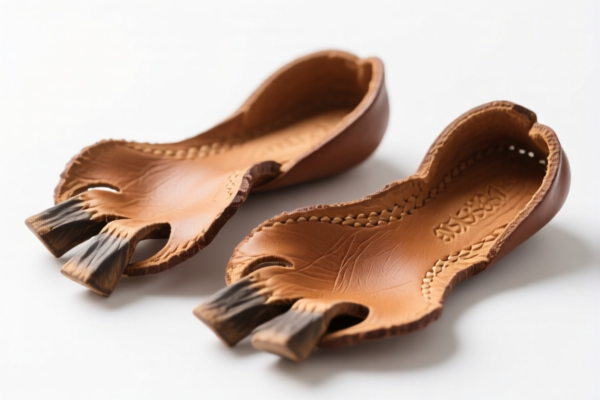
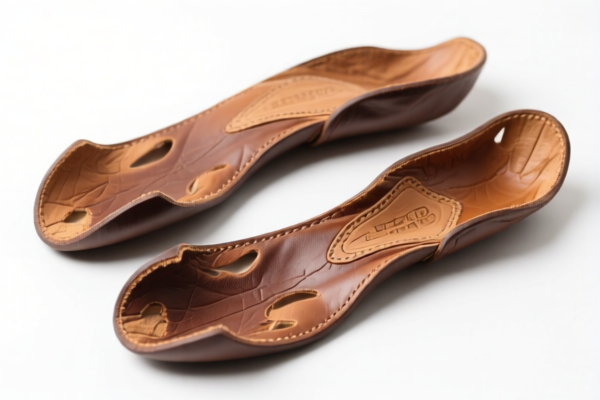
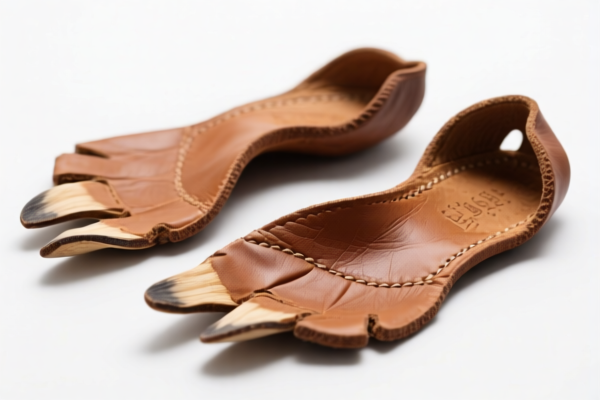
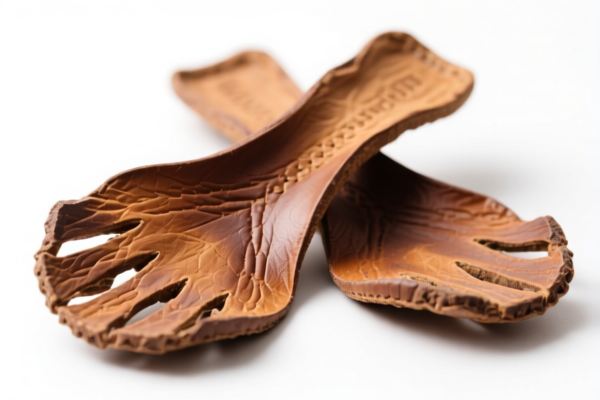
AI Analysis
🐎 Dry Equine Sole Leather
🌐 HS Code Classification & Customs Clearance Guide | 2026 Updated Tariff Analysis | Expert-Level Compliance Strategy
📌 One of the Most Critical Leather Categories in International Trade – Know the Rules Before You Ship!
📦 一、Product Definition & Classification: What Exactly Is “Dry Equine Sole Leather”?
Dry equine sole leather refers to tanned or crust skins of horses (equine), with no hair or wool remaining, processed into sole leather (typically used for shoe soles), and dried in the final state — meaning it's not in wet or wet-blue condition, nor further processed (e.g., dyed, embossed, or finished).
⚠️ Key Classification Clues: - Source animal: Horse (not cattle, sheep, or other animals) - Condition: Dry state (crust), not wet or wet-blue - Surface: No hair or wool on the surface - Processing: Tanned or crust-treated, but not further prepared (e.g., not dyed, not finished, not cut into shapes) - Use: Sole leather (intended for shoe soles, industrial soles, etc.)
🔍 Critical Note:
This is not finished leather (like fancy or non-fancy leather), nor is it waste or parings. It is raw, tanned, and dried — but not further processed.
📊 二、HS Code Classification Breakdown (2026 Official Tariff Authority)
| HS Code | Product Description | Applicable Scenario | Key Notes |
|---|---|---|---|
4106.92.00.00 |
Tanned or crust skins of other animals, without wool or hair on, whether or not split, but not further prepared: Other: In the dry state (crust) | Dry equine sole leather (horse skin, tanned, no hair, not further processed) | ✅ This is the correct HS Code |
4106.91.00.00 |
Tanned or crust skins of other animals, without wool or hair on, whether or not split, but not further prepared: Other: In the wet state (including wet-blue) | Wet or wet-blue equine leather | ❌ Not applicable (your product is dry) |
4115.10.00.00 |
Composition leather with a basis of leather or leather fiber, in slabs, sheets or strip | Synthetic or composite leather | ❌ Not applicable (your product is natural leather) |
4115.20.00.00 |
Parings and other waste of leather or of composition leather, not suitable for manufacture | Leather scraps, dust, powder | ❌ Not applicable (your product is full-skin, not waste) |
4113.90.30.00 |
Leather further prepared after tanning or crusting, not fancy | Finished leather (e.g., dyed, buffed, split) | ❌ Not applicable (not further prepared) |
4113.90.60.00 |
Leather further prepared after tanning or crusting, fancy | Decorative, high-end leather | ❌ Not applicable (not fancy) |
✅ Final Verdict:
Dry equine sole leather must be classified under:🔹
4106.92.00.00— Tanned or crust skins of other animals, without wool or hair on, whether or not split, but not further prepared: Other: In the dry state (crust)
💰 三、2026 Tariff Breakdown (Detailed Tax Clause Analysis)
✅ Applicable Country: United States (US)
✅ Origin Country: China (CN)
✅ Effective Date: November 10, 2025 (including all subsequent imports)
🎯 1. HS Code 4106.92.00.00 — Dry Equine Sole Leather
| Tax Component | Value | Explanation |
|---|---|---|
| Base Tariff Rate | 3.3% (ad valorem) | Standard rate under the Harmonized Tariff Schedule (HTSUS) |
| Additional Duty (USITC 301 Clause) | +25.0% | Imposed under Section 301 of the Trade Act of 1974 (China-specific trade actions) |
| Total Effective Duty | 28.3% | 3.3% + 25.0% = 28.3% |
| Tax Calculation Basis | CIF Value × 28.3% | Duty is calculated on the Cost, Insurance, and Freight (CIF) value |
| De Minimis Threshold | ❌ Not applicable | No de minimis exemption — even small shipments (under $800) are subject to full duty |
| Legal Basis | HTSUS: 4106.92.00.00 → USITC: 9903.88.01 → FOOTNOTE: 9903.88.01 |
This is a China-specific tariff under the U.S. Trade Act |
📌 Why This Matters:
- 28.3% is not negotiable — it’s mandatory for Chinese-origin horse leather in dry state. - The 25% USITC附加税 is permanent for goods from China under the 301 list. - No exemptions unless you qualify for exclusion requests (see below).
🛠️ 四、Customs Clearance Best Practices (Pro Tips to Avoid Delays & Penalties)
✅ 1. Required Documentation (Must-Have Checklist)
| Document | Required? | Why It’s Critical |
|---|---|---|
| ✅ Commercial Invoice | ✔️ | Must clearly state: “Dry equine sole leather, tanned, crust, in dry state, not further prepared” |
| ✅ Packing List | ✔️ | Shows weight, quantity, and packaging type |
| ✅ Bill of Lading (B/L) | ✔️ | Proves shipment origin and carrier |
| ✅ Certificate of Origin (CO) | ✔️ | Must be from China (or other origin) — essential for duty calculation |
| ✅ Product Photos (with label) | ✔️ | Show surface texture, color, thickness, and no hair/wool |
| ✅ Tanning Process Certificate | ✔️ | Optional but helpful — proves it’s tanned/crust, not wet-blue |
| ✅ HS Code Pre-Ruling (if high value) | ✔️ | Recommended for shipments over $50,000 to avoid disputes |
✅ 2.申报技巧(申报关键口诀)
🔥 “Dry state, no hair, no finish — 4106.92.00.00 is the only code!”
| Scenario | Correct HS Code | Common Mistake |
|---|---|---|
| Dry horse sole leather, tanned, no hair | 4106.92.00.00 |
❌ Misclassified as 4113.90.30.00 (finished leather) → Higher duty |
| Wet-blue equine leather | 4106.91.00.00 |
❌ Not applicable — your product is dry |
| Leather dust or waste | 4115.20.00.00 |
❌ Not applicable — this is full skin, not waste |
| Finished fancy leather | 4113.90.60.00 |
❌ Not applicable — not fancy or dyed |
📌 Warning:
If you misclassify this as finished or fancy leather, you’ll face: - Back duty + interest - Penalties up to 100% of the underpaid duty - Customs hold or rejection
✅ 3. Special Cases & Exemptions
| Situation | Action Plan |
|---|---|
| Leather from Vietnam, Mexico, or Thailand | Can apply for exclusion from 301 duties — file under USITC Exclusion Request |
| Leather from non-China origin | No 25% USITC duty — only 3.3% base tariff applies |
| High-value shipment (> $50,000) | Request Advance Ruling (AR) from U.S. Customs to lock in HS Code and duty |
| Leather used in medical or industrial applications | May qualify for non-commercial exemption — requires supporting documentation |
📌 Pro Tip:
Use the U.S. Customs and Border Protection (CBP) HS Code Search Tool to verify:
🔗 https://hts.usitc.gov
🌍 五、Global Market Tariff Comparison (2026 Update)
| Country/Region | Recommended HS Code | Base Tariff | 301/USITC Duty | Total Duty | Notes |
|---|---|---|---|---|---|
| 🇺🇸 United States | 4106.92.00.00 |
3.3% | +25.0% | 28.3% | China-origin only |
| 🇨🇳 China | 4106.92.00.00 |
0% | 0% | 0% | Domestic trade |
| 🇪🇺 European Union | 4106.92.00.00 |
0% (if CE) | 0% | 0% | No 301 duties |
| 🇦🇺 Australia | 4106.92.00.00 |
0% | 0% | 0% | No extra tariffs |
| 🇯🇵 Japan | 4106.92.00.00 |
0% | 0% | 0% | No additional duties |
📌 Key Insight:
- Only the U.S. imposes the 25% extra duty on Chinese-origin equine leather. - If you source from Vietnam, Mexico, or Thailand, you can avoid the 25% — consider relocating production.
🚨 Six Common Mistakes & How to Avoid Them (Real-World Risks)
❌ Mistake 1: Misclassifying dry equine leather as “finished” or “fancy” leather
👉 Result: Duty jumps from 28.3% to 26.6% (for fancy) — no savings, but risk of penalty
❌ Mistake 2: Not specifying “dry state” in invoice or description
👉 Result: Customs may assume it’s wet-blue → wrong HS Code, delayed release
❌ Mistake 3: Using “leather” instead of “tanned or crust skin” in description
👉 Result: Classification ambiguity → CBP audit or seizure
❌ Mistake 4: Not providing photos or process proof
👉 Result: CBP may reject the classification — no de minimis → full duty due
❌ Mistake 5: Shipment under $800 but still subject to 28.3% duty
👉 Result: No de minimis exemption — even small orders pay full duty
✅ Correct Declaration Example:
“Dry equine sole leather, tanned or crust, without wool or hair, in dry state (crust), not further prepared, for use in shoe soles, origin: China, HS Code: 4106.92.00.00”
🎯 Seven Final Takeaways: Your Success Formula
🔹 HS Code is
4106.92.00.00— no exceptions
🔹 Total duty: 28.3% — 3.3% base + 25% USITC (China-specific)
🔹 No de minimis exemption — even $100 shipments pay full duty
🔹 Never misclassify as “fancy” or “finished” — it’s raw, tanned, dry
🔹 Use clear, technical descriptions in invoices and labels
🔹 Consider sourcing from non-China countries to avoid 25% duty
🔹 Apply for Advance Ruling if shipping large volumes
📣 Immediate Action Steps
📞 Contact a U.S.-licensed customs broker with experience in leather and tanning products
📄 Submit product photos, tanning certificate, and commercial invoice
📌 Request HS Code pre-ruling for your shipment
🌐 Use the CBP HTS Search Tool to validate your code
💼 Re-evaluate your supply chain — consider Vietnam/Mexico for duty savings
✨ Pro Tip:
If your horse leather is sourced from Vietnam, Mexico, or Thailand, you may apply for exclusion from the 301 tariffs via the U.S. Trade Representative (USTR) Exclusion Portal.
🔗 https://ustr.gov
🎯 Conclusion: Precision in Classification = Profit Protection
🔹 “Dry state, no hair, not finished — only 4106.92.00.00 applies”
🔹 “28.3% is not optional — it’s mandatory for Chinese-origin”
🔹 “One wrong label = thousands in penalties”
📌 Your leather’s fate is in the details.
💼 Get the HS Code right. Pay the duty right. Ship with confidence.
🚀 Your next shipment is waiting — don’t let it get stuck in customs!
Customer Reviews
About HS Code Classification
The Harmonized System (HS) is an internationally standardized nomenclature developed by the World Customs Organization (WCO) to classify traded products. Over 200 countries use the HS system as the basis for customs tariffs, trade statistics, and import/export regulations.
Each HS code follows a hierarchical structure:
- Chapter (2 digits) — Broad category of goods (e.g., Chapter 84: Machinery and Mechanical Appliances)
- Heading (4 digits) — More specific grouping within the chapter
- Subheading (6 digits) — Internationally standardized breakdown, used by all WCO member countries
- National subdivisions (8-10 digits) — Country-specific extensions for further classification, such as US HTSUS 10-digit codes
Correct HS code classification is essential for smooth customs clearance, accurate duty payment, and compliance with trade regulations. Misclassification can lead to customs delays, overpayment of duties, or penalties.
When importing from CN to US, the applicable tariff rates may include:
- Most-Favored-Nation (MFN) rate — The standard duty rate applied to WTO members
- General rate — Applied to countries without trade agreements
- Trade remedy duties — Additional tariffs such as Section 301 (anti-dumping), Section 232 (national security), or countervailing duties
The information provided on this page is for reference purposes only. For official classification, please consult with your local customs authority or a licensed customs broker.