dual tip pen
CN → US| HS Code | Tariff Rate | Origin | Destination | Doc |
|---|---|---|---|---|
| 3215901000 | 38.1% | CN | US | Official Doc |
| 9608200000 | 21.5% | CN | US | Official Doc |
| 9608100000 | 0.0% | CN | US | Official Doc |
| 9609100000 | 0.0% | CN | US | Official Doc |
| 9609908000 | 17.5% | CN | US | Official Doc |
Product Images
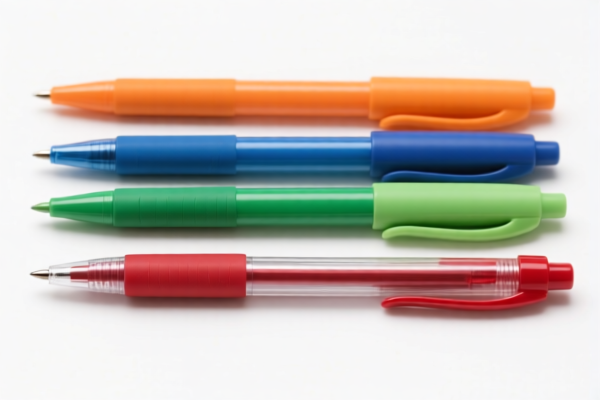
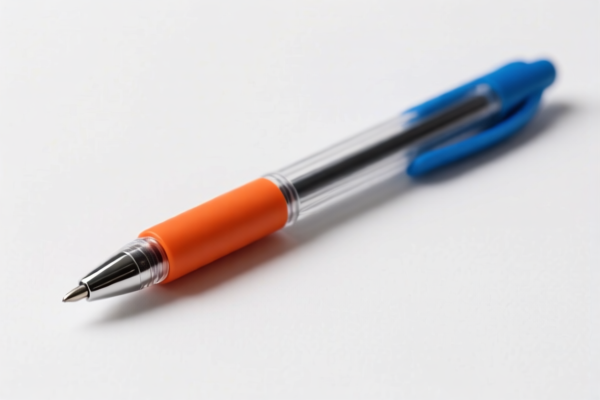
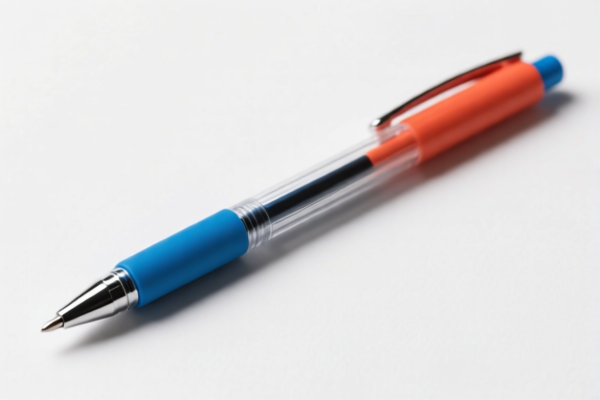
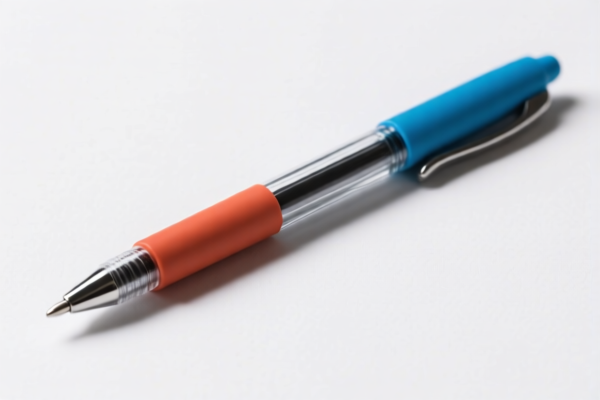
AI Analysis
🖊️ Dual Tip Pen (Marking & Writing Instruments)
🌐 HS Code Reference & Customs Clearance Guide | 2026 Latest Tariff Rates | Professional Entry Strategies
📌 Part 1: Product Definition & Classification: Do You Really Understand "Dual Tip Pens"?
A Dual Tip Pen is a writing or marking instrument featuring two distinct ends, typically combining different tip types (e.g., fine point + bullet point, or felt tip + brush tip). In international trade, these are not a single unique HS code but are classified based on their primary material, tip composition, and specific use case. They generally fall under Chapter 96 (Articles of Pen, Pencil, or other Writing Instruments).
⚠️ Key Classification Distinction:
- If used primarily for writing/drawing with ink similar to ballpoint/rollerball pens → Look at 9608 or 9609.
- If it contains liquid ink/cartridges similar to felt-tip markers → Look at 9608.20.
- If it is a specialized technical drawing tool with specific ink requirements → Look at 3215 (Inks).
📦 Part 2: HS Code Classification Details (2026 Latest Tariff Authority Comparison)
Based on the provided data, here are the 5 potential HS Codes for Dual Tip Pens, categorized by their functional interpretation:
| HS Code | Product Description | Application Scenario | Key Classification Logic |
|---|---|---|---|
3215.90.10.00 |
Writing/Plotting Inks | Technical drafting pens, specialized ink-based dual tip pens | Classified as Ink rather than the pen itself; "Scope of use" in classification explanations fits dual-tip technical pens. |
9608.20.00.00 |
Felt-tip & Markers | Dual tip pens where at least one tip is a felt/marker tip | Defined as "Felt-tip pens and marker pens"; fits the marking/writing tool definition for one of the tips. |
9608.10.00.00 |
Ballpoint/Other Pens | Dual tip pens where tips function like ballpoints or standard pens | Classified under "Ballpoint pens, fountain pens, etc."; assumes writing function aligns with standard pen categories. |
9609.10.00.00 |
Pencils/Wax Crayons | Dual tip pens resembling pencils or wax-based markers | Fits "Pencils, crayons, etc."; applies if the pen body or tip material is wax-based or pencil-like. |
9609.90.80.00 |
Other Writing/Plotting Tools | Dual tip pens not fitting other specific sub-headings | Classified as "Other" writing/plotting tools; a catch-all for unique dual-tip designs not strictly defined elsewhere. |
🔍 Important Reminder:
- Do not assume all dual-tip pens are the same. The physical tip material (felt vs. ballpoint vs. wax) and the ink type dictate the code.
- If the pen is sold as a "Marker" (even if one tip is fine),9608.20is often the safest and most common classification.
- If the product is primarily ink cartridges with a dual-holder,3215might apply, but this is rare for consumer pens.
💰 Part 3: 2026 Latest Tariff Rate Breakdown (Including Surcharges & Policy Add-ons)
✅ Applicable Country: United States (US)
✅ Origin: China (CN)
✅ Effective Date: Post-2025 policies (Section 301 & IEEPA)
🎯 1. 3215.90.10.00 – Writing/Plotting Inks (Ink Classification)
| Item | Details |
|---|---|
| Base Tariff | 3.1% (Ad Valorem) |
| Section 301 Surcharge | +25.0% |
| Section 122 Tariff | +10.0% |
| Total Tax Rate | 38.1% |
| Tax Calculation | CIF Value × 38.1% |
| De Minimis Exemption? | ❌ No (High tariff items are excluded from Section 321 de minimis rules) |
| Legal Basis Path | USITC:3215.90.10.00 → Section301:25% → Section122:10% |
📌 Explanation:
- This high rate applies because the pen is treated as an ink product.
- The 25% Section 301 and 10% Section 122 are heavily applied to Chinese-manufactured ink and related writing products.
- Cost Impact: Very high. Avoid if possible unless the product is clearly an ink supply, not a pen.
🎯 2. 9608.20.00.00 – Felt-Tip Pens & Markers (Most Common)
| Item | Details |
|---|---|
| Base Tariff | 4.0% (Ad Valorem) |
| Section 301 Surcharge | +7.5% |
| Section 122 Tariff | +10.0% |
| Total Tax Rate | 21.5% |
| Tax Calculation | CIF Value × 21.5% |
| De Minimis Exemption? | ❌ No |
| Legal Basis Path | USITC:9608.20.00.00 → Section301:7.5% → Section122:10% |
📌 Note:
- This is the most likely classification for standard dual-tip felt-tip markers (e.g., brush pen + fine tip).
- The Section 301 rate is lower (7.5%) compared to ink or other writing tools, making this the most cost-effective option for marker-style dual tips.
🎯 3. 9608.10.00.00 – Ballpoint Pens & Other Pens
| Item | Details |
|---|---|
| Base Tariff | $0.008/each + 5.4% (Ad Valorem) |
| Section 301 Surcharge | +7.5% |
| Section 122 Tariff | +10.0% |
| Total Tax Structure | $0.008/ea + 22.9% Total Ad Valorem |
| Tax Calculation | (Qty × $0.008) + (CIF × 22.9%) |
| De Minimis Exemption? | ❌ No |
| Legal Basis Path | USITC:9608.10.00.00 → Section301:7.5% → Section122:10% |
📌 Explanation:
- If the dual tip is a ballpoint on one end and a pen on the other, this code applies.
- Unit Duty: $0.008 per pen is negligible for high-volume shipments.
- Ad Valorem: 5.4% base + 17.5% surcharges = 22.9%.
- Risk: If one tip is felt, CBP may reclassify to9608.20. Ensure the primary function is "writing" not "marking."
🎯 4. 9609.10.00.00 – Pencils & Crayons (Wax/Lead Based)
| Item | Details |
|---|---|
| Base Tariff | $0.14/gross + 4.3% (Ad Valorem) |
| Section 301 Surcharge | +7.5% |
| Section 122 Tariff | +10.0% |
| Total Tax Structure | $0.14/gross + 21.8% Total Ad Valorem |
| Tax Calculation | (Gross Count / 144 × $0.14) + (CIF × 21.8%) |
| De Minimis Exemption? | ❌ No |
| Legal Basis Path | USITC:9609.10.00.00 → Section301:7.5% → Section122:10% |
📌 Note:
- Only applicable if the dual tip pen is wax-based, crayon-like, or pencil-like (e.g., a dual-end wax marker).
- Unit Duty: $0.14 per gross (144 units) is very low.
- Risk: Misclassification is common. If it uses liquid ink, this code will be rejected.
🎯 5. 9609.90.80.00 – Other Writing/Plotting Tools (Catch-All)
| Item | Details |
|---|---|
| Base Tariff | 0.0% (Ad Valorem) |
| Section 301 Surcharge | +7.5% |
| Section 122 Tariff | +10.0% |
| Total Tax Rate | 17.5% |
| Tax Calculation | CIF Value × 17.5% |
| De Minimis Exemption? | ❌ No |
| Legal Basis Path | USITC:9609.90.80.00 → Section301:7.5% → Section122:10% |
📌 Explanation:
- This is the lowest total tariff rate (17.5%) among the writing instrument codes.
- It applies if the dual tip pen does not fit neatly into "felt-tip" (9608.20) or "ballpoint" (9608.10).
- Strategy: If your dual tip pen has a unique mechanism (e.g., a mechanical lead tip + a felt tip), argue for this "Other" category to save on the 4.0% base + 25% surcharge seen in other codes.
🛠️ Part 4: Customs Clearance Practical Advice (Avoid Pitfalls)
✅ 1. Preparation Checklist (Must-Haves)
| Document | Required? | Explanation |
|---|---|---|
| ✅ Product Specifications | ✔️ | Detail the tip types (e.g., 0.5mm ballpoint + 3mm felt), ink type, and material. |
| ✅ Product Photos | ✔️ | Clear images of both tips, packaging, and any markings. |
| ✅ Commercial Invoice | ✔️ | Describe accurately: e.g., "Dual-Tip Felt Marker Pen, Model X" |
| ✅ Composition Sheet | ✔️ | Confirm if tips are plastic, metal, or felt. |
| ✅ HS Code Pre-Ruling | ✔️ | Highly Recommended for dual-tip pens due to classification ambiguity. |
✅ 2. Declaration Tips (Key Mantra)
🔥 "Define the Tip, Choose the Code, Avoid the Ink Trap!"
| Scenario | Recommended HS Code | Why? |
|---|---|---|
| Felt Tip + Fine Tip | 9608.20.00.00 |
One tip is a felt-tip marker; this is the dominant function. |
| Ballpoint + Ballpoint | 9608.10.00.00 |
Both tips are ballpoints; fits "Other Pens". |
| Wax/Crayon End + Marker End | 9609.10.00.00 |
If the wax component is significant. |
| Unique Mechanism/Non-Standard | 9609.90.80.00 |
If it doesn't fit standard definitions, use "Other" for lower base rate. |
| Ink Cartridge Focus | 3215.90.10.00 |
Only if the value is primarily in the ink, not the pen body. |
⚠️ Warning:
- Do not use9608.20for a pen that is 90% ballpoint and 10% marker. CBP may assess penalties.
- Do not use3215for a consumer pen. It is reserved for inks in containers, not finished pens with dual tips.
✅ 3. Special Cases
| Case | Recommendation |
|---|---|
| Art/Brush Pens | Use 9608.20.00.00 (Felt-tip). Most brush pens are classified as markers. |
| Industrial Markers | Use 9608.20.00.00 or 9609.90.80.00 depending on tip type. |
| Children's Dual-Tip Pencils | Use 9609.10.00.00 if they are wax/crayon-based. |
| High-Value Technical Pens | Consider 9609.90.80.00 to minimize base tariff (0% vs 4%). |
🌍 Part 5: Global Market Comparison (2026)
| Country/Region | Recommended HS Code | Estimated Total Tariff (China Origin) | Notes |
|---|---|---|---|
| 🇺🇸 USA | 9608.20.00.00 |
21.5% | Section 301 (7.5%) + Section 122 (10%) + Base (4%) |
| 🇺🇸 USA | 9609.90.80.00 |
17.5% | Best Rate if eligible (0% Base + 7.5% + 10%) |
| 🇪🇺 EU | 9608.20 |
~4-5% | No Section 301/122 equivalent; lower tariffs |
| 🇨🇳 China | 9608.20 |
~5-8% | Import tariffs vary; no US-style surcharges |
📌 Conclusion:
- The US market is the most expensive due to Section 301 and Section 122 tariffs.
-9609.90.80.00offers the lowest US duty rate (17.5%) but requires strong justification that the pen doesn't fit standard pen/marker definitions.
-9608.20.00.00is the safest and most common for felt-tip dual pens, despite the higher rate.
📌 Part 6: Common Errors & Pitfalls (Blood & Tears Lessons)
❌ Mistake 1: Classifying a dual-tip felt marker as 9608.10 (Ballpoint)
👉 Result: CBP reclassifies to 9608.20, charges back taxes + interest.
❌ Mistake 2: Using 3215 for a finished pen
👉 Result: CBP rejects as "Ink in container," not a pen. Delays shipment.
❌ Mistake 3: Ignoring Section 122
👉 Result: Forgetting the 10% surcharge leads to underpayment and penalties.
✅ Correct Approach:
"Dual-Tip Felt Marker Pen, Fine Point + Broad Point, Water-Based Ink, Model XYZ, Made in China"
🎯 Part 7: Conclusion: Professional Classification, Cost Saving!
🎯 Remember the Mantra:
🔹 "Felt Tip? Go 9608.20 (21.5%). Unique? Try 9609.90 (17.5%). Ballpoint? Go 9608.10 (22.9%)."
🔹 "HS Code Determines Your Profit Margin. 4% Difference Can Break Your Deal!"
📌 Pro Tip:
If you are importing high volumes of dual-tip pens, consider negotiating with your supplier for a CBP Advance Ruling based on your specific product. This locks in the HS Code and prevents future disputes.
📣 Immediate Action:
📞 Contact a licensed US Customs Broker.
📄 Provide high-res photos of both tips.
🚀 Ensure your Commercial Invoice clearly states "Dual Tip Felt Marker" or "Dual Tip Ballpoint Pen" to avoid ambiguity.
✨ Professional Clearance Starts with Accurate Classification!
💼 Your Bottom Line Depends on the First 8 Digits!
Customer Reviews
About HS Code Classification
The Harmonized System (HS) is an internationally standardized nomenclature developed by the World Customs Organization (WCO) to classify traded products. Over 200 countries use the HS system as the basis for customs tariffs, trade statistics, and import/export regulations.
Each HS code follows a hierarchical structure:
- Chapter (2 digits) — Broad category of goods (e.g., Chapter 84: Machinery and Mechanical Appliances)
- Heading (4 digits) — More specific grouping within the chapter
- Subheading (6 digits) — Internationally standardized breakdown, used by all WCO member countries
- National subdivisions (8-10 digits) — Country-specific extensions for further classification, such as US HTSUS 10-digit codes
Correct HS code classification is essential for smooth customs clearance, accurate duty payment, and compliance with trade regulations. Misclassification can lead to customs delays, overpayment of duties, or penalties.
When importing from CN to US, the applicable tariff rates may include:
- Most-Favored-Nation (MFN) rate — The standard duty rate applied to WTO members
- General rate — Applied to countries without trade agreements
- Trade remedy duties — Additional tariffs such as Section 301 (anti-dumping), Section 232 (national security), or countervailing duties
The information provided on this page is for reference purposes only. For official classification, please consult with your local customs authority or a licensed customs broker.