dumbbell bar
CN → US| HS Code | Tariff Rate | Origin | Destination | Doc |
|---|---|---|---|---|
| 9506910030 | 22.1% | CN | US | Official Doc |
| 9506991500 | 10.0% | CN | US | Official Doc |
| 7326190080 | 87.9% | CN | US | Official Doc |
| 7326908688 | 87.9% | CN | US | Official Doc |
| 7326908688 | 87.9% | CN | US | Official Doc |
Product Images
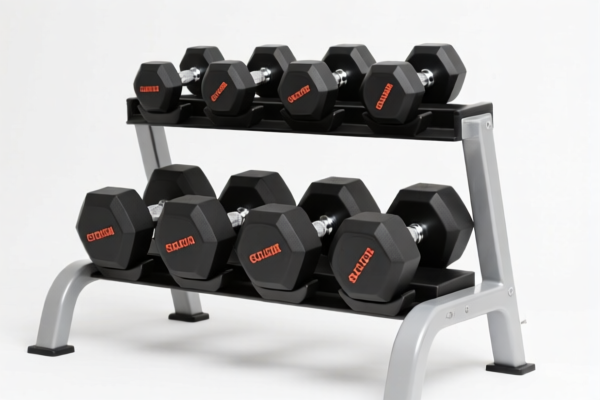
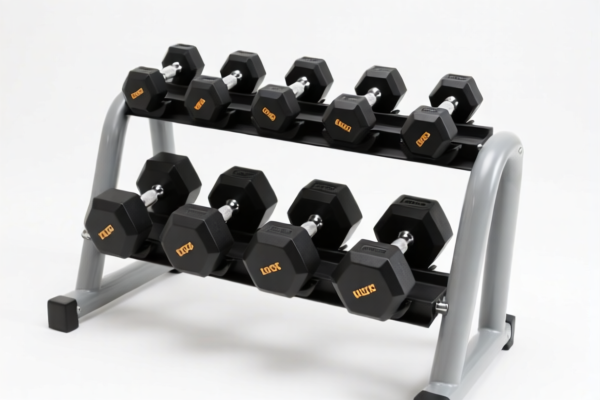
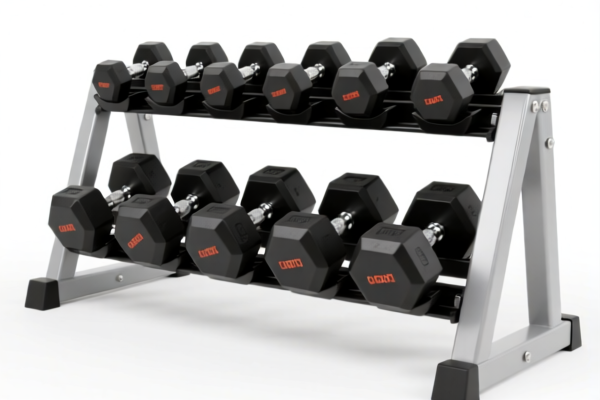
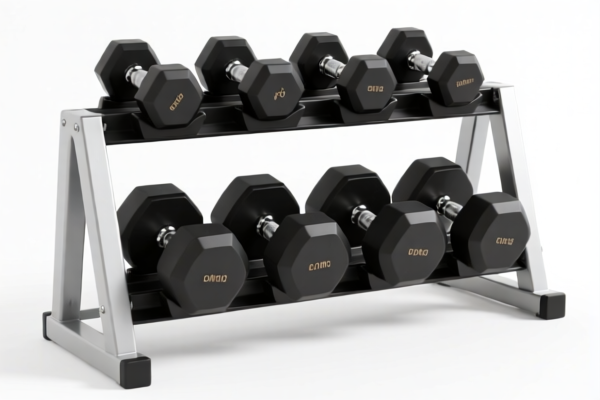
AI Analysis
🏋️ Dumbbell Bar (Stainless Steel Weight Bar)
🌐 HS Code Reference & Customs Clearance Guide | 2026 Latest Tariff Analysis | Professional Clearance Strategy
📌 1. Product Definition & Classification: What is a "Dumbbell Bar"?
A Dumbbell Bar (often referred to as a straight barbell or EZ curl bar in broader contexts, but specifically identified here as a bar for dumbbells) is a core component of strength training equipment. In international trade, its classification depends heavily on its function and material:
Fitness Equipment Parts: If the bar is specifically designed as a component/attachment for dumbbell sets or general fitness machinery, it falls under Chapter 95 (Toys, Games, and Sports Equipment).
Steel Articles: If classified primarily by its material (stainless steel) and form (metal bar/rod) without specific fitness function recognition, it falls under Chapter 73 (Articles of Iron or Steel).
⚠️ Key Distinction Point:
- Sporting Goods Logic: Recognized as a "part/attachment" of fitness gear → HS Code 9506.
- Material Logic: Recognized as a generic "steel product" → HS Code 7326.
- Note: The "Dumbbell" head itself is often classified differently, but the bar connecting them or used for weights is the focus here.
📦 2. HS Code Classification Details (2026 Latest Tariff Authority Comparison)
| HS Code | Product Description | Application Scenario | Classification Logic |
|---|---|---|---|
9506.91.00.30 |
Stainless Steel Dumbbell Bar (Part of Fitness Equipment) | Dumbbell sets, gym accessories | ✅ Specific: "Other" under sporting goods, identified as a component/attachment of fitness equipment. |
9506.99.15.00 |
Stainless Steel Dumbbell Bar (Part of Baseball/Other Sports) | Classified under parts/accessories of sports equipment (non-specific) | ✅ Alternative Sport: "Parts & Accessories" of sports equipment (general category). |
7326.19.00.80 |
Stainless Steel Dumbbell Bar (Steel Article) | Generic metal rods, industrial steel parts | ✅ Material: "Other steel articles," recognized as a stamped/forged metal product. |
7326.90.86.88 |
Stainless Steel Dumbbell Bar (Other Iron/Steel Articles) | Generic industrial steel goods | ✅ Fallback: "Other articles of iron or steel," used when not specifically listed elsewhere. |
7326.90.86.88 |
Dumbbell (Iron/Steel Based) | Heavy dumbbells (implied iron/steel material) | ✅ Material: Non-specific iron/steel articles, using the "Other" bucket for heavy metal goods. |
🔍 Critical Reminder:
- HS 9506 codes are generally preferred for finished fitness components because they recognize the function.
- HS 7326 codes are riskier due to higher additional tariffs (see below) and apply if the customs officer views the item merely as a "steel rod" rather than "fitness equipment."
- The difference in tax burden between Chapter 95 and Chapter 73 is massive (22.1% vs. 87.9% for US imports from China).
💰 3. 2026 Latest Tariff Rate Breakdown (Including Additional Duties & Policy Add-ons)
✅ Applicable Country: United States (US)
✅ Origin: China (CN)
✅ Effective Date: Current US Trade Policy (Section 301 & Section 232/122 implications)
🎯 1. 9506.91.00.30 —— Dumbbell Bar (Fitness Equipment Part)
Best Case Scenario for Low Tariff
| Item | Content |
|---|---|
| Base Rate | 4.6% (Ad Valorem) |
| Section 301 Additional Duty | +7.5% (Specific to certain sporting goods/steel parts) |
| Section 122 / Steel/Alu/Cu Duty | +10% (Targeting steel/aluminum/copper products) |
| Section 232 / Steel Duty | +50% (Steel/Aluminum/Copper products - Note: Data indicates 50% applies to steel articles) |
| Total Tariff Rate | 22.1% |
| Tax Calculation | CIF Value × 22.1% |
| De Minimis Exemption? | ❌ No (High tariff rates usually negate de minimis thresholds for commercial shipments) |
| Legal Basis Path | HTSUS:9506.91.00.30 → Section 301 List → Section 122/232 Proclamations |
📌 Explanation:
- This code has the lowest total tax (22.1%) among the options provided.
- The "10%" and "50%" add-ons reflect aggressive US trade policies on steel imports.
- Recommendation: If the item can be clearly defined as a "part of sports equipment," this is the preferred classification to minimize costs.
🎯 2. 9506.99.15.00 —— Other Sports Equipment Parts
Alternative Low-Tax Option
| Item | Content |
|---|---|
| Base Rate | 0.0% |
| Section 301 Additional Duty | 0.0% |
| Section 122 / Steel/Alu/Cu Duty | +10% |
| Section 232 / Steel Duty | +50% |
| Total Tariff Rate | 10.0% |
| Tax Calculation | CIF Value × 10.0% |
| De Minimis Exemption? | ❌ No |
| Legal Basis Path | HTSUS:9506.99.15.00 → Section 122/232 Proclamations |
📌 Note:
- This code has the absolute lowest tax (10%) but requires strong justification that the bar is a "part/accessory" of a specific sports equipment category (e.g., baseball, general sports).
- Risk: Customs may challenge this if the item is clearly a "dumbbell bar" and not a "baseball bat part." However, the tax savings are significant.
🎯 3. 7326.19.00.80 & 7326.90.86.88 —— Steel Articles (Material-Based)
High-Tariff Risk Scenarios
| Item | Content |
|---|---|
| Base Rate | 2.9% |
| Section 301 Additional Duty | +25.0% |
| Section 122 / Steel/Alu/Cu Duty | +10% |
| Section 232 / Steel Duty | +50% |
| Total Tariff Rate | 87.9% |
| Tax Calculation | CIF Value × 87.9% |
| De Minimis Exemption? | ❌ No |
| Legal Basis Path | HTSUS:7326 → Section 301 List → Section 122/232 Proclamations |
📌 Warning:
- 87.9% is a prohibitive tariff.
- This applies if the bar is classified as a generic "steel article" rather than sports equipment.
- Even though the base rate is low (2.9%), the 25% Section 301 + 50% Section 232/122 add-ons make this extremely expensive.
- Avoid this classification if the item can be justified as sporting goods.
🛠️ 4. Customs Clearance Practical Advice (Avoid Pitfalls)
✅ 1. Documentation Checklist (Non-Negotiable)
| Document | Required | Description |
|---|---|---|
| ✅ Product Specification Sheet | ✔️ | Clearly state: "Stainless Steel Dumbbell Bar," dimensions, weight capacity, and intended use (fitness). |
| ✅ Product Photos | ✔️ | Show the bar with dumbbell ends attached (if possible) to prove it is part of a fitness system. |
| ✅ Bill of Lading / Invoice | ✔️ | Description must match HS Code logic (e.g., "Parts of Fitness Equipment" vs. "Steel Rods"). |
| ✅ Origin Certificate | ✔️ | Essential for proving China origin to apply correct Section 301/232 rates. |
| ✅ Material Test Report | ✔️ | Prove "Stainless Steel" composition if challenged under Section 232. |
✅ 2. Declaration Strategy (Key Mantra)
🔥 "Function First, Material Second! Define as 'Fitness Part' to Save Millions!"
| Scenario | Correct Declaration | Wrong Declaration | Consequence |
|---|---|---|---|
| Dumbbell Bar | 9506.91.00.30 (Sporting Goods Part) |
7326.90.86.88 (Steel Article) |
Tax drops from 87.9% to 22.1% |
| Generic Steel Rod | 7326.90.86.88 |
9506.91.00.30 |
Penalty for misclassification + higher tax |
| Part of a Set | Declare as "Part of Dumbbell Set" | Declare as "Loose Steel Bar" | Customs may reclassify to material-based HS |
✅ 3. Special Case Handling
| Situation | Handling Advice |
|---|---|
| OEM/Custom Bars | Provide design drawings showing it is made for dumbbell handles. |
| Mixed Shipment | If shipping dumbbell bars + dumbbell heads, ensure they are declared as parts of the same system if possible. |
| Stainless Steel Claim | Be prepared for Section 232 (50%) scrutiny. Ensure the steel is indeed stainless and not carbon steel. |
| De Minimis (Section 321) | Do not rely on de minimis for commercial shipments of steel/sports goods due to high tariffs and anti-circumvention rules. |
🌍 5. Global Market Comparison (2026 Update)
| Country/Region | Recommended HS Code | Tariff Rate | Certification | Notes |
|---|---|---|---|---|
| 🇺🇸 USA | 9506.91.00.30 |
22.1% | None required | High risk of reclassification to 7326 (87.9%) |
| 🇺🇸 USA | 9506.99.15.00 |
10.0% | None required | Lowest rate, but higher audit risk |
| 🇪🇺 EU | 9506.91.00 |
~5-7% | CE (if applicable) | No Section 301/232 equivalent |
| 🇨🇳 China | 9506.91.00 |
5-10% | CCC (if applicable) | Lower entry barriers |
📌 Conclusion for US Market:
- The tariff war heavily impacts steel imports.
- Strategy: Fight for HS Code 9506. The difference between 22.1% and 87.9% is life-or-death for profit margins.
- Evidence is Key: Provide photos and specs that emphasize fitness use, not just "steel metal."
📌 6. Common Errors & Pitfalls (Blood & Tears Lessons)
❌ Error 1: Declaring as "Steel Rod" (7326)
👉 Result: 87.9% tax → Profit destroyed.
❌ Error 2: Declaring as "Dumbbell" head but shipping the bar
👉 Result: Misclassification penalty + potential seizure.
❌ Error 3: Ignoring Section 232 (Steel/Aluminum)
👉 Result: 50% additional duty applies if misidentified material.
❌ Error 4: Assuming de minimis applies
👉 Result: Shipment held, taxes calculated retroactively + storage fees.
✅ Correct Approach:
"Stainless Steel Dumbbell Bar, 24-inch, for Fitness Equipment, Part of Dumbbell Set, Model XYZ"
🎯 7. Conclusion: Precision Classification Saves Costs
🎯 Remember the Mantra:
🔹 "Fitness Part = 22% (or 10%) | Steel Rod = 88% | Choose Wisely!"
🔹 "Document Function, Not Just Material!"
📌 Pro Tip:
If your supply chain is flexible, consider country of origin marking or substantial transformation in a third country (e.g., Vietnam, Mexico) to potentially avoid Section 301/232 duties. However, this requires legal compliance with transshipment rules.
📣 Immediate Action:
📞 Consult a licensed customs broker.
📸 Submit product photos and specs for Advance Ruling.
🚀 Optimize your HS Code to9506to survive US tariffs.
✨ Professional Customs Clearance Starts with Accurate Classification!
💼 Your Cost Efficiency Depends on the Right HS Code!
Customer Reviews
About HS Code Classification
The Harmonized System (HS) is an internationally standardized nomenclature developed by the World Customs Organization (WCO) to classify traded products. Over 200 countries use the HS system as the basis for customs tariffs, trade statistics, and import/export regulations.
Each HS code follows a hierarchical structure:
- Chapter (2 digits) — Broad category of goods (e.g., Chapter 84: Machinery and Mechanical Appliances)
- Heading (4 digits) — More specific grouping within the chapter
- Subheading (6 digits) — Internationally standardized breakdown, used by all WCO member countries
- National subdivisions (8-10 digits) — Country-specific extensions for further classification, such as US HTSUS 10-digit codes
Correct HS code classification is essential for smooth customs clearance, accurate duty payment, and compliance with trade regulations. Misclassification can lead to customs delays, overpayment of duties, or penalties.
When importing from CN to US, the applicable tariff rates may include:
- Most-Favored-Nation (MFN) rate — The standard duty rate applied to WTO members
- General rate — Applied to countries without trade agreements
- Trade remedy duties — Additional tariffs such as Section 301 (anti-dumping), Section 232 (national security), or countervailing duties
The information provided on this page is for reference purposes only. For official classification, please consult with your local customs authority or a licensed customs broker.