dumpling machine
CN → US| HS Code | Tariff Rate | Origin | Destination | Doc |
|---|---|---|---|---|
| 8438100090 | 17.5% | CN | US | Official Doc |
| 7326908688 | 87.9% | CN | US | Official Doc |
| 8438100010 | 17.5% | CN | US | Official Doc |
| 7326190080 | 87.9% | CN | US | Official Doc |
| 8210000000 | 38.7% | CN | US | Official Doc |
Product Images
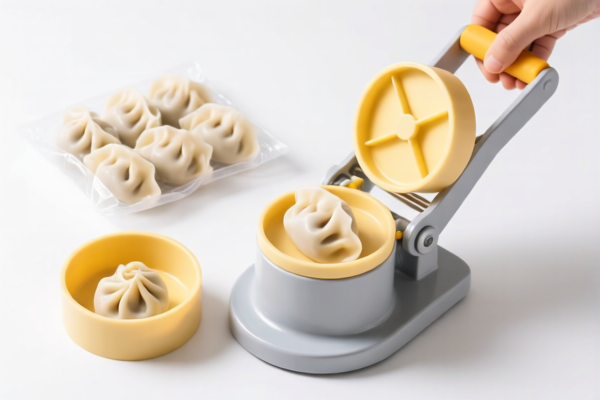
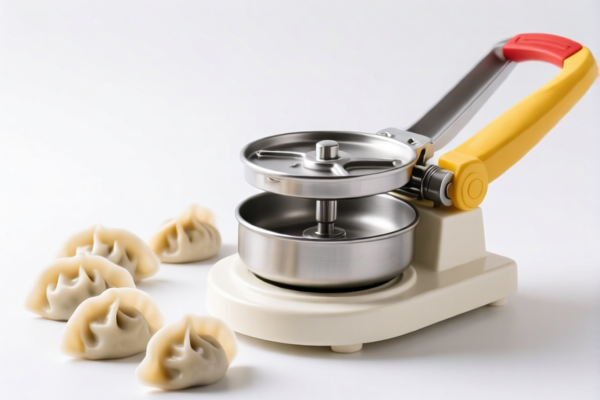
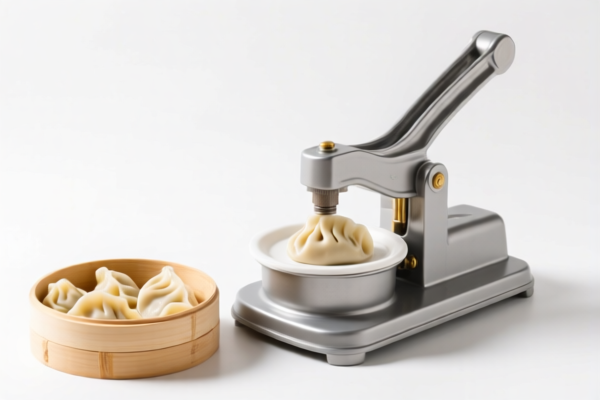
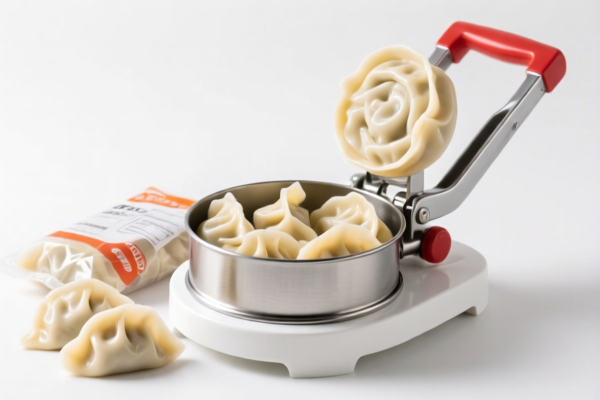
AI Analysis
🥟 Dumpling Machine (Food Manufacturing Machinery)
🌐 HS Code Reference & Customs Clearance Guide | 2026 Latest Tariff Analysis | Professional通关 Strategy
📌 I. Product Definition & Classification: What Exactly is a "Dumpling Machine"?
A dumpling machine is an automated or semi-automated food processing equipment designed to produce dumplings, including filling, skin-making, and folding/wrapping processes. In international trade, it is primarily classified under Food Manufacturing Machinery. However, due to complex trade policies (specifically US-China trade tensions), misclassification can lead to exorbitant tariffs.
⚠️ Critical Distinction:
- If the item is a complete mechanical unit specifically for food processing (mixing, forming, wrapping) → It belongs to Chapter 84 (Machinery).
- If the item is a generic metal part/frame not specifically for food processing → It may fall under Chapter 73 (Articles of Iron/Steel).
- If it is a manual tool → It falls under Chapter 82 (Hand Tools).
📦 II. HS Code Classification Details (Based on Provided Data)
According to the provided dataset, there are three distinct classification paths depending on the specific nature of the "Dumpling Machine" (Automated vs. Generic vs. Manual).
| HS Code | Product Description | Applicable Scenario | Tariff Risk Level |
|---|---|---|---|
8438.10.00.90 |
Food manufacturing machinery, Iron material, for dumpling processing | Automated/Semi-auto dumpling makers, wrappers, fillers | 🟡 Medium-High |
8438.10.00.10 |
Food machinery – Dumpling processing machinery, Iron material | Specific sub-category for dumpling machines | 🟡 Medium-High |
7326.90.86.88 |
Other articles of iron, not specified elsewhere (Fallback) | Generic iron frames, non-specific industrial parts, or if misclassified | 🔴 Extremely High |
7326.19.00.80 |
Other articles of iron/steel, within machinery scope | Iron components belonging to machinery but not specific food machines | 🔴 Extremely High |
8210.00.00.00 |
Manual mechanical utensils, for food preparation, base metal | Hand-cranked dumpling rollers, manual molds, simple tools | 🟠 High |
🔍 Key Insight:
- Correct Classification: Should generally fall under8438.10(Machinery for the preparation or manufacturing of bread, pastry, cakes, biscuits or other bakers’ wares, including machines for producing sound or hard biscuits; machinery for the preparation of meat, fish, crustaceans or molluscs or other aquatic invertebrates; machinery for the preparation of vegetables, fruits, nuts or other parts of plants; machinery for the industrial preparation or manufacture of dishes and meat, fish, crustaceans or molluscs or other aquatic invertebrates). Dumplings fall under "bakery/wares" or general food processing machinery. - Wrong Classification: Classifying a complex machine as generic iron goods (7326) or manual tools (8210) triggers massive penalties and different tariff structures.
💰 III. 2026 Latest Tariff Rate Breakdown (Including Surcharges & Policy Add-ons)
✅ Applicable Country: United States (US)
✅ Country of Origin: China (CN)
✅ Effective Date: 2025/2026 Current Trade Policies
🎯 1. 8438.10.00.90 & 8438.10.00.10 —— Food Manufacturing Machinery (Dumpling Machine)
These two codes share the same tax structure in the provided data. They are the correct classifications for automated dumpling machinery.
| Item | Details |
|---|---|
| Base Tariff Rate | 0.0% (Ad Valorem) |
| Section 301 Additional Tariff | +7.5% |
| Section 122 Tariff (Proposed/Active) | +10% |
| Total Tariff Rate | 17.5% |
| Tax Calculation | CIF Value × 17.5% |
| De Minimis Eligibility | ❌ No (Generally excluded for China-origin machinery under current US policies) |
| Legal Basis Path | USITC:8438.10.00 → Section 301 Footnote → Section 122 Provision |
📌 Explanation:
- "Base 0%": Machinery for food production often enjoys low base duties to encourage industrial efficiency. - "Section 301 (7.5%)": This is the standard retaliatory tariff on Chinese industrial goods. - "Section 122 (10%)": Refers to specific trade measures or administrative surcharges applicable to certain categories. - Total 17.5% is manageable compared to other categories, but still significant.
🎯 2. 7326.90.86.88 & 7326.19.00.80 —— Other Iron/Steel Articles (The "Fallback" Trap)
⚠️ WARNING: Do NOT classify a functional dumpling machine under these codes unless it is merely a scrap metal part or a generic frame without functional food-processing capability. Misclassification here leads to punitive rates.
| Item | Details |
|---|---|
| Base Tariff Rate | 2.9% (Ad Valorem) |
| Section 301 Additional Tariff | +25.0% |
| Section 122 Tariff | +10% |
| Steel/Aluminum/Copper Additional Tariff | +50% |
| Total Tariff Rate | 87.9% |
| Tax Calculation | CIF Value × 87.9% |
| De Minimis Eligibility | ❌ No |
| Legal Basis Path | USITC:7326 → Section 301 → Section 122 → Steel Surcharge |
📌 Critical Warning:
- The 87.9% rate includes a massive 50% surcharge on Steel/Aluminum/Copper products. - If a customs officer determines your "dumpling machine" is primarily an "iron article" rather than "food machinery," you will face this devastating rate. - Why this happens: If the machine is not listed specifically in Chapter 84 exemptions or if documentation is unclear, customs may default to the "basket" code for metal goods.
🎯 3. 8210.00.00.00 —— Manual Mechanical Utensils
This applies only to non-electric, hand-operated dumpling tools (e.g., manual rolling pins, hand-crank wrappers).
| Item | Details |
|---|---|
| Base Tariff Rate | 3.7% (Ad Valorem) |
| Section 301 Additional Tariff | +25.0% |
| Section 122 Tariff | +10% |
| Total Tariff Rate | 38.7% |
| Tax Calculation | CIF Value × 38.7% |
| De Minimis Eligibility | ❌ No |
📌 Explanation:
- Manual tools do not benefit from the "machinery" base rate of 0%. - The total 38.7% is nearly double the automated machine rate.
🛠️ IV. Customs Clearance Practical Advice (Avoiding Pitfalls)
✅ 1. Preparation Checklist (Non-negotiable)
| Document | Required? | Explanation |
|---|---|---|
| ✅ Product Specification Sheet | ✔️ | Must clearly state: "Automated Dumpling Machine," motor power, voltage, production capacity (kg/hr). |
| ✅ Functional Diagram | ✔️ | Prove that the device is for food processing (mixing, forming), not just metal fabrication. |
| ✅ Commercial Invoice | ✔️ | Description must explicitly say "Food Manufacturing Machinery" not "Iron Machine" or "Metal Part." |
| ✅ Photos (Including Nameplate) | ✔️ | Show controls, HMI screen, feed hoppers to prove it's a complex machine. |
| ✅ Country of Origin Certificate | ✔️ | To verify China origin and apply correct trade remedies. |
✅ 2. Declaration Strategy (Golden Rules)
🔥 "Describe Function, Not Material; Avoid 'Generic' Terms!"
| Scenario | Correct Declaration | Incorrect Declaration | Consequence |
|---|---|---|---|
| Automated Dumpling Maker | "Food Manufacturing Machinery for Dumpling Processing, Model XYZ" | "Iron Machine for Food" or "Dumpling Iron" | Risk of reclassification to 7326 → 87.9% Tariff |
| Manual Dumpling Roller | "Manual Mechanical Utensil for Food Preparation" | "Food Machinery" | Potential dispute, but lower risk of high penalty |
| Spare Metal Parts | "Iron Parts for Food Machinery, HS 7326" | "Dumpling Machine" | If mixed in shipment, causes confusion. Separate clearly. |
📌 Key Tip:
- Never use vague terms like "Iron Device."
- Always cite the function: "Used for mixing dough, filling dumplings, and sealing edges."
- If using8438.10, emphasize that it is not a general-purpose steel structure.
✅ 3. Special Circumstances Handling
| Situation | Handling Advice |
|---|---|
| Hybrid Machines (e.g., Dumpling machine + Packaging unit) | Declare as a single unit under 8438 if the packaging is integral. Do not split. |
| OEM Custom Machines | Provide customer contracts and design drawings. If the machine is unique, argue for specific classification under Chapter 84. |
| Used vs. New | Used machinery may face additional scrutiny under Section 301. Ensure condition is well-documented. |
| Steel Content | If the machine is >50% steel by weight, ensure it is not declared as a "steel article" to avoid the 50% surcharge. The primary function (food processing) dictates Chapter 84. |
🌍 V. Global Market Comparison (2026 Latest)
| Country/Region | Recommended HS Code | Tariff Rate (China Origin) | Certifications Required | Notes |
|---|---|---|---|---|
| 🇺🇸 USA | 8438.10.00.90 |
17.5% (17.5% total) | FCC, CE, NSF (Food Safety) | High risk of misclassification to 7326. |
| 🇨🇳 China | 8438.10.00.90 |
~5-10% (Import Duty) | CCC, Hygiene License | Lower tariffs, strict hygiene standards. |
| 🇪🇺 EU | 8438.10.00.90 |
0% (Most Favored Nation) | CE, Machinery Directive 2006/42/EC | No retaliatory tariffs, but strict safety rules. |
| 🇬🇧 UK | 8438.10.00.90 |
0% | UKCA, CE | Post-Brexit alignment with EU. |
| 🇦🇺 Australia | 8438.10.00.90 |
5% | RCM, Food Standards Code | Standard import duty. |
📌 Conclusion:
- The US market is the most challenging due to the 17.5% combined tariff and the risk of an 87.9% penalty if misclassified. - EU and UK are much more favorable with 0% base rates, provided CE/UKCA compliance is met.
📌 VI. Common Errors & Pitfalls Guide (Blood & Tears Lessons)
❌ Error 1: Classifying an automated dumpling machine as "Iron Structure" (7326)
👉 Consequence: Tariff jumps from 17.5% to 87.9%. A $10,000 machine incurs $8,790 in tax instead of $1,750.
❌ Error 2: Describing the item vaguely as "Kitchen Equipment"
👉 Consequence: Customs may not know which Chapter to apply. Could default to a higher general duty rate or require lengthy inspection.
❌ Error 3: Mixing Manual Tools (8210) with Machines (8438) in one shipment
👉 Consequence: Complex clearance, potential delays, and risk of higher audit rates.
❌ Error 4: Ignoring Section 122 or Steel Surcharges in cost calculation
👉 Consequence: Profit margins wiped out by unexpected 50% steel surcharges if classified under Chapter 73.
✅ Correct Practice:
"Industrial Automatic Dumpling Machine, Stainless Steel & Iron Construction, Model DM-100, Capacity 500kg/hr, CE/FCC Certified, HS Code 8438.10.00.90"
🎯 VII. Conclusion: Precise Classification Saves Money!
🎯 Remember the Mantra:
🔹 "Function First, Material Second. Chapter 84 for Machines, Chapter 73 for Scrap/Parts."
🔹 "17.5% vs 87.9%: One word difference in description costs you 70% more!"
📌 Pro Tip:
- If you are exporting to the US, consider applying for a HTSUS Advance Ruling before shipping. This legally binds CBP to your classification, protecting you from sudden 87.9% penalties.
- Ensure your commercial invoice matches the spec sheet and photos perfectly. Any discrepancy invites manual examination and reclassification.
📣 Immediate Action:
📞 Consult a licensed US Customs Broker.
📄 Provide technical drawings highlighting food-contact surfaces and control panels.
🚀 Ship with Confidence, Pay Only What is Due!
✨ Professional Customs Clearance Starts with Accurate Classification!
💼 Your Profit Margin Depends on Your HS Code Choice!
Customer Reviews
About HS Code Classification
The Harmonized System (HS) is an internationally standardized nomenclature developed by the World Customs Organization (WCO) to classify traded products. Over 200 countries use the HS system as the basis for customs tariffs, trade statistics, and import/export regulations.
Each HS code follows a hierarchical structure:
- Chapter (2 digits) — Broad category of goods (e.g., Chapter 84: Machinery and Mechanical Appliances)
- Heading (4 digits) — More specific grouping within the chapter
- Subheading (6 digits) — Internationally standardized breakdown, used by all WCO member countries
- National subdivisions (8-10 digits) — Country-specific extensions for further classification, such as US HTSUS 10-digit codes
Correct HS code classification is essential for smooth customs clearance, accurate duty payment, and compliance with trade regulations. Misclassification can lead to customs delays, overpayment of duties, or penalties.
When importing from CN to US, the applicable tariff rates may include:
- Most-Favored-Nation (MFN) rate — The standard duty rate applied to WTO members
- General rate — Applied to countries without trade agreements
- Trade remedy duties — Additional tariffs such as Section 301 (anti-dumping), Section 232 (national security), or countervailing duties
The information provided on this page is for reference purposes only. For official classification, please consult with your local customs authority or a licensed customs broker.