dust duster
CN → US| HS Code | Tariff Rate | Origin | Destination | Doc |
|---|---|---|---|---|
| 9603904000 | 17.5% | CN | US | Official Doc |
| 3924905650 | 20.9% | CN | US | Official Doc |
| 3924104000 | 13.4% | CN | US | Official Doc |
| 5603110070 | 35.0% | CN | US | Official Doc |
| 5603920070 | 35.0% | CN | US | Official Doc |
Product Images
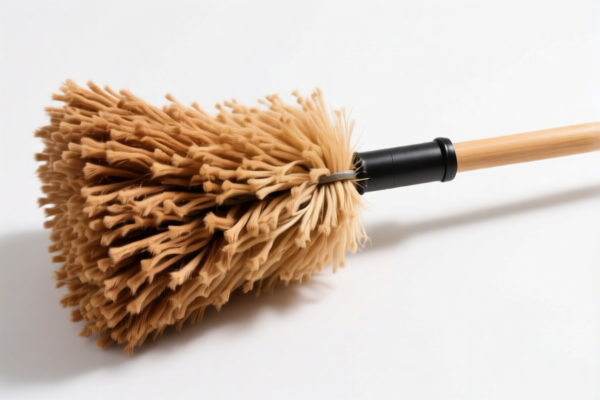
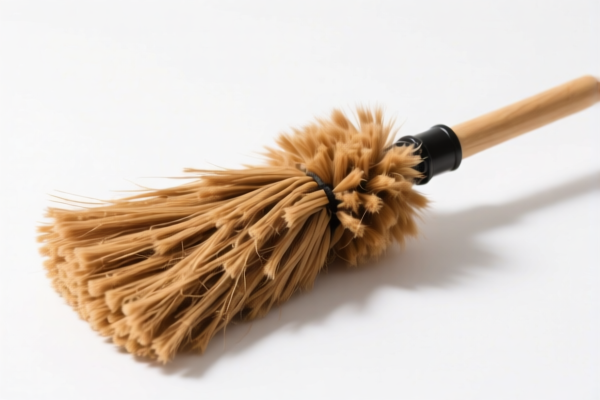
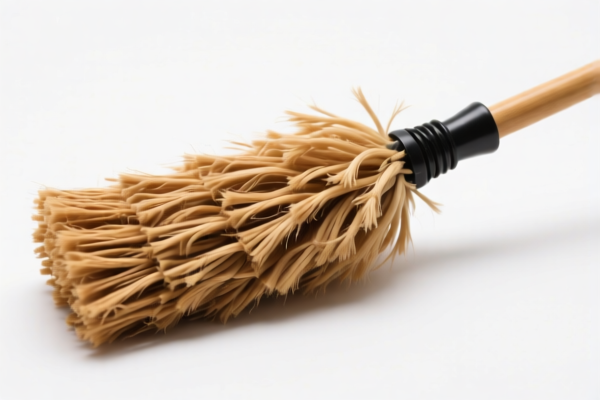

AI Analysis
🪶 Feather Duster (Dust Duster) – The Ultimate Cleaning Tool for Home & Industry
🌐 HS Code Reference & Customs Clearance Guide | 2026 Updated Tariff Analysis | Professional Entry Strategy
📌 I. Product Definition & Classification: Are You Sure It’s Just a “Dust Duster”?
A feather duster (often referred to generically as a "dust duster") is a hand-operated cleaning tool used to remove dust from furniture, electronics, vehicles, and hard-to-reach areas. It consists of a handle and a head made of natural or synthetic feathers, filaments, or tufts.
⚠️ Critical Distinction in Classification:
- Standard Feather Duster (natural/synthetic feathers, no motor, for manual cleaning) → 9603.90.40.00
- Motorized Duster or Dust Collector → May fall under power tool categories (not in current scope)
- Brushes made of bristles or synthetic filaments (not feathers) → 9603.30/9603.40 (different category)🔍 Key Rule:
Only feather dusters (including those with synthetic feathers) are classified under 9603.90.40.00. If it's a "dust duster" but made of non-feather materials (e.g., microfiber, foam, or bristles), it may fall under other HS codes like 9603.29 or 9603.90.80.
📦 II. HS Code Classification Details (2026 Tariff Version)
| HS Code | Product Description | Application | Material Type |
|---|---|---|---|
| 9603.90.40.00 | Feather dusters (hand-operated, not motorized) | Household, office, vehicle, industrial cleaning | Natural or synthetic feathers |
| 9603.90.80.00 | Other brushes and dusters (non-feather) | Microfiber dusters, foam dusters, bristle brushes | Synthetic filaments, foam, etc. |
| 9603.21/22/23/24/29 | Bristle brushes (not dusters) | Paint brushes, cleaning brushes | Bristles, synthetic filaments |
| 9603.90.90.00 | Other prepared knots/tufts for broom/brush making | Raw materials for manufacturing | Tufts, knots, etc. |
📌 Focus for This Guide:
Only 9603.90.40.00 (feather dusters) is covered in the provided DATA. Other duster types are not included.
💰 III. 2026 Tariff Rate Breakdown (Including Additional Taxes)
✅ Applicable Country: United States (US)
✅ Country of Origin: China (CN)
✅ Effective Date: From November 10, 2025 (including future imports)
🎯 1. 9603.90.40.00 — Feather Dusters
| Item | Details |
|---|---|
| Base Tariff | 0.0% (ad valorem) |
| Additional Tariff (Section 301) | +7.5% (China-specific) |
| Total Tariff | 7.5% |
| Tax Calculation | CIF Value × 7.5% |
| De Minimis Exemption | ❌ Not Applicable |
| Legal Basis Path | IEEPA:9903.01.25 → USITC:9603.90.40.00 → FOOTNOTE:9903.88.01 |
📌 Explanation:
- The base tariff is 0%, meaning no standard duty.
- However, due to U.S.-China trade tensions, an additional 7.5% tariff is applied under Section 301 of the Trade Act of 1974.
- Total duty = 7.5%, which is relatively low compared to other categories, but still requires accurate declaration.
🛠️ IV. Customs Clearance Practical Advice (Avoiding Common Pitfalls)
✅ 1. Required Documentation Checklist
| Document | Required? | Notes |
|---|---|---|
| ✅ Product Specification Sheet | ✔️ | Include material (feather vs. synthetic), size, handle type |
| ✅ Product Photos (with label) | ✔️ | Show feather head, handle, packaging |
| ✅ Commercial Invoice | ✔️ | Clear description: "Feather Duster, Hand-Operated" |
| ✅ Packing List | ✔️ | Indicate unit count, weight, dimensions |
| ✅ Certificate of Origin (CO) | ✔️ | If not from China, may reduce/add extra tax |
| ✅ FCC/RoHS Compliance (if applicable) | ✔️ | If sold in consumer electronics market |
✅ 2. Declaration Best Practices
🔥 Golden Rule:
“Label as Feather Duster, Not Generic Duster” → Avoid Misclassification!
| Scenario | Correct Declaration | Incorrect Practice |
|---|---|---|
| Real feather duster | 9603.90.40.00 |
Call it "dust brush" → 9603.90.80 (may differ in tax) |
| Synthetic feather duster | 9603.90.40.00 |
Call it "brush" → Wrong code, risk of audit |
| Motorized duster | Not 9603.90.40.00 | Must declare under power tools (different tax) |
✅ 3. Special Cases & Tips
| Situation | Recommendation |
|---|---|
| OEM Custom Feather Dusters | Provide design drawings + client order |
| Feather Duster + Handle | Declare as complete unit, not parts |
| Feather Duster for Industrial Use | Same HS code, but may need safety certs |
| Feather Duster in Sets | Still 9603.90.40.00 if same type |
🌍 V. Global Market Comparison (2026 Updated)
| Country/Region | Recommended HS Code | Tariff | Certification | Notes |
|---|---|---|---|---|
| 🇺🇸 USA | 9603.90.40.00 |
7.5% (China origin) | None | 7.5% is added tax, base 0% |
| 🇨🇳 China | 9603.90.40.00 |
0% | None | No additional tax |
| 🇪🇺 EU | 9603.90.40.00 |
2.7% | CE (if required) | Base 2.7% |
| 🇦🇺 Australia | 9603.90.40.00 |
5% | None | Base 5% |
| 🇯🇵 Japan | 9603.90.40.00 |
3% | None | Base 3% |
📌 Conclusion:
- USA is the only market with an extra 7.5% tariff on feather dusters from China;
- Other countries have base tariffs between 0%–5%;
- Accurate classification is critical to avoid unnecessary fees.
📌 VI. Common Mistakes & How to Avoid Them
❌ Mistake 1: Calling it "dust brush" instead of "feather duster"
👉 Risk: May be misclassified under 9603.90.80 → higher tax
❌ Mistake 2: Declaring synthetic duster as feather duster
👉 Risk: Audit, penalty, delay
❌ Mistake 3: Not providing material details on invoice
👉 Risk: Customs may reclassify → higher duty
❌ Mistake 4: Declaring as "brush" instead of "duster"
👉 Risk: Different HS code, different tax
✅ Correct Practice:
"Feather Duster, Hand-Operated, 12-inch, Natural/Synthetic Feathers, Model XYZ, Packaged for Retail"
🎯 VII. Conclusion: Precision in Classification = Savings in Cost!
🎯 Remember the Rule:
🔹 "Feather = 9603.90.40.00, Duster ≠ Brush, 7.5% for China"
🔹 "One wrong letter, one wrong dollar!"
📌 Pro Tip:
If your feather duster is manufactured in Vietnam, Mexico, or Thailand, you may qualify for Section 301 exemptions, reducing tariff to 0%.
Recommendation: Apply for Advance Ruling from U.S. Customs to avoid risks.
📣 Take Action Now:
📞 Contact a licensed customs broker + Submit product photos + Request HS Code Ruling
🚀 Ensure smooth customs clearance, save costs, and scale your business!
✨ Professional customs clearance starts with accurate classification!
💼 Every dollar saved is a dollar earned!
Customer Reviews
About HS Code Classification
The Harmonized System (HS) is an internationally standardized nomenclature developed by the World Customs Organization (WCO) to classify traded products. Over 200 countries use the HS system as the basis for customs tariffs, trade statistics, and import/export regulations.
Each HS code follows a hierarchical structure:
- Chapter (2 digits) — Broad category of goods (e.g., Chapter 84: Machinery and Mechanical Appliances)
- Heading (4 digits) — More specific grouping within the chapter
- Subheading (6 digits) — Internationally standardized breakdown, used by all WCO member countries
- National subdivisions (8-10 digits) — Country-specific extensions for further classification, such as US HTSUS 10-digit codes
Correct HS code classification is essential for smooth customs clearance, accurate duty payment, and compliance with trade regulations. Misclassification can lead to customs delays, overpayment of duties, or penalties.
When importing from CN to US, the applicable tariff rates may include:
- Most-Favored-Nation (MFN) rate — The standard duty rate applied to WTO members
- General rate — Applied to countries without trade agreements
- Trade remedy duties — Additional tariffs such as Section 301 (anti-dumping), Section 232 (national security), or countervailing duties
The information provided on this page is for reference purposes only. For official classification, please consult with your local customs authority or a licensed customs broker.