dust proof woven fabric
CN → US| HS Code | Tariff Rate | Origin | Destination | Doc |
|---|---|---|---|---|
| 3921901100 | 39.2% | CN | US | Official Doc |
| 3921901910 | 40.3% | CN | US | Official Doc |
| 6307909891 | 24.5% | CN | US | Official Doc |
| 6307908940 | 17.0% | CN | US | Official Doc |
| 5911900080 | 38.8% | CN | US | Official Doc |
| 5911400100 | 43.0% | CN | US | Official Doc |
Product Images
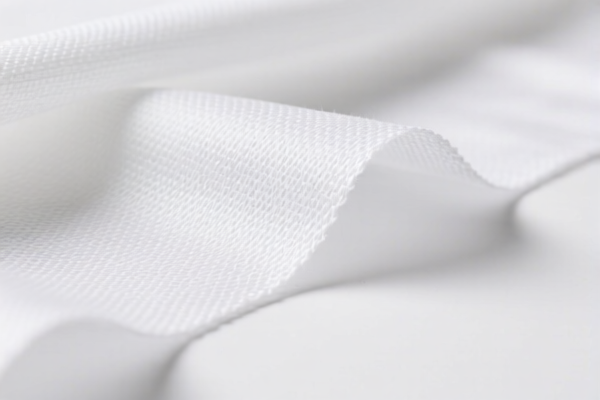
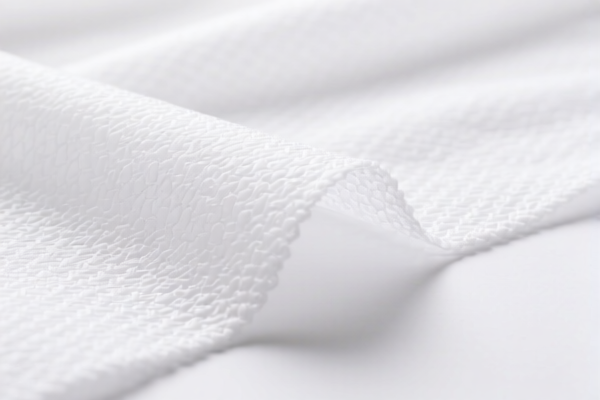
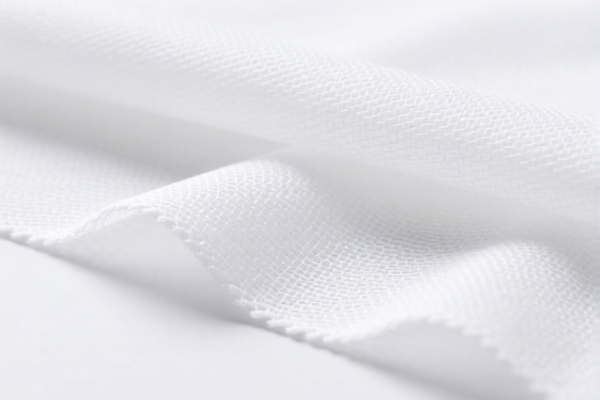
AI Analysis
🧵 Dust-Proof Woven Fabric (Technical Textiles & Composite Materials)
🌐 HS Code Reference & Customs Clearance Guide | 2026 Latest Tariff Analysis | Professional-Level Strategy
📌 I. Product Definition & Classification: What is "Dust-Proof Woven Fabric"?
"Dust-proof woven fabric" is not a single, static commodity. In international trade, its classification depends entirely on its composition, weight, surface coating, and specific technical application. It generally falls into two major categories:
- Plastic-Textile Composites: Woven fabric laminated or coated with plastic to create a barrier against dust/particles (e.g., protective sheets, industrial covers).
- Pure Technical Textiles: Fabrics designed for filtration, straining, or industrial protection without significant plastic content.
⚠️ Key Distinction Point: - If the fabric is primarily textile but coated/laminated with plastic and weighs ≤ 1.492 kg/m², it likely falls under Chapter 39 (Plastics). - If the fabric is purely textile used for industrial/technical purposes (like filtration or protection), it falls under Chapter 59 (Textile Products). - If it is a general household textile item (like a sheet or cover) not specified for technical use, it may fall under Chapter 63 (Other Made-Up Articles).
📦 II. HS Code Classification Details (2026 Latest Tariff Authority Comparison)
Based on the provided data, here are the specific HS Codes applicable to "Dust-Proof Woven Fabric" variants:
| HS Code | Product Description | Application Scenario | Composition/Key Feature |
|---|---|---|---|
| 3921.90.11.00 | Other plates, sheets, film, foil, and strip, of plastics: Combined with textile materials (≤ 1.492 kg/m²): Man-made fibers predominate, > 70% plastics by weight | Industrial dust covers, protective liners, plastic-coated woven sacks | ✅ Plastic dominant (>70%) + Textile base |
| 3921.90.19.10 | Other plates, sheets, film, foil, and strip, of plastics: Combined with textile materials (≤ 1.492 kg/m²): Vegetable fibers predominate | Natural fiber-based dust barriers, eco-friendly coated fabrics | ✅ Plastic dominant + Vegetable fiber base |
| 5911.40.01.00 | Textile products for technical uses: Filtering or straining cloth (e.g., oil press filters, including human hair) | Industrial filtration systems, dust collectors, straining materials | ✅ Pure textile/technical, no plastic coating |
| 5911.90.00.80 | Textile products for technical uses: Other | General technical textiles (e.g., protective clothing, industrial belts) | ✅ Pure textile, technical function |
| 6307.90.98.91 | Other made-up articles, including dress patterns: Other | General made-up textile articles (e.g., generic dust covers, bags, not specifically technical) | ✅ Finished article, not specialized |
| 6307.90.89.40 | Other made-up articles: Cotton towels, pillow shells, quilt shells (Cotton) | Household textile items (Note: This code is for specific cotton items, likely not applicable for industrial dust-proof fabric unless it's a specific cotton cover) | ✅ Specific cotton item (Use with caution) |
🔍 Critical Reminder: - 6307.90.98.91 is a "catch-all" for other made-up articles. Use this only if the fabric is a finished product (like a sewn bag or cover) and doesn't fit the technical descriptions of Chapter 59 or the composite description of Chapter 39. - 5911 series is for technical use. If your fabric is used for filtration or industrial machinery protection, this is the primary candidate. - 3921 series is for plastic-textile composites. If the fabric is "dust-proof" because it has a plastic coating or lamination, and the plastic content is high (>70%), this is the correct classification.
💰 III. 2026 Latest Tariff Rate Details (Detailed Breakdown)
✅ Applicable Country: United States (US) ✅ Origin: China (CN) ✅ Effective Time: Current tariffs apply (Base + Additional)
🎯 1. Composite Plastic-Textile Products (HS Codes 3921.90.11.00 & 3921.90.19.10)
| Item | Content |
|---|---|
| Base Tariff | 0% (ad valorem) |
| Additional Tariffs | 0% |
| Total Tax Rate | 0.0% |
| Tax Calculation | CIF Value × 0% = $0 |
| De Minimis Exemption | ✅ Yes (If value ≤ $800, no duty applies regardless) |
| Legal Basis | HTSUS 3921.90.11/19; No Section 301 or IEEPA additional duties listed in the provided data. |
📌 Explanation: - These specific subheadings for plastic-textile composites (weighing ≤ 1.492 kg/m²) enjoy 0% total duty. - This is a significant cost advantage for imports of lightweight, plastic-coated woven fabrics. - Note: Ensure the weight does not exceed 1.492 kg/m². If it does, it may fall into a different, potentially taxed, subheading.
🎯 2. Technical Textile Products (HS Codes 5911.90.00.80 & 5911.40.01.00)
| Item | Content |
|---|---|
| Base Tariff | 0% (ad valorem) |
| Additional Tariffs | 0% |
| Total Tax Rate | 0.0% |
| Tax Calculation | CIF Value × 0% = $0 |
| De Minimis Exemption | ✅ Yes (If value ≤ $800, no duty applies) |
| Legal Basis | HTSUS 5911 series; No Section 301 or IEEPA additional duties listed in the provided data. |
📌 Explanation: - Technical textiles for industrial use (filtration, straining, other technical uses) are currently taxed at 0%. - This encourages the import of high-performance industrial fabrics. - Important: You must prove the "technical use" if audited. Keep documentation showing the fabric is used for filtering, straining, or industrial machinery protection.
🎯 3. Other Made-Up Articles (HS Code 6307.90.98.91)
| Item | Content |
|---|---|
| Base Tariff | 7.0% |
| Additional Tariffs | 7.5% |
| Total Tax Rate | 14.5% |
| Tax Calculation | CIF Value × 14.5% |
| De Minimis Exemption | ❌ No (Section 301 duties often apply to made-up articles) |
| Legal Basis | HTSUS 6307.90.98.91; Subject to Base + Additional tariffs. |
📌 Explanation: - If your "dust-proof fabric" is sold as a finished made-up article (e.g., a sewn dust cover) and does not qualify as a technical textile (Chapter 59) or a plastic composite (Chapter 39), it falls here. - 14.5% is a significant cost. Try to classify under 3921 or 5911 if possible, as they are 0%. - Strategy: If the fabric is uncut rolls, argue for Chapter 39 or 59. If it is cut and sewn, argue for technical use (5911) if applicable. Only use 6307 if it’s a generic household item.
⚠️ Note on 6307.90.89.40: This code (Cotton towels/shells) has a 0% tax rate but is likely not applicable to general "dust-proof woven fabric" unless it is specifically a cotton towel or pillow shell. Misclassification here could lead to penalties.
🛠️ IV. Customs Clearance Practical Advice (Real-World Pitfall Avoidance Guide)
✅ 1. Documentation Checklist (Non-Negotiable)
| Document | Must Provide | Explanation |
|---|---|---|
| ✅ Product Specification Sheet | ✔️ | Must detail: Material composition (% cotton, % polyester, % plastic), weight per m², thickness, coating type. |
| ✅ Technical Data Sheet | ✔️ | For 5911/3921: Explain the "technical function" (e.g., dust filtration efficiency, tensile strength, plastic coating percentage). |
| ✅ Product Photos | ✔️ | Show the fabric structure, cross-section (if coated), and end-use (e.g., installed in a machine or covering machinery). |
| ✅ Commercial Invoice | ✔️ | Clearly describe the goods. Avoid vague terms like "Fabric." Use "Plastic-Coated Woven Fabric, 0.8 kg/m², Technical Use" or "Industrial Dust Filter Cloth." |
| ✅ Packing List | ✔️ | Specify if goods are in rolls (piece) or made-up articles (set/piece). |
| ✅ Letter of Explanation | ✔️ | If classifying under 5911, explain why it's "technical" and not general apparel. |
✅ 2. Classification Strategy (Key Tips)
🔥 "Check Weight, Check Content, Check Function!"
| Scenario | Recommended HS Code | Reasoning |
|---|---|---|
| Rolls of fabric, plastic-coated, ≤ 1.492 kg/m², >70% plastic | 3921.90.11.00 |
Meets all criteria for 0% duty. |
| Rolls of fabric, plastic-coated, ≤ 1.492 kg/m², vegetable fiber base | 3921.90.19.10 |
Meets all criteria for 0% duty. |
| Pure textile fabric, used for industrial filtration/dust collection | 5911.40.01.00 |
Specific technical use, 0% duty. |
| Pure textile fabric, other technical uses (e.g., protective gear) | 5911.90.00.80 |
General technical use, 0% duty. |
| Finished sewn dust covers (not technical), generic | 6307.90.98.91 |
Made-up article, 14.5% duty. Avoid if possible. |
| Cotton towels/pillow shells (if applicable) | 6307.90.89.40 |
0% duty, but only if it truly is a cotton towel/shell. |
📌 Critical Advice: - Do NOT classify plastic-coated fabric as "Textile" (6307) if it meets the 3921 criteria. You will overpay taxes. - Do NOT classify technical fabric as "General Made-Up Article" (6307) if it can be justified as 5911. You will pay 14.5% instead of 0%. - Weight Check: Ensure the weight is ≤ 1.492 kg/m² for 3921 codes. If heavier, it may fall into a different, potentially taxed, subheading not listed here.
✅ 3. Special Circumstances Handling
| Situation | Handling Advice |
|---|---|
| Mixed Composition | If the fabric has both man-made and vegetable fibers, determine which predominates by weight for 3921 classification. |
| Unfinished vs. Finished | Unfinished rolls are more likely to be classified under 3921/5911. Finished sewn items lean towards 6307. |
| Customs Audit | If audited, provide test reports showing the fabric's technical properties (e.g., dust particle retention rate for 5911). |
| De Minimis | If your shipment value is ≤ $800, you may not need to declare HS Code or pay duties at all (Section 321). |
🌍 V. Global Market Comparison (2026 Latest)
| Country/Region | Recommended HS Code (Example) | Tariff Rate | Certification | Notes |
|---|---|---|---|---|
| 🇺🇸 USA | 3921.90.11.00 / 5911.90.00.80 |
0% | None | Best market for 0% duty on technical/plastic-composite fabrics. |
| 🇨🇳 China | 5911.90.00.80 |
~5-10% | CCC (if applicable) | Varies by specific type. |
| 🇪🇺 EU | 5911.90.00.80 / 3921.90 |
~5-6% | CE (if applicable) | No additional tariffs like US Section 301. |
| 🇬🇧 UK | 5911.90.00.80 |
~5-6% | UKCA | Post-Brexit, similar to EU. |
| 🇯🇵 Japan | 5911.90.00.80 |
~5-10% | PSE (if applicable) | Low tariffs, high quality standards. |
📌 Conclusion: - The USA currently offers 0% duty for these specific subheadings, making it a competitive market for technical and plastic-composite fabrics. - Avoid classifying technical fabrics as "general made-up articles" (6307) to save on the 14.5% duty. - Leverage the 0% duty rates by providing clear technical documentation.
📌 VI. Common Mistakes & Pitfall Guide (Blood Lessons)
❌ Mistake 1: Classifying plastic-coated woven fabric as "General Textile" (6307) 👉 Consequence: Pay 14.5% duty instead of 0%. Loss: 14.5% of CIF value.
❌ Mistake 2: Ignoring the weight limit (1.492 kg/m²) for HS Code 3921 👉 Consequence: If weight is higher, it may fall into a taxed subheading. Risk: Re-classification + Penalties.
❌ Mistake 3: Not proving "Technical Use" for 5911 classification 👉 Consequence: Customs may reclassify as 6307 or 6203/6210. Risk: 14.5% duty + Delay.
❌ Mistake 4: Using vague descriptions like "Dust Proof Cloth" 👉 Consequence: Customs ambiguity leads to examination delays. Risk: Storage fees + Inspection costs.
✅ Correct Approach:
"Woven Polypropylene Fabric, Plastic-Coated, 0.8 kg/m², Technical Use for Industrial Dust Covers, Unfinished Rolls"
🎯 VII. Conclusion: Professional Classification, Cost Savings, Efficiency!
🎯 Remember These Mantras:
🔹 "Check Weight, Check Content, Check Function!"
🔹 "Plastic-Coated ≤ 1.492 kg/m² → 0% Duty"
🔹 "Technical Textile → 0% Duty"
🔹 "General Made-Up → 14.5% Duty (Avoid!)"
📌 Pro Tip: If your fabric is plastic-coated and ≤ 1.492 kg/m², always aim for 3921.90.11.00 or 3921.90.19.10. If it is pure textile for technical use, always aim for 5911.90.00.80 or 5911.40.01.00. Only use 6307.90.98.91 if it’s a finished, non-technical, general article.
📣 Immediate Action:
📞 Contact a professional customs broker + Provide technical data sheet + Apply for Advance Ruling if volume is high. 🚀 Save 14.5% on duties by classifying correctly!
✨ Professional clearance starts with accurate classification! 💼 Every penny counts in international trade!
Customer Reviews
About HS Code Classification
The Harmonized System (HS) is an internationally standardized nomenclature developed by the World Customs Organization (WCO) to classify traded products. Over 200 countries use the HS system as the basis for customs tariffs, trade statistics, and import/export regulations.
Each HS code follows a hierarchical structure:
- Chapter (2 digits) — Broad category of goods (e.g., Chapter 84: Machinery and Mechanical Appliances)
- Heading (4 digits) — More specific grouping within the chapter
- Subheading (6 digits) — Internationally standardized breakdown, used by all WCO member countries
- National subdivisions (8-10 digits) — Country-specific extensions for further classification, such as US HTSUS 10-digit codes
Correct HS code classification is essential for smooth customs clearance, accurate duty payment, and compliance with trade regulations. Misclassification can lead to customs delays, overpayment of duties, or penalties.
When importing from CN to US, the applicable tariff rates may include:
- Most-Favored-Nation (MFN) rate — The standard duty rate applied to WTO members
- General rate — Applied to countries without trade agreements
- Trade remedy duties — Additional tariffs such as Section 301 (anti-dumping), Section 232 (national security), or countervailing duties
The information provided on this page is for reference purposes only. For official classification, please consult with your local customs authority or a licensed customs broker.