dust shield
CN → US| HS Code | Tariff Rate | Origin | Destination | Doc |
|---|---|---|---|---|
| 4016990500 | 20.9% | CN | US | Official Doc |
| 5603110070 | 35.0% | CN | US | Official Doc |
| 4016996050 | 37.5% | CN | US | Official Doc |
| 5603120070 | 35.0% | CN | US | Official Doc |
| 3926909989 | 22.8% | CN | US | Official Doc |
Product Images

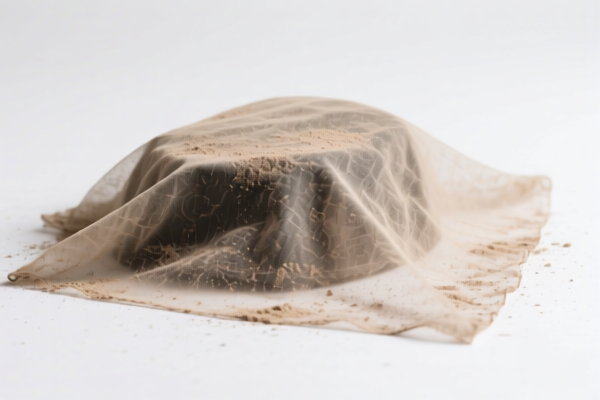
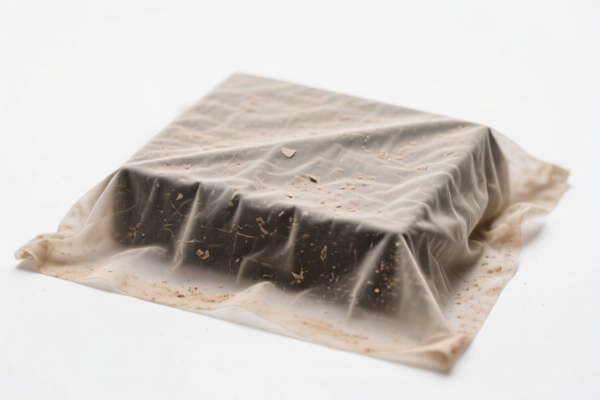
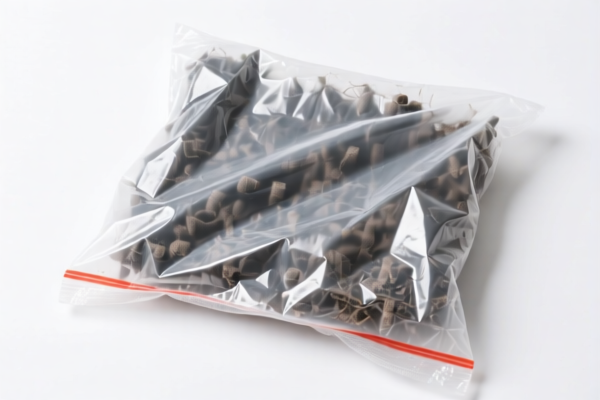
AI Analysis
🛡️ Dust Shield (Protective Covers)
🌐 HS Code Reference & Customs Clearance Guide | 2024-2026 Latest Tariff Analysis | Professional Entry Strategy
📌 1. Product Definition and Classification: What is a "Dust Shield"?
A "Dust Shield" is a generic term for protective covers used to prevent dust, moisture, or debris from entering machinery, household items, or storage areas. In international trade, the classification depends strictly on the material and specific application. Because the input is generic, multiple HS Codes apply based on whether the product is made of rubber, plastic, or non-woven textiles.
⚠️ Critical Distinction:
- If made of Rubber → Look at Chapter 40 (e.g.,4016.99)
- If made of Plastic → Look at Chapter 39 (e.g.,3926.90)
- If made of Non-woven Fabric → Look at Chapter 56 (e.g.,5603.xx)
📦 2. HS Code Classification Details (Based on Provided Data)
Below are the five specific HS Codes identified for "Dust Shield," along with their summary reasoning and tax breakdowns.
| HS Code | Product Description & Logic | Total Tax Rate |
|---|---|---|
4016.99.05.00 |
Rubber/Plastic Household Items: Inferred as rubber or plastic protective covers for household or other uses, falling under "Other vulcanized rubber articles." | 20.9% |
5603.11.00.70 |
Non-woven Protective Cover: Inferred as a non-woven product application (e.g., disposable cover), classified as spare parts/components. | 35.0% |
4016.99.60.50 |
General Rubber Protective Article: Inferred as rubber/plastic protective goods, falling under the "catch-all" category for other vulcanized rubber articles. | 37.5% |
5603.12.00.70 |
Non-woven Textile Cover: Inferred as non-woven fabric or textile material used as a protective cover, matching non-woven product characteristics. | 35.0% |
3926.90.99.89 |
Plastic Container/Cover: Inferred as plastic material, classified under "Other plastic articles" or containers/shells. | 22.8% |
🔍 Key Insight:
- Lowest Risk/Cost:4016.99.05.00(20.9%) and3926.90.99.89(22.8%) are more favorable.
- Highest Cost:4016.99.60.50(37.5%) carries the highest burden due to higher added tariffs.
- Material Dependency: You must know the exact material to choose between Rubber (4016), Plastic (3926), or Non-woven (5603).
💰 3. Detailed Tariff Breakdown (2024-2026 Policy Analysis)
✅ Applicable Context: United States (US) Imports from China (CN)
✅ Note: Taxes include Base Tariff + Section 301 Additional Tariff + Section 122 Tariff (10%)
🎯 1. 4016.99.05.00 —— Rubber/Plastic Household Protective Cover
| Item | Content |
|---|---|
| Base Tariff | 3.4% |
| Section 301 Additional Tariff | +7.5% |
| Section 122 Tariff | +10.0% |
| Total Tax Rate | 20.9% |
| Calculation Base | CIF Value × 20.9% |
📌 Explanation:
- This is the most cost-effective rubber/plastic option.
- The low base tariff (3.4%) helps mitigate the impact of additional tariffs.
- Suitable for durable rubber/plastic dust covers for home appliances or tools.
🎯 2. 3926.90.99.89 —— Plastic Dust Cover/Container
| Item | Content |
|---|---|
| Base Tariff | 5.3% |
| Section 301 Additional Tariff | +7.5% |
| Section 122 Tariff | +10.0% |
| Total Tax Rate | 22.8% |
| Calculation Base | CIF Value × 22.8% |
📌 Explanation:
- Slightly higher than the rubber household item but still competitive.
- Ideal for rigid plastic dust covers or protective shells.
🎯 3. 5603.11.00.70 & 5603.12.00.70 —— Non-woven Fabric Covers
| Item | Content |
|---|---|
| Base Tariff | 0.0% |
| Section 301 Additional Tariff | +25.0% |
| Section 122 Tariff | +10.0% |
| Total Tax Rate | 35.0% |
| Calculation Base | CIF Value × 35.0% |
📌 Explanation:
- Although the base tariff is 0%, the Section 301 tariff is 25% (significantly higher than rubber/plastic).
- This is typical for non-woven textiles, which face steeper penalties under current trade policies.
- Suitable for disposable or lightweight fabric dust covers (e.g., for furniture or electronics).
🎯 4. 4016.99.60.50 —— General Rubber Protective Article
| Item | Content |
|---|---|
| Base Tariff | 2.5% |
| Section 301 Additional Tariff | +25.0% |
| Section 122 Tariff | +10.0% |
| Total Tax Rate | 37.5% |
| Calculation Base | CIF Value × 37.5% |
📌 Explanation:
- This is the most expensive classification.
- It applies if the rubber product does not fit into specific sub-categories and falls into the "other" bucket.
- Avoid this code if a more specific one (like4016.99.05.00) applies.
🛠️ 4. Customs Clearance Practical Advice
✅ 1. Material Declaration is Crucial
| Material | Recommended HS Code | Tax Rate | Tip |
|---|---|---|---|
| Rubber | 4016.99.05.00 |
20.9% | Best Choice for durable covers. |
| Plastic | 3926.90.99.89 |
22.8% | Good for rigid/shell covers. |
| Non-woven | 5603.11.00.70 |
35.0% | High tax; ensure it’s truly non-woven. |
⚠️ Warning:
- Do not misdeclare rubber as plastic or vice versa. Customs will inspect the material composition.
- If the product is a hybrid (e.g., rubber with plastic inserts), classify based on the essential character (usually the main protective material).
✅ 2. Required Documentation
| Document | Requirement | Description |
|---|---|---|
| Product Description | ✔️ Must Include | "Dust Shield/Cover," Material (Rubber/Plastic/Non-woven), Use Case. |
| Material Composition | ✔️ Essential | Percentage of rubber/plastic/non-woven fabric. |
| Product Images | ✔️ Required | Clear photos showing the cover on the intended item. |
| Bill of Lading/Invoice | ✔️ Mandatory | Match HS Code, Value, and Material Description. |
✅ 3. Clearance Strategy
- Identify Material First: Before shipping, confirm the primary material.
- Choose the Lowest Tax Code:
- If it’s rubber/plastic → Use
4016.99.05.00(20.9%). - If it’s plastic → Use
3926.90.99.89(22.8%). - Avoid
4016.99.60.50(37.5%) unless necessary. - Avoid Non-woven if Possible: Due to the 35% tax, consider if a rubber or plastic alternative is feasible.
- Pre-arrival Ruling: For large shipments, apply for an Advance Ruling from US Customs to confirm the HS Code and avoid delays.
🌍 5. Global Market Comparison (2024-2026)
| Country/Region | Recommended HS Code | Estimated Tax (China Origin) | Notes |
|---|---|---|---|
| 🇺🇸 USA | 4016.99.05.00 |
20.9% | Includes Section 301 + 122 tariffs. |
| 🇪🇺 EU | 4016.99 |
~3.5-4% | No Section 301 tariffs. Lower overall cost. |
| 🇨🇳 China | 4016.99 |
~2.5-3.4% | Low import duty. |
| 🇯🇵 Japan | 4016.99 |
~3-4% | Stable tariff rates. |
📌 Conclusion:
- The US market has high tariffs due to Section 301 and 122 clauses.
- Rubber/Plastic covers (4016.99.05.00) are the most cost-effective for US imports.
- Non-woven covers (5603.xx) are significantly more expensive in the US due to high Section 301 rates.
📌 6. Common Mistakes & Pitfalls
❌ Mistake 1: Declaring all "Dust Shields" as one HS Code.
👉 Result: Customs may reject the declaration if the material varies. Each material needs its own HS Code.
❌ Mistake 2: Using 4016.99.60.50 (37.5%) when 4016.99.05.00 (20.9%) applies.
👉 Result: Overpayment of 16.6% in taxes. Always seek the specific sub-category.
❌ Mistake 3: Ignoring Section 122 Tariff.
👉 Result: Underestimating the total landed cost. Always include the 10% Section 122 tariff in cost calculations.
✅ Correct Approach:
"Dust Cover, Made of Vulcanized Rubber, for Use on Home Appliances, Model XYZ" → HS Code:
4016.99.05.00
🎯 7. Final Recommendation
🎯 Key Takeaway:
🔹 "Material is King: Rubber/Plastic (20-22%) vs. Non-woven (35%)."
🔹 "Specific Sub-Category Saves Money:4016.99.05.00is better than4016.99.60.50."
🔹 "Include All Taxes: Base + Section 301 + Section 122."
📌 Pro Tip:
If your dust shields are made in Vietnam, Mexico, or Thailand, you may qualify for IEEPA Exemptions or lower tariffs.
Action:
📞 Consult a customs broker to verify material origin and apply for Advance Rulings.
🚀 Optimize your supply chain to use rubber/plastic materials for US shipments to minimize tax liability.
✨ Professional Customs Clearance Starts with Accurate Classification!
💼 Your Cost Savings Begin with the Right HS Code!
Customer Reviews
About HS Code Classification
The Harmonized System (HS) is an internationally standardized nomenclature developed by the World Customs Organization (WCO) to classify traded products. Over 200 countries use the HS system as the basis for customs tariffs, trade statistics, and import/export regulations.
Each HS code follows a hierarchical structure:
- Chapter (2 digits) — Broad category of goods (e.g., Chapter 84: Machinery and Mechanical Appliances)
- Heading (4 digits) — More specific grouping within the chapter
- Subheading (6 digits) — Internationally standardized breakdown, used by all WCO member countries
- National subdivisions (8-10 digits) — Country-specific extensions for further classification, such as US HTSUS 10-digit codes
Correct HS code classification is essential for smooth customs clearance, accurate duty payment, and compliance with trade regulations. Misclassification can lead to customs delays, overpayment of duties, or penalties.
When importing from CN to US, the applicable tariff rates may include:
- Most-Favored-Nation (MFN) rate — The standard duty rate applied to WTO members
- General rate — Applied to countries without trade agreements
- Trade remedy duties — Additional tariffs such as Section 301 (anti-dumping), Section 232 (national security), or countervailing duties
The information provided on this page is for reference purposes only. For official classification, please consult with your local customs authority or a licensed customs broker.